

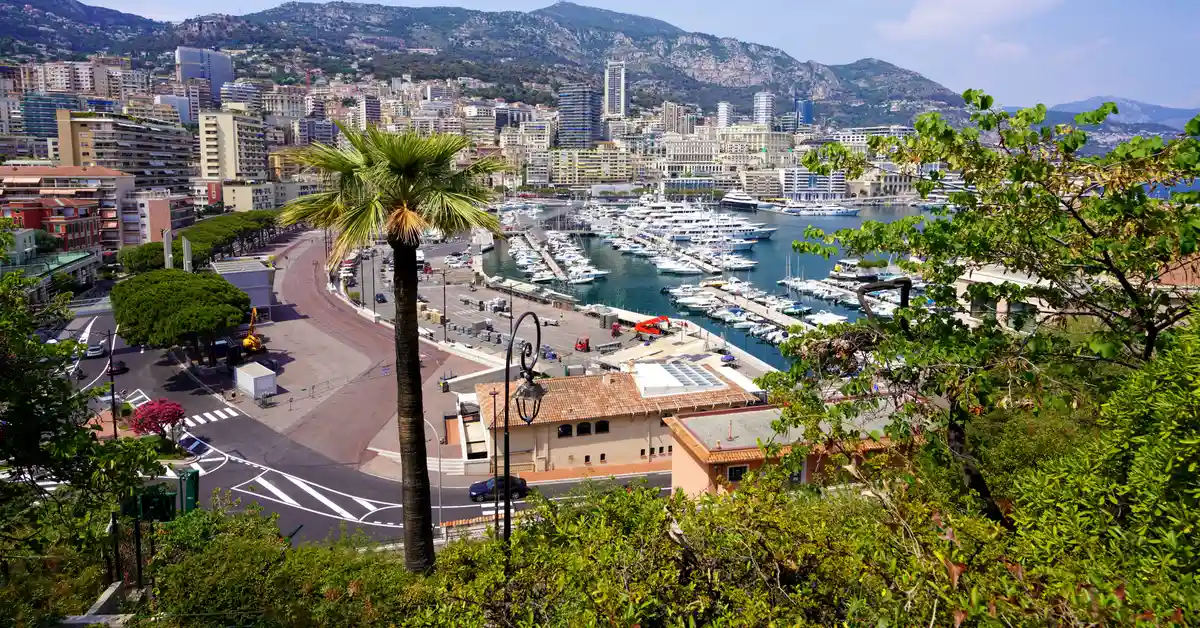
Monaco’s economy is one of the world’s highest-income service economies, operating on a territory of only about two square kilometres. Finance, high-end real estate, luxury tourism, casinos, and international events create the vitality for this small city-state on the Mediterranean.
Contents
Overview of Monaco’s economy
To understand Monaco’s economy, it is necessary to place it in the context of a the country of Monaco Special note: the world’s second-smallest city-state, surrounded by France on three sides and opening onto the Mediterranean Sea. Within a very limited area, it has built a service-oriented economy closely tied to high-net-worth individuals and international capital flows.
Unlike many nations that rely on heavy industry or agriculture, Monaco has almost none of these sectors in the traditional sense. Instead, economic activity is concentrated in finance, real estate, tourism, luxury retail, and a number of small-scale light industries and clean technologies.
It is worth noting that the average income and standard of living here are among the highest on the planet. However, detailed statistics often fluctuate from year to year and depend on the measurement method, so this article prioritises qualitative description and recommends consulting official data when up-to-date figures are required.
The city-state’s official statistical agency, the Monaco Institute of Statistics and Economic Studies (IMSEE), periodically publishes reports on employment, businesses, and sectoral activity. Readers wishing to look up the latest figures can refer to Monaco Statistics.
Considering a residency programme? The Prosperous Living Investment team assesses your profile free of charge and advises on the pathway that fits your goals.
Characteristics of the high-income service economy
Monaco’s economy is characteristic of a post-industrial economy, where the service sector accounts for an overwhelming proportion of total output. High-value-added activities such as financial consulting, asset management, real estate brokerage, and premium tourism services play a leading role.
Another feature is the relative diversity in the industrial structure, albeit on a small scale. Alongside finance and tourism, the city-state also has wholesale and retail trade, construction, scientific and technical activities, and a segment of low-pollution light industry. This diversity helps reduce the risk of dependence on a single sector.
Due to the small size of the territory and population, per capita economic indicators are often very high, but they are also prone to fluctuation when just a few large businesses or transactions change. Therefore, interpreting year-on-year growth rates requires caution to avoid inferring long-term trends from short-term volatility.
In addition, the local economy is closely tied to the economic cycles of Europe, particularly neighbouring France and Italy, as well as the sentiment of wealthy investors and tourists globally.
Finance and private banking, the pillars of Monaco’s economy
Finance and private banking are among the most important pillars of Monaco’s economy. The city-state is home to many banks, asset management firms, and family offices serving high-net-worth clients from all over the world.
A characteristic activity here is wealth management (private banking and wealth management): preserving and growing the assets of wealthy individuals and families through investment, financial planning, and in-depth advisory services. This is a high-value-added service segment that requires a highly qualified professional team.
The appeal of this financial centre comes from many factors: long-standing political stability, an orderly legal environment, a favourable geographical location, and a unique tax environment. However, Monaco’s financial system is also subject to increasingly stringent requirements regarding transparency and anti-money laundering in accordance with international standards.
In recent years, the city-state has participated in international financial cooperation and information exchange mechanisms, while adjusting its legal framework to align with European and global standards. Regulations in this area are subject to change, so it is necessary to check current documents when researching specific details.
High-end real estate and land value
Real estate is a prominent and iconic economic segment of the city-state. Due to the limited territory and constant demand from wealthy individuals wishing to reside here, property prices in Monaco are among the most expensive in the world. The scarcity of land makes every square metre particularly valuable.
The link between land scarcity and real estate value is closely tied to Geography of Monaco: a strip of land sloping from the mountains to the sea, which has been almost entirely urbanised. To expand space, the city-state has carried out land reclamation projects to create more space for housing, offices, and infrastructure.
Construction and project development are therefore also a significant part of the economy. Projects are generally aimed at the high-end segment, with apartments, villas, and commercial spaces featuring luxury standards to serve international residents and investors.
Specific real estate prices fluctuate significantly depending on timing and location, so this article does not provide detailed figures. Interested parties should refer to official data or updated market reports, as price levels can change significantly over different periods.
Luxury tourism and retail trade
Luxury tourism is a traditional and sustainable economic driver for Monaco. The city-state attracts high-spending visitors thanks to its luxurious image, five-star hotels, fine-dining restaurants, marinas, and the Riviera scenery along the Mediterranean.
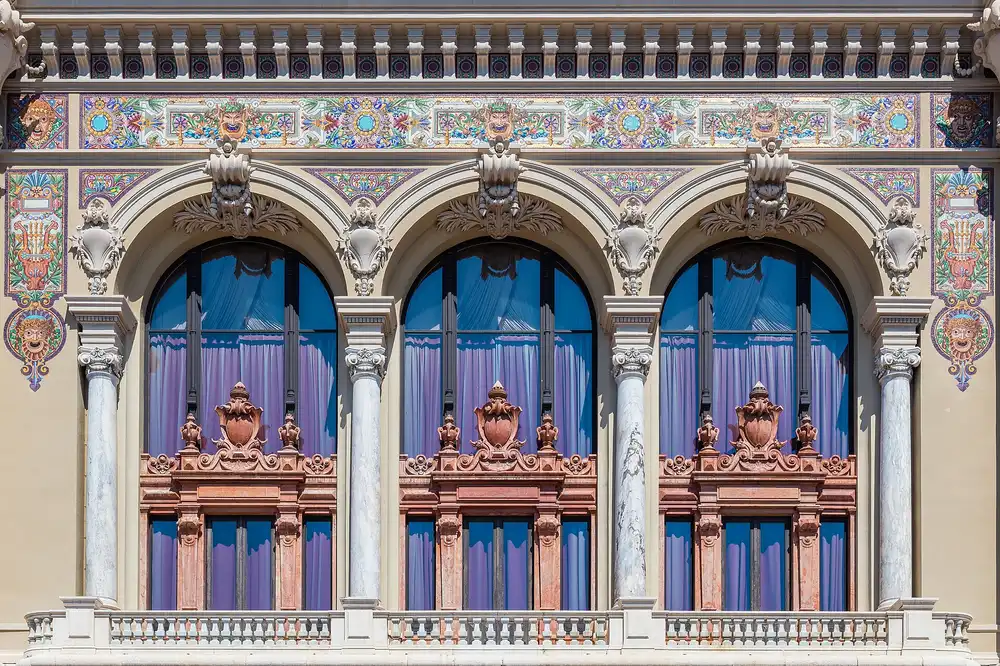
The Monte Carlo district, with its famous casino and historic hotels, is an icon associated with the city-state’s tourism industry. Alongside this, a network of fashion boutiques, jewellery stores, and luxury brands serves a wealthy international clientele, contributing to retail revenue.
Tourism here is not just about leisure but is also linked to event, conference, and business tourism. Many guests come to Monaco to attend sporting and cultural events, meet partners, or combine work with leisure, creating diverse spending flows.
Because it is an industry sensitive to economic cycles and global events, luxury tourism can be affected during difficult periods for the world economy. However, the ultra-wealthy segment is generally more stable than mass tourism, helping the industry maintain relatively good resilience.
Casinos and the entertainment industry
The casino is a part of Monaco’s history and economic identity. The Casino de Monte-Carlo, established in the 19th century, once played a key role in helping the city-state overcome financial difficulties and paved the way for the tourism and entertainment industry to flourish later on.
Today, casino and entertainment activities are still present in the economic structure, linked to the city-state’s characteristic luxury image. Besides games of chance, these complexes also provide entertainment, dining, performing arts, and high-end event services.
A point often mentioned is that Monaco citizens (Monégasques) are restricted from participating in games at domestic casinos, according to tradition and historical regulations. The casino is therefore primarily aimed at tourists and foreign residents.
Although it was once a very important source of revenue, the direct contribution of the casino to the economy has decreased compared to the past, as finance, real estate, and other services have developed. The casino now carries more symbolic and supplementary value than the role of a sole pillar.
Yachting, events, and the image economy
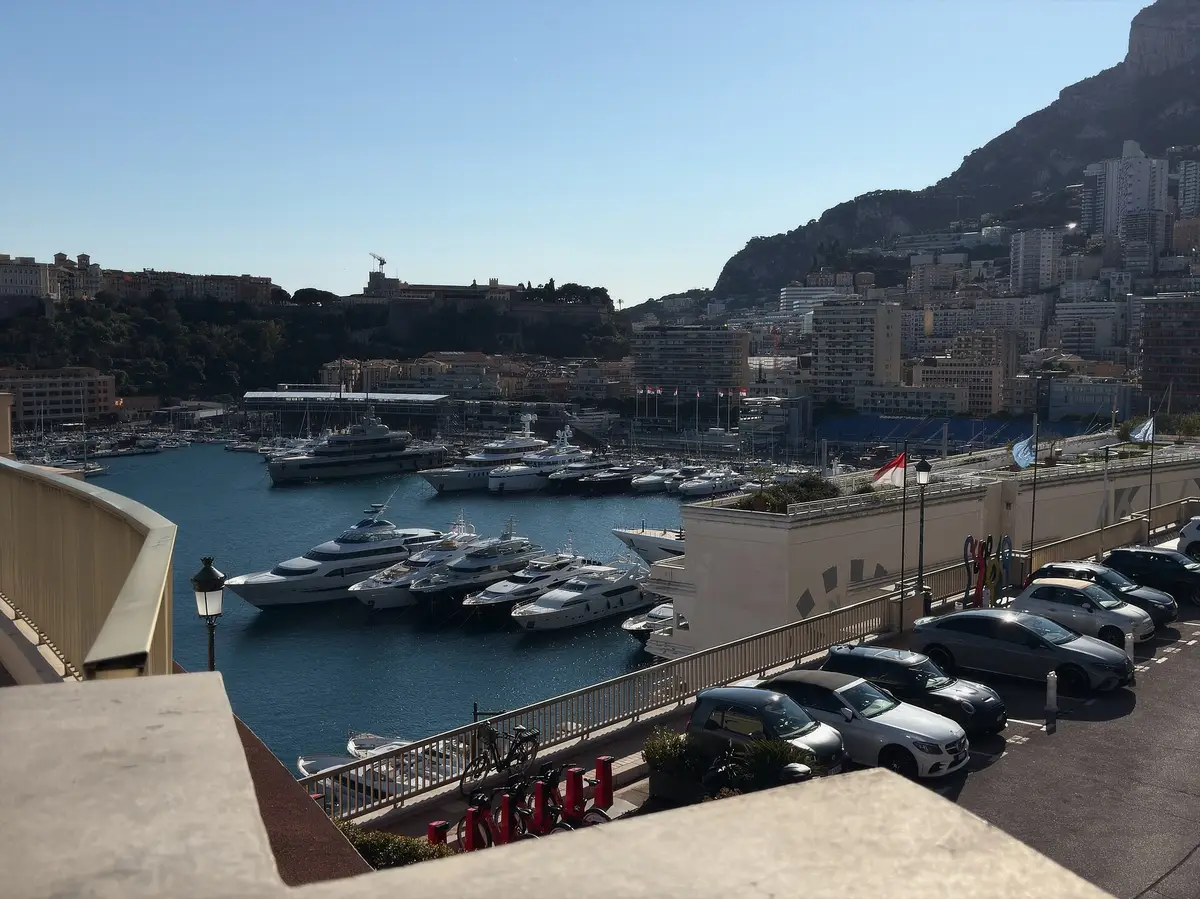
Yachts and high-class events create a specific economic segment, linked to the city-state’s luxury brand. The marina in Monaco is a mooring place for many large yachts, leading to maintenance, supply, brokerage, and related activities.
The Monaco Grand Prix Formula 1 race is a globally famous sporting event that takes place right on the streets of the city-state. This event attracts a large number of tourists, media, and businesses, generating direct revenue for hotels, restaurants, and services, and promoting the national image.
Besides racing, Monaco also hosts other cultural, sporting, and commercial events such as yacht shows, tennis tournaments, and many festivals. This is a form of event economy and image economy, in which the reputation of the city-state itself becomes an economic asset.
The spillover effect from events does not stop at direct revenue but also strengthens the brand position, thereby supporting finance, real estate, and tourism in the long term. However, the specific contribution of each event is very difficult to quantify precisely.
Specific tax environment and the euro
A key factor shaping Monaco’s economy is its unique tax environment. The city-state is famous for not levying personal income tax on the majority of residents, a policy with a long history that is seen as a magnet for wealthy individuals to take up residence.
However, it is important to understand that this is not a completely tax-free jurisdiction. Certain circumstances and tax types still apply, such as taxes on specific business activities, as well as separate regulations for French citizens due to bilateral agreements between the two countries.
The tax framework and related conditions may change over time and depend on individual circumstances, so interested parties should verify current regulations. Official information regarding institutions and policies can be found on the portal of Monaco Government.
Regarding currency, Monaco uses the euro (EURO) despite not being an official member of the European Union. The principality has a monetary agreement that allows it to use the euro and issue a limited amount of euro coins featuring its own symbols, which helps the economy integrate smoothly with the eurozone.
Commuter labour from France and Italy
A very distinct feature of the Monaco economy is its heavy reliance on a workforce of commuters from neighbouring regions in France and Italy. Due to the small resident population and high cost of living, the majority of workers do not live within the principality.
Every day, a large number of workers travel from French coastal towns and the Liguria region of Italy to Monaco to work, returning home in the evening. This phenomenon causes the principality’s daytime population to be significantly higher than its actual resident population.
Such a labour structure creates strong economic ties with neighbouring areas while posing challenges for transport, infrastructure, and urban organisation. The road and rail systems, along with mobility solutions, play a vital role in daily economic operations.
High-quality human resources are also closely linked to Education in Monaco and the surrounding area, as many positions in finance, professional services, and tourism require well-trained qualifications and skills.
Residency, investment, and economic appeal
Monaco’s economic appeal is tied to its status as a residence for the international wealthy. A favourable tax environment, high security, premium services, and brand prestige create an attractive ecosystem for high-net-worth individuals and families.
Residency in the principality is usually tied to conditions regarding financial capacity, housing, and relationships with local banks. Those interested in this path can learn more about the Monaco residencycategory, noting that financial thresholds and specific regulations may change over time.
The flow of wealthy residents and accompanying service businesses creates a virtuous cycle: assets and demand for luxury consumption nourish finance, real estate, retail, and tourism; conversely, the developed service ecosystem reinforces the appeal of the principality.
However, this economic model also faces long-term challenges: dependence on international capital flows and tourists, pressure on land supply, increasingly high requirements for financial transparency, and competition from other wealth centres. The ability to adapt flexibly is a key factor in maintaining the vitality of the economy.
Accompanying you on your journey in residency investment
The Prosperous Living Investment team advises on pathways, assesses profiles and manages investments transparently for every residency, citizenship and international property objective.
Free profile assessmentWhere life gets prosperous