

Monégasque culture is a unique intersection of French influence, Italian influence from the Liguria region, and the indigenous Monégasque identity. In a tiny principality on the Mediterranean coast, this heritage is expressed through language, religion, performing arts, museums, festivals, and world-class sporting events.
Contents
An identity at the crossroads of France, Italy, and Monaco
To speak of Monégasque culture is to speak of a meeting point for many currents. The principality is wedged between the south of France and the Liguria region of Italy, surrounded by France on three sides and located just a short distance from the Italian border. This geographical position ensures that daily life, cuisine, architecture, and the habits of the people are imbued with both neighbouring cultures.
Against this backdrop of intersection, the Monégasques — the indigenous citizens of Monaco — still maintain a distinct identity. They are a minority community in their own homeland, yet they are the group that holds the traditions, language, and collective memory of the principality. It is this interweaving of the large international resident population and the indigenous citizenry that has created a rare multicultural society.
The Grimaldi royal family plays a central role in shaping and preserving this identity. Through many centuries of rule, the ruling family has linked its image to rituals, monuments, and cultural events, turning them into symbols that bind this small but tradition-rich community together.
To fully understand this culture, one often places it within the overall picture of the country of Monacowhere the small scale of area and population is inversely proportional to the influence and sophistication of its spiritual life.
Considering a residency programme? The Prosperous Living Investment team assesses your profile free of charge and advises on the pathway that fits your goals.
Language: official French and traditional Monégasque
French is the official language of Monaco, used in administration, education, the judiciary, and daily life. All state documents, signs, and public communications use French as the standard, reflecting the close historical and geographical ties with France.
In addition, Monégasque (le monégasque) is the traditional language of the indigenous community. This is a dialect belonging to the Ligurian group, closer to the dialects of the Genoa region of Italy than to French. This language clearly reflects the Ligurian roots in the cultural bloodline of the Monégasques.
In the 20th century, Monégasque was at risk of disappearing due to the dwindling number of speakers. To respond, the principality has introduced the language into school curricula and encouraged its use in cultural activities to pass it on to the younger generation.
Due to the large international resident community, Italian and English are also widely used in communication, business, and tourism. This multilingualism is an inseparable part of Demographics of Monacowhere many nationalities live together in a confined space.
Preserving Monégasque is not just a linguistic issue, but also a way for the indigenous community to assert its existence and distinctiveness within a society dominated by French and the influx of people from all over the world.
Catholic heritage and the Cathedral of Monaco
Roman Catholicism is a religion with a significant historical and symbolic role in Monaco. The Catholic faith is tied to the traditions of the Grimaldi royal family and leaves a deep mark on the architecture, rituals, and spiritual life of the principality.
The most prominent religious structure is the Cathedral of Monaco (Cathédrale de Monaco), located in the old town of Monaco-Ville. Built in the Neo-Romanesque style with characteristic white stone, the cathedral is the final resting place of many royal family members throughout the ages.
It is also the site of major royal events, from weddings to funerals. The tombs of Prince Rainier III and Princess Grace Kelly here have become a destination that visitors often frequent to commemorate a period well-known in Monaco’s history.
Beyond its religious value, religious buildings and rituals serve as a community glue, especially during major holidays of the year. They are closely linked to History of Monaco and to the Grimaldi family’s journey of asserting its sovereignty.
Monégasque culture through world-class performing arts
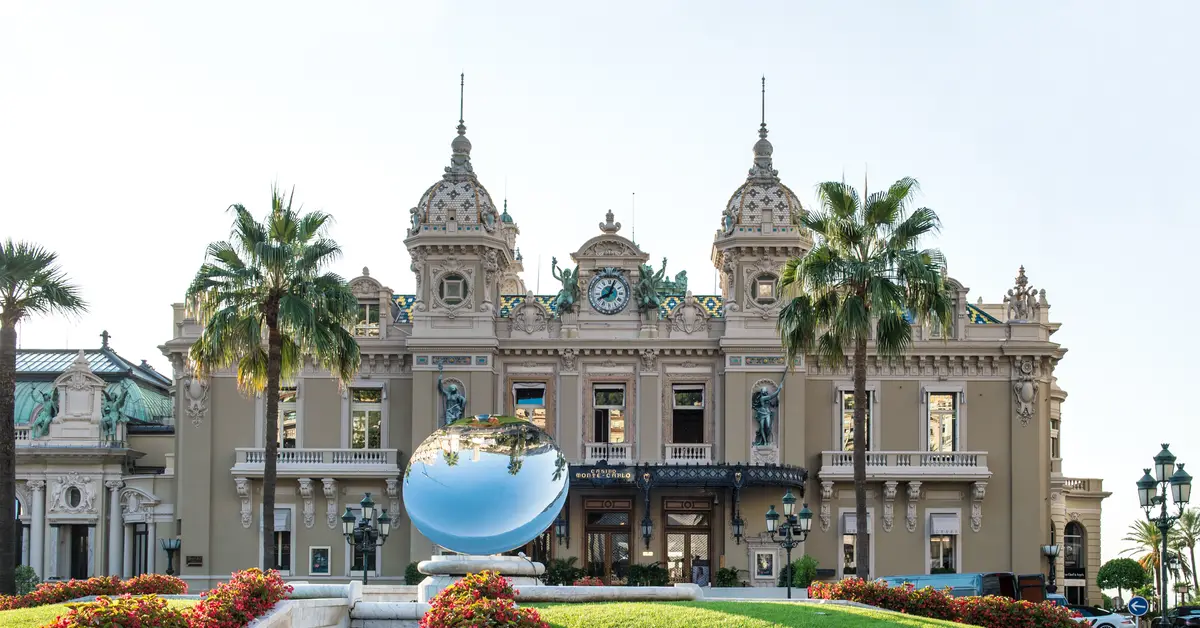
Monégasque culture is notable for a tradition of performing arts with a calibre that far exceeds its population size. The centre of artistic life is the Monte Carlo district, which houses renowned cultural institutions formed in the late 19th century, linked to the period of luxury tourism and entertainment development.
The Opéra de Monte-Carlo, or Monte Carlo Opera House, is one such symbol. The magnificent auditorium is located within a grand architectural complex designed by architect Charles Garnier — who designed the Paris Opera House — and has hosted many performances and famous singers from the world of opera.
The Ballets de Monte-Carlo (Monte Carlo Ballet) continues the legendary dance heritage of this land. Monaco was once the home that nurtured the legendary Ballets Russes in the early 20th century, and that tradition is still maintained through modern performances highly regarded by experts.
Classical music also holds a firm place with the national symphony orchestra, which regularly performs classic pieces. The presence of these institutions turns the city-state into an important artistic hub on the European cultural map.
The rich artistic life helps shape the elite image of Culture of Monaco in the eyes of the international community, where beauty and sophistication are cherished as part of its identity.
Oceanographic Museum and the spirit of maritime exploration
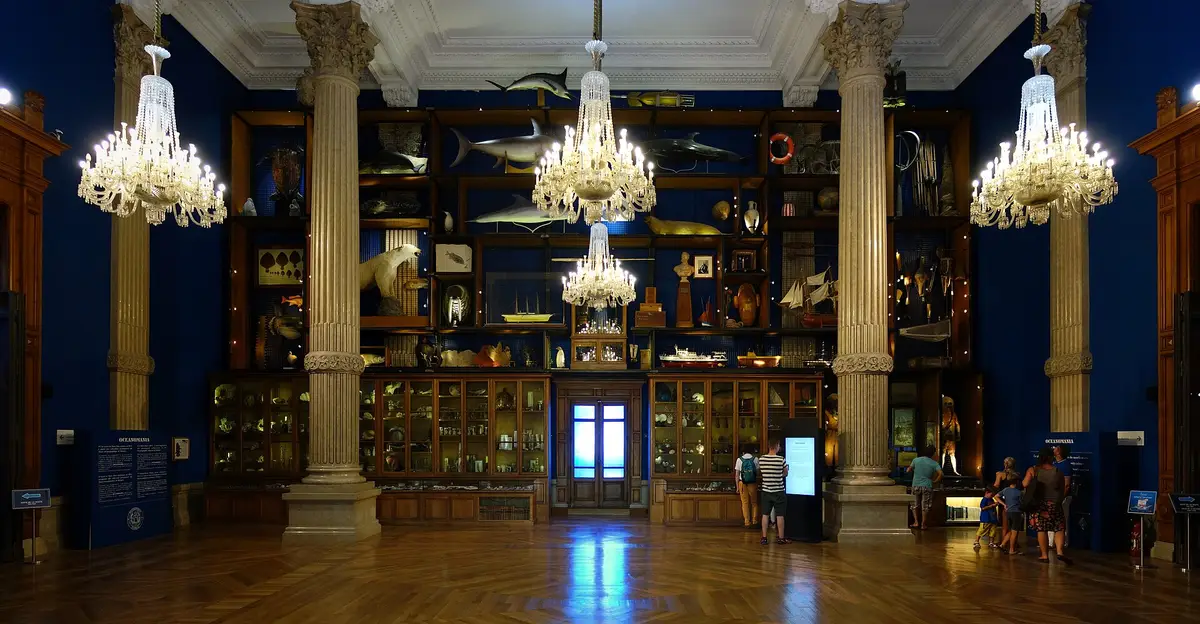
The Oceanographic Museum of Monaco (Musée océanographique de Monaco) is one of the city-state’s most famous cultural and scientific symbols. This imposing building is set on a cliff overlooking the Mediterranean and was inaugurated in the early 20th century.
The museum is closely associated with Prince Albert I, a monarch passionate about oceanography and a pioneer in marine research. His dedication laid the foundation for a scientific institution that serves both research and public education on the marine world.
Today, the museum attracts many visitors thanks to its aquarium tanks showcasing various marine species, alongside collections and exhibitions on the ocean. It serves as both an attraction and a place that inspires marine environmental protection.
This attachment to the sea reflects the deep connection between Monaco and the Mediterranean, which forms a core part of this coastal city-state’s identity.
Festivals and cultural life throughout the year
Monaco’s cultural calendar is packed with events spanning all four seasons, combining traditional rituals and international events. This festive way of life is how the tiny city-state asserts its identity and draws global attention.
National Day (Fête Nationale), usually held on 19 November, is the most important royal event. Citizens attend religious services, parades and various community activities, showing their attachment to the Grimaldi family.
In winter, the Monte-Carlo International Circus Festival (Festival International du Cirque de Monte-Carlo) brings together the world’s leading circus troupes. It is one of the most prestigious circus events, awarding prizes valued by professionals in the field.
Many other religious and folk festivals are also maintained, such as rituals tied to patron saints and traditional Monégasque customs. They help preserve the collective memory of the local community.
In addition, a series of fashion events, art exhibitions and high-end charity galas take place year-round, turning Monaco into a stage for an elite lifestyle and international exchange.
Elite sports: Grand Prix and Monte-Carlo Masters
Sport is one of the pillars of Monaco’s cultural reputation. The city-state is closely linked to world-class sporting events, where the competitive spirit blends with the Riviera’s glamour and luxury.
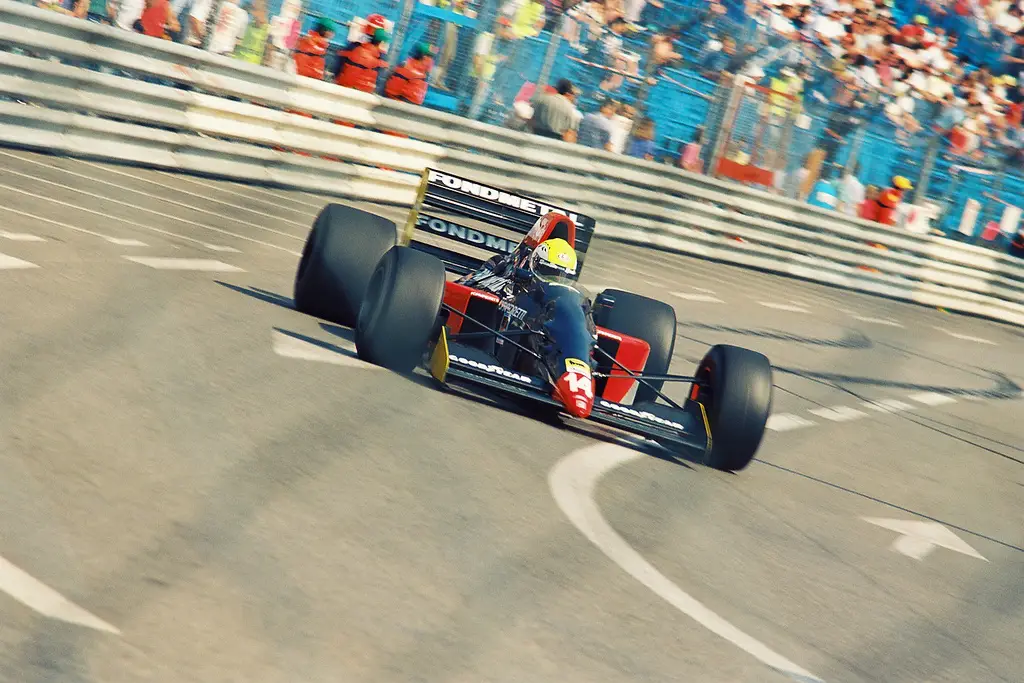
The Monaco Grand Prix is the most iconic event. The circuit winds through the narrow streets of Monte Carlo and La Condamine, demanding masterly driving technique. It is considered one of the most prestigious and oldest races in world motorsport.
In tennis, the Monte-Carlo Masters is a clay-court tournament that attracts the world’s leading players. Held in spring in the area bordering Roquebrune-Cap-Martin in France, the tournament is a familiar fixture of the European clay-court season.
Aside from these two events, Monaco is also known for the Rallye Monte-Carlo and marine and yachting activities. The AS Monaco football club also competes in major leagues, bringing pride to the community.
These events are not merely entertainment but also economic drivers and national brand symbols. They are closely tied to the city-state’s image and appeal, helping to sustain the flow of visitors and high-net-worth individuals arriving each year.
Cuisine and daily lifestyle
Monaco’s cuisine reflects its crossroads position, combining the best of French cooking with the flavors of Italy’s Liguria region and Mediterranean traditions. Olive oil, herbs, seafood and pasta feature strongly in daily meals.
Certain traditional Monégasque dishes are considered local specialties, such as pastries and street food bearing Ligurian culinary influences. These items often appear during festivals and are a source of pride for the local community.
Alongside everyday fare, Monaco is renowned for its fine dining and luxury food culture, tied to the famous hotels and casinos in Monte Carlo. This is part of its signature lavish lifestyle.
Daily life in Monaco has a distinct Riviera flavor: relaxed seaside living, outdoor activities thanks to the mild climate, and an emphasis on polished appearance. The blend of slow-paced southern European life and international standing creates an unmistakable character.
Preserving the Monégasque identity in a multinational society
One of Monaco’s greatest cultural challenges is preserving Monégasque identity in a society where native citizens are a minority. Most residents are French, Italian and of various other nationalities who have moved there for the favorable environment.
To address this, the government and cultural organizations focus on preserving the language, festivals and traditional customs. Teaching Monégasque in schools, maintaining cultural associations and organizing traditional rituals all aim to pass heritage on to the next generation.
The flag, anthem and national symbols are also preserved and promoted, reinforcing a sense of distinct identity. The Grimaldi royal family remains a unifying axis, linking tradition with the city-state’s contemporary image.
Thanks to these efforts, Monaco’s culture maintains a delicate balance: open, international and modern, yet rooted in local traditions. This balance creates the enduring appeal of one of the world’s smallest yet most character-rich city-states.
Visitors and those researching Monaco can consult official information from Government of the Principality of Monaco to understand state-sponsored cultural and heritage activities.
Accompanying you on your journey in residency investment
The Prosperous Living Investment team advises on pathways, assesses profiles and manages investments transparently for every residency, citizenship and international property objective.
Free profile assessmentWhere life gets prosperous