

Entering the United States

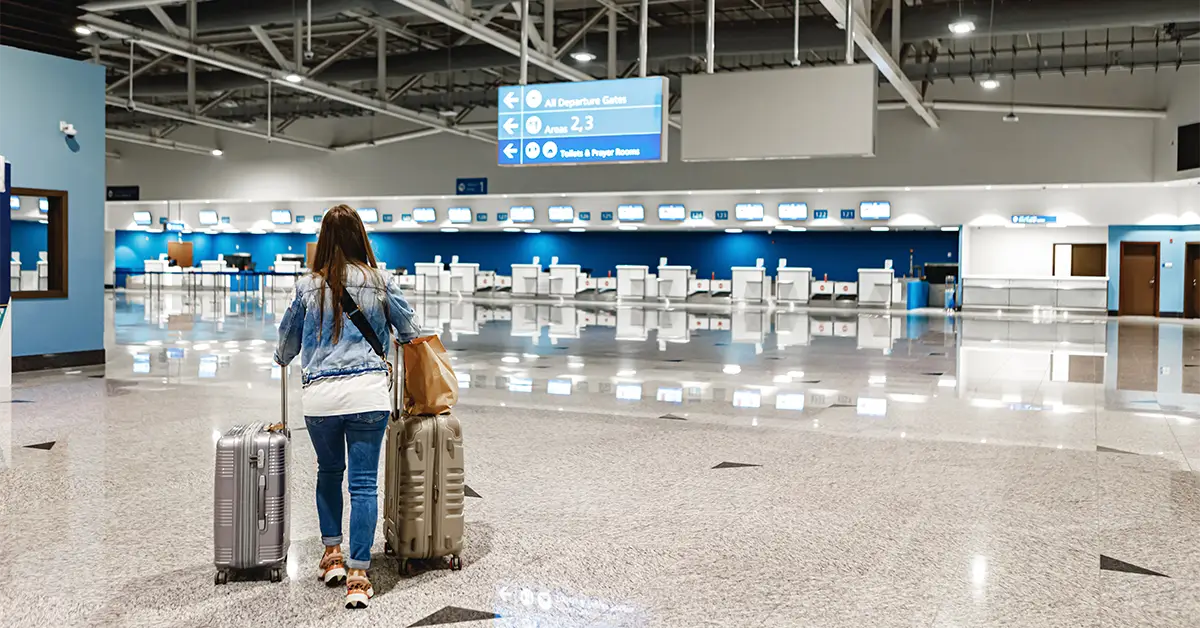
Entering the United States is a critical step for any Vietnamese national travelling to the country for tourism, business, study, or to visit family. Unlike citizens of countries under the Visa Waiver Programme, Vietnamese nationals are required to obtain a visa before departure. Understanding the procedures, necessary documentation, and the process at the port of entry will help ensure a smooth journey and avoid the risk of being denied entry at the airport. This article provides a comprehensive summary of essential information, updated according to the latest 2026 regulations.
Message
Overview of entering the United States
Entering United States territory is a multi-step process, beginning with obtaining the appropriate visa in Vietnam and ending with inspection at the port of entry. A point to emphasise from the start is that holding a valid visa does not guarantee entry into the country.
The final decision rests with the officer from the United States Customs and Border Protection (CBP) at the port of entry. This officer has full authority to grant or deny entry based on the passenger’s documents and interview responses.
For Vietnamese citizens, as Vietnam is not on the list of visa-exempt countries, all passengers must have a visa stamped in their passport before boarding. This differs fundamentally from citizens of countries such as Japan, South Korea, or most of Europe, who only need to obtain authorisation via an electronic system.
Considering a residency programme? The Prosperous Living Investment team assesses your profile free of charge and advises on the pathway that fits your goals.
Visa categories for Vietnamese nationals
Before exploring the United States entry process, passengers must identify the correct visa type for the purpose of their trip. Choosing the wrong type can lead to visa denial or refusal at the port of entry.
Non-immigrant visas
This is a category of visas for those visiting temporarily before returning home. The most common types for Vietnamese nationals include:
- B-1 visa for business purposes, conferences, and business negotiations
- B-2 visa for tourism, visiting family, and medical treatment
- F-1 visa for students enrolled in full-time academic programmes
- J-1 visa for cultural exchange and academic programmes
Most Vietnamese travelling for tourism or to visit family will apply for a combined The B-1 / B-2 visaB-1/B-2 visa. The process includes completing the online DS-160 form, paying the fee, and attending an interview at the United States Embassy or Consulate General.
Immigrant visas
For those intending to live in the country long-term, immigrant visas such as family sponsorship or employment-based categories apply. This group has a much more complex process and typically leads to permanent resident status. Interested readers can learn more about these categories in our in-depth articles.
Documents to prepare for entry into the United States
Preparing complete documentation is the deciding factor in passing the inspection at the port of entry. Passengers should carry both original and copies of important documents.
The basic document list includes:
- A valid passport, typically with at least 6 months of validity remaining from the intended date of departure from the United States
- A valid visa stamped in the passport, matching the purpose of the trip
- A return flight ticket or a ticket to another destination, proving the intention to depart on time
- Financial evidence such as bank statements, proving sufficient funds to cover the trip
- Documents regarding accommodation such as hotel bookings or an invitation letter from a relative
For children, each must have their own passport regardless of age. If a child is travelling with one parent or a non-parent, a notarised consent letter from the other parent is necessary to avoid suspicions of human trafficking.
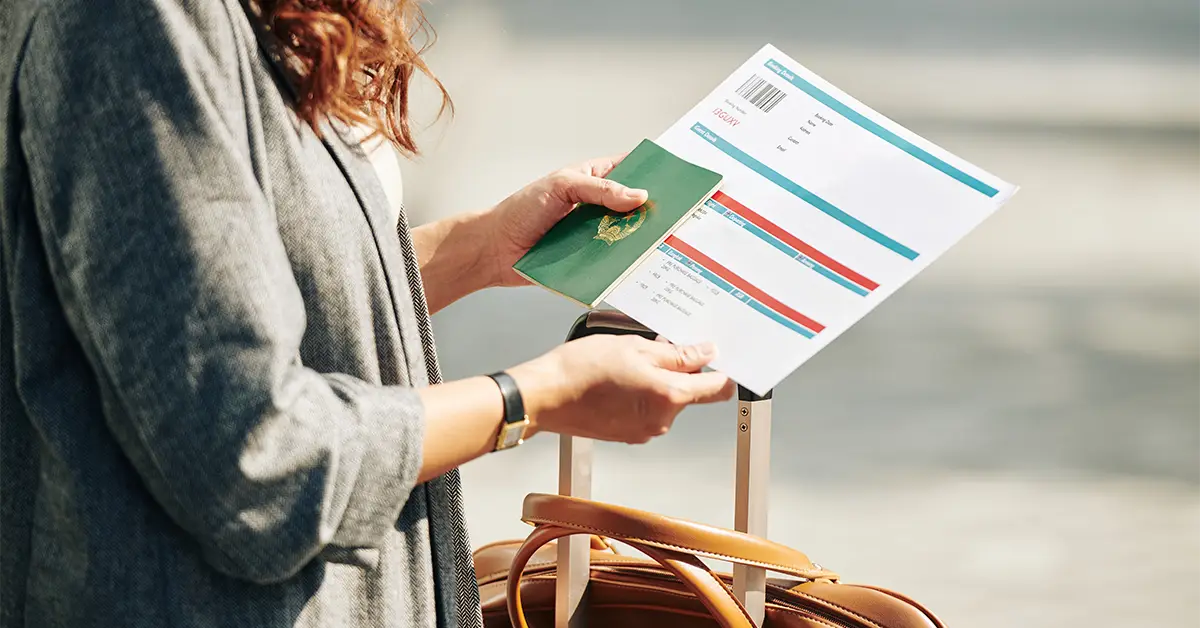
The process at the United States port of entry
After the plane lands, passengers will undergo an inspection process in a clear sequence. Understanding these steps in advance helps reduce stress and handle situations better.
Inspection at the counter
At many large airports, passengers can use automated kiosks to scan their passports and answer basic questions. Afterwards, a CBP officer will personally inspect documents, collect biometric data such as fingerprints and photos, and ask questions about the purpose of the trip.
Passengers should answer honestly, concisely, and consistently. Vague or contradictory answers can make the officer suspicious and lead to secondary inspection. The permitted duration of stay is decided by the officer, not automatically based on the visa expiry date.
Electronic I-94 form
An important change is that foreign visitors no longer have to fill out the paper I-94 Arrival/Departure Record form as before. Instead, according to regulations from United States Customs and Border Protection (CBP), the automated system records entry and exit information from electronic data.
The electronic I-94 form records the passenger’s permitted duration of stay. This is an important document because the time allowed to remain is on the I-94 form, not on the visa. Passengers should visit the official CBP website to check and print their I-94 form after entry, to use as proof of legal status when needed.
Important notes for a smooth entry
To avoid the risk of denial, passengers must remember several core principles. First, never provide false information to a border officer, as the consequence can be a multi-year entry ban.
Second, it is necessary to strictly comply with regulations regarding goods brought into the country. The United States applies strict regulations on food, agricultural products, medicines, and cash amounts. Failure to declare correctly can lead to confiscation and heavy fines.
Third, passengers on tourist or business visas must absolutely not work illegally or overstay. Violating the duration of stay is one of the common reasons applicants are denied visas in the future and affects future immigration profiles.
According to guidance from United States Department of State (DOS), preparing a transparent profile and clearly demonstrating the intention to return home is the key to being granted a visa and entering successfully.
Common reasons for denial at the port of entry
Even with a valid visa, some passengers may still be denied at the port of entry. Understanding common causes helps passengers proactively prevent issues and prepare better.
The leading cause is suspicion regarding the true intent of the trip. If an officer believes that a passenger intends to stay and work or immigrate illegally instead of visiting temporarily, they may deny entry. Signs such as carrying too much luggage, not having a clear return ticket, or contradictory answers all increase suspicion.
Furthermore, a history of violations such as overstaying on previous trips, having a criminal record, or providing false information in the past are also reasons for denial. Carrying prohibited items or failing to declare correctly according to customs regulations can also lead to serious trouble.
In the event of being sent for secondary inspection, passengers should remain calm, cooperate, and answer honestly. A tense attitude or negative reaction often makes the situation worse. If denied entry, the passenger will be informed of the reason and will typically have to return on the next available flight.
Practical experience for a smooth entry
Beyond preparing complete documentation, some practical experience can help passengers pass through border control more easily. These are notes gathered from the experiences of many who have gone before.
First, organise your documents so they are neat and easy to retrieve, especially your passport, visa, and supporting documents such as invitation letters, itineraries, and accommodation bookings. Presenting them clearly saves time and makes a good impression on border officers.
Second, be prepared to answer common questions such as the purpose of your trip, duration of stay, accommodation, and your relationship with the host. Answers should be concise, honest, and consistent with the information in your file.
Finally, passengers should research customs regulations in advance to correctly declare any items they are carrying. For important trips or complex files, consulting an immigration expert before departure is a worthwhile investment to minimise risks.
Duration of stay and extension regulations
After successfully entering the country, passengers must clearly understand their permitted duration of stay to avoid violations. As mentioned, this period is determined by the border officer and recorded on the electronic Form I-94, not by the visa expiry date.
For tourism or short-term business, the permitted stay is typically a maximum of 6 months per entry, depending on the officer’s assessment. Passengers must depart the country on or before the date recorded on Form I-94, otherwise, they will be considered to have overstayed.
In cases where a longer stay is required, passengers may apply for an extension with the relevant authority before their current status expires. However, an extension is not guaranteed and depends on a valid reason. Overstaying by even one day can have serious consequences, including visa cancellation and difficulties with future entry applications.
Therefore, passengers should closely monitor their expiry dates and plan their departure in accordance with regulations. Strict compliance not only ensures a smooth current trip but also protects your immigration record for long-term plans.
Conclusion: Careful preparation for safe entry into the United States
Entering the United States for Vietnamese citizens is a process that requires thorough preparation, from applying for a visa to standing before a border officer. Unlike citizens of visa-waiver countries, Vietnamese citizens must hold a valid visa and be ready to clearly demonstrate the purpose of their trip.
The key to success lies in preparing complete documentation, answering interview questions honestly, and complying with all regulations regarding goods and duration of stay. The electronic Form I-94 should be checked immediately after entry to confirm the permitted length of stay.
For those planning long-term residency rather than just temporary visits, researching legal pathways early is essential. residency by investment in the United States You can refer to our services to build a roadmap suitable for your family’s long-term goals.
Accompanying you on your journey in residency investment
The Prosperous Living Investment team advises on pathways, assesses profiles and manages investments transparently for every residency, citizenship and international property objective.
Free profile assessmentWhere life gets prosperous