


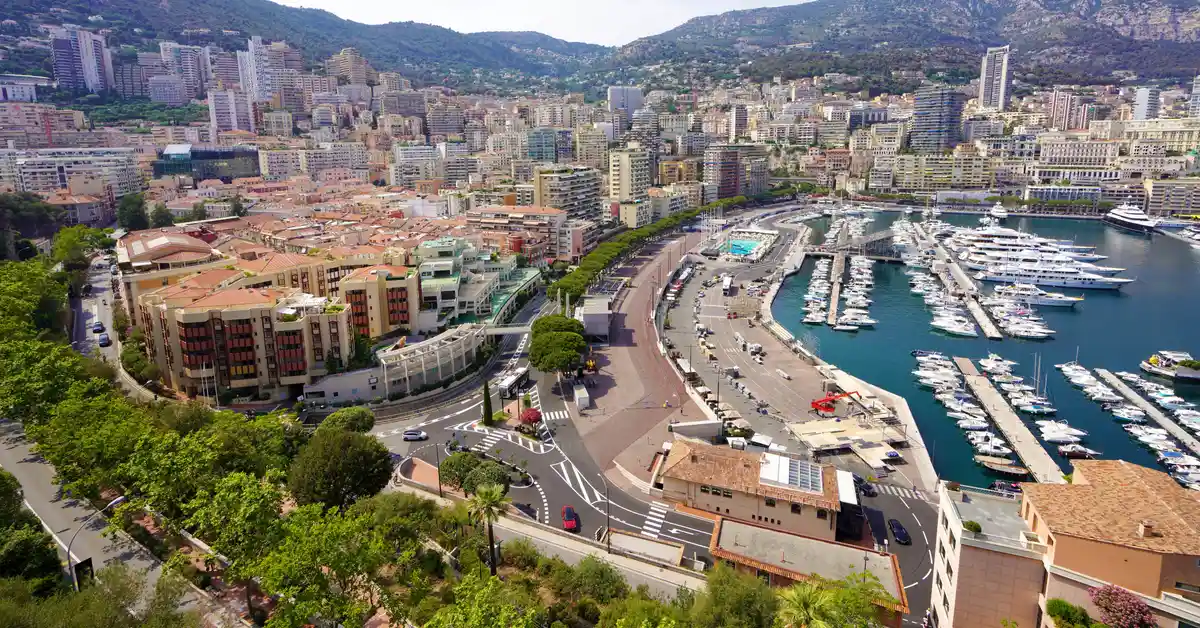
Monaco residency is not achieved through a citizenship-by-investment programme; rather, it is based on the issuance of a residence permit to those who can demonstrate sufficient financial means, possess a legal place of residence, and hold a local bank account. This is a qualitative pathway that requires significant resources and is subject to current regulations.
Contents
The nature of the Monaco residency pathway
Unlike many countries that offer residency or passports in exchange for a fixed investment, Monaco operates on its own logic. This small Mediterranean city-state has no citizenship-by-investment programme and does not publish a mandatory investment threshold in exchange for a residence permit.
Instead, Monaco issues a residence permit (carte de séjour) to foreigners who can demonstrate three core conditions: sufficient financial means to support themselves and their families, a legal place of residence within Monaco, and a clean criminal record. This is a residence-by-means mechanism, not a purchase of residency rights.
Therefore, interested parties should understand from the outset: a Monaco residence permit is a right to live in the country, not an automatic path to citizenship. Naturalisation in Monaco is a separate, rare process that depends on the Sovereign’s decision after many years of continuous residence. This article provides an objective description of the steps, noting that threshold figures may change and that current regulations must be verified.
Considering a residency programme? The Prosperous Living Investment team assesses your profile free of charge and advises on the pathway that fits your goals.
General conditions for obtaining a residence permit
To reside in Monaco legally, adult applicants must meet a set of conditions that are strictly vetted by the authorities. The focus is always on the ability to be financially self-sufficient without becoming a burden on the city-state’s social security system.
The main conditions can be summarised as follows, although each application is reviewed according to individual circumstances:
Note that citizens of countries within the European Economic Area (EEA) and applicants from outside this region may follow slightly different procedures regarding initial entry visas, but the requirements for financial means and residence apply to all.
- Financial means: proof of income, assets, or a deposit sufficient to live stably in one of the most expensive places in the world.
- Residence in Monaco: ownership of property, a long-term lease, or living in the home of a relative/qualified company.
- Local bank account: opening an account and usually being required to maintain a deposit at a Monaco bank.
- Clean criminal record: submission of a certificate of no criminal record from the previous country of residence.
- Health insurance and valid identification: a valid passport and identification documents for accompanying family members.
Three pillars: finance, residence, and banking
The three foundational conditions for a residency application are often described as three interconnected pillars. Without one of these pillars, an application is unlikely to be approved.
The first pillar is finance. Applicants must demonstrate sustainable resources through bank statements, asset statements, employment contracts, or proof of income from a business. The expectation is very high and is not publicly fixed; specific figures may change over time and according to the assessment of the bank and the reviewing authorities.
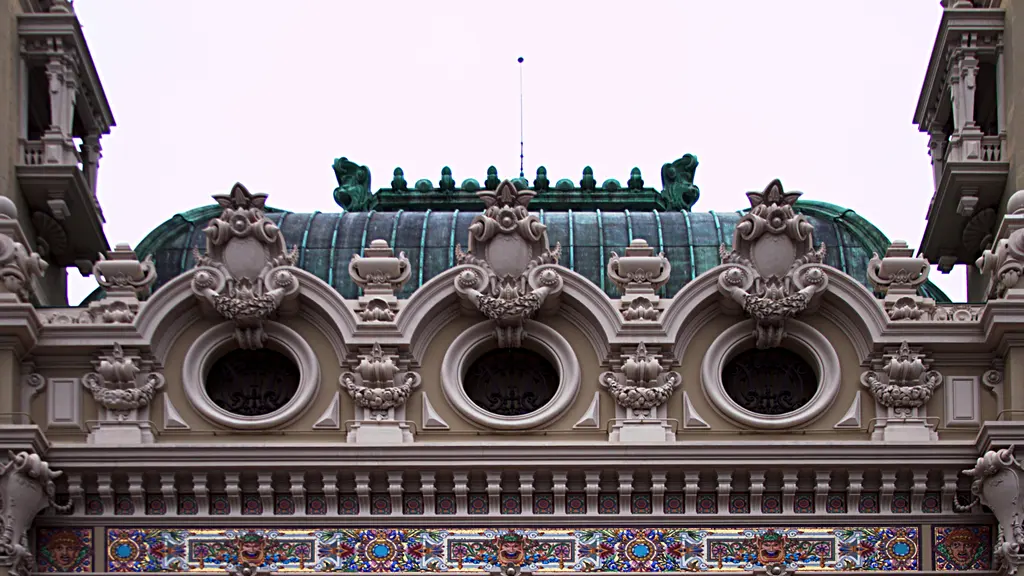
The second pillar is residence. Residents need a legal address within the territory, obtained through the purchase or lease of property. The Monaco housing market is among the most expensive on the planet, so this is usually the largest expense when moving.
The third pillar is the banking relationship. Applicants must open an account at a bank headquartered in Monaco and are usually required to deposit a certain amount as proof of means. The bank will issue a reference letter (lettre de référence bancaire) to be submitted with the application.
All three of the most important figures, including the bank deposit and the cost of renting or buying property, are highly volatile. Interested parties should check directly with banks and the relevant authorities at the time of application, rather than relying on fixed figures circulating online.
Application profile and process
The residency application process is managed by the city-state’s immigration authority. According to information from the government portal Government of the Principality of Monaco, applicants from outside the European Economic Area must usually apply for a long-term visa before submitting a residency application locally.
A typical application file includes the following groups of documents, all of which must usually be translated into French and legalised where necessary:
After submitting the full application, the applicant attends an interview or meeting with the authorities. Processing times vary and depend on the completeness of the application. Once approved, the applicant receives a residence permit with a specific duration and must renew it periodically.
- Identification documents: passport, birth certificate, marriage certificate (if applicable).
- Proof of residence: a deed of sale or a lease agreement in Monaco.
- Proof of financial means: bank reference letter, statements, asset or income statements.
- Criminal record: a certificate of no criminal record from the most recent place of residence.
- Photos, required application forms, and proof of health insurance.
Types of residence permits by duration
Monaco’s residency system is tiered according to the length of time spent in the city-state. New arrivals first receive a short-term permit, then progress to longer-term permits if they maintain the conditions and reside there in practice.
In general, the pathway can be visualised through three main groups of permits, with specific names and durations subject to change according to current regulations:
The key point across all permit types is the requirement for actual residence. Permit holders must truly live in Monaco for a significant portion of the year; merely holding an address on paper without being present may cause difficulties during the renewal process.
- Temporary residence permit (carte de séjour temporaire): for new arrivals, with a short duration, renewable annually in the first few years.
- Ordinary residence permit (carte de séjour ordinaire): issued after several years of continuous residence, with a longer duration.
- Privileged residence permit (carte de séjour privilégié): for those who have resided for many continuous years, with the longest duration in the system.
Long-term permanent residency and citizenship pathways
The path from a temporary permit to long-term resident status is a multi-year process. Residents must continuously renew their status, maintain their residence, keep their banking relationship, and demonstrate actual ties to the city-state.
After a number of years of continuous residence, residents may be eligible to apply for an ordinary residence permit, and then progress to the longest-term permit. Each step requires more time in residence and proof of integration, with French language proficiency being a valued factor.
Naturalisation in Monaco is an entirely different matter. It is not an automatic right after a period of residence, but a privilege decided by the Sovereign, usually considered only after many years of continuous living and in limited numbers each year. Most Monaco residents retain their original nationality and live stably on long-term residence permits.
Because of this selective nature, interested applicants should set realistic goals focused on long-term residence rights rather than expecting a fast track to citizenship. This also distinguishes Monaco from commercial passport programmes elsewhere.
The tax environment and the appeal of Monaco residency
The factor most commonly mentioned when discussing Monaco residency is its distinct tax environment. The city-state does not levy personal income tax on the majority of residents, a long-standing policy tied to Monaco’s economic model.
However, there are important exceptions to note. French nationals residing in Monaco remain subject to tax under the bilateral agreement between the two countries, and many nations apply their own tax rules to citizens living abroad. Therefore, actual tax benefits depend on individual nationality and circumstances.
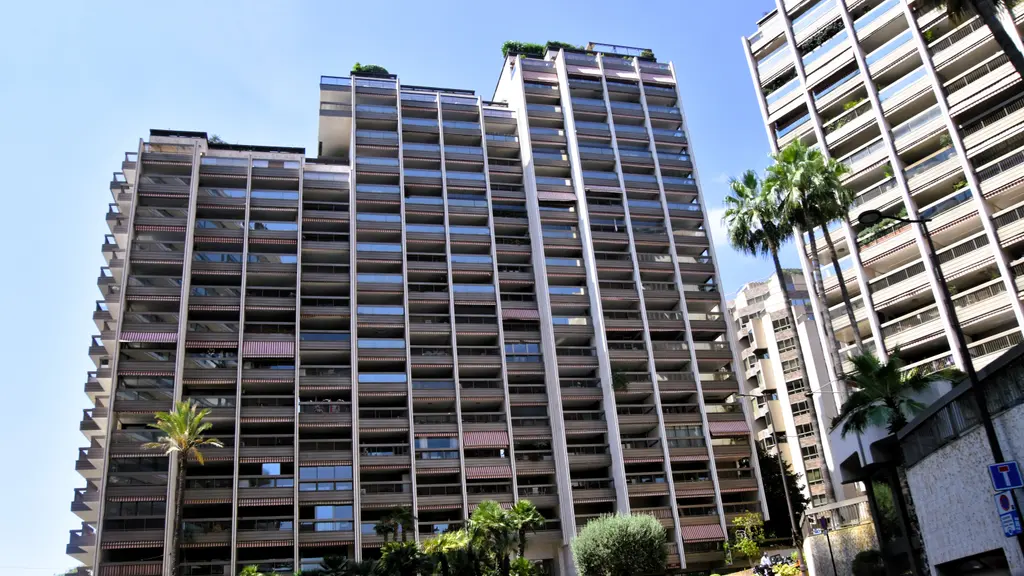
Alongside taxes, the city-state’s appeal stems from high security, its Mediterranean location, premium infrastructure, and a Monaco economy focused on finance, luxury real estate, and high-end tourism. This is why many high-net-worth individuals choose it as their primary residence.
Even so, international tax regulations are tightening financial transparency, so the tax picture may change. Residents should consult tax experts in both Monaco and their home country before making decisions.
National context and institutions
Understanding where you plan to live is an important preparatory step. The country of Monaco is the world’s second-smallest city-state after the Vatican, located on the Mediterranean and surrounded by France on three sides, with one of the highest population densities on the planet.
Regarding the organization of power, Monaco politics operates under a constitutional monarchy, with the Sovereign Prince from the Grimaldi dynasty as head of state. Political stability and special relations with France help build the confidence of international investors and residents.
According to the city-state’s statistical agency, published via Monaco Statistics (IMSEE), the population of Monaco is a multinational community in which Monégasque citizens are a minority. Most residents are foreigners who live and work there.
This context shows that Monaco is accustomed to an international community, but also explains why residency procedures are strictly controlled: limited living space and finite resources compel the city-state to be selective about who receives a card.
Important considerations before deciding
Before pursuing this path, several practical points deserve careful consideration. First is cost: from real estate to living expenses, Monaco is among the most expensive places in the world, making this an option for those with abundant financial resources.
Second is the physical presence requirement. Residence cards require holders to live in Monaco for a significant part of the year, and this is checked upon renewal.
Third is data volatility. Thresholds for bank deposits, rental prices, or property purchases are high and change over time, so all figures should be reconfirmed directly with banks and authorities at the time of submission.
Finally, a clear distinction should be made between residence rights and citizenship. Monaco residency provides stable living conditions and a favourable tax environment, but does not equate to a fast track to citizenship. For those focused on quality of life and long-term stability, this remains a worthwhile option.
Updated financial requirements and residence permits
Monaco does not have an investment-based citizenship programme or a fixed-threshold ‘golden visa’. Instead, the country issues residence cards (carte de séjour) to individuals who demonstrate sufficient financial capacity and hold a place of residence in Monaco.
- Bank deposits: most banks in Monaco require approximately €500,000 or more to issue a reference letter, although the law does not set a hard minimum.
- Place of residence: leasing a property with a contract of at least one year (smaller apartments typically rent from €3,000–€5,000 per month) or purchasing real estate in Monaco.
- Card types: temporary (one year), ordinary (three years), and privileged (10 years, after 10 years of continuous residence).
Monaco does not levy personal income tax on residents, except for French citizens under a separate agreement between the two countries. Application processing times typically take about 2–5 months.
Actual deposit amounts depend on each bank and the applicant’s financial profile. Conditions are subject to change; applicants should confirm directly with banks and Monaco authorities before submitting applications.
Does Monaco have a citizenship by investment programme?
No. Monaco has no citizenship-by-investment programme. The city-state only issues residence cards to those who demonstrate sufficient financial means, have legal accommodation and hold a local bank relationship. Naturalisation is a separate, rare process decided by the Sovereign Prince after many years of residence.
How much money is needed to obtain a Monaco residence card?
Monaco does not publish a fixed investment amount. The main requirement is to demonstrate sustainable financial capacity, have accommodation and a bank deposit. These thresholds are very high and may change, so they should be checked directly with the bank and the relevant authorities at the time of application.
Do Monaco residents have to pay personal income tax?
Most Monaco residents do not pay personal income tax, under the principality's long-standing policy. There are exceptions, however, most notably French citizens under a bilateral agreement. Actual tax liability also depends on nationality and the regulations of each person's home country.
What types of residence cards are there in Monaco?
The system generally comprises a temporary residence card for new arrivals, a permanent residence card after several years of continuous residence, and the longest-term card for those who have lived there for many years. The exact names and durations can vary, and every card type requires actual residence at renewal.
Does a Monaco residence card lead to citizenship?
Not automatically. Long-term residence maintains stable settlement rights, but Monegasque citizenship is a privilege granted at the Sovereign Prince's discretion, considered only after many years of continuous residence and in limited numbers. Most residents keep their original citizenship and live on a residence card.
Accompanying you on your journey in residency investment
The Prosperous Living Investment team advises on pathways, assesses profiles and manages investments transparently for every residency, citizenship and international property objective.
Free profile assessmentWhere life gets prosperous