


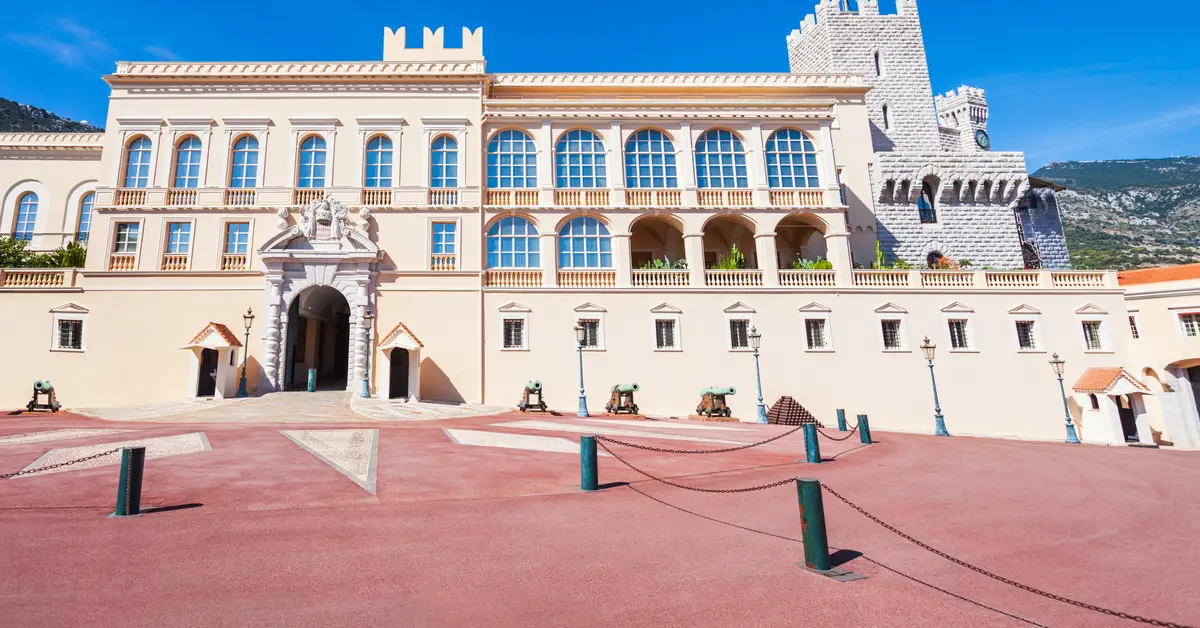
Monaco’s political system operates as a hereditary constitutional monarchy, with the Prince from the Grimaldi dynasty as head of state. Power is shared between the Prince, the Government, and the elected National Council, based on a written Constitution and a long-standing special relationship with France.
Contents
Overview of Monaco’s political institutions
Monaco’s politics operate within the framework of a sovereign state, despite its very small size, located on the Mediterranean coast and surrounded by France on three sides. It is one of the few remaining city-states in the world, with a full state apparatus that is compact and proportionate to its small population.
In form, Monaco is a hereditary constitutional monarchy. This means the position of head of state is inherited within the Grimaldi dynasty, while the power of the head of state is limited and regulated by a written constitution and representative institutions.
Furthermore, the political system here combines long-standing monarchical traditions with modern elements of the rule of law. To understand the context, one can refer to the country of Monaco in general, where political factors are closely tied to the history, economy, and identity of this territory.
Considering a residency programme? The Prosperous Living Investment team assesses your profile free of charge and advises on the pathway that fits your goals.
Constitutional monarchy and the role of the Prince
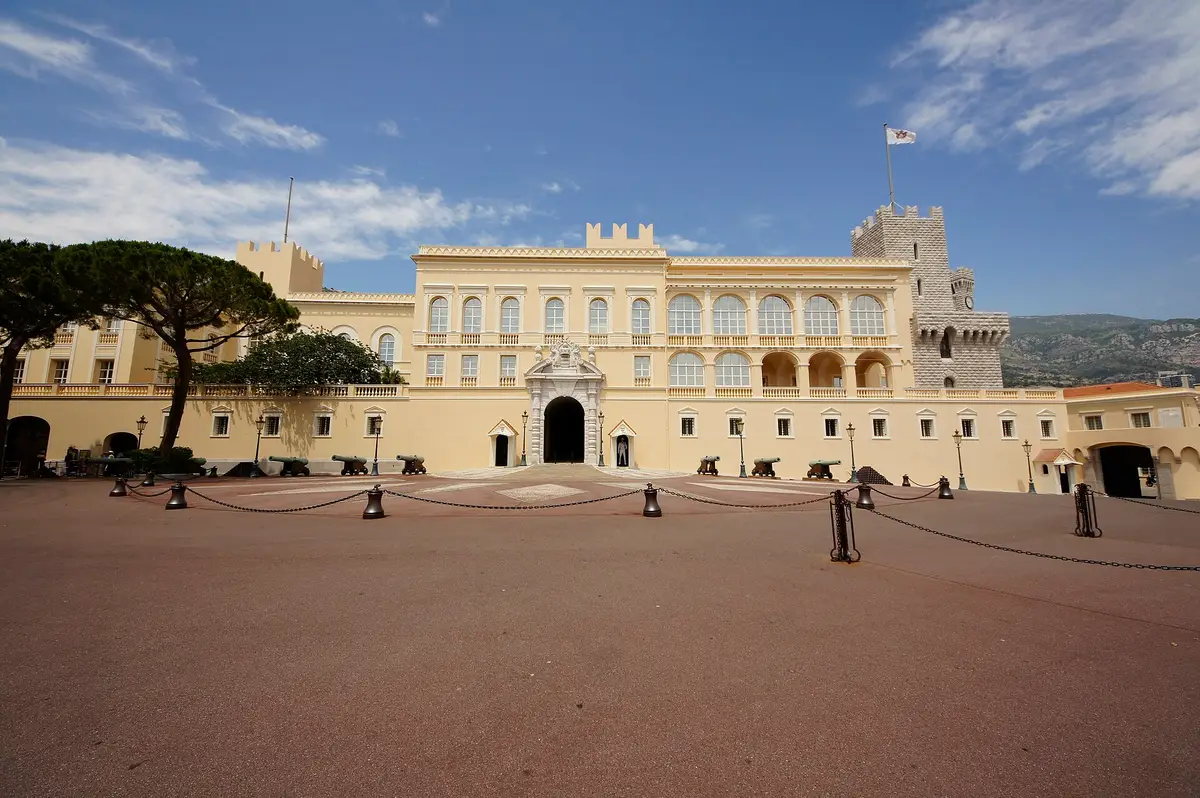
The core of Monaco’s politics is the constitutional monarchy, in which the Prince (Prince Souverain) is the head of state. Under this model, the Prince is both a symbol of the state’s continuity and unity, and holds specific powers defined by the constitution.
The position of Prince is inherited according to the principle of primogeniture within the Grimaldi dynasty, a family that has been associated with this land for centuries. The order of succession and related conditions are set out in the constitution and the principality’s legal documents, ensuring stability and clarity for the transition.
However, unlike the absolute monarchies of the past, the Prince’s power today is exercised within a constitutional framework. Many important decisions require coordination with the Government and must take into account the role of the elected legislative body.
Overall, the Prince is seen as the guarantor of national institutions, representing Monaco in foreign relations and playing a central role in institutional life. This role is permanent, rising above ordinary political fluctuations.
The 1962 Constitution and the 2002 amendment
The fundamental legal framework for modern Monaco politics is the Constitution enacted in 1962. This document replaced the previous constitutional order and established a new balance between the Prince and representative institutions, while recognising the basic rights and freedoms of the people.
The 1962 Constitution affirms that Monaco is a state governed by the rule of law that respects fundamental rights and freedoms. The document defines the powers of the branches of government, and regulates the organisation of the Government, the legislative body, and the relationship between the Prince and these institutions.
In 2002, the Constitution was amended to adjust several important contents, including provisions related to the order of succession to the throne. This amendment reflects an effort to modernise the constitutional framework to suit the principality’s new context.
Thus, Monaco’s constitutional system is a combination of the 1962 foundation and the 2002 adjustments. Detailed information on state organisation is usually published through official government channels, including Monaco Government.
Minister of State and the Government Council
Executive power in Monaco is exercised by the Prince together with the Government. The head of the daily executive apparatus is the Minister of State (Ministre d’État), who holds a role similar to that of a head of government in many other countries.
The Minister of State is appointed by the Prince and is responsible for coordinating the activities of the administrative apparatus. According to the principality’s tradition and institutional practice, this position is linked to the special relationship between Monaco and France, a feature reflecting the long-standing closeness between the two countries.
Supporting the Minister of State is the Government Council (Conseil de Gouvernement), consisting of members in charge of key areas of national life. This Council acts as a cabinet, responsible for implementing policy and managing the state’s administrative affairs.
The areas overseen by the Government Council generally cover essential aspects of the state apparatus, including:
- Interior and security, and territorial administrative management.
- Finance and economy, linked to the principality’s status as a financial centre.
- Social, health, and environmental issues.
- Equipment, urban planning, and infrastructure.
National Council and the legislative body
Monaco’s legislative body is the National Council (Conseil National), an elected institution representing the people. The National Council participates in the law-making process alongside the Prince and the Government, thereby expressing the representative element in the principality’s politics.
Members of the National Council are elected through elections with a term defined by law. The right to vote is reserved for Monaco citizens (Monégasques), reflecting the fact that only a portion of the principality’s residents hold citizenship and the right to vote.
Regarding authority, the National Council has the role of voting on bills and the budget, while monitoring the activities of the executive apparatus within the constitutional framework. The coordination between the legislative body, the Government, and the Prince creates the main axis of the political system.
Information on the organisation, activities, and sessions of this body is published through the official channel of the National Council of Monaco. This is a reference source for monitoring the principality’s legislative activities.
Local government and urban life
Beyond state-level institutions, Monaco has a local government tier that manages matters closely related to the daily lives of its residents. Due to its small territorial scale, the entire principality is essentially linked to a single urban administrative unit.
This body, commonly known as the Communal Council (Conseil Communal), is elected by the people and oversees local affairs. It is headed by the Mayor (Maire), who manages public services and local community life.
The distinction between state and local levels helps clarify responsibilities: national, foreign, and financial matters fall under the central apparatus, while daily civic tasks are delegated to the municipal government.
In a city-state with high population density, the role of local government is particularly important for quality of life. This factor is closely linked to Monaco economy, as urban life and service infrastructure are fundamental parts of the appeal of this place.
Judicial system and the rule of law
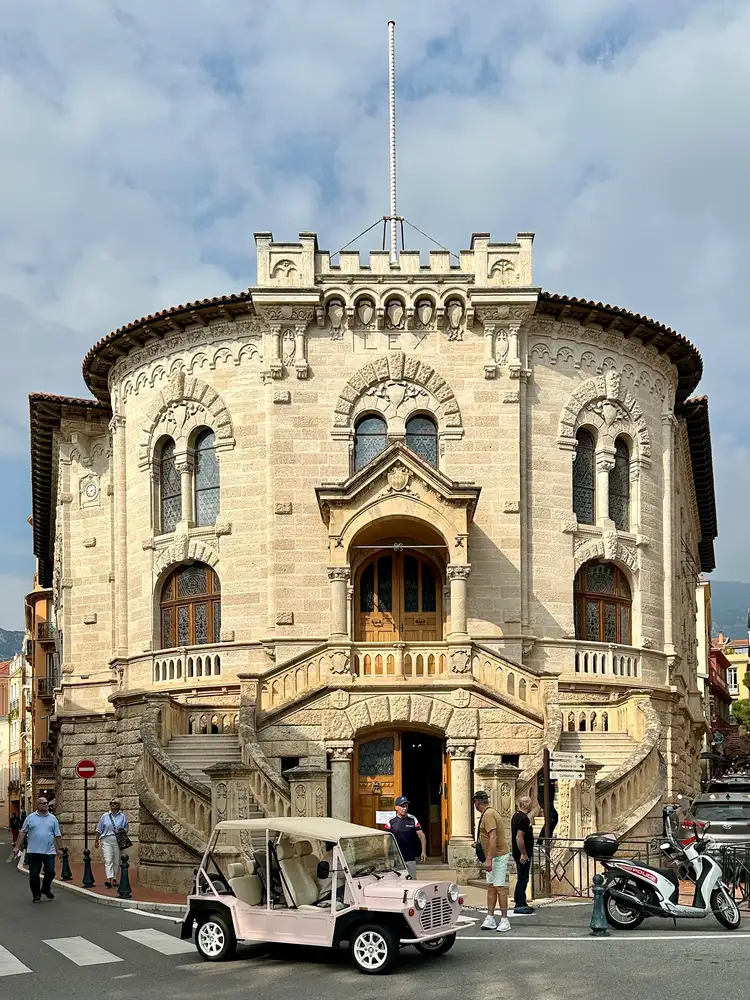
An indispensable element of Monaco’s politics is the judicial system. The Constitution recognises the principle of the rule of law, under which judicial activities are organised into court levels to ensure the rights of residents and resolve disputes.
The principality’s legal system is significantly influenced by the civil law tradition of continental Europe, particularly its proximity to the French legal system. This is reflected in the structure of the codes and the organisation of judicial activities.
Judicial power is exercised in the name of the Prince but is carried out by independent judges, following the principle of the separation of powers. The relative independence of judicial activity is an important guarantee for the legitimacy of the institution.
Thus, the judiciary complements the executive and legislative branches, completing the overall picture of the organisation of state power in Monaco. All three branches operate on the basis of the principality’s common constitution.
Special relationship between Monaco and France
A prominent feature of Monaco’s politics is its special and long-standing relationship with France. Due to its geographical position, surrounded by France on three sides, and a history spanning many centuries, the two countries have established agreements governing many aspects of their bilateral relations.
This relationship is expressed through treaties and agreements in which France and Monaco cooperate in many fields. Some institutional practices, such as the historical association of the Minister of State with a French national, reflect this specific closeness.
Although closely tied to France, Monaco remains a sovereign state with its own state apparatus, legal system, and policies. The balance between sovereign independence and close cooperation is a characteristic feature of the principality’s foreign policy orientation.
The context of this relationship has deep roots in the past. To better understand the turning points that have shaped the current institution, one can learn more about History of Monaco and the important transitional periods of the principality.
Monaco on the international stage and United Nations membership
On the international stage, Monaco is present as a sovereign state with its own foreign policy. The principality participates in many international organisations and has established diplomatic relations with many countries, thereby affirming its independent position.
An important milestone was Monaco becoming a member of the United Nations in 1993. This membership strengthens international recognition of the principality’s sovereignty and expands its ability to participate in multilateral forums.
Besides the United Nations, Monaco also participates in many international institutions and agreements in fields such as the environment, culture, and economic cooperation. This foreign activity reflects the strategy of a small country that wants to maintain its voice and interests.
International status is also linked to the principality’s specific economic and financial policy. Relevant data and statistical reports are published through official agencies, including Monaco Statistics (IMSEE).
Characteristics and stability of Monaco’s political system
In general, Monaco’s politics are considered relatively stable thanks to the combination of a long-standing monarchical tradition and a modern constitutional framework. The continuity of the Grimaldi dynasty acts as a symbolic and institutional stabilising factor.
The small scale of the state allows the administrative apparatus to operate efficiently while creating conditions for cohesion between institutions. However, this characteristic also poses unique challenges, such as balancing the interests of Monégasque citizens and the large international resident community.
The coordination between the Prince, the Government, and the National Council creates a mechanism in which institutions complement each other. This model reflects an effort to reconcile the hereditary nature of the monarchy with the representative requirements of a modern society.
In summary, the principality’s political system is the result of a long evolutionary process, shaped by geography, history, and foreign relations. It is a specific institutional model, linked to the unique identity of this tiny city-state on the Mediterranean coast.
Accompanying you on your journey in residency investment
The Prosperous Living Investment team advises on pathways, assesses profiles and manages investments transparently for every residency, citizenship and international property objective.
Free profile assessmentWhere life gets prosperous