

The country of Switzerland

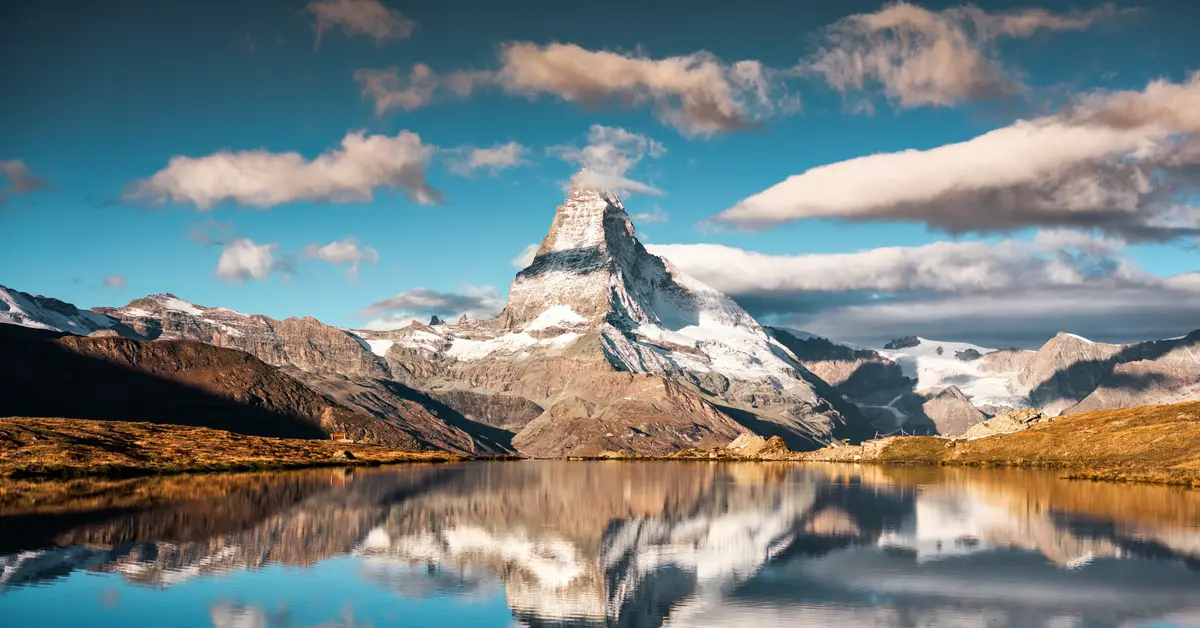
Switzerland is a landlocked country in Central Europe, famous for its majestic Alps, long-standing tradition of neutrality and one of the highest living standards in the world. It is a federal state consisting of 26 cantons with its capital in Bern, featuring four national languages and a distinctive direct democracy.
Contents
Overview of the country of Switzerland
Switzerland is a landlocked country located in the heart of Europe, bordered by several neighbours. Its official name is often abbreviated as CH, stemming from the Latin name “Confoederatio Helvetica”, reflecting its historical origin as a confederation of autonomous communities. The country has a relatively small area but diverse terrain and a strategic location between Western and Southern Europe.
What makes Switzerland widely known is not only its mountain scenery, but also the rare combination of political stability, economic prosperity and high quality of life. Switzerland regularly features at the top of global rankings for competitiveness, innovation and human development.
According to the federal government portal Swiss Federal Government, this is a federal state with a high degree of decentralization for the cantons. This model helps regions retain their own identity while operating as a unified nation, a characteristic running through many aspects discussed in this article.
Considering a residency programme? The Prosperous Living Investment team assesses your profile free of charge and advises on the pathway that fits your goals.
Key figures about the country of Switzerland
Below are some basic indicators of the country of Switzerland, compiled from sources such as the World Bank, the United Nations Development Programme (UNDP) and the national statistical office. Economic and population data are updated periodically and may change from year to year.
- Capital: Bern
- Floor area: approximately 41,285 km²
- Population: approximately 9 million people
- GDP per capita: approximately US$104,000 (2024)
- Human Development Index (HDI): 0.970 in 2023 (among the highest in the world)
- Currency: Swiss franc (CHF)
The figures above are for reference at the time of compilation. For official purposes or decision-making, the latest data should be verified with the aforementioned bodies, as GDP, population, and development rankings are subject to annual adjustments.
Location, geography and landscape
Detailed article on the Swiss geography
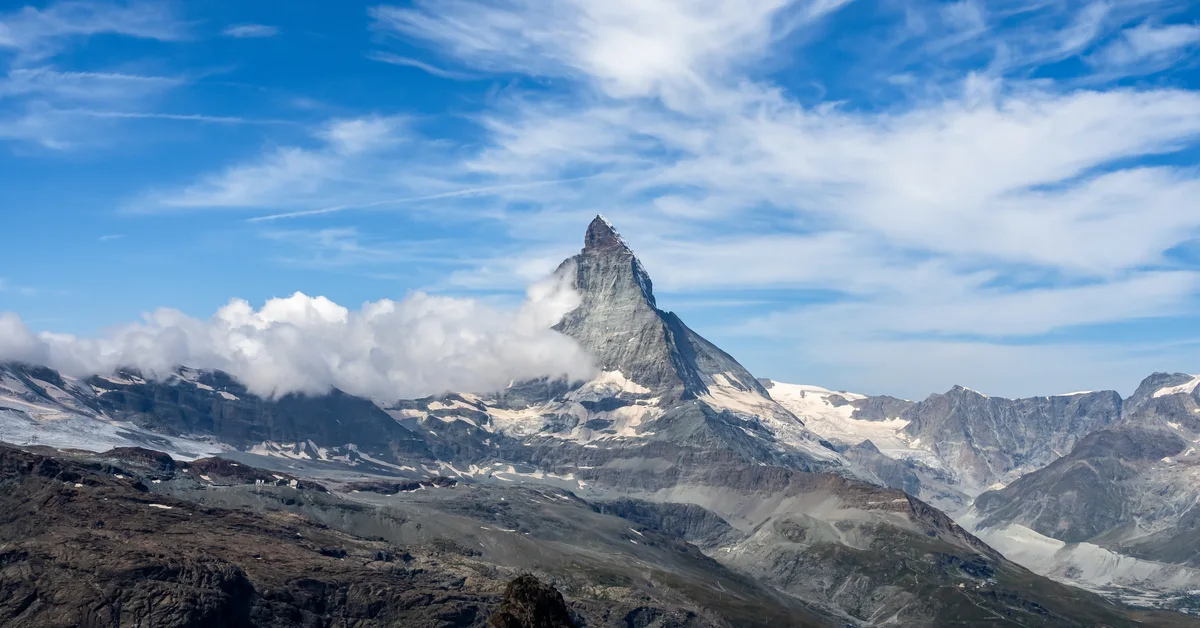
In terms of location, Switzerland is nestled in Central Europe, bordered by Germany to the north, France to the west, Italy to the south, and Austria and Liechtenstein to the east. This crossroads location helps explain why the country has many different language and cultural regions within the same borders.
Terrain is a factor that strongly shapes life here. The territory is generally divided into three major regions: the Alps in the south and centre, the densely populated Swiss Plateau (Mittelland) in the middle, and the Jura Mountains in the northwest. The Alps occupy most of the area and are a symbol associated with the national image.
Switzerland possesses many high peaks, glaciers and famous lakes. Some mountains such as the Matterhorn and the Dufourspitze massif are frequently mentioned, alongside large lakes such as Lake Geneva and Lake Zurich. This is also the source of major European rivers, including the Rhine and the Rhône.
Abundant water resources provide a major advantage in hydropower, an important energy source for the country. The climate varies significantly with altitude, from the mild plains to peaks covered in snow year-round. To understand more deeply about the terrain regions, rivers, lakes and climate, you can refer to the in-depth article on Swiss geography.
History of the formation of the country of Switzerland
Detailed article on the Swiss history
The roots of the nation are tied to the ancient Helvetii tribes and the period of Roman rule. The name “Helvetica” in the modern official state name is a trace of that ancient era. Over the centuries, this land gradually forged its own identity among the major powers in Europe.
An important milestone often cited is the formation of the Old Swiss Confederacy in the late 13th century, when the first communities allied with each other through treaties. This confederation expanded over time and gradually asserted its autonomy from the Holy Roman Empire, with the recognition of independence recorded in the Peace of Westphalia in 1648.
Entering the modern era, the Federal Constitution of 1848 laid the foundation for the Switzerland of today, replacing the previous loose confederal model with a tighter federal structure. The tradition of neutrality, formed through various phases, has helped the country stay out of two world wars.
In the post-war period, Switzerland focused on economic development and consolidating its international standing, while maintaining a cautious attitude towards major political alliances. A notable milestone was joining the United Nations in 2002. The entire process from ancient times to the modern era is presented in detail in the history of Switzerland.
The prosperous economy of the country of Switzerland
Detailed article on the the Swiss economy
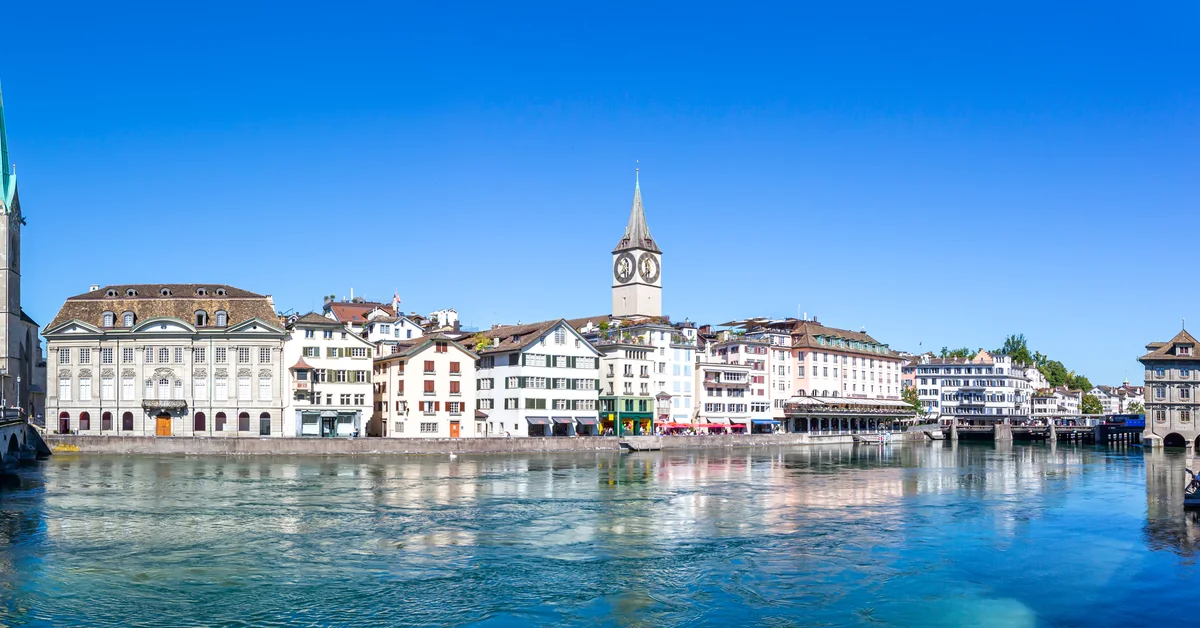
Switzerland is considered one of the world’s most prosperous and competitive economies. Despite possessing few mineral resources, the country has built its competitive advantage on knowledge, technology, and product quality. According to national profile data from World Bank, this is a high-income economy with leading levels of labour productivity.
Traditional strengths include banking and financial services, pharmaceuticals and chemicals, precision machinery, and globally renowned luxury watches. Numerous major multinational corporations base their headquarters or research centres here, capitalising on the stable business environment and highly skilled workforce.
The Swiss franc (CHF) is regarded as one of the world’s most stable currencies, frequently sought after by investors as a safe haven during turbulent periods. This currency stability reflects prudent fiscal foundations and the long-standing reputation of its financial system.
Innovation is the core driver sustaining Switzerland’s competitive edge. The country consistently ranks among the top performers in global innovation and research rankings. Topics such as industry structure, trade, and competitiveness are analysed in greater detail in the article on the Swiss economy.
Politics and the direct democracy model
Detailed article on the Swiss politics
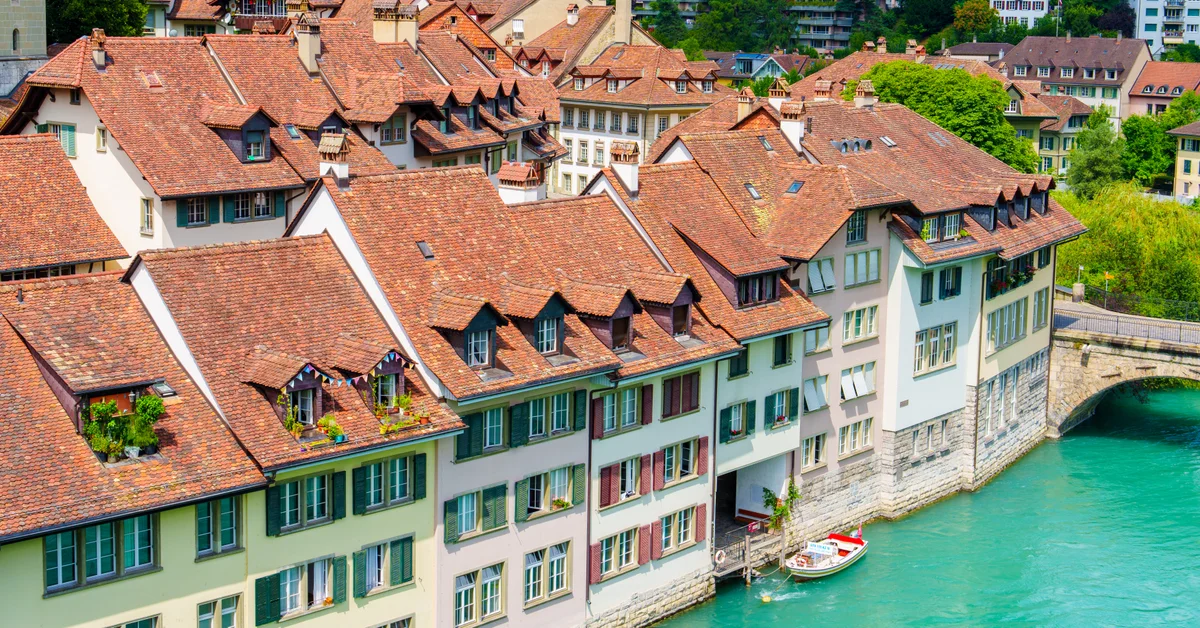
Institutionally, Switzerland is a federal state comprising 26 cantons with a high degree of autonomy. Each canton has its own constitution, parliament, and government, while sharing certain powers with the federal authority. This structure creates a distinctive balance between national unity and regional diversity.
The most notable feature of the political system is direct democracy. Citizens can participate in decision-making on various matters through referendums and popular initiatives, rather than delegating authority entirely to elected representatives. This mechanism gives the public a regular voice in major policy decisions.
The executive branch is the seven-member Federal Council, operating on a collegial basis. The presidency rotates annually among the members and is largely ceremonial rather than a concentration of power. The parliament follows a bicameral model, consisting of the National Council and the Council of States.
The tradition of neutrality remains a cornerstone of Swiss political life and foreign affairs. The structure of governance, the role of the cantons, and decision-making processes are covered in detail in the article on Swiss politics.
Population and demographics
Detailed article on the Swiss demographics
The population of Switzerland stands at around eight to nine million people, with a relatively high proportion of foreign residents compared to many other European nations. This reflects the appeal of an advanced economy and a stable living environment to international workers and families.
Population distribution is closely tied to language regions. The majority speak German, followed by French, then Italian, with a small minority speaking Romansh. This diversity does not cause division; rather, it forms part of the national identity, institutionalised through multilingual policies.
Urbanisation is concentrated around major cities such as Zurich, Geneva, Basel, and the federal capital Bern. These are key economic, financial, and administrative hubs, drawing the bulk of the urban population and highly skilled professionals.
In terms of religion, Christianity (including Roman Catholicism and Protestantism) accounts for the largest share, while the non-religious segment is on the rise. The population shows signs of ageing, alongside high life expectancy and living standards. These trends are analysed in detail in the article on Swiss demographics.
Diverse culture and distinct identity
Detailed article on the Swiss culture
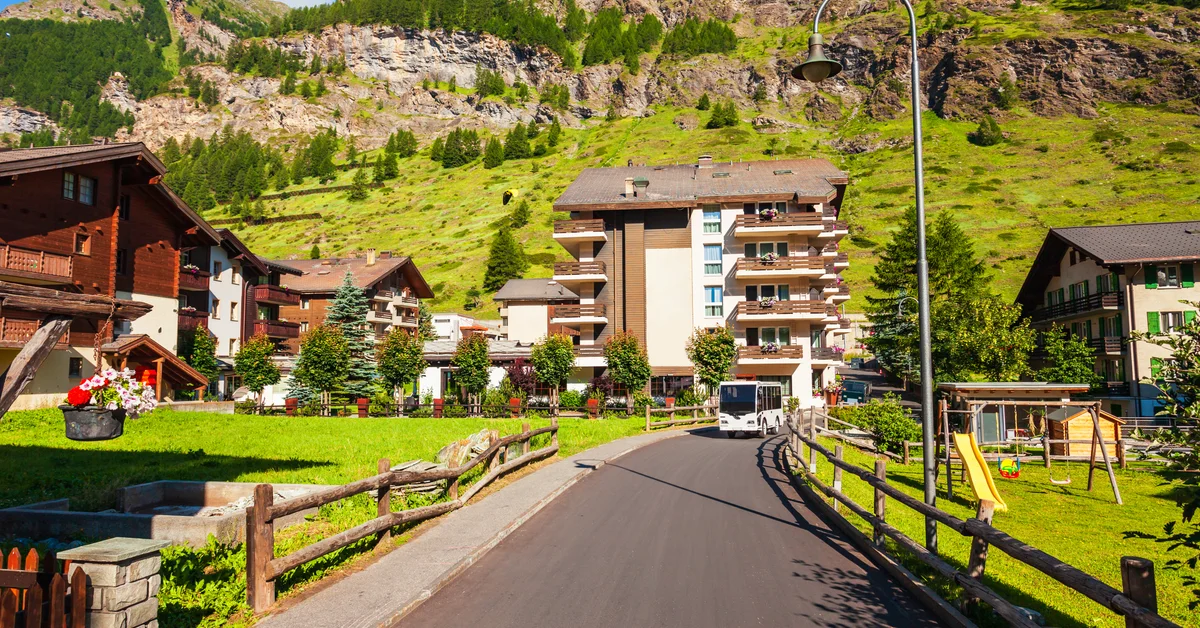
Swiss culture is a blend of diverse influences, closely linked to four national languages and distinct cultural regions. A resident of the French-speaking region may have different daily customs from those in German- or Italian-speaking areas, yet all share common values of order, quality, and respect for tradition.
The Alpine region is the cradle of distinctive folk traditions, from the alphorn and yodelling to seasonal festivals. These traditions are preserved and celebrated today, remaining a major draw for international visitors.
Cuisine is also a vital component of the nation’s identity, featuring famous specialities such as cheese fondue, raclette, and especially Swiss chocolate, celebrated worldwide. Furthermore, watchmaking and fine artisanal crafts exemplify the cultural dedication to precision and quality.
Switzerland is also renowned for its humanitarian tradition, marked by the founding of the International Committee of the Red Cross in Geneva. The architectural heritage of its historic old towns is meticulously preserved. A comprehensive overview of cultural life, festivals, and culinary traditions is explored in the article on Swiss culture.
High-quality education and vocational training
Detailed article on the Swiss education
The education system is one of the country’s greatest points of pride. Its defining feature is significant decentralisation, granting cantons autonomy over schools to ensure flexibility while maintaining consistent quality nationwide.
A widely acclaimed strength is the dual vocational education system, combining classroom theory with practical training at companies. This model equips young people with robust practical skills and keeps youth unemployment consistently low.
At the higher education level, Switzerland is home to world-leading research institutions and institutes of technology such as ETH Zürich and EPFL, alongside prestigious universities in Zurich, Geneva, and other cities. These institutions attract students and researchers from across the globe.
Alongside the state system, the country is renowned for prestigious private boarding schools and a multilingual learning environment. The structure of academic levels, the vocational training system, and the university network are detailed in the article on Swiss education.
Quality of life and international standing
Detailed article on the Swiss residency
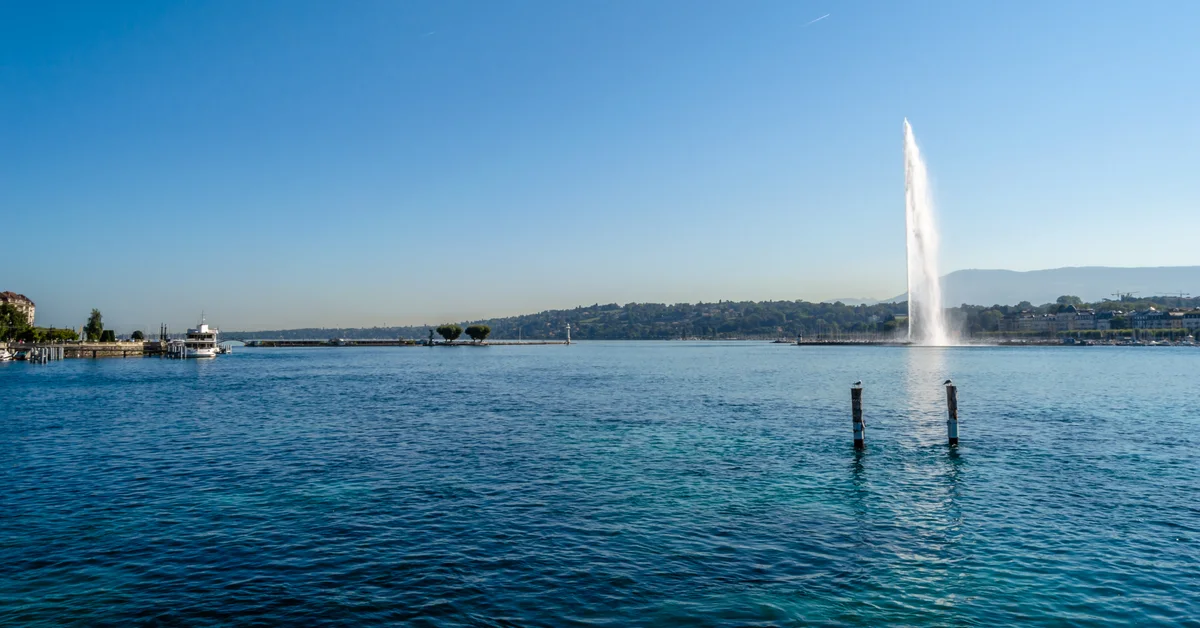
Quality of life is often the first aspect highlighted when discussing Switzerland. Cities such as Zurich, Geneva, and Bern consistently feature in global rankings of the world’s most liveable cities, thanks to modern infrastructure, high-quality healthcare, and exceptional safety.
An efficient, punctual, and extensive public transport system exemplifies the discipline and organisation of Swiss society. The rail network connects major cities to alpine mountain towns, ensuring seamless travel even across rugged terrain.
Internationally, Geneva hosts numerous major international organisations, reinforcing Switzerland’s role as a global diplomatic and humanitarian hub. Its neutral status enables the country to serve as a mediator in international affairs.
The combination of natural beauty, economic strength, and social stability makes Switzerland an attractive destination for living, studying, and investing. For those considering long-term residence options, the article on Swiss residency provides objective guidance on the qualifying criteria.
Accompanying you on your journey in residency investment
The Prosperous Living Investment team advises on pathways, assesses profiles and manages investments transparently for every residency, citizenship and international property objective.
Free profile assessmentWhere life gets prosperous