

Switzerland's Economy

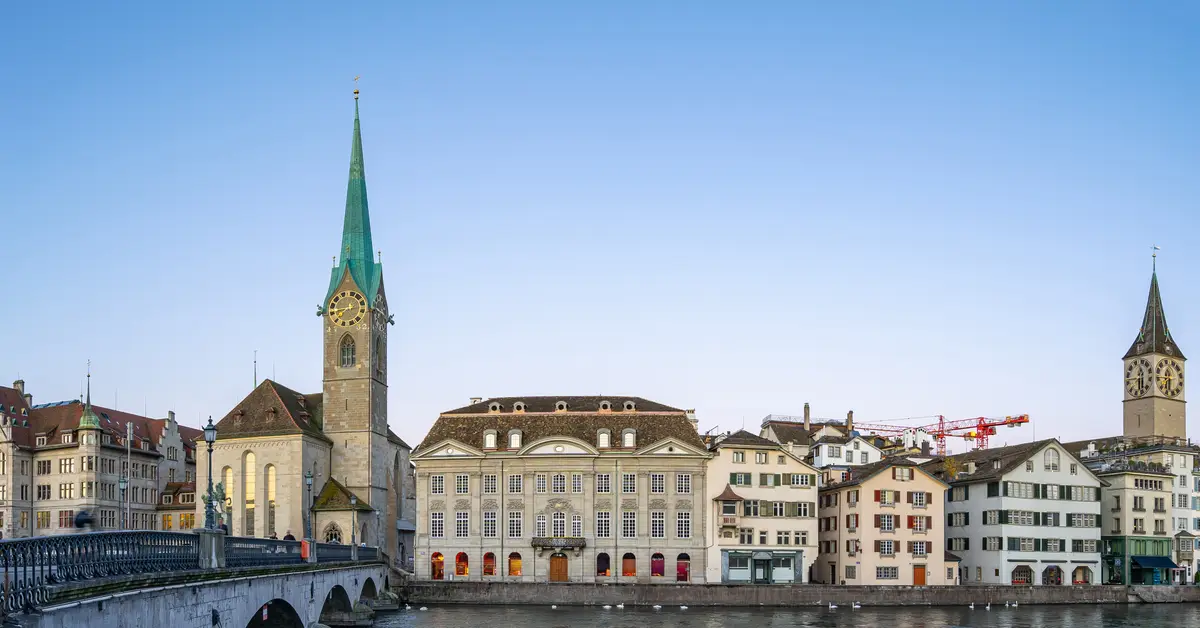
Switzerland’s economy is often cited as one of the most prosperous, stable, and competitive economies in the world. This small landlocked nation in Central Europe, with its capital Bern (Berne), has built its wealth based on finance, pharmaceuticals, precision machinery, and luxury watches.
Contents
Overview of Switzerland’s Economy
When speaking of Switzerland’s economy, people often envision prosperity, stability, and living standards among the highest on the planet. This is a highly developed, free-market-oriented economy, with the service sector accounting for a large share and high value-added manufacturing industries. Despite its relatively small population, this nation consistently ranks among world leaders in per capita income.
A prominent feature is that Switzerland has almost no abundant natural resources. Instead, prosperity is forged from human capital, knowledge, skilled craftsmanship, and innovation capacity. This country imports raw materials, processes them into sophisticated, high-value products, and then exports them globally.
Additionally, its central European location and long-standing tradition of neutrality have made Switzerland a trusted destination for international capital flows. The World Bank (World Bank) classifies Switzerland among high-income economies, with a human development index among the world’s leading ones.
To understand the geographical foundation governing the economic structure, one can refer further to the article about Swiss geography, because landlocked and mountainous characteristics have strongly shaped how this nation organizes production and trade.
Considering a residency programme? The Prosperous Living Investment team assesses your profile free of charge and advises on the pathway that fits your goals.
Banking and Financial Services
Banking and financial services have long been symbols of Switzerland’s economy. The financial center of Zurich, along with Geneva and Lugano, is home to many leading banks, asset management companies, and insurers. This country is famous for cross-border asset management activities, attracting a significant share of managed personal wealth globally.
A tradition of banking secrecy, political stability, and a strong currency have built a distinctive reputation for the financial system here. In recent years, however, banking secrecy has receded under automatic exchange of tax information agreements between Switzerland and numerous countries to enhance transparency and combat tax evasion.
Alongside private banking and wealth management, the insurance and reinsurance sector also plays a vital role. Many major insurance groups are headquartered in Zurich, establishing the city as a leading insurance centre. Overall, the financial sector contributes a substantial share of gross domestic product and generates high-calibre employment.
The Swiss National Bank is the monetary authority, renowned for its prudent approach to maintaining price stability and protecting the value of the national currency. The International Monetary Fund (International Monetary Fund) regularly notes that the Swiss financial system demonstrates strong resilience to external shocks.
Pharmaceuticals and Chemicals
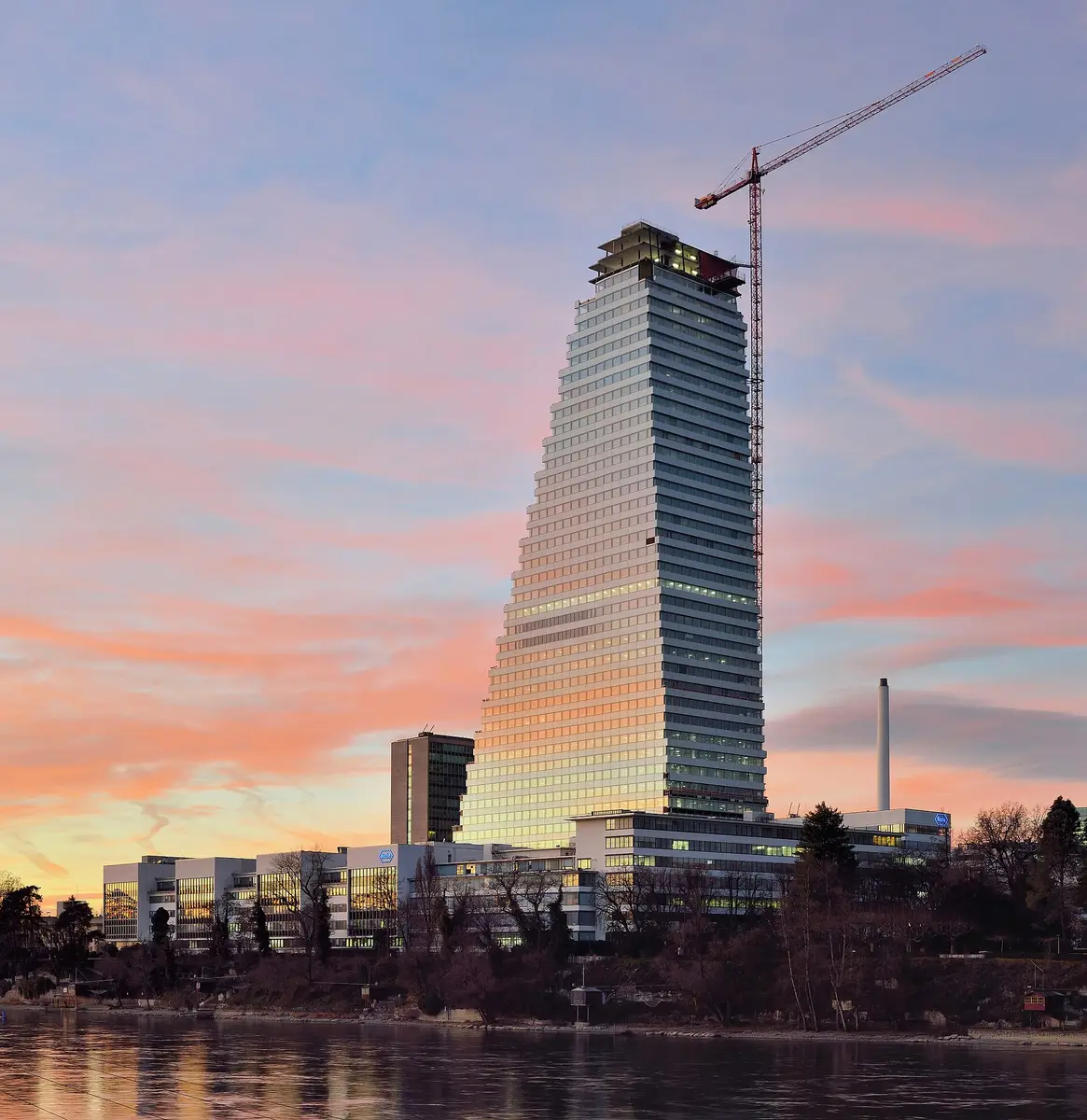
While finance serves as the public face of services, pharmaceuticals and chemicals form the industrial export backbone of the Swiss economy. The Basel region in the north-west is regarded as a world-class hub for pharmaceuticals and life sciences, hosting the headquarters of global pharmaceutical giants.
Pharmaceutical products, active biological ingredients, vaccines, and specialty chemicals rank among the country’s highest-value export categories. Because this sector demands substantial investment in research and development, it is closely linked to the domestic ecosystem of science, universities, and high-calibre research institutes.
Alongside human healthcare pharmaceuticals, Switzerland is also strong in agrochemicals, flavours, fragrances, and specialised industrial compounds. Many companies in these fields lead global niche markets where quality and precision matter far more than production volume.
The strength of the pharmaceutical and chemical sectors directly reflects the calibre of a thoroughly trained workforce. The link between industry and education can be explored further in the article on Swiss education, particularly the role of institutes of technology and research universities.
Precision Machinery and Manufacturing
The machinery, electrical equipment, and metals industry remains a traditional yet vital sector. Switzerland is renowned for precision machinery, measuring instruments, medical devices, machine tools, and high-precision mechanical products — fields that demand exquisite craftsmanship and rigorous manufacturing discipline.
The manufacturing philosophy here focuses on quality and reliability rather than competing on price. Many small and medium-sized enterprises in precision engineering serve as specialist suppliers, maintaining leadership in narrow niches that generate substantial added value in international markets.
In addition, Swiss medical devices and surgical instruments are highly regarded for their sophistication. The manufacturing sector is closely integrated with the dual vocational training system, where young people combine classroom theory with workplace practice, producing a highly skilled and practical workforce.
Luxury Watches and Fine Craftsmanship
Few symbols are as closely linked to Switzerland as watchmaking. The designation “Swiss Made” on a watch dial has become a hallmark of quality, precision, and prestige. The watchmaking industry is concentrated primarily in the French-speaking region along the Jura Mountains, sustained by a craft tradition spanning generations.
Luxury watches are among the nation’s most iconic exports, contributing significantly to trade revenue and national brand value. Most of this value lies in the premium and luxury segments, where each timepiece unites intricate mechanical engineering with fine craftsmanship.
The industry also clearly illustrates the Swiss economic model: importing minimal raw materials, adding value through expertise and craftsmanship, and exporting finished goods at high profit margins. The watchmaking tradition has also fostered a supply ecosystem of micromechanical components that serves numerous other industries.
Alongside horology, fine craftsmanship, chocolate, and premium food products also contribute to the quality reputation of Swiss goods. These values are closely tied to the identity and heritage explored in the article on Switzerland.
The Swiss Franc and Monetary Policy
The Swiss franc, denoted as CHF, is one of the most stable and trusted currencies in the world. During periods of global turmoil, the Swiss franc is often treated by investors as a “safe haven”, driving up demand for the currency.
The stability of the CHF stems from fiscal discipline, sustained low inflation, controlled public debt, and the credibility of the Swiss National Bank. The central bank pursues price stability, occasionally intervening in foreign exchange markets to curb excessive appreciation that could harm exports.
A strong currency is both an advantage and a challenge. It lowers the cost of importing raw materials and energy while reflecting overall economic strength. However, an overly strong franc can make exports more expensive, compelling businesses to innovate continuously and elevate quality to remain competitive.
In domestic transactions, prices are typically stated as a figure accompanied by the code CHF (Swiss franc). Maintaining a resilient currency over decades reflects consistent macroeconomic management.
Innovation and Labour Productivity
A core driver of the Swiss economy is its capacity for innovation. The country consistently ranks at the top of global innovation indices, driven by substantial investment in research and development, a dynamic patent system, and close collaboration between business and academia.
High labour productivity is another defining feature. Swiss workers generate high value per hour worked, supported by advanced skill levels, a disciplined workplace culture, and modern infrastructure. This allows the country to maintain high wages while preserving competitiveness.
The dual vocational training system plays a key role, consistently providing a skilled, job-ready workforce. Alongside this, leading institutes of technology translate academic knowledge into industrial applications, fostering waves of technology start-ups.
Furthermore, a stable regulatory environment, efficient administrative procedures, and strong respect for intellectual property rights foster long-term investment. The spirit of innovation permeates from major conglomerates down to thousands of small and medium-sized enterprises nationwide.
Multinational Corporations and Trade
Switzerland hosts the headquarters of numerous major multinationals across food, pharmaceuticals, finance, consumer goods, and commodity trading. A favourable business climate, competitive cantonal tax regimes, and political stability have attracted many regional and global headquarters.
A lesser-known yet crucial role is international commodity trading. Geneva and Zug rank among the world’s leading hubs for trading raw materials such as crude oil, grains, and metals, hosting operational headquarters for many major trading houses.
International trade is the lifeblood of this open economy. Switzerland maintains close economic ties with the European Union, its largest partner, while continually expanding its network of free trade agreements with nations and regions across the world.
The presence of multinational corporations brings foreign direct investment, high-quality employment, and technology transfer. Together with a robust small and medium-sized enterprise sector, this forms the foundation of the economy’s enduring resilience.
- Food and beverages: global consumer goods corporations.
- Pharmaceuticals and life sciences: centred in the Basel region.
- Finance and insurance: concentrated around Zurich and Geneva.
- Commodity trading: Geneva and Zug as international hubs.
Labour Market and Living Standards
The Swiss labour market is noted for low unemployment, high wages, and relative flexibility. A significant portion of the workforce comprises foreign nationals, reflecting the strong demand for highly skilled talent generated by the economy. Cross-border commuters from neighbouring countries also make a substantial contribution.
Living standards here are among the highest in the world, accompanied by very high costs of living and property prices. A robust social security system, modern public transport infrastructure, and high-quality healthcare services are factors that support the quality of life.
The work culture prioritises precision, punctuality, reliability, and quality of work, which are deeply ingrained in the daily lives of the people. These values are not merely social characteristics but a genuine economic competitive advantage, helping to maintain the reputation of the national brand.
Challenges and Economic Outlook for Switzerland
Despite its prosperity, the Swiss economy still faces many challenges. As an open economy heavily dependent on exports, the country is sensitive to global economic fluctuations, particularly the health of the European market and its major trading partners.
A strong franc, while a symbol of stability, can put pressure on the competitiveness of exports and the tourism industry. Economic relations with the European Union are also a complex subject, requiring continuous negotiation to maintain access to the single market.
Furthermore, there are long-term issues such as an ageing population, pressure on the pension system, high costs of living, and the need to transition to a more environmentally sustainable economy. Maintaining a supply of high-skilled labour in the context of international competition is also a significant challenge.
However, with a solid foundation of innovation, stable institutions, and an adaptability proven over many decades, the long-term outlook for this economy is generally viewed positively. Those interested in the residency aspect can refer to the article on Swiss residency to understand the relevant legal environment.
Accompanying you on your journey in residency investment
The Prosperous Living Investment team advises on pathways, assesses profiles and manages investments transparently for every residency, citizenship and international property objective.
Free profile assessmentWhere life gets prosperous