
Education in Switzerland

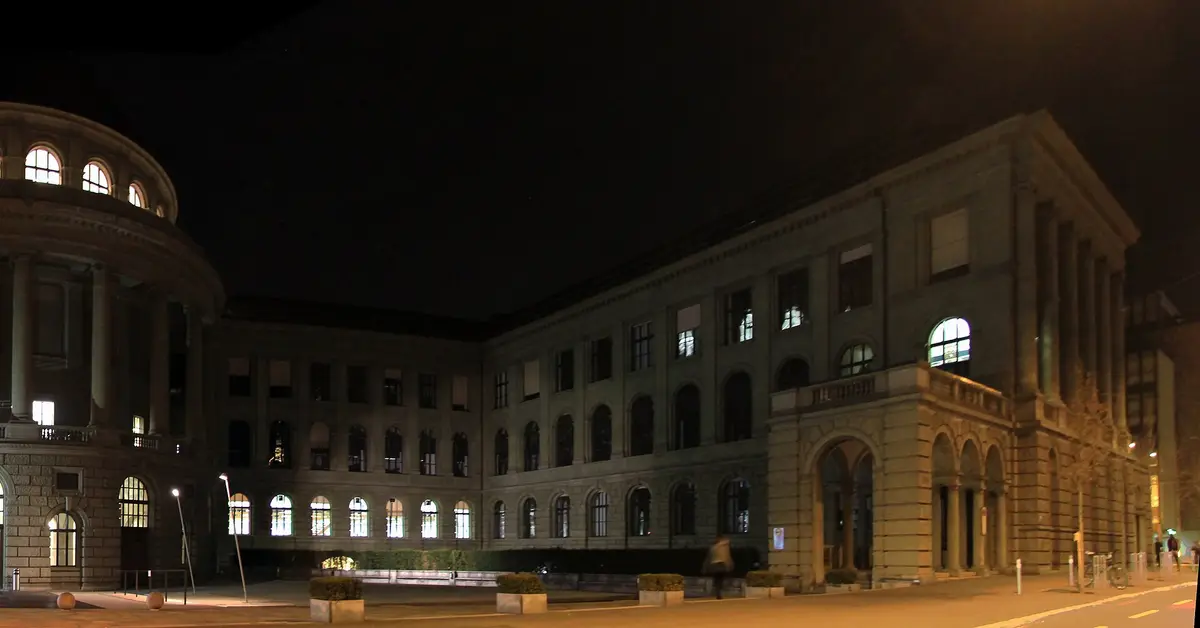
Education in Switzerland is among the highest quality and most uniquely structured in the world, with management devolved to individual cantons, a dual vocational training system combining learning with working, renowned universities and institutes of technology, and a countrywide tradition of multilingual instruction.
Contents
Overview of the Swiss education system
Swiss education is frequently cited as one of the most effective and reliable systems in Europe. The country does not have a single centralised ministry of education managing everything, but shares responsibility between the federal government, cantons, and local communities. This organisation reflects the federal spirit deeply rooted in Swiss politics and social life here.
What attracts attention is the balance between two pathways: academic and vocational. A student can pursue a university track or enter vocational training whilst maintaining opportunities for higher education later on. As a result, the system does not create rigid stratification, but opens multiple paths tailored to different capabilities.
In addition, teaching quality and investment in education are high. According to assessments by the Organisation for Economic Co-operation and Development (OECD), the proportion of young people completing secondary education and entering the labour market in Switzerland is among the highest. Specific figures may vary by statistical period, but the general trend remains stable.
Considering a residency programme? The Prosperous Living Investment team assesses your profile free of charge and advises on the pathway that fits your goals.
Cantonal decentralisation in Swiss education
The most prominent feature of Swiss education is its deep decentralisation. Under the Federal Constitution, education falls primarily under cantonal authority. Each of the 26 cantons decides most matters regarding compulsory schooling, from curricula and academic calendars to teacher training and recruitment.
The federal government plays only a coordinating role in areas requiring national uniformity, such as vocational training, federal institutes of technology, and certain framework standards. The government portal at admin.ch describes this model as multi-level coordination, where power is shared rather than centralised.
Because of these characteristics, students in German-, French-, or Italian-speaking cantons may experience slightly different curricula. However, to avoid significant disparities, cantons collaborate through intercantonal agreements to harmonise entry ages, school duration, and basic learning objectives.
Furthermore, decentralisation helps education align closely with local needs. An industrial canton can focus on technical fields, whereas a service- or tourism-oriented canton invests in relevant sectors. This flexible approach is closely linked to the structure of the Swiss economy.
Education levels and compulsory education
The educational journey in Switzerland typically begins at preschool, before moving to compulsory education spanning several years, including primary and lower secondary school. Most cantons require children to attend school from around 4 to 5 years of age, and compulsory education usually lasts until around age 15.
Primary education focuses on foundational skills such as reading, writing, and mathematics, alongside introduction to a second national language. Because Switzerland has multiple official languages, students are often taught an additional national language alongside their mother tongue from an early age.
At lower secondary level, students begin to be guided according to their abilities and interests. In many cantons, pupils are placed into different streams or sets based on academic performance, laying the groundwork for a crucial decision at the end of lower secondary school: whether to pursue an academic path or move into vocational training.
State schools form the backbone of the system and are generally tuition-free during compulsory education. This ensures relative equity in access to education, although specific quality across cantons and regions still varies to some extent.
Famous dual vocational training (dual VET)
If there is one aspect of Swiss education admired worldwide, it is the dual vocational training system, commonly known as dual VET (vocational education and training). After completing compulsory education, a large proportion of Swiss young people choose this path over purely academic studies.
The dual model means learners combine practical work at a company with theoretical study at a vocational school. During the week, apprentices spend most of their time at a firm earning a stipend, spending the remaining days in the classroom studying vocational theory and core subjects.
Close integration between schools and businesses ensures that trained skills closely match labor market demands. Industry associations help set standards, while companies view taking on apprentices as a way to train their future workforce. This is one of the reasons Swiss youth unemployment remains consistently low.
Just as importantly, the vocational route is not a dead end. Graduates of vocational training can take exams for the vocational baccalaureate to progress to universities of applied sciences or higher vocational qualification programmes. Consequently, choosing vocational training in Switzerland still opens up broad and sustainable career prospects.
- Workplace apprenticeships combined with theoretical learning at vocational schools.
- Vocational standards are jointly developed by the federal government, cantons, and industry associations.
- Vocational baccalaureate options to progress to universities of applied sciences.
- Covers hundreds of professions, from engineering and commerce to healthcare.
Secondary education, gymnasium, and baccalaureate
For students choosing an academic route, gymnasium is the primary pathway. This is a university-preparatory secondary school where pupils follow a broad and intensive curriculum in preparation for the baccalaureate exams (Matura or Maturité, depending on the language region).
The baccalaureate plays a pivotal role: in many cases, it serves as direct entry into traditional universities without separate entrance exams. Gaining admission to a gymnasium and earning the baccalaureate is therefore a highly valued milestone on the academic path.
The gymnasium curriculum typically includes languages, mathematics, natural sciences, social sciences, and the arts, alongside specialized elective subjects. Students are encouraged to think independently, write essays, and complete small research projects, building a solid foundation for university education.
Although the gymnasium pathway is highly regarded, it is not the choice for the majority. In practice, most Swiss young people still pursue vocational training, and society values both routes equally. This cultural balance forms a distinctive feature of Swiss education.
Leading universities and institutes of technology
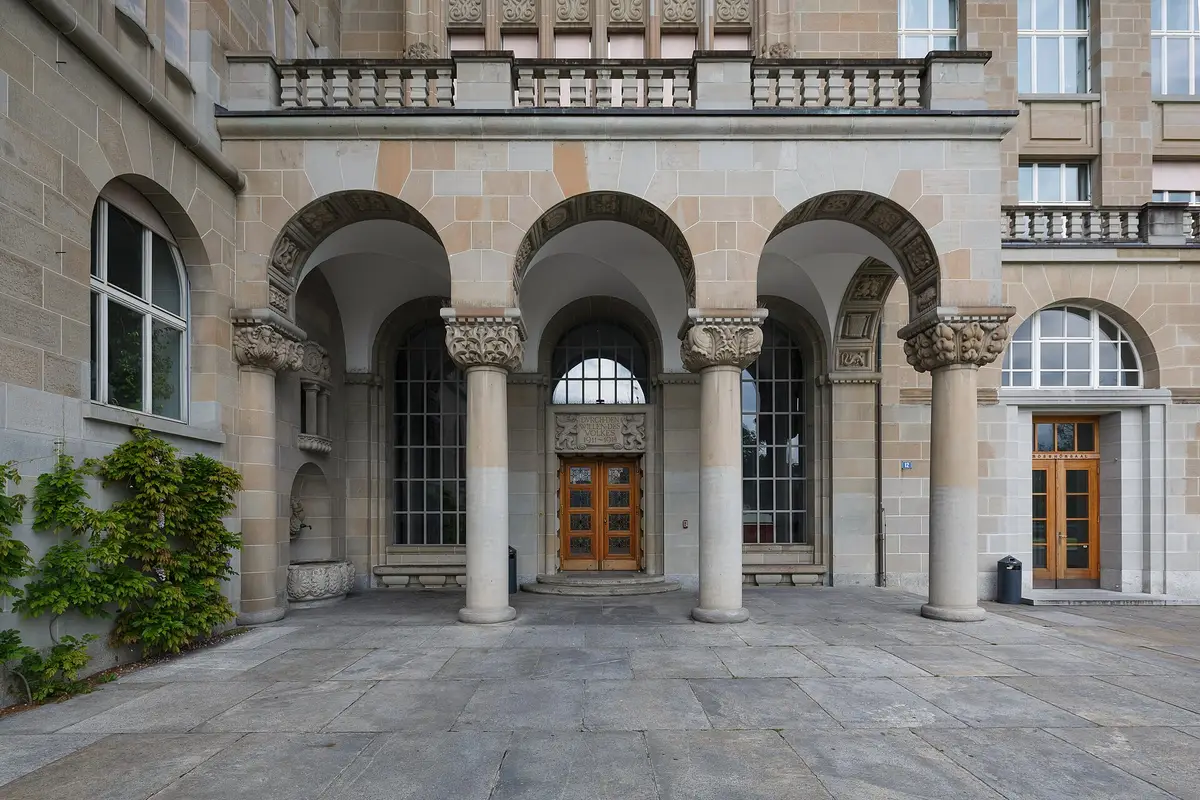
Higher education in Switzerland is globally renowned, with many institutions regularly featured in prestigious international rankings. The system consists of three main branches: traditional universities, two federal institutes of technology, and universities of applied sciences tied to vocational training.
The two federal institutes of technology are a point of particular pride. The Swiss Federal Institute of Technology Zurich (ETH Zürich) and the École Polytechnique Fédérale de Lausanne (EPFL) are considered world-leading centres for scientific, engineering, and technological research. ETH Zürich is associated with the legacy of many distinguished scientists, including Albert Einstein, who studied there.
In addition, long-established traditional universities such as the University of Zurich and the University of Geneva hold strong reputations for research and education. The University of Geneva is located in an international city close to numerous global organisations, while the University of Zurich is one of the largest institutions in the country.
The appeal of Swiss higher education also stems from relatively affordable tuition fees at public universities compared to many English-speaking countries, alongside heavily funded research environments. This attracts a high volume of international students and researchers, reinforcing the country’s status as a hub of knowledge.
The third branch, universities of applied sciences, acts as a bridge between vocational training and practical research. Students here typically have a vocational background and follow application-focused programmes that meet the practical needs of businesses and society.
Prestigious private boarding schools
Alongside the public system, Switzerland is world-famous for its network of elite private boarding schools. Many of these institutions have long histories and are set amidst picturesque mountain and lake landscapes, attracting pupils from across all continents.
These boarding schools are renowned for small class sizes, diverse international curricula, and a strong focus on holistic development. Many institutions teach in multiple languages and offer internationally recognised qualifications, enabling students to progress to universities worldwide.
Tuition fees at these schools are typically among the highest globally, making them accessible primarily to affluent families and international pupils. Nevertheless, their reputation for discipline, safe environment, and extensive alumni networks makes this sector a distinctive hallmark of Swiss education.
The presence of private boarding schools also reinforces Switzerland’s image as an international educational destination, operating alongside a state system that serves the majority of the local population.
Multilingualism in instruction
A key feature is how deeply multilingualism is embedded in education. Switzerland has four national languages: German, French, Italian, and Romansh, with the language of instruction in each canton depending on the respective linguistic region.
Pupils not only learn in the regional primary language but are also taught at least one additional national language, alongside increasingly prevalent English. This approach is closely linked to the characteristics of Swiss demographics, where multiple linguistic communities coexist.
At university level, many postgraduate programmes are taught in English to attract international students, whereas bachelor’s degrees typically retain the local language. This flexibility allows institutions to maintain regional identity while integrating into the global academic landscape.
Overall, linguistic proficiency becomes a natural advantage for learners in Switzerland. Multilingual fluency not only supports academic studies but also opens career opportunities in an economy closely tied to international markets.
The role of education in society and the economy
The education system serves as a cornerstone of Switzerland’s prosperity. By combining academic excellence with practical vocational training, the country maintains a workforce that excels in both research and practical skills, meeting the diverse demands of businesses.
The link between vocational schools and enterprises helps narrow the gap between trained skills and job market requirements, an issue many countries still struggle to resolve. This factor also underpins Switzerland’s high capacity for innovation and workforce productivity.
Associated with mountains and stability, Switzerland views knowledge and skills as its most valuable resources given its lack of natural minerals. Investing in human capital has therefore become a long-term strategy, consistently maintained across generations.
In conclusion, the strength of Swiss education does not lie in a single factor, but in its harmony: flexible cantonal decentralisation, equal respect for both academic and vocational pathways, world-class universities, and a multilingual tradition. This combination explains why the model is frequently referenced by other nations.
Accompanying you on your journey in residency investment
The Prosperous Living Investment team advises on pathways, assesses profiles and manages investments transparently for every residency, citizenship and international property objective.
Free profile assessmentWhere life gets prosperous