
Swiss demographics

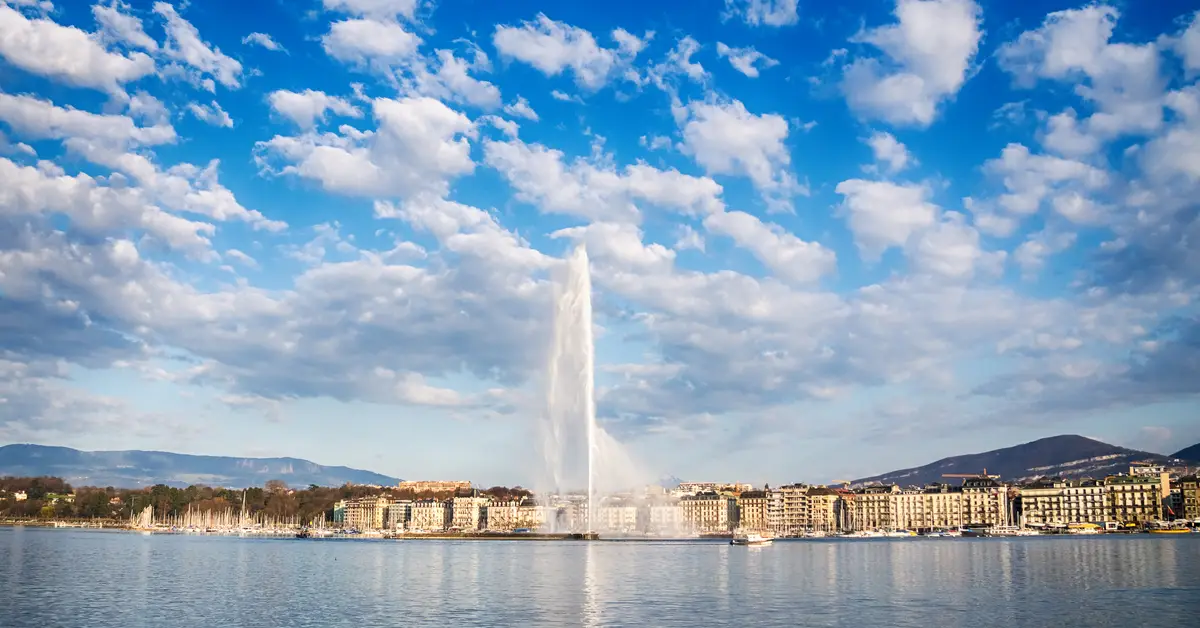
Swiss demographics reflect a small Central European nation that is rich in diversity: a population of approximately 8–9 million, one of the highest proportions of foreign residents in Europe, four intertwined linguistic regions and an ageing society with a very high standard of living and life expectancy.
Contents
Overview of Swiss demographics
Swiss demographics often surprise many: it is a country with a modest land area but a relatively high population density in the plains. The total population is currently around 8–9 million, concentrated largely on the Central Plateau (Mittelland) stretching between the Alps and the Jura mountains.
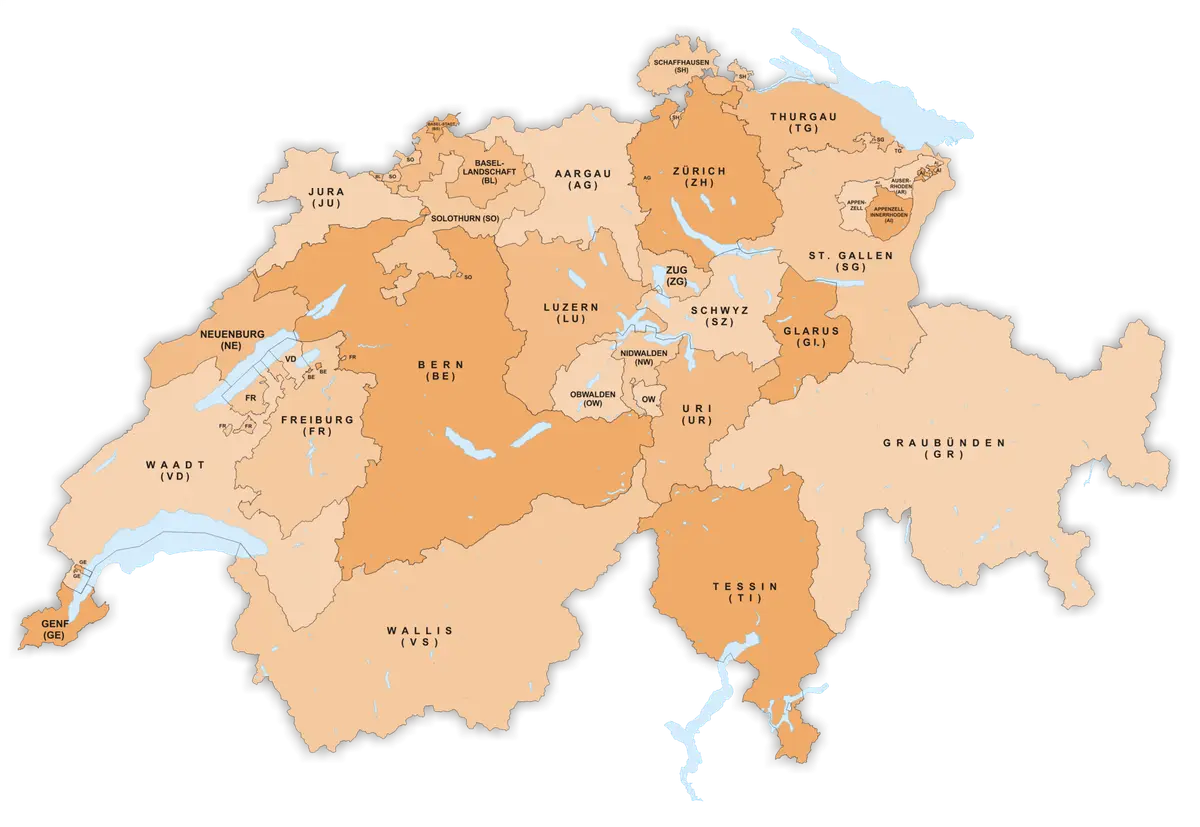
The country follows a federal system consisting of 26 cantons, each with its own demographic characteristics. Therefore, the population picture is not uniform: areas around large cities are very crowded, while many high mountain valleys are sparsely populated.
According to the Swiss Federal Statistical Office, the population has grown steadily over the past few decades, primarily due to immigration rather than natural increase. Therefore, to correctly understand the demographics of this country, one must look at three main axes: population origin, language and age structure.
The majority of residents live in urban and suburban areas. High urbanisation goes hand in hand with a dense public transport system, helping people travel conveniently between their homes and workplaces.
Considering a residency programme? The Prosperous Living Investment team assesses your profile free of charge and advises on the pathway that fits your goals.
Population size and distribution
As stated, the Swiss population is estimated at approximately 8–9 million. The absolute figure changes every year and depends on migration flows, so data tied to a specific year easily becomes outdated; a safer approach is to look at the overall scale and trends.
Regarding distribution, the population is heavily concentrated on the Central Plateau, which contains most of the major cities and the majority of economic activity. Conversely, the southern Alpine regions have a much lower density despite occupying a significant area. This topographical feature is closely linked to Swiss geography.
Population growth in recent years has come mainly from immigration. The fertility rate is low, similar to many developed countries in Europe, so if relying solely on natural increase, the population would remain almost flat.
Population density across the entire territory is average compared to Western Europe. However, if only the habitable land is counted (excluding high mountains, glaciers and lakes), the actual density in the plains is much higher.
According to Swiss Federal Statistical Office (BFS), the proportion of residents holding foreign citizenship in Switzerland is among the highest in Europe, reflecting the country’s labour appeal and standard of living. The population structure also shows a clear ageing trend in recent decades.
Proportion of foreigners in Swiss demographics
One of the most striking features of Swiss demographics is the very high proportion of foreign residents, among the highest in Europe. About one-quarter of the permanent resident population does not hold Swiss citizenship, even though many of them have lived there for a long time or were even born there.
There are several reasons for this phenomenon. First, the prosperous economy attracts highly skilled labour from everywhere. Furthermore, relatively strict naturalisation regulations mean that many long-term residents retain their permanent resident status instead of becoming citizens.
Most foreigners come from neighbouring European countries such as Italy, Germany, Portugal, France and the Balkan region. According to the Swiss Federal Statistical Office, the immigrant community plays an important role in the workforce and the young population structure.
It is necessary to distinguish between the ‘proportion of foreigners’ and the ‘proportion of people with an immigrant background’. Many people have naturalised but still have foreign origins, so if migration factors across generations are included, the level of population diversity is even higher than the simple citizenship figures suggest.
Linguistic regions: German, French, Italian and Romansh
Switzerland has four national languages, and regional distribution is a core characteristic of the country’s demographics. German (mainly in the form of Swiss German dialects) is the majority, concentrated in the centre and east.
French is the second, common in the west around cities such as Geneva, Lausanne and the region known as Romandie. Italian is the third, concentrated in the southern canton of Ticino and some valleys bordering Italy.
Romansh is the fourth language, of Latin origin, used only by a small minority in the southeastern canton of Graubünden. Although the number of speakers is very small, Romansh is still recognised as a national language and preserved as part of the heritage. This multilingualism is closely tied to Switzerland.
Linguistic boundaries do not coincide with administrative boundaries absolutely; there are bilingual or trilingual cantons. In addition to the four national languages, English is increasingly used in international, business and academic environments.
Linguistic regionalism influences media, education, and daily life. Each region has its own press, television channels, and cultural identity, creating a unified nation that is rich in internal diversity.
- German: the language of the majority, spoken in the central and eastern regions.
- French: widely spoken in the west (the Romandie region), around Geneva and Lausanne.
- Italian: concentrated in the southern canton of Ticino.
- Romansh: a small minority in the canton of Graubünden, which remains a national language.
Urbanisation around Zurich, Geneva, Basel and Bern
The Swiss population is largely concentrated in urban areas and their surroundings. Zurich is the largest city and a leading financial centre; the metropolitan area around Zurich is the most populous in the country.
Geneva, in the French-speaking west, is a centre for international diplomacy, hosting many United Nations agencies and international organisations. Basel, in the north bordering Germany and France, is renowned for its pharmaceutical and chemical industries.
Bern is the federal capital and the seat of the state’s central institutions. Although it is not the largest city, Bern holds significant administrative and political importance, with an old town recognised as a heritage site.
Beyond the four cities mentioned above, Lausanne, Lucerne, St. Gallen, and Lugano are also significant regional centres. The Swiss urban system is ‘polycentric’: there is no single dominant megacity, but rather many medium-sized cities closely connected by rail.
This urban model helps disperse the population and employment, reducing pressure on any single point. Many people live in suburbs or small cities and commute daily to major centres thanks to an efficient public transport network.
Religion: Christianity and the trend towards non-religion
Regarding religion, Christianity has long been the dominant faith in Swiss demographics, divided into two major branches: Roman Catholicism and Protestantism (Reformed). The distribution of these two branches is linked to the history of the Reformation in each region.
For centuries, some cantons leaned towards Catholicism while others followed Protestantism, creating a religiously diverse map based on locality. Geneva was once a key centre of the Reformation movement, associated with the theologian Jean Calvin.
However, recent trends show a significant increase in the proportion of people with no religious affiliation, particularly in cities and among the youth. This is a common development in many developed Western European countries.
Alongside Christianity, immigrant communities have brought other religions, including Islam, as well as minority faiths. In general, Switzerland maintains a tradition of religious tolerance, and many religious matters are managed at the cantonal rather than federal level.
Population ageing and age structure
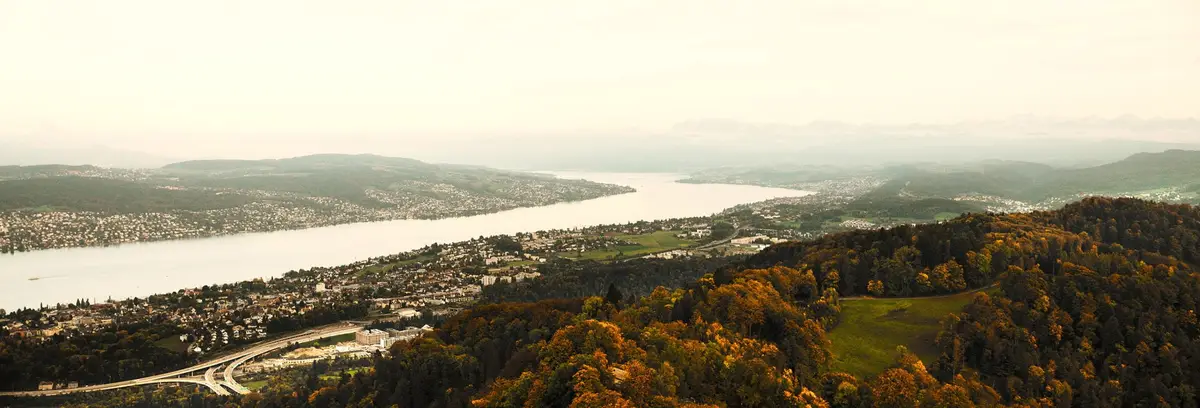
Like many high-income nations, Switzerland is experiencing an ageing population. The proportion of elderly people in the total population is gradually increasing, while the birth rate remains low.
The primary cause is increased life expectancy due to good living conditions and a high-quality healthcare system, combined with a trend of families having fewer children. Consequently, the average age of the population tends to rise over time.
Ageing poses challenges for pension systems, healthcare, and the labour market. Part of the solution comes from immigration, as foreign workers are typically of working age and contribute to rejuvenating the workforce.
According to the United Nations Development Programme, Switzerland ranks among the world leaders in the Human Development Index, reflecting high life expectancy, good education, and high per capita income. This high standard of living is both an achievement and a factor driving the ageing process.
Age structure also varies between regions: large cities often have younger populations due to the attraction of workers and students, while some rural and mountainous areas have older populations.
Education, labour and quality of life
The demographic characteristics of Switzerland are closely linked to education levels and labour structure. The proportion of adults with high qualifications is quite large, partly due to the dual vocational training system that combines theoretical learning with practical experience at companies. Swiss education.
A multinational workforce is a characteristic feature. Many foreign experts work in banking, pharmaceuticals, technology, and international organisations, particularly in Zurich, Geneva, and Basel.
A high quality of life is reflected in income, healthcare, social security, and the urban environment. This is a factor that attracts highly qualified workers while contributing to maintaining a steady flow of immigration.
However, the cost of living in Switzerland is also among the highest in the world, especially regarding housing and services. This characteristic influences the residential choices of both locals and immigrants, which in turn impacts population distribution.
Future population trends
Looking ahead, all population projections should be interpreted with caution as they depend heavily on immigration policy, the economy, and relations with the European Union (EU). These are variables that can change significantly over time.
Most analyses suggest that the Swiss population will continue to grow slightly in the medium term, primarily due to immigration, while natural growth plays a secondary role. At the same time, the proportion of elderly people is likely to continue to grow.
These trends will shape policies on pensions, healthcare, housing, and labour for many years to come. Balancing labour needs with the integration capacity of immigrants is a topic frequently discussed in society.
In summary, Swiss demographics are a combination of a population size of approximately 8–9 million, a high degree of internationalisation, linguistic and religious diversity, and a prosperous society that is ageing. This is the foundation for a deeper understanding of many other aspects of this nation.
Accompanying you on your journey in residency investment
The Prosperous Living Investment team advises on pathways, assesses profiles and manages investments transparently for every residency, citizenship and international property objective.
Free profile assessmentWhere life gets prosperous