


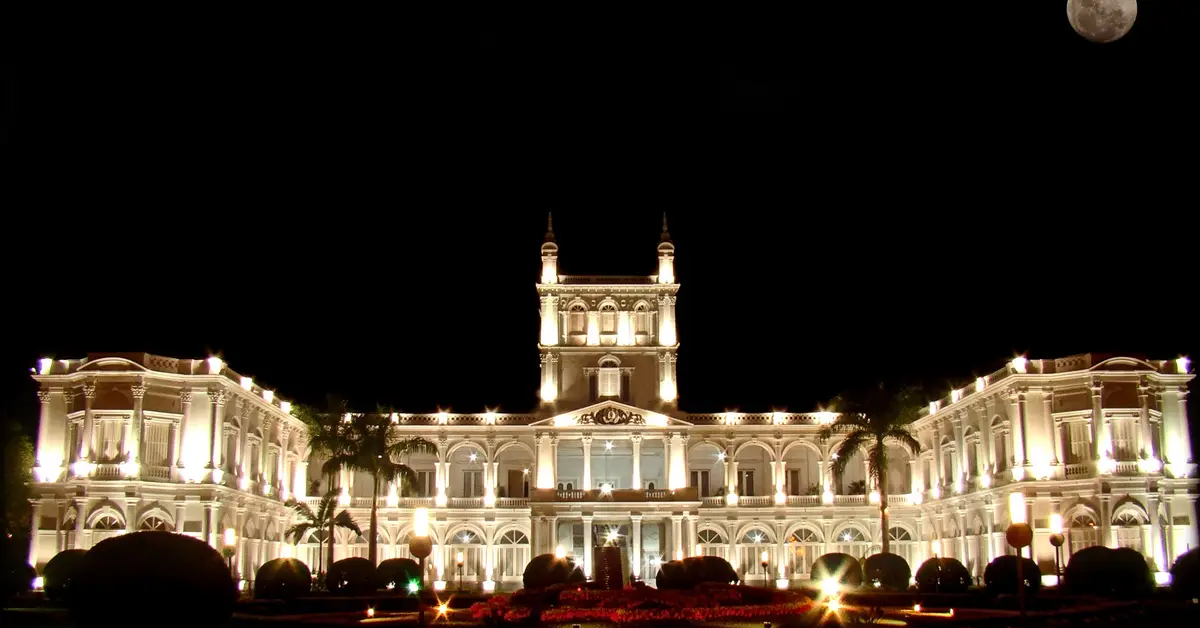
The country of Paraguay is a landlocked nation located in the heart of South America, with Asunción as its capital. The Paraguay River divides the territory into the densely populated eastern region and the arid Gran Chaco region to the west, creating a unique bilingual nation of Spanish and Guaraní.
Contents
Where is the country of Paraguay located on the South American map?
The country of Paraguay is one of two landlocked nations in South America, alongside Bolivia. Located in the centre of the continent, Paraguay has no coastline and borders three neighbours: Argentina to the south and southwest, Brazil to the east and northeast, and Bolivia to the northwest.
Although landlocked, Paraguay remains connected to the ocean through its river system. The Paraguay River and the Paraná River form an important waterway, allowing vessels to travel to the sea at the La Plata region. Consequently, the country’s export of agricultural products and goods relies heavily on river transport.
The capital, Asunción, is located on the banks of the Paraguay River in the southwest of the country, near the border with Argentina. It is the largest political, economic, and cultural centre, as well as one of the oldest cities in South America. Its central geographical location means Paraguay is sometimes called the “heart of South America”.
Considering a residency programme? The Prosperous Living Investment team assesses your profile free of charge and advises on the pathway that fits your goals.
Key data about the country of Paraguay
Below are some basic indicators for the country of Paraguay, compiled from sources such as the World Bank, the United Nations Development Programme (UNDP), and the national statistics agency. Economic and population data are updated periodically and may change from year to year.
- Capital: Asunción
- Area: approximately 406,752 km²
- Population: approximately 6.4 million people
- GDP per capita: approximately US$6,416 (in 2024)
- Human Development Index (HDI): approximately 0.73 (high category)
- Currency: guarani (PYG)
The figures above are for reference at the time of compilation. For official purposes or decision-making, the latest data should be verified with the aforementioned bodies, as GDP, population, and development rankings are subject to annual adjustments.
Geography and the Paraguay River bisecting the territory
Detailed article on the Paraguay geography
The most prominent feature of Paraguay’s geography is the natural division created by the Paraguay River. The river flows in a north-south direction, separating the territory into two regions with very different landscapes and population densities.
The eastern region, also known as Eastern Paraguay, features low hills, grasslands, subtropical forests, and fertile soil. This is where the majority of the population, major cities, and primary agricultural activities are concentrated. The climate here is warm and rainy, favourable for cultivation.
In contrast, the western region, known as the Gran Chaco, covers a vast area but is sparsely populated. This is a dry, hot plain interspersed with scrub and seasonal swamps, with large-scale cattle ranching as the primary activity. The contrast between the two regions shapes the country’s economic organisation and population distribution.
Paraguay’s climate ranges from subtropical in the east to semi-arid and tropical in the Chaco region. The most significant natural resource is the abundant hydroelectric potential of the major rivers, which forms the foundation of the nation’s energy sector.
History of the country of Paraguay from the Guaraní era to the modern day
Detailed article on the Paraguay history
The rich history of Paraguay begins with the indigenous Guaraní communities who lived on this land long before Europeans arrived. Guaraní culture and language have left a deep mark that persists to this day.
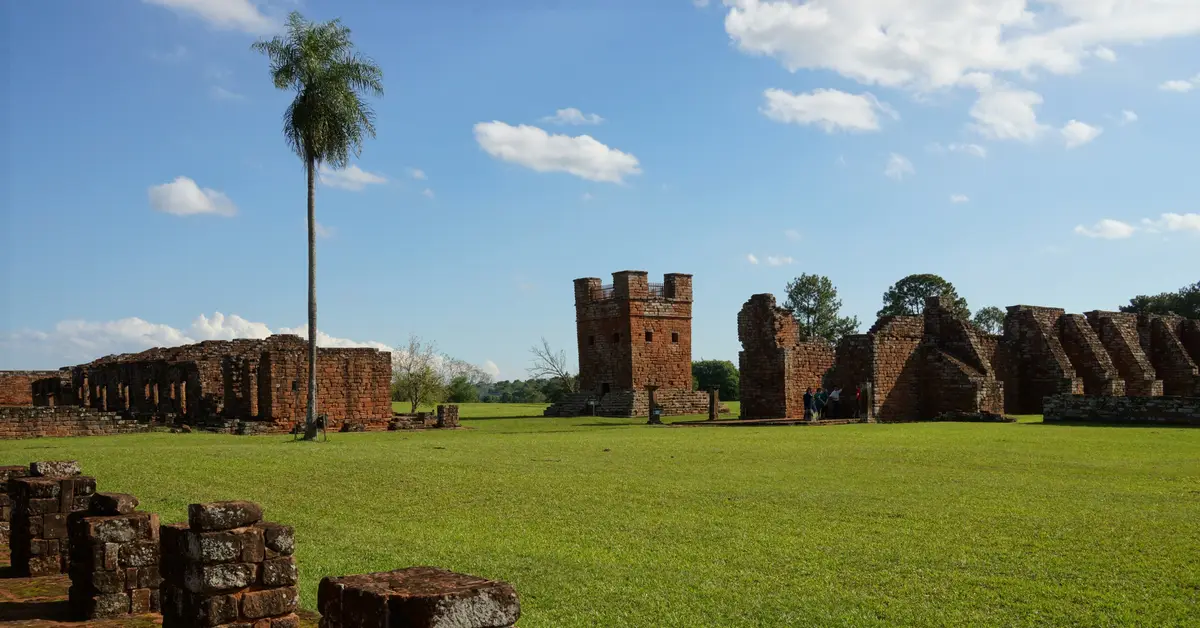
During the Spanish colonial period, Jesuit missions played an important role in organising the lives of the indigenous people. Some remaining mission ruins are recognised as valuable cultural heritage. Asunción was founded in the 16th century and became a colonial administrative centre.
Paraguay declared independence from Spain in 1811. In the 19th century, the country experienced the War of the Triple Alliance (1864–1870) against Argentina, Brazil, and Uruguay, a war that caused heavy loss of life and economic damage, leaving long-term consequences for the population and development process.
In the 20th century, Paraguay participated in the Chaco War with Bolivia (1932–1935) over the Gran Chaco region. Much of the second half of the 20th century was marked by a prolonged period of authoritarian rule, before the nation entered a process of democratic transition in the late 1980s and early 1990s.
The presidential republic political system of the country of Paraguay
Detailed article on the Paraguay’s politics
In terms of institutions, Paraguay’s political life is organised according to a presidential republic model. The President is both the head of state and the head of government, elected through universal suffrage for a term defined by the constitution.
The legislative branch is a bicameral Congress, consisting of the Senate and the Chamber of Deputies. Representatives are responsible for drafting and passing laws and overseeing government activities. Additionally, the judicial system is headed by the Supreme Court, which is responsible for adjudication and protecting the constitution.
The current constitution was promulgated in 1992, following the democratic transition, laying the foundation for the separation of powers and the guarantee of fundamental rights. Administratively, the territory is divided into departments (departamentos) along with the capital, Asunción, each with its own management structure.
Agricultural and hydroelectric economy with the Itaipú Dam
Detailed article on the Paraguay’s economy
The structure of Paraguay’s economy relies heavily on agriculture, livestock, and energy. The country is one of the region’s significant agricultural exporters, with staple commodities such as soybeans and beef, alongside many other agricultural products.
According to data compiled by World Bank, Paraguay’s economy is highly open to agricultural trade and is influenced by seasonal weather conditions, causing GDP growth to fluctuate significantly between good and bad harvest years. Cross-border trade with neighbouring countries also contributes to the flow of goods and services.
A special feature is the abundant hydroelectric source. The Itaipú Dam on the Paraná River, built jointly with Brazil, is one of the world’s largest hydroelectric plants in terms of output. Together with the Yacyretá Dam, this power source not only meets domestic demand but also allows Paraguay to export electricity to its neighbours.
The official currency of the country is the guarani (PYG). Paraguay’s tax environment is generally considered relatively low compared to the regional average, although specific regulations may change over time and should be verified against official current sources.
Population and demographics of the country of Paraguay
Detailed article on the Paraguay demographics
The demographic picture of Paraguay shows a country with a young population, with an estimated size of approximately 6–7 million people according to data published by the Paraguay Statistics Office. The majority of the population is concentrated in the eastern region and the urban area around the capital, Asunción, while the vast Gran Chaco region is very sparsely populated.
The majority of the population is mestizo, of mixed European and indigenous Guaraní descent. This blend reflects a long history between indigenous heritage and Spanish colonial rule, creating a distinct national identity.
Paraguay stands out as a bilingual country, where Spanish and Guaraní are both widely used in daily life. The primary religion is Roman Catholicism. Additionally, the country has notable immigrant communities, including German-descended Mennonites and Brazilian communities in border regions.
Guaraní-Spanish culture and the bilingual nation
Detailed article on the Paraguay culture
The uniqueness of Paraguayan culture lies in the fusion of indigenous Guaraní heritage and Spanish influence. The use of Guaraní alongside Spanish is a rare phenomenon, making Paraguay a symbol of bilingualism in Latin America.
Traditional music is associated with the Paraguayan harp and genres such as polka and guarania. Famous handicrafts include intricate ñandutí lace. These art forms often appear in festivals and community life.
Cuisine reflects cultural intersection with signature dishes such as chipa (cassava flour and cheese bread), sopa paraguaya (a type of savoury corn bread), and especially tereré, a cold-infused mate leaf drink considered an indispensable part of daily life. The Jesuit mission heritage also left its mark on architecture and customs.
Tourism and notable heritage of the country of Paraguay
Compared to many familiar South American destinations, tourism in Paraguay is still relatively little known, but that is precisely what creates a unique appeal for those who want to explore an unspoilt land. The capital, Asunción, with its colonial architecture, squares, and museums, is a popular starting point for a journey of discovery.
The most prominent heritage is associated with the Jesuit missions. Two missions, La Santísima Trinidad de Paraná and Jesús de Tavarangue, are UNESCO World Heritage sites, reflecting the colonial historical period and the intersection between European culture and the indigenous Guaraní community.
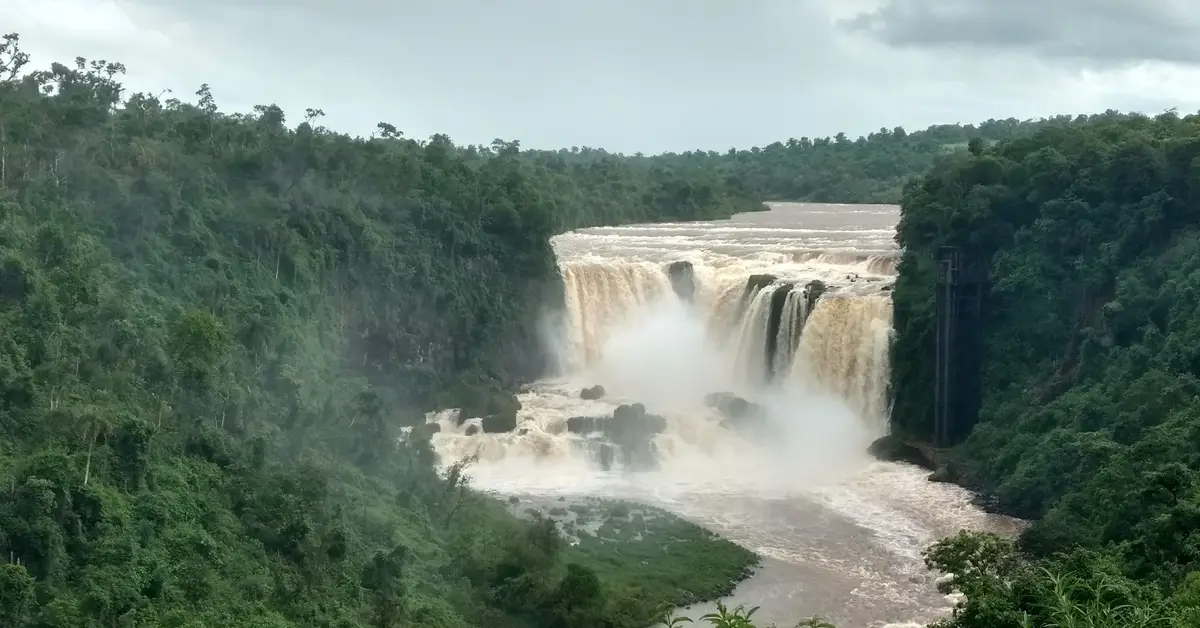
In addition, the natural landscape of the Gran Chaco region, wetlands, and large rivers offer ecotourism potential. Many visitors also seek to experience indigenous life, local cuisine, and the slow, intimate pace of life characteristic of the local people.
Lifestyle and relative cost of living
One of the points often mentioned when talking about Paraguay is that the cost of living is considered relatively affordable compared to many countries in the region and the world. This is a factor that attracts the interest of some foreigners considering living or long-term residency.
The pace of life in Paraguay is generally relaxed, especially outside the capital area. Asunción concentrates most urban services, from shopping centres and hospitals to schools, while rural areas maintain a traditional lifestyle linked to agriculture and community.
However, specific costs depend heavily on lifestyle, area of residence, and fluctuations in the exchange rate of the guarani. Indicators regarding prices, income, and living standards should be consulted from official and updated statistical sources, rather than relying on general estimates.
South American regional status and role in Mercosur
Regionally, Paraguay is one of the founding members of Mercosur (Southern Common Market), an economic bloc alongside Argentina, Brazil, and Uruguay. This membership integrates Paraguay into the continent’s trade and economic cooperation network.
With an inland location between two major economies, Argentina and Brazil, Paraguay acts as a regional connection and transit point. The river system and trade corridors help goods flow between neighbouring countries, even though the nation has no seaport of its own.
As a smaller economy compared to its large neighbours, Paraguay often positions itself based on advantages in agriculture, low-cost hydroelectric energy, and relatively open policies. These factors contribute to shaping the country’s position and voice in South American cooperation forums.
Education and the bilingual training system
Detailed article on the Paraguay education
The Paraguayan education system is managed by the Ministry of Education and Science, covering preschool, compulsory basic education, and secondary school. A key feature is the bilingual education programme, taught in both Spanish and Guaraní.
At the university level, Paraguay has both public and private systems. The National University of Asunción (Universidad Nacional de Asunción – UNA) is the oldest and largest higher education institution, playing a central role in training and research.
Besides achievements in expanding access, the education system still faces challenges regarding quality, public spending levels, and the gap between urban and rural areas. Therefore, education reform is a topic of frequent interest in development policy.
Residency and residency by investment in Paraguay
Detailed article on the Paraguay residency by investment
In recent years, Paraguay has attracted the attention of foreigners interested in residency pathways. The topic of Paraguay residency by investment relates to forms of residency for investors and the path towards permanent resident status.
In general, the country is known for relatively open residency procedures compared to some countries in the region. However, specific conditions such as financial thresholds, documentation, and processes managed by immigration authorities may change and should be checked against current regulations.
For those who want to learn more, understanding the overall context of the country, from economy and politics to culture, is an important foundation before considering any decisions related to long-term residency.
Why the country of Paraguay is worth exploring
In summary, Paraguay is a country with many distinct features in the heart of South America. Its inland location, the natural division between the fertile east and the wild Chaco region, and the Spanish-Guaraní bilingualism create an unmistakable identity.
An economy based on agriculture and hydroelectricity, a presidential republic system, and a young, multicultural society make Paraguay an interesting subject for those who want to understand the South American region. Each aspect introduced above can be explored further through related thematic articles.
Accompanying you on your journey in residency investment
The Prosperous Living Investment team advises on pathways, assesses profiles and manages investments transparently for every residency, citizenship and international property objective.
Free profile assessmentWhere life gets prosperous