


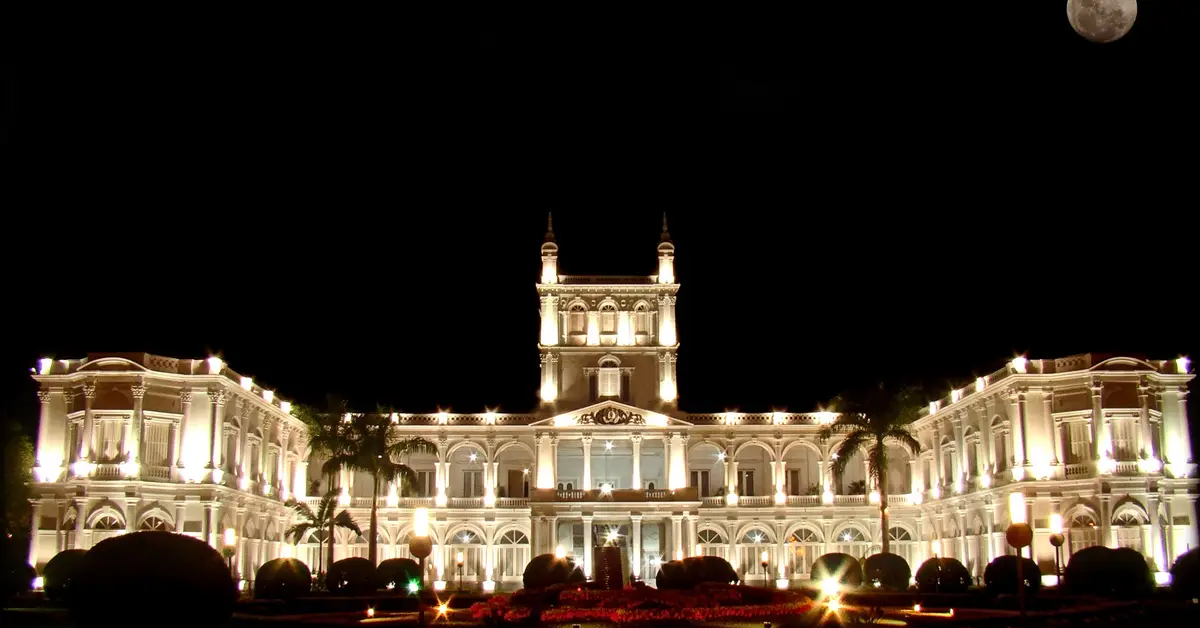
Paraguayan politics operates under a representative democratic republic model with a presidential system, in which the President is both the head of state and the head of government. This framework was established by the 1992 Constitution, a document that emerged after the democratic transition period in this landlocked nation in the heart of South America.
Contents
Overview of the political system of Paraguay
The Republic of Paraguay is a landlocked country in the heart of South America, with its capital, Asunción, located on the banks of the Paraguay River. In terms of state organization, it is a presidential republic operating on the principle of the separation of powers between the executive, legislative, and judicial branches. This model shapes how power is distributed and checked.
The foundation of the current system is the Constitution promulgated in 1992. This document replaced the previous constitution and reflects the country’s transition to a representative democratic system. The Constitution defines Paraguay as a state governed by the rule of law, unitary and decentralized to a certain extent through local government levels.
To understand the context of the formation of current institutions, one can refer further to Paraguay history, which records many important changes leading to today’s constitutional framework. The structure of the Paraguayan state focuses on the balance between the three branches of power and periodic electoral mechanisms.
Considering a residency programme? The Prosperous Living Investment team assesses your profile free of charge and advises on the pathway that fits your goals.
The 1992 Constitution and fundamental principles
The 1992 Constitution is the supreme legal document, setting the framework for the entire political life of Paraguay. The document recognizes that sovereignty resides with the people, exercised through the right to vote and representative institutions. The Constitution also affirms the principle of separation and relative independence between the branches of state power.
A notable feature is that the Constitution recognizes Spanish and Guaraní as the two official languages, reflecting the country’s bilingual nature. In addition, the document lists the fundamental rights and duties of citizens, including civil, political, economic, social, and cultural rights.
The Constitution provides for amendment and reform mechanisms with specific procedures, requiring the participation of Congress and, in some cases, the opinion of voters. Therefore, changes to fundamental clauses are designed to take place cautiously. This framework creates relative stability for the institutional system.
The executive branch and the role of the President
In Paraguay’s presidential system, the President simultaneously holds the roles of head of state and head of government. This is a core difference compared to parliamentary republics, where these two functions are separated between a head of state and a prime minister. The President is elected directly through universal suffrage.
Under the Constitution, the President serves a 5-year term and is ineligible for immediate re-election. This non-consecutive term limit is a key institutional feature designed to prevent the concentration of executive power. Alongside the President, a Vice President is elected to provide support and succeed the President if necessary.
The President heads a cabinet of ministers appointed by the President, who are responsible for managing government sectors. The executive branch is responsible for enforcing laws, planning and implementing public policy, managing foreign affairs, and coordinating the state administrative apparatus.
Agencies within the executive branch manage various specialised sectors, ranging from immigration to industry and commerce. For instance, immigration and residency matters are handled by the immigration authority, while industrial and commercial issues fall under the jurisdiction of the respective ministries as stipulated by the Ministry of Industry and Commerce of Paraguay.
The bicameral Congress in Paraguayan politics
The legislative branch in Paraguayan politics is organised as a bicameral parliament, known as the Congreso Nacional. The parliament consists of two chambers that operate in parallel but have different roles and election methods: the Senate (Cámara de Senadores) and the Chamber of Deputies (Cámara de Diputados). This two-chamber structure is intended to ensure thorough deliberation during the legislative process.
The Senate is elected nationwide based on proportional representation, representing the general interests of the country. Meanwhile, the Chamber of Deputies is elected by province (departamento) and the capital, reflecting population distribution and local interests. These two electoral mechanisms complement each other in forming the legislative body.
The parliament is responsible for law-making, approving the state budget, ratifying international treaties, and overseeing the executive branch. A bill must generally be reviewed and passed by both chambers before being presented to the President for enactment. This mechanism creates checks and balances within the legislative branch.
In addition to legislative activities, the parliament has the power to question government members and participate in the appointment process for certain key positions. The terms of members in both chambers generally coincide with the presidential term and are re-elected during periodic general elections.
- Senate (Cámara de Senadores): elected nationwide based on proportional representation.
- Chamber of Deputies (Cámara de Diputados): elected by province (departamento) and the capital.
- Main functions: law-making, budget approval, ratification of international treaties, and executive oversight.
The judicial branch and the Supreme Court
The judicial branch in Paraguay is independent of the executive and legislative branches, with the duty to interpret and apply the law while protecting the supremacy of the Constitution. The head of the judicial system is the Supreme Court of Justice (Corte Suprema de Justicia), the nation’s highest judicial body.
The Supreme Court has the authority to review the constitutionality of laws and rulings, thereby acting as a constitutional guardian within the system. Below the Supreme Court is a system of appellate courts, courts of first instance, and specialised courts distributed across judicial districts nationwide.
The 1992 Constitution also established several bodies to support judicial and oversight activities, including the Council of Magistrates (Consejo de la Magistratura), which is responsible for nominating candidates for judicial positions. Additionally, the Public Prosecutor’s Office (Ministerio Público) handles prosecutions and the protection of the law in legal cases.
The independence of the judicial branch is considered a pillar of the rule of law. The multi-step judge appointment mechanism, involving various agencies, is designed to limit direct interference from the other branches of power.
Administrative division by departments (departamentos)
Territorially, Paraguay is divided into provinces, known in Spanish as departamento, along with the capital, Asunción, which has a special status. This division reflects the geographical diversity between the densely populated eastern region and the vast but sparsely populated Gran Chaco region in the west.
Each province has an elected governor (gobernador) and a provincial council, which handle local administrative functions. Below the provincial level are municipalities (municipio), each with a mayor (intendente) and a municipal council elected by local voters. This system creates multiple layers of governance from the central to the local level.
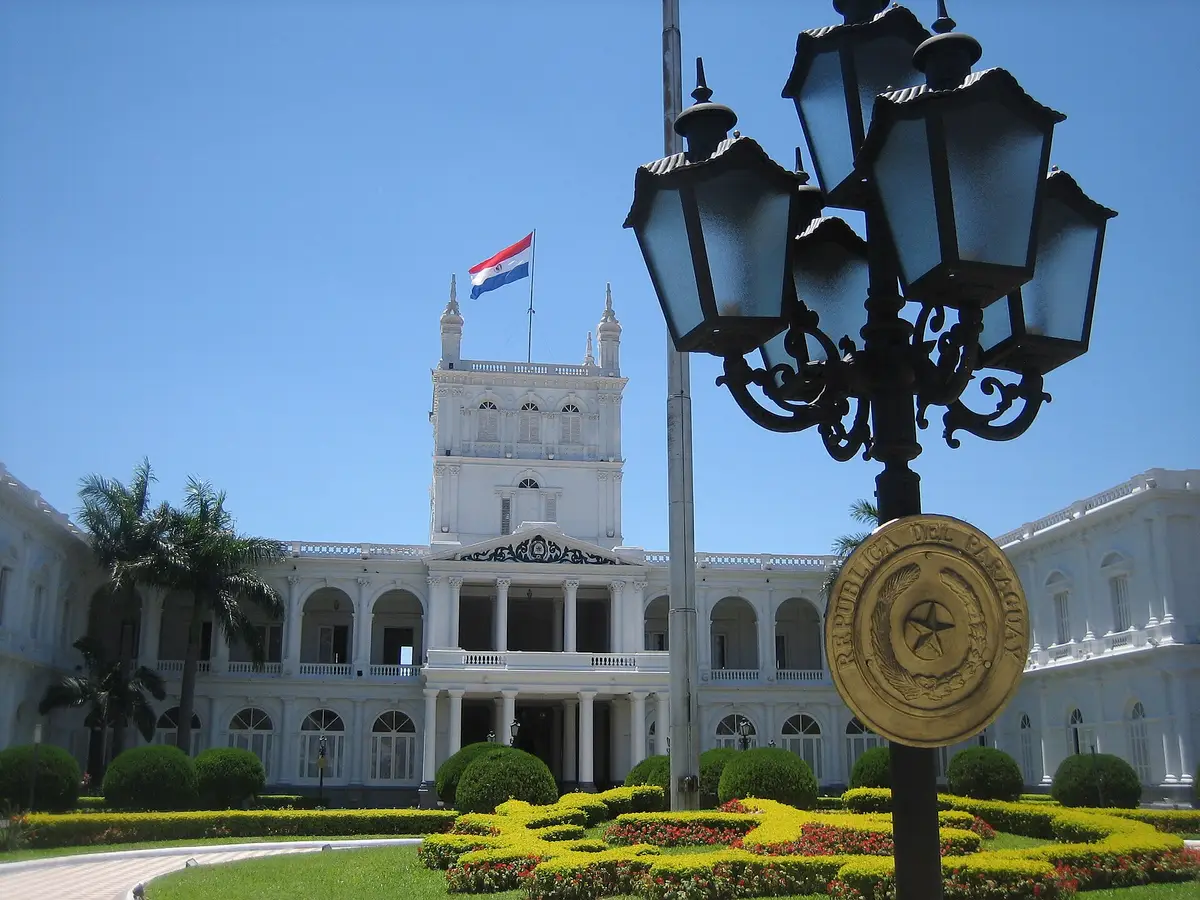
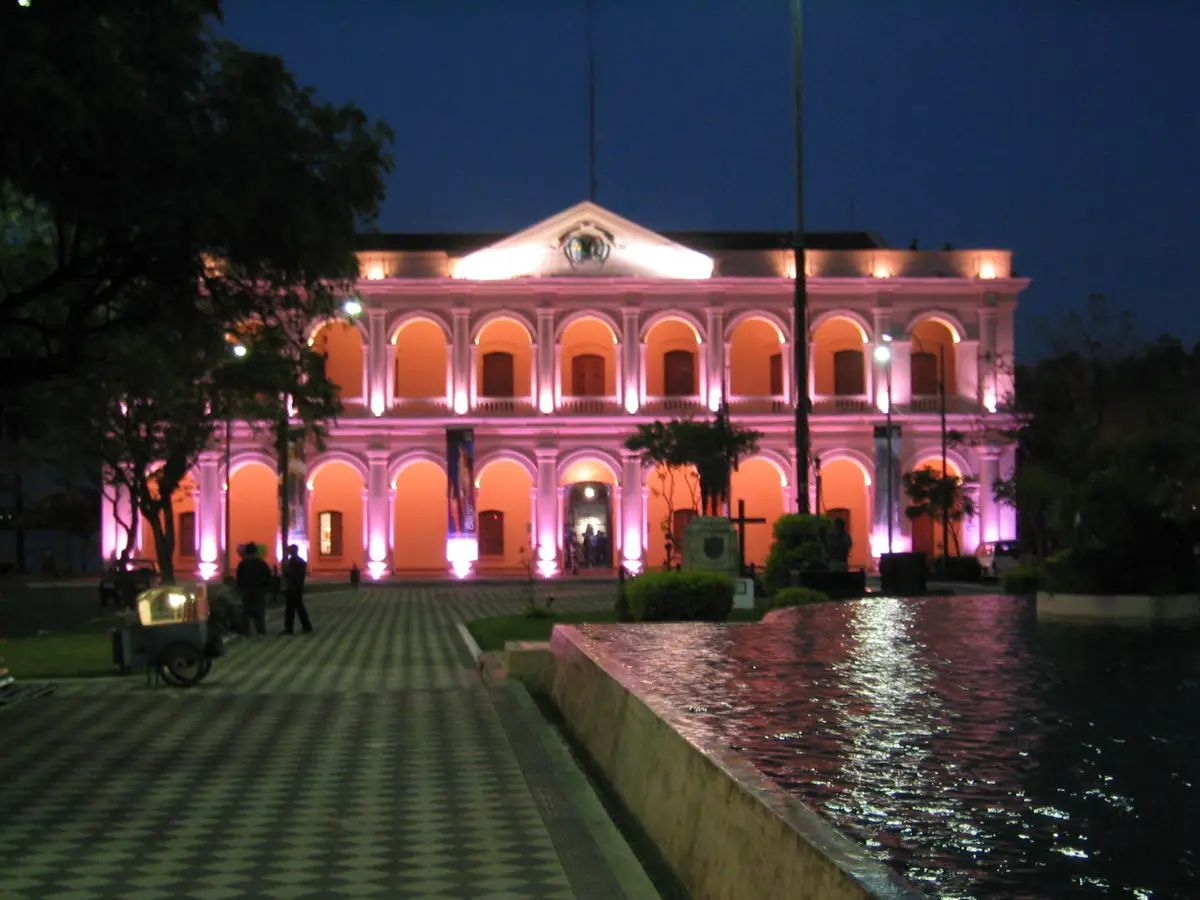
The capital, Asunción, does not belong to any province but is organised as an independent administrative unit with its own governing body. As the political centre of the country, Asunción houses the headquarters of the key agencies of all three branches of power, including the presidential palace, the parliament, and the Supreme Court.
This decentralised model allows local areas a certain degree of self-governance within the framework of a unitary state. However, many significant powers remain concentrated at the central level, and the relationship between levels of government is regulated by the Constitution and the law.
The electoral system and political participation
Elections in Paraguay are held periodically to select the President, Vice President, members of parliament, as well as provincial and municipal authorities. National general elections generally follow a 5-year cycle, coinciding with the terms of key elected officials.
The right to vote is guaranteed by the Constitution for eligible citizens, and voting is a fundamental civic right. The electoral system combines direct elections for the presidency with proportional representation for multi-member elected bodies such as the parliament and local councils.
The organisation and oversight of elections are the responsibility of a specialised electoral body, including the Superior Tribunal of Electoral Justice (Tribunal Superior de Justicia Electoral). This body is responsible for managing the voter registry, counting votes, and resolving disputes related to the electoral process to ensure transparency.
Paraguayan political life operates under a multi-party system, with many political organisations participating in elections at all levels. This article does not delve into specific organisations, but notes that the legal framework allows for political competition through periodic elections.
The relationship between the branches of power
The Paraguayan political system is built on the principle of checks and balances between the three branches of power. The executive implements policy but is subject to legislative oversight, while laws and administrative acts can be reviewed by the judiciary for constitutionality. This interactive relationship is characteristic of the presidential model.
The parliament has the power to approve the budget and certain key executive appointments, thereby creating a mechanism of mutual constraint. Conversely, the President has the power to participate in the legislative process at certain stages, such as the enactment of laws passed by the parliament.
The 1992 Constitution also provides special procedures for handling conflicts between branches of power or issues regarding the accountability of high-ranking officials. These procedures are designed to resolve disputes within the legal framework rather than through extra-constitutional measures.
The stable operation of these institutions is linked to the broader economic and social context. You can learn more about Paraguay’s economy to see the connection between public policy and development, as well as refer to the overall picture in the article the country of Paraguay.
Independent oversight and control institutions
In addition to the three classic branches of power, the Paraguayan institutional system includes several oversight bodies with relative independence. Among these is the Office of the Comptroller General of the Republic (Contraloría General de la República), which is responsible for auditing the use of the budget and public assets.
The Constitution also established an institution to protect citizens’ rights, commonly known as the Defensoría del Pueblo, which has the function of receiving complaints and protecting the constitutional rights of citizens against the actions of public authorities. These institutions complement the system of power checks.
Statistical data used for public administration and policy planning is generally compiled by the national statistics agency. Information on population, economy, and society can be referenced via the National Institute of Statistics of Paraguay, the official state data source.
Overall, independent oversight bodies support the system of checks and balances, aiming to strengthen accountability within the state apparatus. The actual effectiveness of these institutions may vary over time and depending on the specific context.
Accompanying you on your journey in residency investment
The Prosperous Living Investment team advises on pathways, assesses profiles and manages investments transparently for every residency, citizenship and international property objective.
Free profile assessmentWhere life gets prosperous