


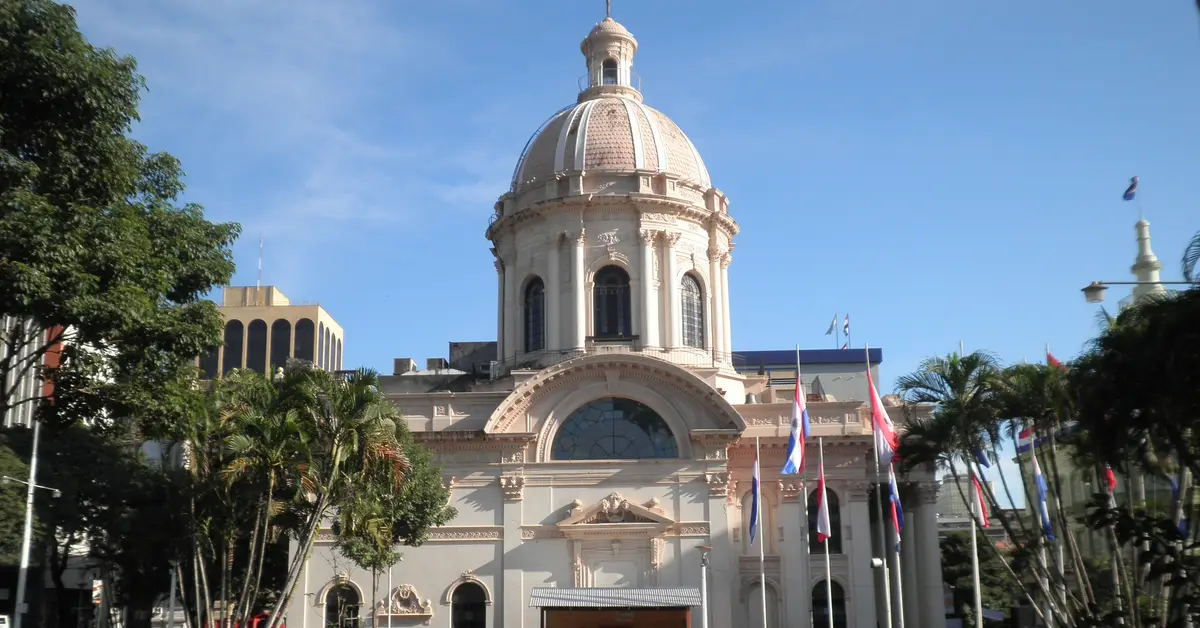
When discussing Paraguayan culture, one immediately thinks of the deep fusion between indigenous Guaraní heritage and Spanish traditions. In the capital Asunción and across the country, bilingualism, harp music, ñandutí lace craft and tereré drink together reflect one of South America’s most unique hybrid identities.
Contents
The hybrid roots of Paraguayan culture
The core point for understanding Paraguayan culture is the centuries-long contact between indigenous Guaraní inhabitants and Spaniards who arrived in this land from the 16th century. Unlike many other areas in Latin America where indigenous culture was largely overshadowed, here the Guaraní element persists tenaciously in language, folk beliefs and daily life.
This blending did not occur equally or without conflict, but the long-term result is a characteristic hybrid (mestizo) identity. Most of the population carries mixed Euro-Guaraní ancestry, and this is clearly reflected in how they speak, eat, sing and organise festivals. To understand the population foundation creating that identity, you can refer further to the article on Paraguay demographics.
In addition, the current of Paraguay history With the Jesuit missions, wars and periods of relative isolation have helped consolidate the unique character of the local culture. Consequently, speaking of this nation’s culture means speaking of a multi-layered whole, one that carries both an indigenous breath and is steeped in colonial heritage.
Considering a residency programme? The Prosperous Living Investment team assesses your profile free of charge and advises on the pathway that fits your goals.
A unique bilingual nation
The most prominent feature of Paraguayan culture is its widespread bilingualism. Spanish and Guaraní are both recognised as official languages, and the majority of the population can communicate in both. This is a rarity: an indigenous language used widely not only in rural areas but also in urban life in Asunción.
The Guaraní language is present in daily conversation, in the names of places, plants, dishes and even witty jokes. Many Paraguayans switch flexibly between the two languages, even mixing them in the same sentence, creating a colloquial way of speaking often called jopara.
This bilingualism is not just a communication tool but a symbol of identity. For many people, Guaraní is linked to emotions, affection and family memories, while Spanish tends to be used in administrative, academic and commercial environments. This coexistence is the spiritual foundation for almost every other expression of this nation’s culture.
Guaraní has also left its mark on many familiar names, from geographical locations and river names to the names of dishes and plant species. The fact that an indigenous language has been maintained vibrantly over many centuries, rather than fading away, is considered by many researchers to be a rare and remarkable case in the history of languages in the Americas.
Music: the Paraguayan harp, polka and guarania
Music is one of the greatest prides of Paraguayan culture. The iconic instrument is the Paraguayan harp (arpa paraguaya), a folk harp without pedals, which was introduced from European traditions and then localised into a unique performance style. Its clear, melodic sound is often considered the voice of the national soul.
Two typical musical genres are the Paraguayan polka and the guarania. The polka has a lively, cheerful rhythm, while the guarania — a genre initiated by musician José Asunción Flores in the early 20th century — has a slower, more lyrical and profound melody, often expressing nostalgia and love for the homeland.
Besides the harp, the guitar also plays an important role, often accompanying duets or choral songs. These melodies ring out at festivals, weddings, restaurants and family gatherings, becoming a thread that connects many generations and a recognisable hallmark of the country’s identity.
In addition, many folk songs are sung in Guaraní or a combination of both languages, through which music becomes a means of preserving the indigenous language. Paraguayan harpists are invited to perform in many places around the world, and the famous piece Pájaro Campana (Bellbird) is often considered the musical calling card of this nation.
- Paraguayan harp (arpa paraguaya): an iconic instrument, a folk harp without pedals.
- Paraguayan polka: fast rhythm, cheerful and lively atmosphere.
- Guarania: a lyrical, slow-paced genre initiated by José Asunción Flores.
- Guitar: a popular accompanying instrument in folk songs.
Ñandutí lace and traditional crafts
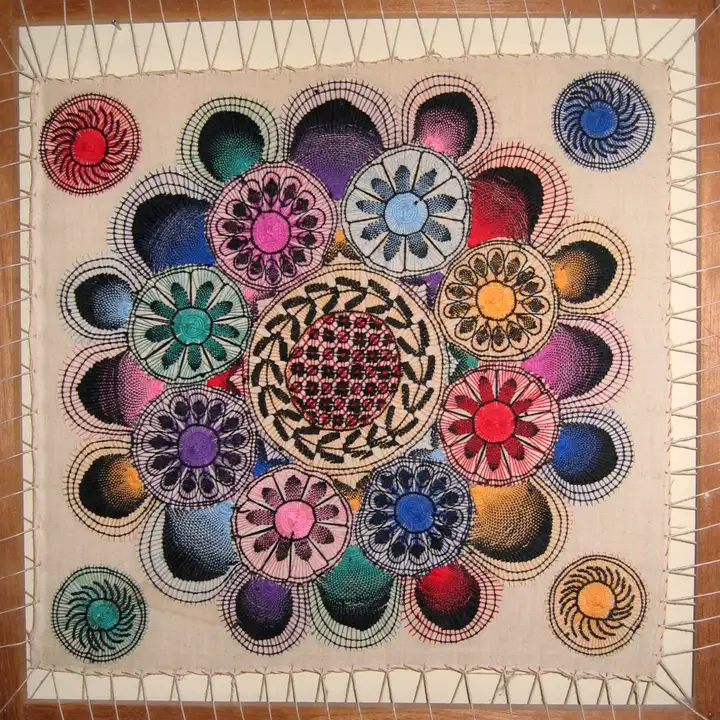
Among the treasures of craftsmanship, ñandutí lace is the most frequently mentioned masterpiece. The name ñandutí in Guaraní means spider web, accurately reflecting the beauty of the intricate hand-woven circular lace with patterns radiating like spider silk. The famous centre for this craft is the town of Itauguá near Asunción.
Ren ñandutí is painstakingly handmade, with each product potentially taking many hours or days, featuring rich colours and patterns. The lace pieces are used to decorate tablecloths, dresses, shawls and souvenirs, serving both as aesthetic items and a source of income for many artisan families.
Besides ñandutí, Paraguay is also famous for ao po’i embroidery, leather goods, pottery, wood carving and traditional silver jewellery. These crafts are often linked to specific localities, passed down within families and create a diverse map of craftsmanship spread across the country.
Notably, the majority of lace and embroidery artisans are women, so this craft also carries significance regarding the economic and cultural role of women in the family. Craft fairs and craft villages have become attractive destinations, both promoting traditional skills and helping artisans reach tourists and wider markets.
- Ñandutí: intricate hand-woven circular lace, with its centre in Itauguá.
- Ao po’i: embroidery technique on thin fabric, used for clothing.
- Leather goods, pottery, wood carving and traditional silver jewellery.
Gastronomy and tereré culture
Cuisine is an inseparable part of Paraguayan culture, with many dishes bearing the strong imprint of agriculture and indigenous traditions. Corn flour, cassava (manioc), cheese and meat are the central ingredients, creating hearty, simple yet characteristic dishes.
Among them, chipa — a type of bread made from cassava flour and cheese — is a dish associated with daily life and festive occasions. Sopa paraguaya is a pleasant surprise: although the name contains the word soup, it is actually a dense savoury cake made from corn flour, cheese and onions, which is baked rather than served as a soup.
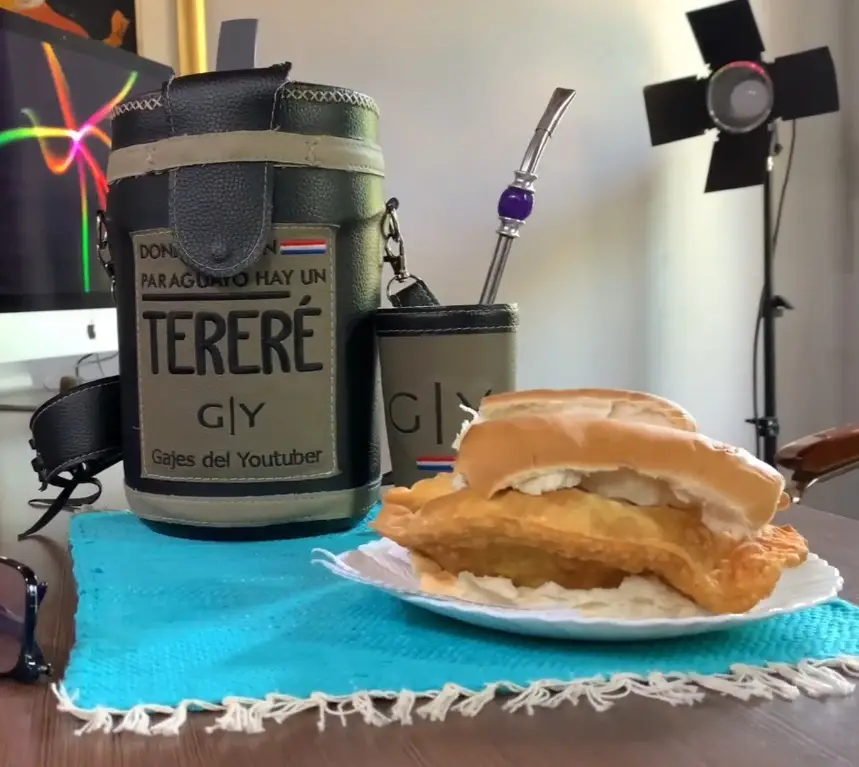
In particular, tereré is the iconic drink of this nation. This is cold mate tea, brewed from yerba mate leaves and cool water, often with added herbs, sipped through a metal straw (bombilla) from a shared vessel. The culture of tereré is linked to the spirit of sharing and gathering; the habit of drinking tereré and the way of using the accompanying indigenous herbs have been recorded in the list of intangible cultural heritage, which can be looked up on the page of UNESCO.
Passing the tereré vessel around during breaks, at the office or in the park is a familiar image, reflecting community values and hospitality. It can be said that drinking tereré is not just for refreshment but also a social ritual characteristic of life here.
- Chipa: bread made from cassava flour and cheese, popular daily.
- Sopa paraguaya: dense savoury cake made from corn flour, cheese and onions (not a soup).
- Tereré: shared cold mate tea, a symbol of the spirit of sharing.
- Mbejú, bori bori and dishes made from corn, cassava and beef.
The Jesuit missionary heritage
A special layer of Paraguayan culture comes from the period of the Jesuit missions during the Spanish colonial era. In settlements called reducciones, the Guaraní people and Jesuit priests built communities together that included churches, workshops, schools and rich artistic activities.
Typical structures such as La Santísima Trinidad de Paraná and Jesús de Tavarangue in the south of the country still remain as stone ruins today and are recognised as world heritage sites. Official information about these heritage sites can be viewed on the page of UNESCO.
The Jesuit heritage lies not only in architecture but also leaves its mark on music, wood carving and community organisation. The meeting between European techniques and indigenous craftsmanship in the missions is considered a unique chapter, contributing to the shaping of the aesthetics and traditional crafts that still resonate today.
Today, these ruins are not only tourist attractions but also places for research into a unique social model that once existed. Many artistic values, carpentry techniques and the community spirit formed during that period are considered part of the common spiritual heritage, helping Paraguayans look back at the roots of their cultural hybridity.
Religion, beliefs and spiritual life
Roman Catholicism is the religion with the greatest influence, linked to colonial history and missionary work. Many religious celebrations have become community cultural events, among which the pilgrimage to the shrine of Our Lady of Caacupé in December each year is one of the largest religious gatherings in the country.
However, spiritual life here is not purely orthodox Catholicism. Many folk beliefs, legends and faiths with Guaraní roots are still preserved, intertwined with Christian rituals. Stories about deities, legendary creatures and folk customs continue to live on in storytelling, songs and festivals.
Furthermore, the presence of immigrant communities, such as the Mennonite groups in the Chaco region, has brought their own religious traditions and lifestyles. The religious landscape is therefore quite diverse, although it remains rooted in Catholicism and indigenous heritage.
Festivals, customs and social life
Festivals are the cultural occasions where Paraguay expresses itself most clearly. Religious festivals, local patron saint days, harvest festivals, and carnival events bring a vibrant atmosphere of music, dance, and cuisine. The most distinctive is the bottle dance (danza de la botella), where dancers perform while balancing multiple bottles on their heads.
In daily life, family values and neighbourliness are highly regarded. The people are known for being friendly, hospitable, and community-oriented. Sharing a cup of tereré, cooking together, or gathering to listen to music are simple yet deeply characteristic expressions of their identity.
Traditional clothing, featuring ao po’i embroidery and ñandutí lace, often appears at festivals and special events. All these customs combine to create a pace of life that is both relaxed and deeply connected, which is part of what makes the country of Paraguay.
- Caacupé pilgrimage: a major religious gathering in December.
- Danza de la botella: a unique bottle-balancing dance.
- Local patron saint festivals, carnivals, and harvest festivals.
- Ao po’i embroidered clothing and ñandutí lace for special occasions.
Paraguayan culture in contemporary life
In the modern context, Paraguayan culture maintains its identity while absorbing new influences. In Asunción, museums, theatres, and art spaces help introduce traditional heritage to the public, while young artists blend folk music with contemporary styles.
The Guaraní language continues to be taught in schools and used in the media, serving as a testament to efforts to preserve indigenous languages. Crafts such as ñandutí are also supported, both to preserve traditional skills and to create livelihoods and support tourism.
However, urbanisation, migration, and globalisation pose challenges to maintaining traditional cultural practices. Nevertheless, pride in their bilingual identity, music, cuisine, and hospitality remains the common thread that helps Paraguayans maintain their unique character in a rapidly changing world.
Accompanying you on your journey in residency investment
The Prosperous Living Investment team advises on pathways, assesses profiles and manages investments transparently for every residency, citizenship and international property objective.
Free profile assessmentWhere life gets prosperous