

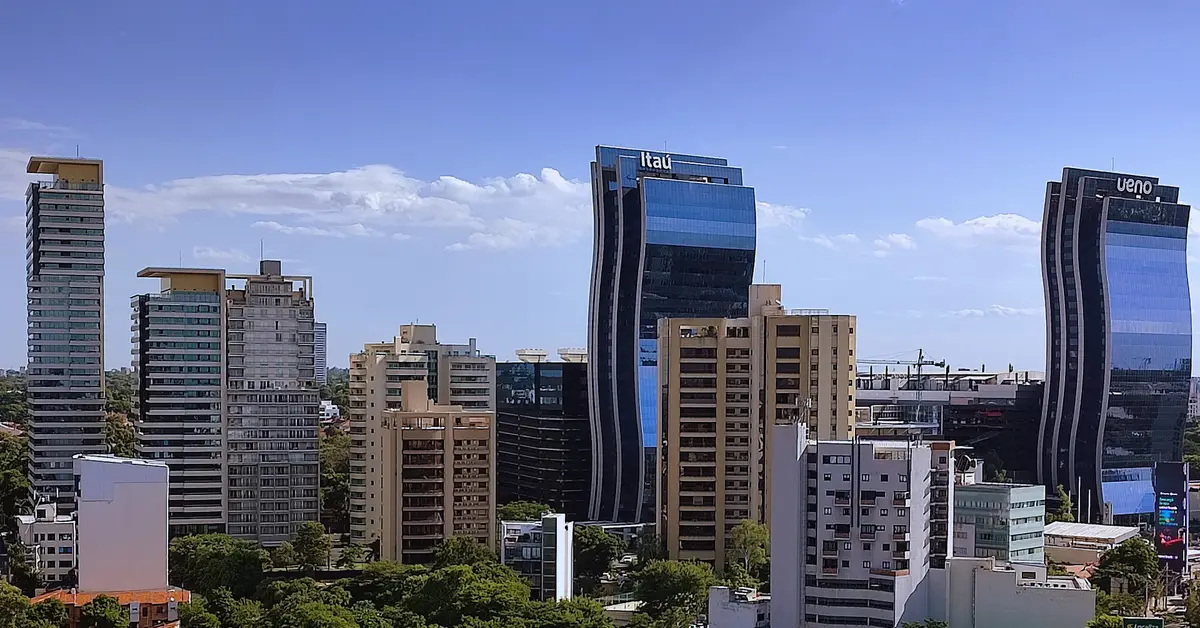
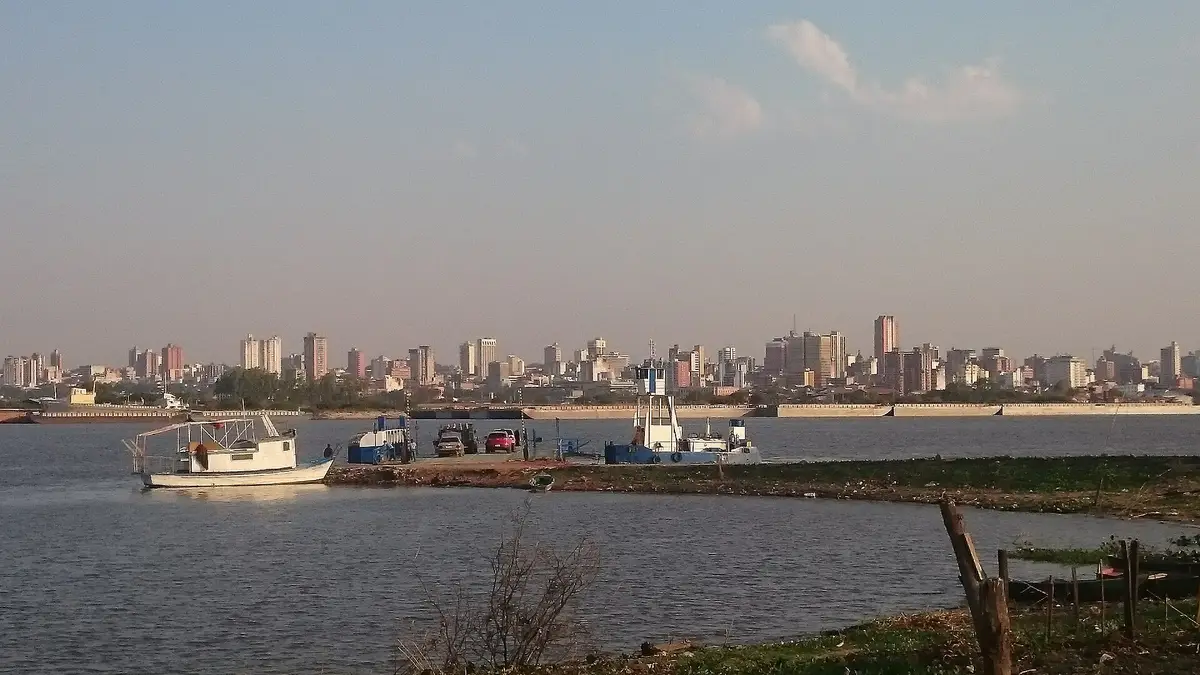
Paraguay demographics depict a landlocked nation in South America with a population of approximately 6–7 million, the majority of whom are mestizo of European-Guaraní descent. It is a bilingual country of Spanish and Guaraní, with the population concentrated around the capital, Asunción, and the eastern region, while the vast Chaco region remains sparsely populated.
Contents
Overview of Paraguay demographics
When discussing Paraguay demographics, the first notable point is the relatively modest population size compared to its land area. The country has an estimated population of approximately 6–7 million, a small figure when compared to large neighbours like Brazil or Argentina. This sparse population reflects the geography of a landlocked nation, where natural conditions are clearly divided between two main regions.
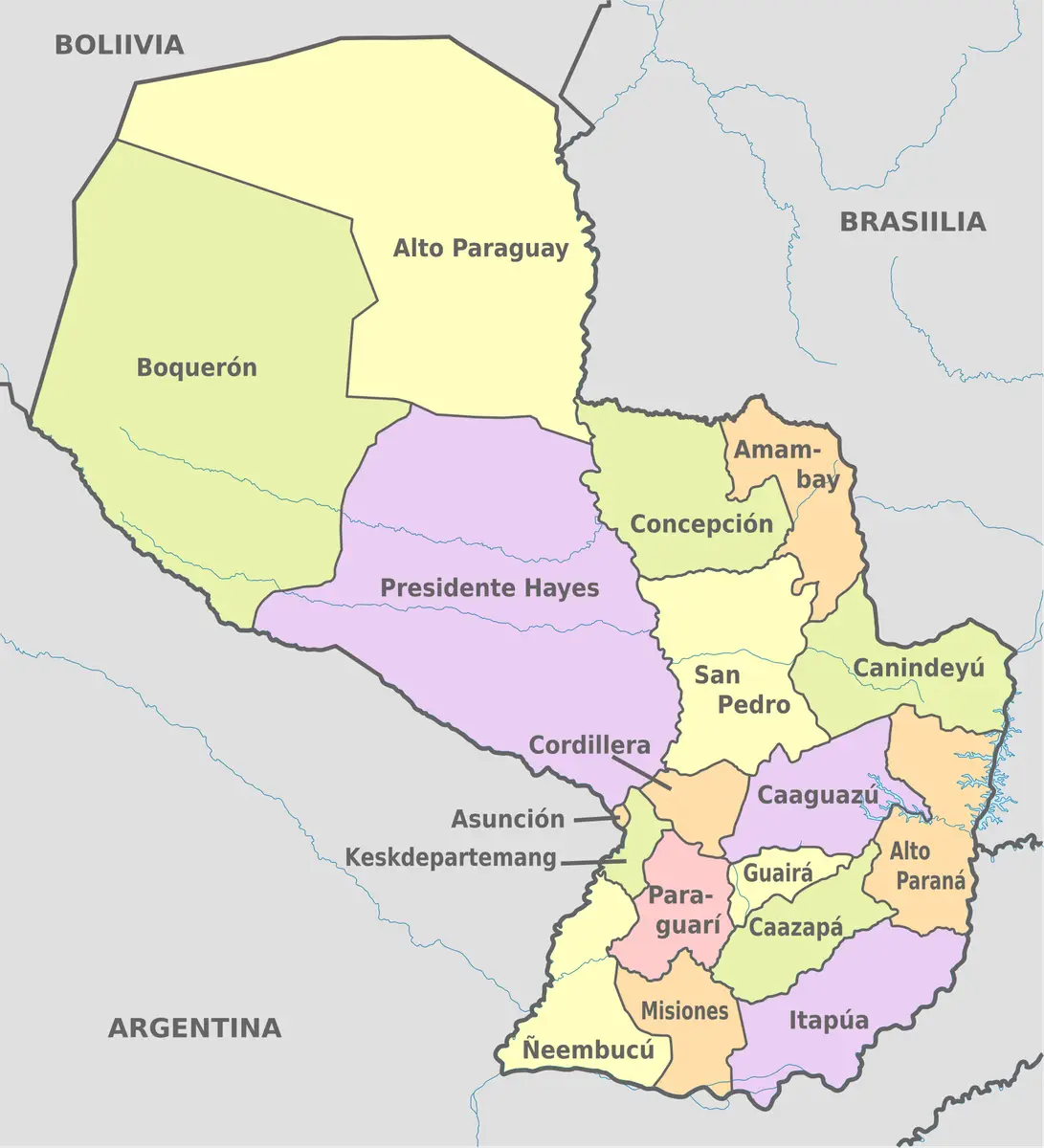
The majority of the population is concentrated in the region east of the Paraguay River, particularly around the capital, Asunción, and its surrounding provinces. Conversely, the vast Gran Chaco region in the west, which accounts for the majority of the country’s area, has a very low population density. To better understand this spatial context, one may refer to Paraguay geography.
Detailed population data is usually published by the national statistics agency through census cycles. Because population data is subject to change and carries a certain time lag, this article prioritises qualitative description, focusing on trends and structure rather than absolute numbers that may quickly become outdated.
Considering a residency programme? The Prosperous Living Investment team assesses your profile free of charge and advises on the pathway that fits your goals.
Population size and distribution
As mentioned, the population of Paraguay is approximately 6–7 million. This is one of the smaller nations in South America by population size, yet the growth rate over the past several decades has remained positive due to a young population structure and a birth rate that is relatively high compared to the regional average.
Population distribution is highly concentrated. Most people live in the fertile eastern region, where there is agricultural land, water sources, and better transport systems. The large urban area around Asunción – often called Gran Asunción – is the most populous and dynamic region in the country.
In contrast, the Gran Chaco region in the west, despite accounting for a very large proportion of the land area, is home to only a small fraction of the population. The arid climate, harsh soil, and limited infrastructure make it sparsely populated, primarily by livestock farming communities, some indigenous groups, and specific settlements.
Urbanisation has been strong in recent decades. The proportion of the population living in urban areas has increased significantly, although Paraguay still retains a significant rural population engaged in agriculture and livestock activities.
Ethnic composition and mestizo origins
A prominent feature of Paraguay demographics is the relative ethnic homogeneity. The majority of the population is mestizo – meaning people of mixed blood between European descent (primarily Spanish from the colonial era) and indigenous Guaraní. This intermixing has formed over many centuries since the Spanish first arrived in this land.
It is this mestizo foundation that has created a fairly unified national identity, unlike some Latin American countries where ethnic boundaries are more distinct. Paraguayans commonly identify through a dual Guaraní-Spanish heritage, which is clearly expressed in their language, cuisine, and daily customs.
Besides the majority mestizo group, there are other communities of European descent, purely indigenous groups, and more recent immigrant communities. This heritage is closely linked to the country of Paraguay as a cultural-historical whole.
Guaraní indigenous peoples
The Guaraní are the long-standing indigenous inhabitants of the Paraguayan land, present since before the arrival of Europeans. Although the majority of the population today is mestizo, purely indigenous communities still exist and maintain their own identity, living scattered across both the eastern region and the Chaco region.
Indigenous groups in Paraguay belong to many different linguistic and cultural systems, not just the Guaraní branch. The total number of people belonging to purely indigenous communities accounts for a small percentage of the population, yet their cultural and symbolic role is very significant, especially through the Guaraní linguistic heritage.
Many indigenous communities face challenges regarding living conditions, access to land, healthcare, and education. This is an issue of concern for human development researchers; reports from United Nations Development Programme often mention the aspect of inequality between population groups.
The Guaraní heritage is not viewed as a peripheral element but, on the contrary, is celebrated as a core part of the national identity. This makes Paraguay a special case in the Americas regarding the level of presence of indigenous language and culture in contemporary life.
Language: a bilingual nation of Spanish and Guaraní
Linguistic characteristics are among the most unique aspects of Paraguay demographics. This is an officially bilingual country, with Spanish and Guaraní both recognised. Guaraní is not just the language of an indigenous minority, but is used widely throughout society.
A large portion of the population can communicate in both languages, and many people use Guaraní in daily life, especially in rural areas. The phenomenon of mixing the two languages in daily speech – sometimes known by the popular name “jopara” – is also quite common.
Spanish often dominates in administrative, business, media, and urban environments, while Guaraní is closely tied to family life, community, and national identity. This coexistence creates a linguistic landscape rarely seen in Latin America.
The role of Guaraní is also reflected in the school system, where a bilingual curriculum is applied. Interested readers can learn more about how language operates in Paraguay education.
Religion and spiritual life
Regarding religion, the majority of the population in Paraguay follows Roman Catholicism, a legacy tied to the Spanish colonial period and the historical Jesuit missions. Catholicism plays a significant role in cultural life, festivals, and community rituals.
Alongside Catholicism, Protestant and Evangelical denominations have grown in recent decades, a trend also observed in many other Latin American countries. There are also other religious groups and a segment of the population that does not follow any religion.
Folk beliefs are sometimes intertwined with orthodox Catholic practices, reflecting a characteristic cultural blend. Religious holidays, pilgrimages, and patron saint festivals are important community events throughout the country.
Age structure and youth population trends
Paraguay has a relatively young population structure compared to many developed countries. The proportion of people of working age and the young population remains high, while the percentage of elderly people is lower than in countries with aging populations.
This characteristic creates what is often called a “demographic dividend” — the potential from a plentiful workforce. However, to harness this advantage, commensurate investment in education, healthcare, and job creation is required; otherwise, the advantage may not translate into sustainable growth.
The birth rate in Paraguay has gradually declined over time, a common trend in the demographic transition process. Nevertheless, the rate of decline is slower than in some countries in the region, so the population is forecast to continue growing in the coming years, albeit at a slower pace.
Life expectancy has generally improved thanks to advances in healthcare and living conditions. Composite human development indicators are often tracked in international reports, reflecting a multidimensional picture of the quality of life.
Migration and immigrant communities
Migration history has also helped shape Paraguay’s demographics. In the past, the country received many waves of immigrants from Europe as well as from neighboring countries. One notable community is the German-descended Mennonites, who settled mainly in the Chaco region and play an important role in agricultural production and livestock farming.
In addition, there is a community of Brazilian descent — often called “brasiguayos” — living and farming in the eastern border regions, associated with soybean cultivation and large-scale agriculture. Other immigrant groups from various countries are also present.
Conversely, Paraguay also experiences outward migration, as some citizens seek employment opportunities in Argentina, Spain, and other countries. Remittances from the Paraguayan community abroad are a significant source of income for many households.
The diversity from immigrant communities, while not changing the dominant mestizo identity, adds distinct economic and cultural nuances, especially in the fields of agriculture and commerce.
Urbanisation and life in Asunción
Asunción, the capital and the country’s administrative and economic centre, is the nucleus of urbanization. The metropolitan area expanding around the capital concentrates a significant portion of the country’s population, along with rapidly developing satellite cities within the greater metropolitan region.
The flow of people from rural areas to cities in search of jobs and services has driven urban expansion for many decades. This process brings opportunities but also poses challenges regarding housing, infrastructure, transport, and public services in peripheral areas.
Outside the capital region, several cities in the eastern region and border areas also serve as important growth poles, linked to border trade and agriculture. This urban network reflects the uneven distribution of the population between the country’s two major geographical regions.
Detailed urban population data is usually updated through censuses conducted by the statistics agency. Readers can refer to official data from the National Institute of Statistics of Paraguay for the most up-to-date information.
Demographic challenges and future trends
Looking to the future, Paraguay’s demographics are shaped by many parallel trends. The population is forecast to continue growing but at a gradually slowing pace, while the age structure will shift as birth rates fall and life expectancy rises.
A central challenge is how to leverage the advantage of a young population before the aging process takes hold. This requires improving the quality of education, labour skills, and expanding job opportunities so that the large workforce becomes a true driver of development.
Furthermore, the issue of inequality between urban and rural areas, as well as between different population groups, remains a problem to be solved. The gap in income and access to healthcare and education can affect long-term human development prospects.
The unbalanced population distribution between the densely populated eastern region and the sparsely populated Chaco region also raises questions about regional development. Overall, Paraguay’s demographic picture holds potential due to its young population, but also contains challenges that require appropriate policies to translate opportunities into sustainable results.
Accompanying you on your journey in residency investment
The Prosperous Living Investment team advises on pathways, assesses profiles and manages investments transparently for every residency, citizenship and international property objective.
Free profile assessmentWhere life gets prosperous