


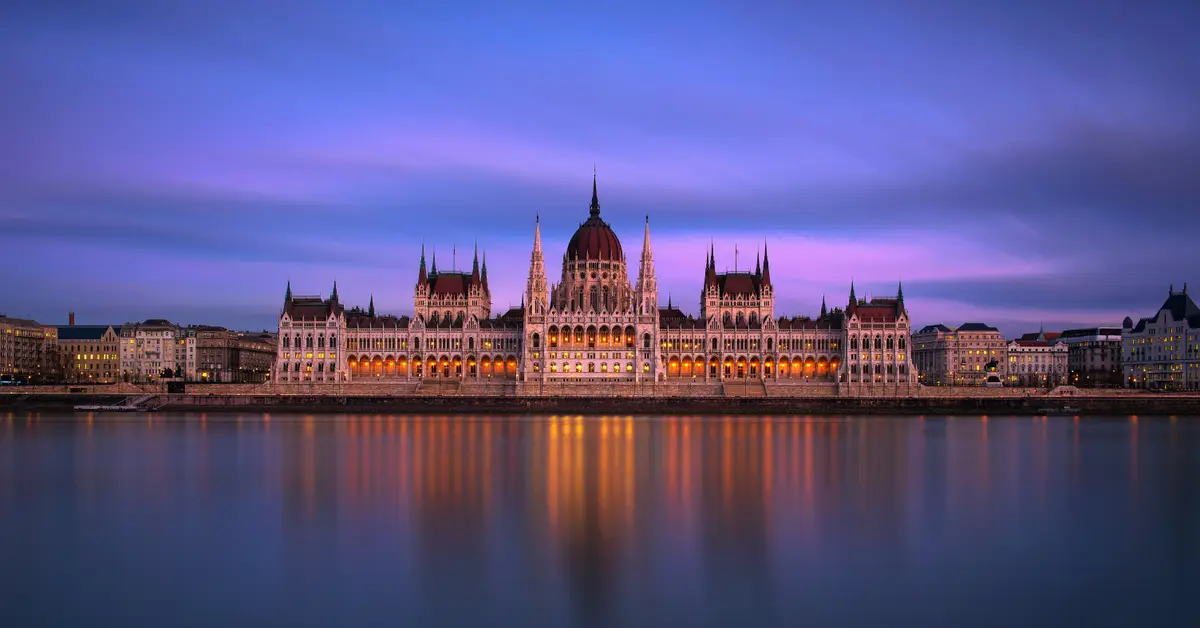
Hungary is a landlocked country in Central Europe, with its capital, Budapest, stretching along both banks of the Danube River. As a member of the European Union and the Schengen Area, Hungary is renowned for its long history, thermal springs, distinctive cuisine, and a unique Magyar culture in the heart of Europe.
Contents
Overview of Hungary
Hungary is a landlocked country in Central Europe, located primarily within the Carpathian Basin. The country has no coastline and is surrounded by seven neighbouring countries. The capital and largest city is Budapest, formed by the unification of the Buda and Pest areas on either side of the Danube River.
The official name of the country is Hungary (native language: Magyarország, meaning “land of the Magyars”). It is a parliamentary republic that uses the forint as its national currency. With its central location on the continent, Hungary has long served as a crossroads between Western and Eastern Europe in terms of geography, culture, and trade.
Hungary joined the European Union (EU) in 2004 and is a member of the Schengen Area, allowing for free movement across most of the continent. This article summarises key aspects of geography, history, political systems, economy, population, culture, and education, with links to more in-depth articles for each topic.
Considering a residency programme? The Prosperous Living Investment team assesses your profile free of charge and advises on the pathway that fits your goals.
Key facts about Hungary
Below are some basic indicators for Hungary, compiled from sources such as the World Bank, the United Nations Development Programme (UNDP), and national statistical agencies. Economic and population data are updated periodically and may change from year to year.
- Capital: Budapest
- Area: approximately 93,030 km²
- Population: approximately 9.6–10 million people
- GDP per capita: approximately US$23,900 (in 2024)
- Human Development Index (HDI): 0.870 in 2023 (very high category)
- Currency: forint (HUF)
The figures above are for reference at the time of compilation. For official purposes or decision-making, the latest data should be verified with the aforementioned bodies, as GDP, population, and development rankings are subject to annual adjustments.
Location and prominent geography
Detailed article on the Geography of Hungary
Geographically, Hungary borders Austria to the west, Slovakia to the north, Ukraine to the northeast, Romania to the east, and Serbia, Croatia, and Slovenia to the south. This landlocked position makes road, river, and rail transport vital for regional connectivity.
Most of the territory consists of plains, most notably the Great Hungarian Plain (Alföld), which stretches across the east and south. The Danube River flows from north to south, bisecting the country, while the Tisza River irrigates the eastern plains. These waterways are of great significance to agriculture and daily life.
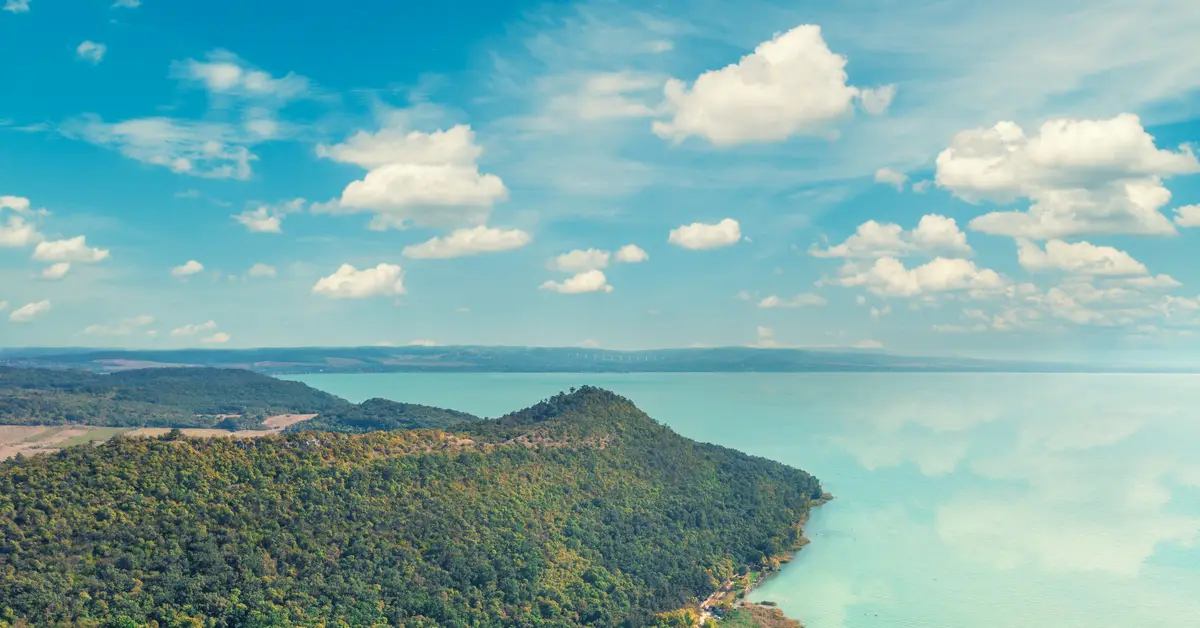
Lake Balaton in the west is one of the largest freshwater lakes in Central Europe and a popular holiday destination. Hungary is also known for having some of the richest thermal and geothermal spring resources in Europe. The climate is temperate continental with four distinct seasons and fertile soil suitable for cultivation.
History of Hungary
Detailed article on the History of Hungary
The history of Hungary became clearly defined when Magyar tribes arrived in the Carpathian Basin around the end of the 9th century. The Kingdom of Hungary was officially established when King Saint Stephen I (István) ascended the throne and converted the nation to Christianity around the year 1000, laying the foundation for a strong medieval state.
Over the centuries, Hungary was under the rule of the Ottoman Empire and later the Habsburg Dynasty. In 1867, the Austro-Hungarian Empire was established, making Hungary one half of a European power. However, after the First World War, the 1920 Treaty of Trianon profoundly altered the country’s territory and borders.
The 20th century saw Hungary endure the Second World War, the socialist era, and the events of 1956. A major turning point arrived in 1989–1990 with the democratic transition, paving the way for accession to the European Union in 2004 and deep integration into modern Europe.
Political and administrative system
Detailed article on the Hungarian politics
Regarding Hungarian politics, the country operates as a parliamentary republic. The unicameral National Assembly (Országgyűlés) is the supreme legislative body, which elects the Prime Minister, who heads the government and holds actual executive power. The President is the head of state, primarily fulfilling ceremonial and representative roles.
The highest legal framework is the Fundamental Law, the constitution in force since 2011. An independent judiciary and the Constitutional Court serve to protect and interpret the constitution. Hungary is a member of both the European Union and the North Atlantic Treaty Organization (NATO).
Regarding administrative divisions, Hungarian territory is organised into counties (megye), alongside the capital, Budapest, which has a special status. According to information from the Hungarian government portal About Hungary, the local government system is decentralised to manage these units. Details regarding the structure may change according to current regulations.
Economy of Hungary
Detailed article on the the Hungarian economy
The Hungarian economy is classified as a high-income economy, is export-oriented, and is deeply integrated into the European Union’s supply chains. According to data from World Bank, Hungary is an open economy with a high dependency on international trade.
The automotive and manufacturing industries are pillars of the economy, alongside the electronics and pharmaceutical sectors. The country attracts significant foreign direct investment due to its favourable transit location in Central Europe and its skilled workforce. The national currency in circulation is the forint (HUF, Hungarian forint).
Tourism is also an important source of revenue, with Budapest, Lake Balaton, and the thermal spring network being attractive destinations. However, growth figures and economic scale often fluctuate from year to year, so it is advisable to consult official statistical sources for the most up-to-date and accurate data.
Population and demographics
Detailed article on the Demographics of Hungary
The demographic picture of Hungary shows a population of approximately 9 to 10 million, with a slight downward trend and an ageing population in recent decades. The level of urbanisation is quite high, with Budapest being the largest urban centre, concentrating a significant portion of the population and economic activity.
The population is primarily Hungarian (Magyar), along with minority groups such as the Roma and Germans. The official language is Hungarian. Regarding religion, Roman Catholicism and various Protestant branches are common faiths, although the rate of religious practice varies over time.
In response to the declining population, the government has implemented many policies to encourage childbirth and support families. Migration and labour issues are also among the country’s long-term demographic concerns. Specific data should be checked with the national statistical agency to ensure it is current.
Culture, cuisine, and thermal springs
Detailed article on the Culture of Hungary
Hungarian cultural identity is first and foremost distinguished by its language. The Hungarian language (Magyar) belongs to the Finno-Ugric language family, which is distinctly different from most neighbouring languages that belong to the Slavic or Germanic groups. This creates a unique feature in the nation’s culture and identity.
Hungary has a renowned musical tradition, associated with names such as Franz Liszt, Béla Bartók and Zoltán Kodály. Alongside this is a rich literary and architectural heritage in Budapest, and a thermal bath tradition that has become a long-standing cultural practice, featuring many famous historic bathhouses.
Hungarian cuisine leaves a strong impression with gulyás (goulash), characteristic paprika and crispy fried lángos. Folk festivals, traditional customs and recognised heritage contribute to the richness of cultural life. Many of Hungary’s heritage values have been recognised by UNESCO across various categories.
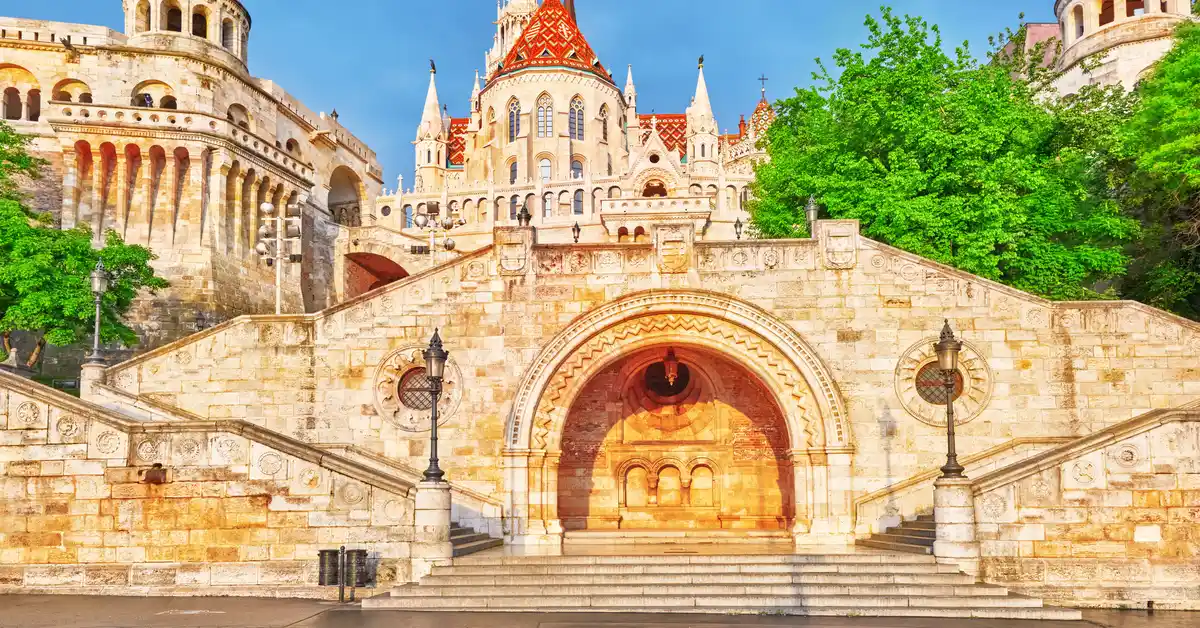
Tourism and thermal culture
Hungary is known as one of the most thermal and geothermal-rich destinations in Europe, thanks to the geological characteristics of the Carpathian Basin. The tradition of thermal bathing here dates back to ancient times and has continued through many historical periods, becoming a familiar part of the daily life of the people.
In Budapest, large-scale public bathhouses are iconic destinations, combining relaxation, community life and architectural value. Beyond the capital, many other thermal spa towns also attract visitors seeking a hot spring experience amidst the characteristic natural scenery of Central Europe.
Beyond thermal springs, Hungarian tourism revolves around historical monuments, the Lake Balaton region and traditional wine routes. The combination of landscape, culture and wellness values helps Hungary maintain its appeal to international visitors throughout all four seasons of the year.
Lifestyle and relative cost of living
Compared to many countries in Western Europe, Hungary is generally considered to have a relatively affordable cost of living, although specific perceptions depend on each city and individual lifestyle. Budapest, as the central hub, typically has a higher cost base than smaller towns and rural areas.
Urban life in Hungary is supported by developed public transport infrastructure, especially in the capital with its system of underground trains, trams and buses. Public health, education and living amenities are generally available, although quality and pricing may vary between the public and private sectors.
It should be noted that figures regarding prices, rent or income fluctuate over time and with the forint exchange rate. Therefore, this is only a qualitative assessment; interested parties should consult updated statistical sources and surveys to obtain an accurate picture for any given time.
Position within the European Union
As a member of the European Union since 2004 and part of the Schengen Area, Hungary participates in the single market and the bloc’s common policy framework. Its geographical location in the centre of the continent allows the country to act as an important transit point in the internal trade and transport network.
Hungary maintains its national currency, the forint, rather than using the euro, a choice that reflects the country’s own monetary policy within the framework of EU membership. Additionally, Hungary participates in many regional cooperation mechanisms, including the cooperation framework between Central European countries.
EU and Schengen membership provides citizens and legal residents in Hungary with advantages regarding travel and regional integration. This is one of the factors that keeps Hungary in a notable position on the economic and immigration map of modern Europe.
Education and tourism
Detailed article on the Hungarian education system
The Hungarian education system provides universal education at public levels, including preschool, primary and secondary stages (consisting of academic-oriented gymnasiums and vocational schools). The secondary school graduation exam, known as érettségi, is an important milestone before students enter university.
Hungary possesses many long-standing universities such as Eötvös Loránd University (ELTE), the University of Szeged and the University of Debrecen. Medical and technical training programmes attract a large number of international students. The university system operates according to the Bologna Process within the European Higher Education Area, alongside many international scholarships.
Regarding tourism, Budapest with its Parliament building on the Danube, thermal baths and old town is a top destination. Lake Balaton, wine towns and traditional villages also contribute to Hungary’s appeal to international visitors year-round.
Immigration and investment in Hungary
Detailed article on the Hungary residency by investment
As a member of the European Union and the Schengen Area, Hungary attracts the interest of investors and those wishing to reside in Europe. In recent years, the country has relaunched its investor visa programme, opening up more options for foreigners who want to commit to the country long-term.
The Hungarian residency by investment programme focuses on forms such as capital contributions to recognised investment funds or other eligible contributions, accompanied by a residence permit and a renewal pathway. Specific investment thresholds and conditions may change, so it is necessary to check current regulations.
Residence rights in Hungary mean the ability to travel conveniently within the Schengen Area. This is a factor that makes Hungary a notable destination on the European immigration map. All information regarding the programme should be cross-referenced with official sources to ensure accuracy.
- Central European location, convenient for connecting across the continent.
- Member of the European Union and the Schengen Area.
- Cost of living and living environment considered reasonable by many foreigners.
Accompanying you on your journey in residency investment
The Prosperous Living Investment team advises on pathways, assesses profiles and manages investments transparently for every residency, citizenship and international property objective.
Free profile assessmentWhere life gets prosperous