

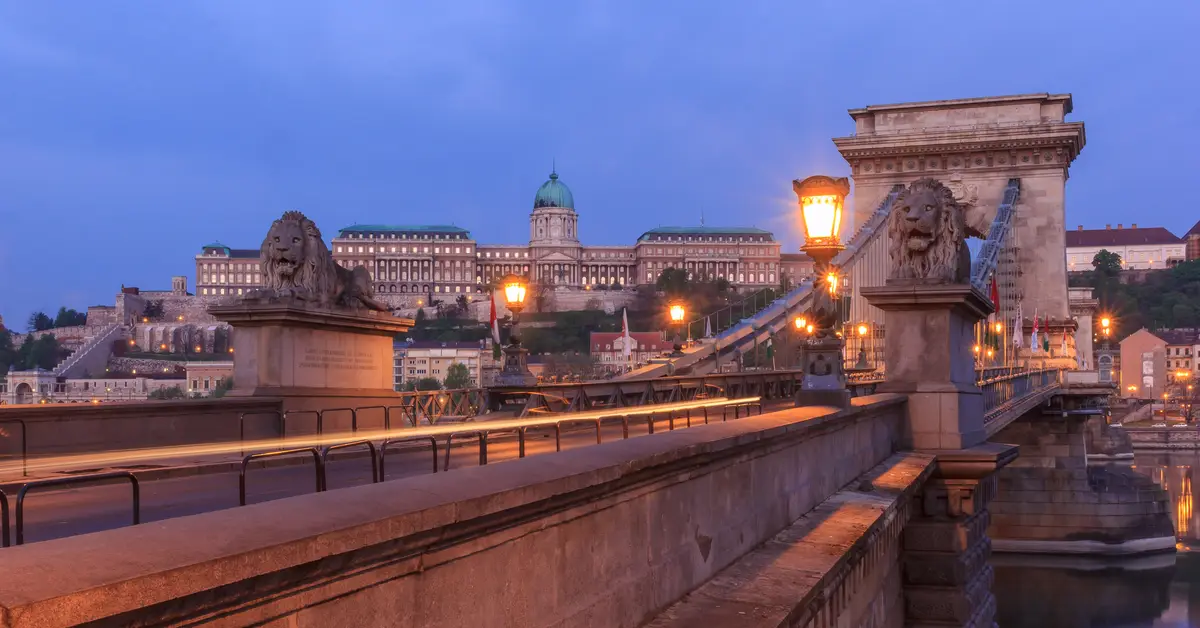
The Hungarian economy is a high-income, medium-sized, export-oriented economy that is deeply integrated into the European Union. The Hungarian economic picture, with the capital Budapest as its centre, stands out for its strategic Central European location, automotive industry, manufacturing, electronics, and significant foreign investment inflows.
Contents
Overview of the Hungarian economy
The Hungarian economy is classified as a high-income economy by international organisations. It is a medium-sized market economy that is strongly open and heavily dependent on trade with the rest of the European Union. Its modern structure features a service sector that accounts for the largest share, followed by manufacturing, while agriculture, although small in proportion, still holds an important traditional role.
Following the transition from a planned economy to a market economy in the early 1990s, Hungary has undergone extensive restructuring. The process of privatisation, attracting investment, and opening up trade has reshaped the entire production base. According to aggregated data from World Bank, this country has gradually narrowed the development gap with Western European countries, although the average income level remains lower than the bloc’s average.
A prominent feature is its very high trade openness: total import and export turnover is often equivalent to or exceeds the size of the national output. This makes the economy sensitive to the economic cycles of major partners, especially Germany. Furthermore, European Union membership provides access to the single market and development support funds.
Considering a residency programme? The Prosperous Living Investment team assesses your profile free of charge and advises on the pathway that fits your goals.
Structure of sectors in the Hungarian economy
The service sector contributes the largest share to Hungary’s output and employment. Notable sub-sectors include trade, transport, logistics, finance, telecommunications, information technology, and business shared services. Many multinational corporations have established shared service centres and operational support centres in Budapest, taking advantage of a qualified workforce and competitive costs compared to Western Europe.
Manufacturing is the second pillar and a key export driver. Automotive production, components and electronic equipment occupy a central position. In addition, pharmaceuticals, chemicals, food processing and machinery manufacturing also boast a long tradition and significant capacity.
Agriculture accounts for a small proportion of total output but has a solid foundation thanks to the Great Plain’s favorable soil and climate conditions. Typical products include grains, corn, sunflower seeds, meat, wine and paprika. Most agricultural produce serves both domestic consumption and export to neighboring European markets.
Automotive industry and export manufacturing
The automotive industry is considered the backbone of Hungary’s manufacturing sector. Many world-leading car manufacturers and component suppliers have established assembly plants, engine production facilities and component plants in the country. Production facilities are distributed across various localities, forming industrial clusters closely linked with the automotive supply chains of Germany and Central Europe.
In recent years, Hungary has strongly promoted investment in electric vehicles and batteries. Several large-scale battery manufacturing projects have been implemented, aiming to make the country a crucial link in Europe’s battery supply chain. However, this direction also raises environmental, water and energy concerns that must be carefully considered.
Alongside the automotive sector, electronics and high-tech equipment play a major role in the export basket. Machinery, telecommunications equipment and electronic components frequently rank among the primary export items. Consequently, the health of these industries is closely tied to global market demand and international supply chain stability.
Foreign direct investment and the business environment
Foreign direct investment has played a pivotal role in Hungary’s economic development since the 1990s. Its central European location, connected transport infrastructure, technical workforce and tax incentive policies have attracted substantial capital inflows from Western Europe, East Asia and North America. Most of this capital concentrates on industrial manufacturing, business services and certain technology sectors.
The Hungarian government pursues a proactive strategy of inviting major manufacturers through strategic cooperation agreements and investment support. This approach helps maintain capital flows into export industries, yet it also makes the economy heavily reliant on the decisions of multinational corporations. Alongside corporate capital flows, channels Hungary residency by investment dedicated to foreign individuals also help attract additional resources. The domestic small and medium-sized enterprise sector contributes significantly to employment, but average productivity remains lower than in the foreign-invested sector.
The business environment is generally assessed as relatively favorable thanks to infrastructure and human resources, although considerations remain regarding policy stability and administrative procedures. Organizations such as International Monetary Fund regularly recommend that Hungary continue to improve productivity, diversify sources of growth and strengthen institutions to maintain long-term competitiveness.
The forint and monetary policy
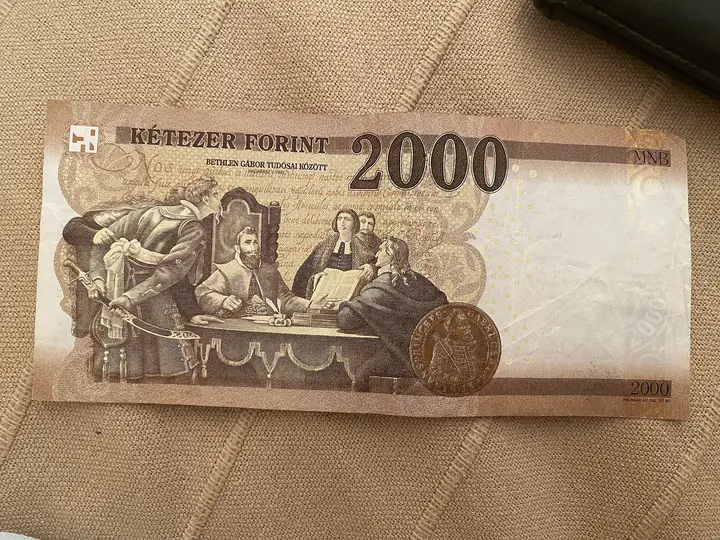
Hungary’s currency is the forint, with the international code HUF. Although an EU member, the country maintains its own domestic currency and has not joined the euro area. Retaining the forint allows the Magyar Nemzeti Bank to proactively manage monetary policy suited to domestic conditions.
The forint’s exchange rate against the euro and the US dollar can fluctuate depending on macroeconomic conditions, inflation and international capital flows. During periods of heightened price pressures, the central bank typically adjusts interest rates to stabilize the currency’s value and control inflation. Therefore, currency stability is a critical variable for both businesses and citizens.
Questions regarding the timing and roadmap for joining the euro area remain a subject of discussion, but no commitment to a specific timeline exists. Maintaining a separate currency provides operational flexibility while posing exchange rate risk challenges for an economy heavily dependent on trade and foreign capital.
International trade and European Union integration
Hungary is an outward-looking economy with a very high degree of integration into the European single market. Most foreign trade takes place with European Union member states, with Germany being the largest and most vital trading partner. This connection is clearly demonstrated by the fact that many factories in Hungary form part of supply chains led by German corporations.
The structure of goods exports leans heavily toward machinery, transport vehicles, electronic equipment and manufactured products. Conversely, the country imports raw materials, intermediate components, energy and consumer goods. This characteristic indicates that the economy participates deeply in the international division of labor rather than merely exporting finished products.
EU membership since 2004 and participation in the Schengen area offer significant advantages in market access and the free movement of goods and labor. Coupled with Geography of Hungary situated in the center of the continent, transport routes and logistics infrastructure help the country serve as a transit gateway between Western Europe and Southeast Europe.
Tourism and the contribution of Budapest
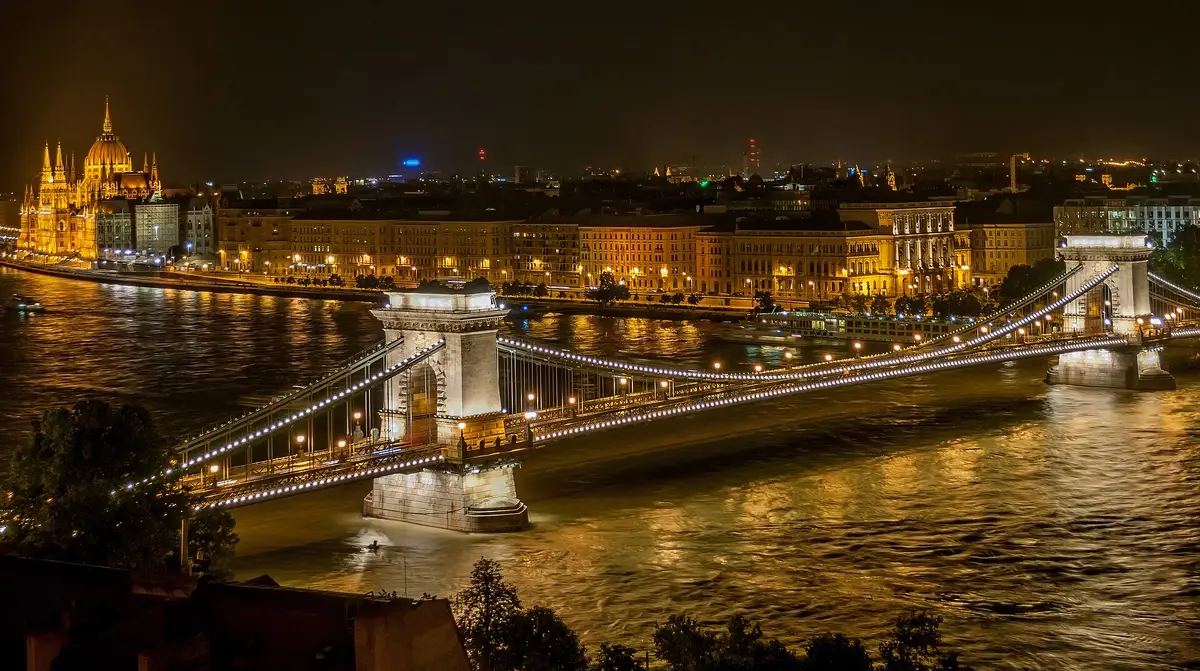
Tourism is a vital source of foreign exchange and employment for the Hungarian economy. The capital, Budapest, with its historical architecture, thermal spring system and vibrant cultural life, is a top-attracting destination. Additionally, Lake Balaton, heritage cities and wine regions also contribute to diversifying tourism products.
Budapest is not only a tourism centre but also the economic engine of the entire country. The majority of financial services, technology, higher education and corporate headquarters concentrate here. This concentration creates a certain development disparity between the capital and rural areas, an issue that regional development policies aim to narrow.
Thermal bathing traditions tied to abundant geothermal resources have become a characteristic tourism brand. Wellness tourism, spa retreats and conference tourism complement traditional visitor flows, helping the accommodation and food service sectors maintain vitality.
Labour, education, and productivity
Hungary’s workforce is evaluated as having a strong technical foundation, particularly in engineering, technology and manufacturing sectors. The Hungarian education system system with its long-standing training tradition provides human resources for both industrial and service sectors. The link between training and labor market demand is a key factor for competitiveness.
However, the economy faces challenges regarding population aging and labor shortages in certain industries. The migration of young workers to Western European countries in recent years places additional pressure on the domestic labor market. Therefore, enhancing productivity and retaining human resources have become key priorities.
Hungary’s average labor productivity generally remains lower than the average of developed Western European economies. This gap reflects the disparity between the modern foreign-invested sector and the rest of the economy. Improving skills, technological innovation and investment in research are seen as the paths to bridge this gap.
Challenges and prospects of the Hungarian economy
Hungary’s economic outlook is closely tied to developments in the European economy, particularly Germany and the global automotive market. Heavy reliance on a few export industries makes the economy vulnerable to external shocks such as supply chain disruptions, energy price fluctuations or declining international demand.
Internal challenges include inflationary pressures during certain periods, the need to diversify growth sources and the enhancement of productivity. Furthermore, energy security, the green transition and relations with European Union institutions also influence long-term capital flows and the investment environment.
Even so, the economy still possesses many fundamental advantages: a strategic geographical location, relatively developed infrastructure, a skilled workforce and integration with European supply chains. If it continues investing in technology, education and institutional reform, Hungary has the opportunity to consolidate its position in Central Europe. Specific growth figures may change over time and should be verified through updated official statistical sources.
Accompanying you on your journey in residency investment
The Prosperous Living Investment team advises on pathways, assesses profiles and manages investments transparently for every residency, citizenship and international property objective.
Free profile assessmentWhere life gets prosperous