


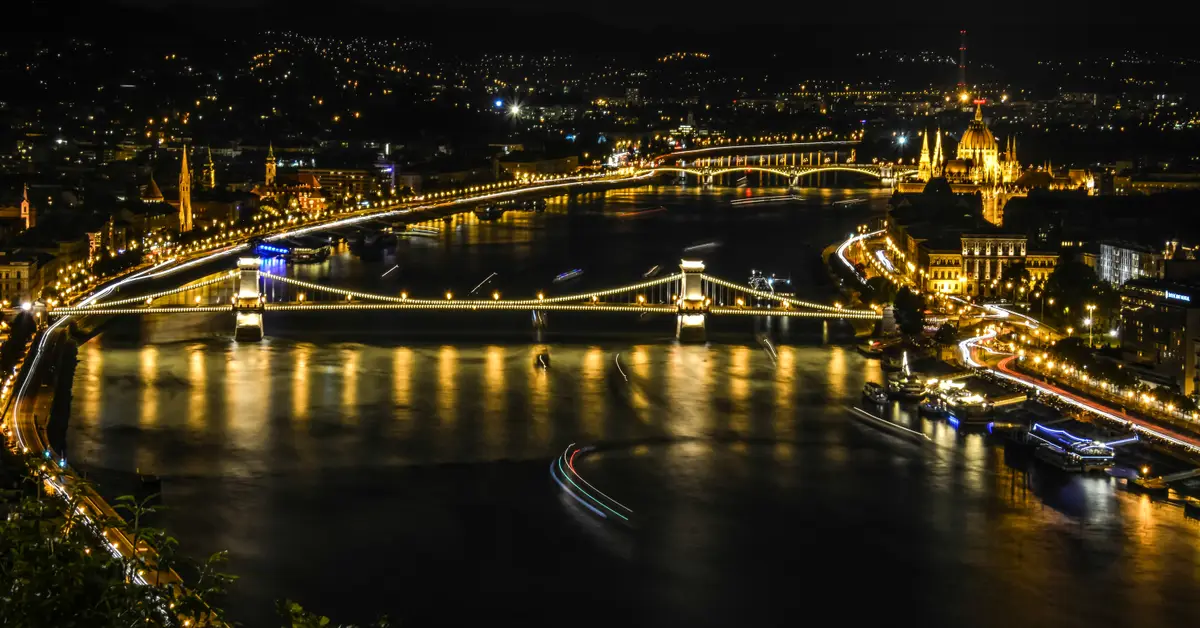
Hungarian education is a long-standing system in Central Europe that combines academic tradition with modern European standards. From preschool to university, the system aims for universal access, is free in the public sector, and is increasingly welcoming international students to Budapest and many other cities.
Contents
Overview of the Hungarian Education System
The Hungarian education system is organised into successive levels, from preschool, primary, and secondary school to university and postgraduate levels. This is one of the important social pillars of Hungary, linked to an academic history spanning many centuries in the Central European region.
The state plays a leading role in organising and funding education. Most public schools apply the principle of universal access and free tuition for students of compulsory school age, alongside a system of private schools and schools operated by religious organisations.
Hungarian is the primary language of instruction at most levels. However, due to the increasing need for international integration, many programmes in English and other languages have emerged, particularly at the university level and in international schools in Budapest.
Considering a residency programme? The Prosperous Living Investment team assesses your profile free of charge and advises on the pathway that fits your goals.
Preschool and Primary Education
Preschool education in Hungary is highly valued and has a long tradition, with a widespread network of nurseries and kindergartens. Young children typically begin to familiarise themselves with an organised educational environment quite early, before entering compulsory schooling.
According to general regulations, children begin attending kindergarten a few years before primary school age, and attendance in the final stage of preschool is compulsory to prepare children with language, social, and cognitive skills. Figures regarding age and duration may change according to current regulations.
Primary school (általános iskola) typically lasts for several years and includes the stage considered lower secondary school in many other countries. The curriculum focuses on reading, writing, mathematics, natural and social sciences, as well as physical education and the arts, providing a basic academic foundation for students.
Secondary Education and the érettségi Graduation Examination
After basic education, Hungarian students can choose from various paths at the secondary level. The system is clearly branched between academically oriented schools and vocational schools, reflecting the continental European educational tradition.
Academic secondary schools, often called gymnasiums, prepare students for university entrance with an intensive theoretical curriculum. In addition, technical secondary schools and vocational schools focus on practical skills training, awarding vocational certificates and opening paths to the labour market or further education.
The most important milestone of secondary education is the érettségi (matura) graduation examination. This serves both as a confirmation of secondary school completion and as the basis for university admission. The examination consists of many compulsory and elective subjects, with standard and advanced levels depending on the candidate’s aspirations.
- Gymnasium: academically oriented, preparing for university.
- Technical secondary school: combining knowledge and professional skills.
- Vocational school: shorter vocational training, aimed at early employment.
- Érettségi: graduation examination that also serves as the basis for university admission.
Higher Education and Long-standing Institutions
Higher education is a highlight of Hungarian education, with many institutions possessing a long history and academic prestige. The system includes large comprehensive universities, universities of applied sciences, and specialised academies for art, music, or medicine.
Some notable institutions include Eötvös Loránd University (ELTE) in Budapest, the University of Szeged, the University of Debrecen, and the University of Pécs — many of which have roots in academies founded centuries ago. These schools provide multidisciplinary training, from basic sciences, law, and economics to medicine and engineering.
The development of higher education is closely linked to the Hungarian economy, as well-trained human resources serve industries, services, and research. Many schools also promote cooperation with businesses and research centres both domestically and internationally.
Major Universities: ELTE, Szeged, and Debrecen
ELTE (Eötvös Loránd University) is often considered one of Hungary’s leading comprehensive universities, with a long tradition and strengths in natural sciences, social sciences, law, and pedagogy. The university is located in Budapest and is a familiar destination for many domestic and international students.
The University of Szeged in the south is known for its research strengths, particularly in the fields of life sciences and biomedicine. The university is linked to the academic heritage of the city of Szeged, where many research projects widely recognised in the scientific community have taken place.
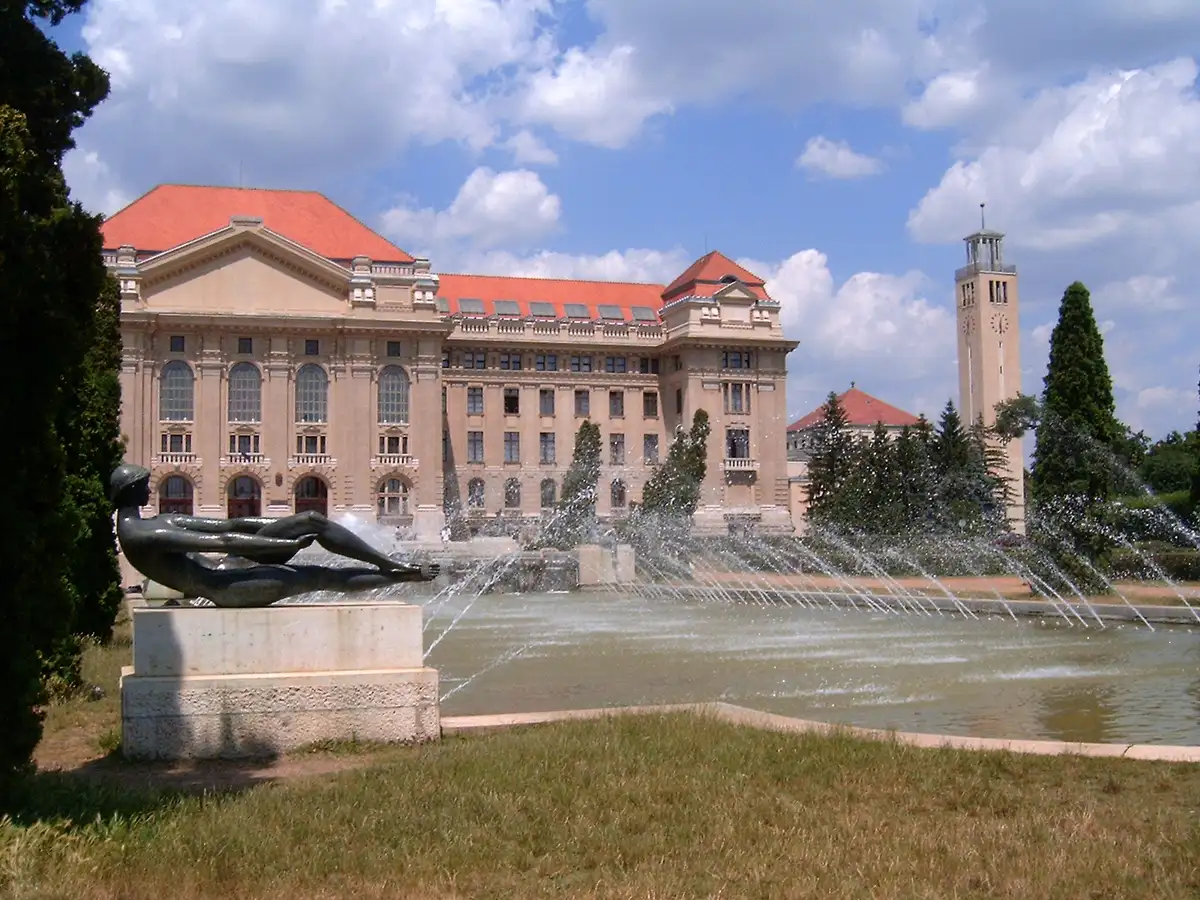
The University of Debrecen in the east is one of the largest multidisciplinary institutions, with a training scope ranging from medicine and agriculture to engineering and the humanities. Together with the University of Pécs, these schools form an important regional university network, helping to ensure that Hungarian education is not concentrated entirely in the capital.
Medical Training and the Attraction of International Students
One of the outstanding strengths of Hungarian education is training in medicine, dentistry, pharmacy, and veterinary medicine. Medical schools have a long tradition, offering curricula in English and German, attracting a large number of international students to study in Budapest, Szeged, Debrecen, and Pécs.
Medical programmes in Hungary typically last for several years under a continuous training model, combining basic theory with clinical practice in hospitals. Degrees are designed according to European standards, providing a basis for graduates to find opportunities to practise or continue their studies in many countries, depending on the recognition regulations of each place.
The appeal of medical studies stems from a combination of high-quality training, language programmes, and costs that many consider reasonable compared to Western Europe. Specific figures regarding tuition fees, study duration, and entry requirements may vary by institution and year, so candidates should refer to the latest official information.
Technical, Technological, and Scientific Training
Alongside medicine, engineering, information technology, and natural sciences also hold a strong position in Hungarian education. Many programmes combine theory with laboratory practice and corporate partnerships, meeting the demand for high-level human resources in Central Europe.
A strong tradition in mathematics and basic sciences has long been a hallmark, reflected in the achievements of Hungarian students in international academic competitions. This foundation supports the development of high-tech industries and applied research.
Study and living costs in Hungary are generally considered reasonable compared to many Western European countries, although specific levels may vary by institution and year. This factor, along with the living environment in Budapest, contributes to the country’s appeal to international students.
Stipendium Hungaricum Scholarships and Opportunities for Foreign Students
Hungary implements several scholarship programmes to attract international students, most notably Stipendium Hungaricum — a government-funded scholarship initiative for candidates from countries with cooperation agreements. The programme typically covers tuition fees, along with a living allowance and other benefits depending on specific conditions.
Stipendium Hungaricum is widely known and is one of the primary channels for bringing international students to Hungary for bachelor’s, master’s, and doctoral degrees. Detailed information regarding eligibility, fields of study, and quotas may change each intake, so candidates should check current regulations from the relevant authorities.
Official Hungarian government channels, such as the portal at The Government of Hungary, regularly update these programmes. The increase in international students is also linked to Demographics of Hungary, as the influx of young people coming to study and work partially offsets the trend of an ageing population.
Vocational Training and the Bologna Process
Vocational training is an important component of Hungarian education, with a system of vocational schools and skills training centres aligned with business needs. The model combining classroom learning with workplace internships helps students gain early access to the practical labour environment.
As a member of the European Union, Hungary participates in the European Higher Education Area and applies the Bologna Process. Consequently, the degree structure is organised into three familiar cycles: bachelor’s, master’s, and doctoral, although some fields such as medicine still follow an integrated training model.
The application of the European Credit Transfer and Accumulation System (ECTS) makes the qualifications and study periods of Hungarian students easily recognised across Europe, facilitating student exchanges and programme transfers. Hungary also participates in European academic cooperation initiatives that support the mobility of students and lecturers.
Management, Quality, and Development Trends
Hungarian education is coordinated by state agencies responsible for education and science, with a national curriculum framework setting knowledge and skill standards for each level of education. Additionally, quality assurance mechanisms are applied to both primary and higher education.
In recent years, the system has witnessed many changes in governance, particularly at the university level, as some institutions have transitioned to a new management model through public interest trusts. Such policy adjustments may continue to evolve, so it is necessary to refer to current regulations.
The general trend is towards digitalisation, internationalisation, and closer integration between training and the labour market. International organisations such as the Organisation for Economic Co-operation and Development (OECD) also monitor and assess the country’s educational quality and outcomes, according to data published by OECD.
Challenges in Hungarian Education
Despite many strengths, Hungarian education also faces significant challenges. The trend of a declining and ageing population puts pressure on enrolment numbers at many levels of education, while also raising concerns about the future supply of human resources.
Another issue is the brain drain, as a portion of students and young professionals seek study and work opportunities in Western European countries with higher income levels. Coupled with this is the need to bridge the quality gap between schools in the capital and those in rural areas.
Reforms in university governance, curricula, and teacher remuneration are also frequently discussed topics. The general direction is to maintain a strong academic tradition while adapting to European standards and the requirements of a rapidly transforming economy.
The Role of Education in Hungarian Society
Education plays a foundational role in preserving the identity, language, and culture of Hungary, while simultaneously preparing human resources for an integrated economy. The tradition of valuing education is reflected in the depth of the universities and the country’s academic achievements.
Many scientists, musicians, and researchers of Hungarian origin have made an international mark, demonstrating the quality of the educational foundation and academic environment. A spirit of learning and investment in basic science have long been a characteristic of this society.
In the context of a declining and ageing population, education is seen as a key tool for increasing labour productivity and maintaining competitiveness. Therefore, investment in education, training, and research continues to be a strategic priority for the country.
Accompanying you on your journey in residency investment
The Prosperous Living Investment team advises on pathways, assesses profiles and manages investments transparently for every residency, citizenship and international property objective.
Free profile assessmentWhere life gets prosperous