

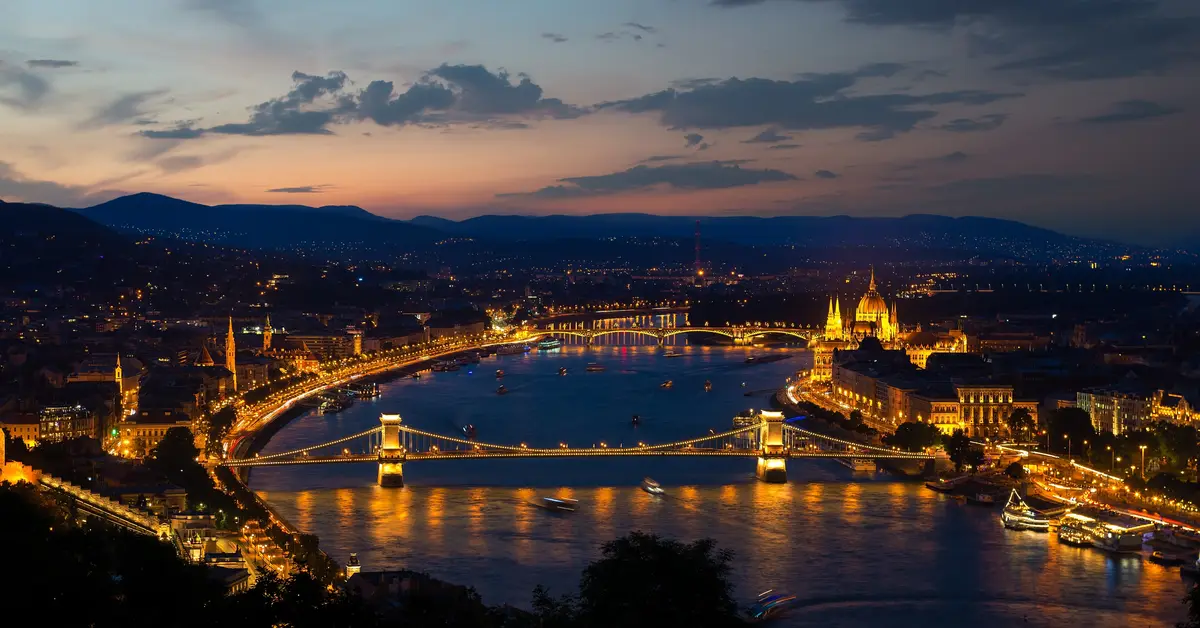
Hungarian demographics reflect a Central European nation with a population of approximately 9–10 million, facing trends of decline and ageing. The capital, Budapest, is the largest city, concentrating the majority of the urban population, while the rest of the country is spread across plains and small towns.
Contents
Overview of Hungarian demographics
When looking at the Hungarian demographic picture, the first thing that strikes one is the relatively modest population size compared to the land area. According to general estimates, the country has about 9–10 million inhabitants. This is a guiding figure, as censuses and annual statistics may provide minor adjustments each year.
Hungary is a country with a fairly even population distribution across most of its territory, except for the capital region. Most people live in medium and small cities, towns, and rural villages. The strongest population concentration is in the Budapest metropolitan area and provincial centres.
Additionally, to fully understand the human context here, you can refer to the overview article on Hungary. Demographic characteristics are always closely linked to the geographical location, migration history, and development policies of this nation.
The official statistical agency provides the most updated and reliable data. Readers interested in detailed figures can consult Hungarian Central Statistical Office (Központi Statisztikai Hivatal), the agency responsible for compiling national population data.
Considering a residency programme? The Prosperous Living Investment team assesses your profile free of charge and advises on the pathway that fits your goals.
Population size and decline trends
One of the most prominent features when discussing Hungarian demographics is the trend of a gradually declining population in recent decades. Low birth rates combined with natural mortality mean that natural population growth is often negative. This is a common situation for many Central and Eastern European countries.
This decline occurs gradually but quite steadily over the years. Without an inflow of immigrants to compensate, the total population is likely to continue to fall. However, the specific rate of decline in each period may vary, so detailed figures need to be verified from official statistical sources.
Furthermore, the population decline is not uniform across regions. Some rural areas and small towns see a more pronounced departure of the population, while the capital region and a few economic centres maintain a certain level of attraction. The phenomenon of internal migration from rural to urban areas further deepens this disparity.
Population ageing and age structure
Population ageing is a central challenge in the country’s demographic structure. The proportion of elderly people in the total population tends to increase, while the proportion of children and young working-age people decreases relatively. This is a direct consequence of sustained low birth rates and improved life expectancy.
An age structure tilting towards middle-aged and elderly groups places pressure on the pension, healthcare, and social security systems. The future workforce may shrink if there are no intervention measures. Therefore, the population issue becomes a major long-term policy concern.
The average life expectancy of the population is generally relatively high, reflecting the quality of healthcare services and increasingly better living conditions. However, there is still a certain gap in life expectancy between men and women, as well as between different income groups and geographical regions.
Additionally, ageing also affects household structure. The number of small-scale households and people living alone, especially the elderly, tends to increase. This is a common feature in developed European societies.
Population distribution and urbanisation
Hungary has a fairly high level of urbanisation, with the majority of the population living in urban areas. The capital, Budapest, is the largest city and the political, economic, and cultural centre of the country. The metropolitan area around Budapest concentrates a significant portion of the national population.
Beyond Budapest, other major cities such as Debrecen, Szeged, Miskolc, Pécs and Győr serve as regional centres. These urban areas act as hubs for their surrounding provinces in terms of employment, education and services. Nevertheless, there is a significant disparity in scale between Budapest and the remaining cities.
Topography also shapes population distribution. Much of the territory consists of vast plains, which are favourable for agriculture and sprawling residential areas. To better understand this natural foundation, readers can refer to the article Geography of Hungary for a detailed analysis of the natural regions.
The trend of migration from rural areas to urban centres is ongoing. Young people often move to major cities for study and work, leaving many rural regions to face faster ageing and a shortage of young labour.
Ethnic composition in Hungarian demographics
In terms of ethnic composition, Hungary’s demographics are notable for their relatively high homogeneity. The vast majority of the population is Hungarian, also known as Magyar. This ethnic group forms the primary identity regarding the nation’s language, culture and traditions.
Alongside the majority group, the country has recognised ethnic minority communities. Among these, the Roma are the largest minority group and play a significant role in the social landscape. The exact size of this community can vary depending on statistical methods and self-identification.
Furthermore, other minority groups include Germans, Slovaks, Romanians, Croatians and Serbs, along with several smaller communities. Their presence reflects a long history of migration, shifting borders and cultural intersection in Central Europe.
The national legal system includes mechanisms for ethnic minorities, including a degree of cultural self-governance. This aims to preserve the language, customs and identity of smaller communities within the broader society.
Language and identity
Hungarian is the official language and the primary means of communication for the vast majority of the population. It is a unique language belonging to the Finno-Ugric family, which is distinct from the Indo-European languages of neighbouring countries. This characteristic creates a distinct and unmistakable linguistic identity.
Linguistic differences help reinforce a strong sense of national and cultural identity. Hungarian has a complex grammatical system with extensive word inflection. This is also a factor that makes learning the language a challenge for foreigners.
Minority groups often use both their mother tongue and Hungarian in daily life. The preservation of minority languages is supported through education and community activities, although the level of actual usage varies between groups.
Language is closely linked to education, as it is the primary medium of instruction at all levels. Readers interested in how the school system operates can refer to the article Hungarian education system for a more comprehensive overview.
Religion and spiritual life
Regarding religion, the majority of the population is Christian, with Roman Catholicism accounting for the largest share. Protestant communities, including the Reformed (Calvinist) and Lutheran denominations, also have a historical role and a significant presence in spiritual life.
Besides the mainstream Christian groups, society also includes smaller religious communities and a segment with no religious affiliation. The trend of secularisation is similar to many other European countries, causing the proportion of regular religious practitioners to decline over time.
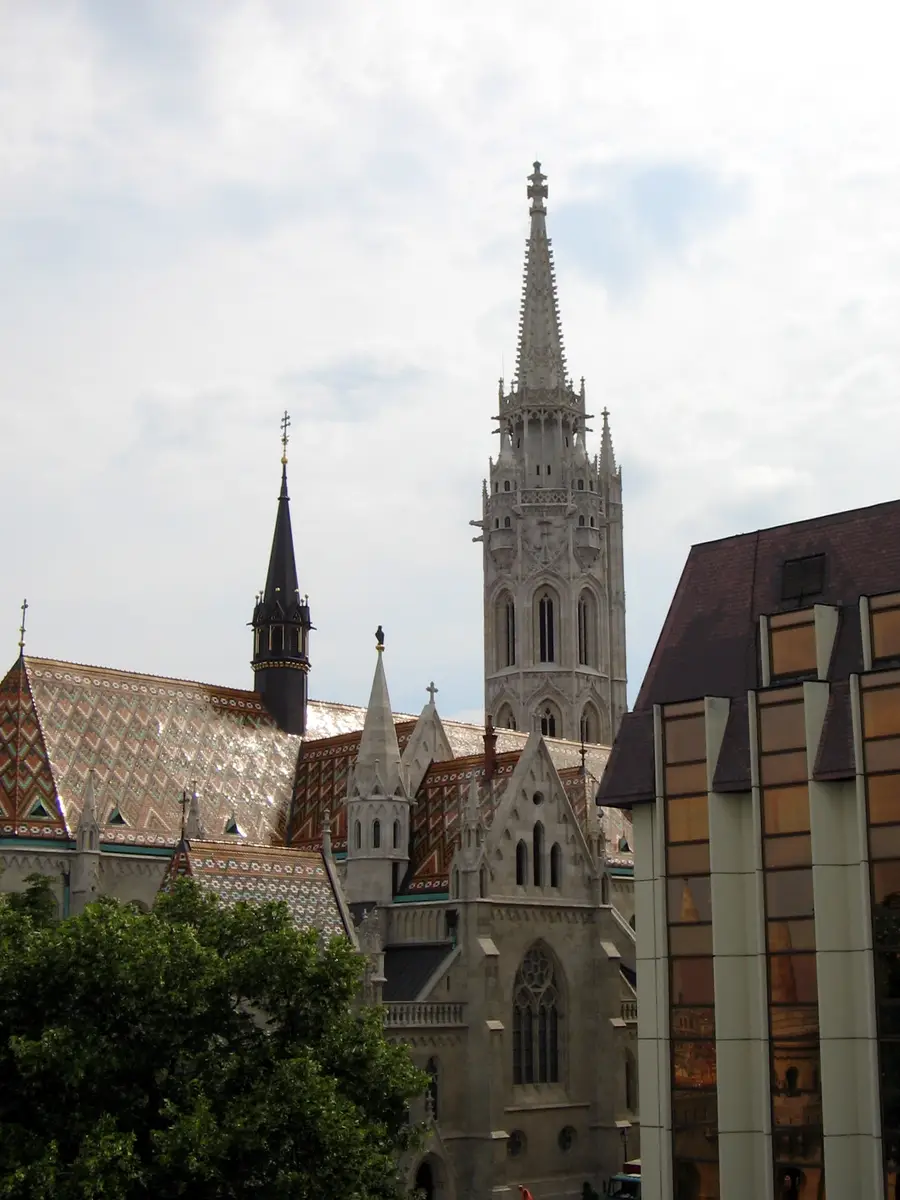
Religious traditions have left a deep mark on architecture, festivals and customs. Many old churches, monasteries and religious structures remain important cultural symbols. However, the level of religious attachment in personal life today is highly diverse.
Self-reporting of religion in censuses is generally voluntary. Therefore, figures on religious composition should be interpreted qualitatively and may change between different statistical periods.
Birth, death, and natural change rates
Low fertility rates are the primary driver behind demographic changes in this country. The total fertility rate has remained below the replacement level for many years, meaning the average number of children per woman is insufficient to maintain a stable population size through natural birth alone.
Mortality rates are also affected by the ageing population structure. As the proportion of elderly people increases, the number of annual natural deaths tends to exceed the number of births. Consequently, natural population change has been negative for most recent years.
However, these indicators fluctuate over time and are influenced by many factors such as the economy, healthcare and family support policies. Therefore, readers should view specific figures as estimates that may change and should consult official sources when high accuracy is required.
Migration and the Hungarian diaspora
Migration plays an increasingly important role in population balance. After joining the European Union, citizens have had more opportunities to study and work in other member states. This has led to outward migration, particularly among young and skilled workers.
At the same time, the country also receives immigrants, including foreign workers and ethnic Hungarians from neighbouring countries. This two-way migration flow partially offsets the negative natural population growth, although the scale and structure change over time.
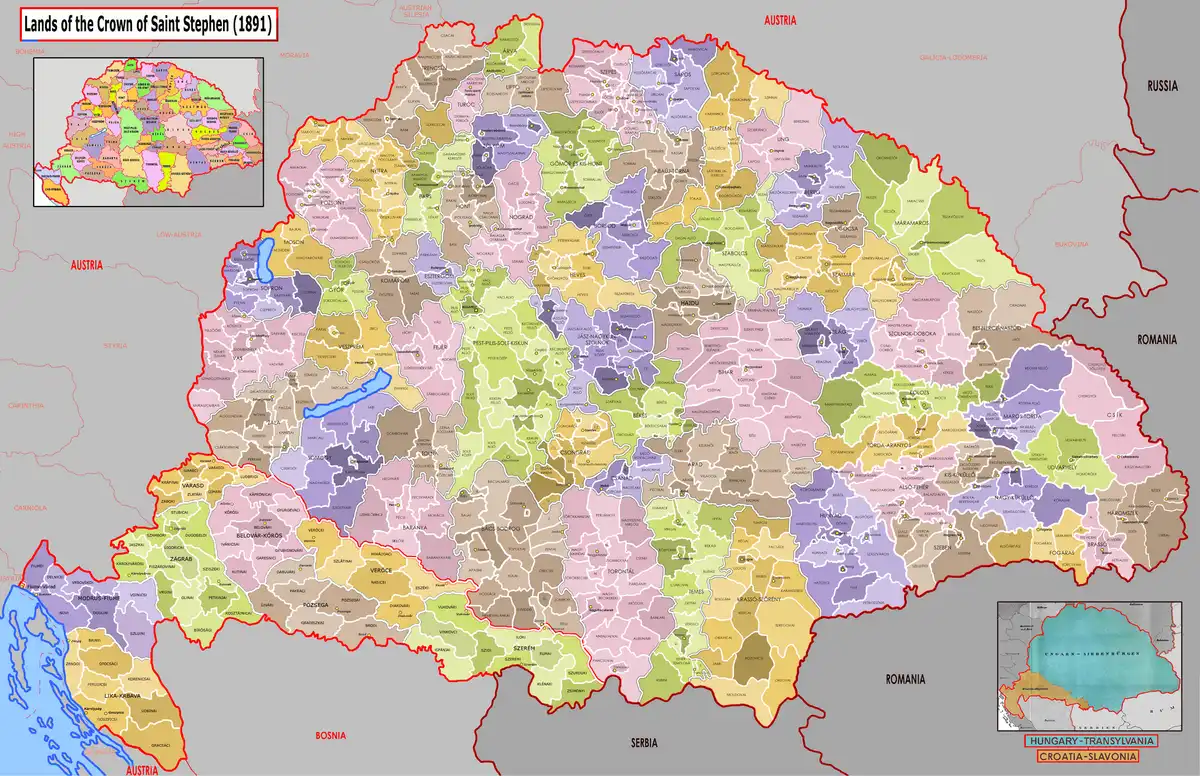
A notable feature is the Hungarian community living outside current borders, primarily in neighbouring countries such as Romania, Slovakia, Serbia and Ukraine. This is a legacy of historical border changes, particularly after the First World War.
Connections with the ethnic Hungarian community abroad are maintained through various policies on citizenship and culture. This factor causes the concept of the Hungarian nation to extend beyond the geographical boundaries of the modern state.
Population and pro-natalist policies
Faced with a declining and ageing population, the government has implemented many policies to encourage childbirth and support families. These measures include tax incentives, subsidies, housing loan support and grants for large families.
The general goal of these policies is to raise fertility rates and reduce demographic pressure in the long term. The actual effectiveness of pro-natalist measures is a widely debated topic, as demographic trends are influenced by many complex socio-economic factors.
Besides pro-natalist policies, those related to labour, immigration and social security also contribute to shaping the demographic picture. The connection between population, the workforce and the economy is clearly demonstrated in the article United Nations Development Programme when assessing human development indicators.
In general, the population issue is considered one of the country’s strategic challenges. Solutions are usually comprehensive, combining family support, improving living conditions and adjusting the labour market to adapt to the changing population structure.
Future demographic outlook
Looking ahead, current demographic trends are likely to continue in the medium term. Low fertility, ageing and migration will remain the primary forces shaping the size and structure of this Central European nation’s population.
Long-term projections suggest that the total population may continue to decline slightly without major changes in fertility or immigration flows. However, all projections are estimates and depend on assumptions, so they should be viewed with caution.
Nevertheless, the country maintains a stable social foundation, a solid education system and a favourable geographical position in the heart of Europe. These factors can help mitigate the negative impacts of demographic fluctuations in the long term.
In summary, demographics are an important lens through which to understand the society and people here. Monitoring official statistics closely and placing them in a broader economic and cultural context will help readers gain a balanced and accurate perspective.
Accompanying you on your journey in residency investment
The Prosperous Living Investment team advises on pathways, assesses profiles and manages investments transparently for every residency, citizenship and international property objective.
Free profile assessmentWhere life gets prosperous