


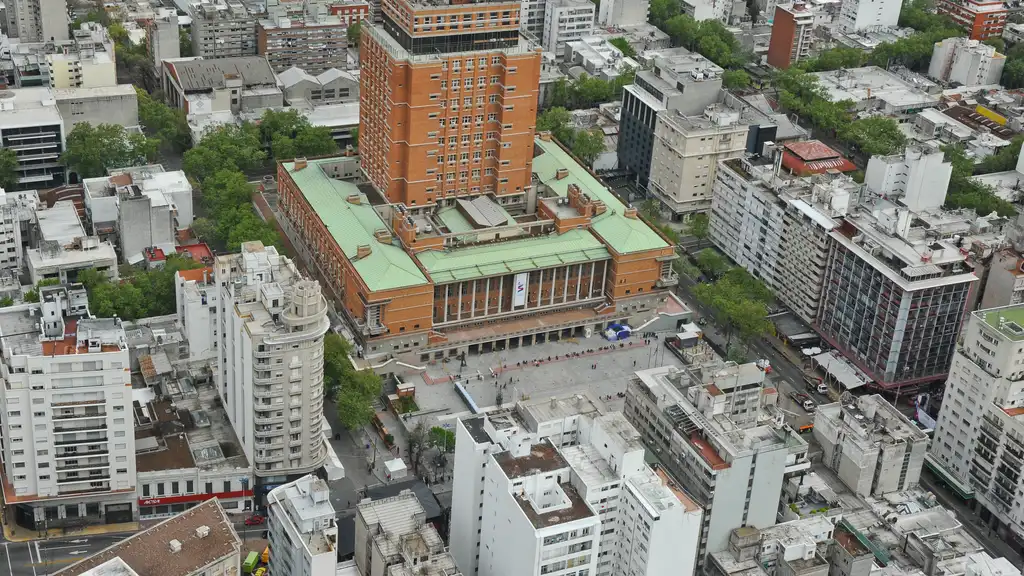
Uruguay residency by investment is a path for foreigners to obtain legal residence in this South American nation through capital injection into real estate, businesses, or by proving a stable source of income. This article provides an objective overview of general conditions, profiles, the path to permanent residency, citizenship, and tax incentives for new residents.
Contents
Overview of the Uruguay residency by investment path
The country of Uruguay (capital city Montevideo) is a small nation located in southeastern South America, wedged between Argentina and Brazil, with an Atlantic coastline. It is considered one of the most stable and transparent democracies in the region, which makes this country attract the attention of investors and those seeking a place for long-term residence.
Unlike the “citizenship by investment” model in some countries, Uruguay follows a residency by investment and income path. Applicants first apply for legal residency, then accumulate time to work towards permanent residency and finally citizenship.
This approach prioritises a practical connection with the country of Uruguay rather than a purely financial transaction. Applicants are generally expected to have a certain presence and attachment to the country, rather than just transferring money and leaving.
Because regulations, investment thresholds, and accompanying incentives can change with each policy phase, all specific figures in the article are for guidance only. Interested parties should check current regulations with the competent authority before making a decision.
Considering a residency programme? The Prosperous Living Investment team assesses your profile free of charge and advises on the pathway that fits your goals.
What is legal residence through investment
Legal residency in Uruguay is a legal status that allows foreigners to live, work, and use public services as a resident. This is the foundational step of the entire path; only when having resident status can a person begin to accumulate time to work towards permanent residency and citizenship later on.
Within this framework, “investment” is understood quite broadly. Applicants can prove their status through owning real estate, contributing capital to an actively operating business, or proving a regular source of income from abroad sufficient to support themselves and their dependents.
An important difference is that Uruguay does not operate a packaged “programme” with a fixed list price like many Caribbean nations. Instead, the immigration authority reviews applications on a case-by-case basis, based on financial capacity and connection to the country.
Therefore, the concept of Uruguay residency by investment should be understood as a set of residency paths based on investment and income, not a single financial product. This flexibility is both an advantage and requires the profile to be prepared thoroughly.
Common investment forms for residency applications
In practice, foreigners often approach residency in Uruguay through a few main directions. Each direction is suitable for a different group of profiles, depending on settlement goals, risk appetite, and financial capacity.
Real estate investment is a familiar choice. Buying a home or property in areas such as Montevideo or Punta del Este creates a connection with the country and is a real asset. The property value threshold considered in the profile may change according to regulations; it is necessary to check current regulations.
Investment in a business is the second direction. Applicants can establish or contribute capital to a company operating in reality in Uruguay, often linked to creating jobs or contributing to the economy. This direction is suitable for those with long-term business intentions.
The third direction is proving passive income or income from abroad. Retirees, remote workers, or investors with stable cash flow can apply for residency on the basis of proving sufficient ability to support themselves without relying on public subsidies.
- Real estate investment: buying residential or commercial property, creating a practical connection with the country.
- Business investment: establishing or contributing capital to an actively operating company, often linked to job creation.
- Proof of income: regular income from abroad sufficient to support oneself and any dependants.
- Combination: many applications combine multiple factors to strengthen residency status.
Uruguay residency by investment and income proof requirements
In many Uruguay residency by investment applications, the proof of income factor plays a role just as central as the investment itself. Immigration authorities are concerned with whether the applicant can support themselves without becoming a burden on the social security system.
Income sources may include rental income, pensions, dividends, business profits, or income from remote work. It is essential that the cash flow is stable, legal, and verifiable through clear documentation.
The minimum income level accepted may change over time and according to the number of dependants included in the application. For this reason, this article does not state a fixed figure; interested parties should check the current regulations at the time of submission.
Besides income, applications usually need to demonstrate a genuine intention to reside. Renting or buying accommodation, opening a local bank account, and being present in the country are factors that reinforce the desire for long-term residency.
Application profile and process
The process for applying for residency in Uruguay usually begins with preparing a set of personal documents and proof of investment or income. Applications are submitted to the immigration authority under the Ministry of the Interior. Applicants can refer to official information from Uruguay Government Portal and National Migration Directorate.
A typical set of documents includes a valid passport, birth certificate, criminal record from the country of origin, health certificate, and documents proving financial resources. Most foreign documents need to be legalized and translated by a sworn translator into Spanish.
Once submitted, the application is reviewed, and the applicant usually receives temporary residency status first, before transitioning to permanent residency upon meeting the requirements. Detailed requirements and forms may change; it is necessary to check current regulations.
Preparing documents accurately from the start significantly helps shorten processing time. Errors in legalization or translation are common reasons why applications are requested for additional information and why progress is delayed.
- Valid passport and birth certificate.
- Criminal record from the country of origin.
- Health certificate as required.
- Proof of investment or stable income source.
- Legalized documents and sworn translations into Spanish.
Actual residency time and physical presence requirements
A characteristic to note about the path to residency in Uruguay is that the country prioritizes physical presence. Unlike some programmes that allow status to be maintained without almost ever setting foot in the host country, Uruguay generally expects applicants to truly live and engage with the country.
The minimum residency time to progress to permanent residency and subsequently to naturalisation is stipulated in the legal framework on immigration and nationality. Specific timelines may vary depending on marital status, family circumstances, and may change according to current regulations.
Regular presence is not only a legal requirement but also a practical factor that helps build connections with the local community. Learning Spanish, establishing a job or business, and integrating into social life all strengthen the application in the long term.
Those who intend to reside but still maintain many activities abroad should carefully consider this presence requirement. This is a core difference between substantive residency in Uruguay and transactional “second passport” models.

The path from residency to permanent residency and citizenship
The typical route follows three consecutive steps: temporary residency, permanent residency, and finally naturalisation. Each step sets its own conditions regarding time, presence, and compliance with the country’s laws.
At the permanent residency stage, the applicant has already spent time engaging with the country and has proven stability in their life. Permanent residency status usually provides broader rights regarding long-term stay, yet it is still different from citizenship status.
Naturalisation in Uruguay is linked to the country’s specific legal concept of nationality and citizenship, based on the duration of residency and ties to the country. Specific conditions are stipulated in the legal framework and may change; it is necessary to check current regulations.
This route reflects Uruguay’s general philosophy: the path to residency is aimed at substantive integration over time, rather than a quick jump from investment to citizenship. Applicants should define their long-term goals from the start.
Tax incentives for new residents
One of the attractive factors of Uruguay for new residents is the tax incentive policy. The country has previously applied a mechanism allowing new arrivals who become tax residents to enjoy a period of tax exemption or reduction on certain types of foreign-sourced income, often called a “tax holiday”.
In principle, this mechanism aims to encourage foreigners to move their tax residency to Uruguay without being immediately taxed on their entire global income during the initial period. New arrivals may choose between enjoying a tax-free period or applying a preferential tax rate on eligible foreign income.
However, the figures regarding the length of the incentive period, tax rates, and types of income applied change with each policy reform. This article therefore only describes the qualitative nature of the incentive; all specific parameters may change and should be checked against current regulations with the tax authority.
Furthermore, Uruguay applies a tax principle based primarily on territorial source for many types of income, meaning income generated outside the territory may be treated differently from domestic income. This is one of the reasons why the country is perceived as relatively tax-friendly in the region.
Rights and obligations of residents
Upon becoming a legal resident, foreigners gain access to many services and rights almost equivalent to those of locals in daily life. They can live, work, do business, open bank accounts, and use the healthcare and education systems.
Uruguay has a tradition of free public education and a relatively developed social security system by regional standards. The stability of the Uruguayan political system and the tradition of the rule of law are factors highly valued by many new residents when considering long-term settlement.
Rights come with obligations. Residents must comply with the law, fulfill declaration and tax obligations as prescribed, and maintain residency conditions. Failure to meet presence requirements or financial obligations may affect residency status.
Applicants should understand that residency is a two-way commitment. The country opens up opportunities, but also expects residents to contribute and integrate responsibly into common life.
Notes when considering residency by investment
Before deciding, interested parties should carefully evaluate their goals: finding a place to live long-term, diversifying assets, or aiming for a second citizenship. Each goal will lead to a different way of preparing the application and choosing the form of investment.
The factors of time and physical presence need to be taken seriously. Because Uruguay prioritizes engagement with the country, this model is more suitable for those willing to spend time living in the country, rather than just holding status on paper.
Financially, in addition to the investment or proven income source, applicants need to budget for document, translation, legalization, and tax obligation costs. Consulting independent local legal and tax experts helps avoid the risk of misinterpreting regulations.
Finally, because all investment thresholds, income levels, and tax incentives can change, interested parties should rely on updated official sources rather than figures circulating online. Checking current regulations at the time of submission is a step that cannot be skipped.
Overall, the country’s appeal lies not only in its residency policy but also in its stability and quality of life. A transparent Uruguayan economy and a safe social environment are the foundations that make many consider this place as a long-term residency destination.
Updated investment thresholds and tax incentives
Uruguay grants legal residency to foreigners and applies significant tax incentives for new residents. Regarding tax, new arrivals can choose between two options: tax exemption on income from foreign capital sources in the year of arrival plus 10 years (a total of 11 years), followed by a 6% rate for a 5-year transition period; or paying a fixed 7% tax rate long-term.
To benefit from the tax exemption scheme applicable from 2026, new residents must meet one of the following conditions:
- Physical presence in Uruguay for more than 183 days per year; or
- Real estate investment valued at over approximately US$2,000,000 (equivalent to 12,500,000 UI); or
- Investment of US$100,000 per year into the National Innovation Fund for 11 consecutive years.
Applicants must not have been tax residents of Uruguay in the two preceding fiscal years and must not have previously utilised this benefit. Please note: from 01/01/2026, the real estate investment threshold has been raised to approximately US$2,000,000 and the previous 60-day presence rule has been abolished. Regulations are subject to change; it is advisable to check with the tax authority (DGI) before making a decision.
Does Uruguay have a direct citizenship-by-investment programme?
Not in the way Caribbean countries do it. Uruguay follows a residency-by-investment-and-income approach: applicants first obtain legal residence, build up time connected to the country, and only then move towards permanent residence and naturalisation.
How much investment is needed to apply for residency in Uruguay?
There is no single fixed threshold for every application. Requirements differ depending on whether the route is real estate, business or proof of income. These thresholds can change, so current regulations should be checked with the competent authority before applying.
Are new residents exempt from tax on foreign income?
Uruguay has previously applied a mechanism allowing new tax residents a period of exemption or reduction on tax for certain foreign income. However, the duration and conditions of this benefit may change with policy reforms, so the tax authority should be consulted for current regulations.
Is it mandatory to live in Uruguay?
Uruguay places emphasis on genuine presence. Actually living in the country, engaging with the community and maintaining a physical base are generally expected on the path towards permanent residence and naturalisation. Specific time requirements are set out in the immigration legal framework.
What basic documents are needed for a residence application?
This typically includes a valid passport, birth certificate, police clearance certificate, health certificate and proof of investment or income. Most foreign documents must be legalised and notarised into Spanish before being submitted to the immigration authority.
Accompanying you on your journey in residency investment
The Prosperous Living Investment team advises on pathways, assesses profiles and manages investments transparently for every residency, citizenship and international property objective.
Free profile assessmentWhere life gets prosperous