


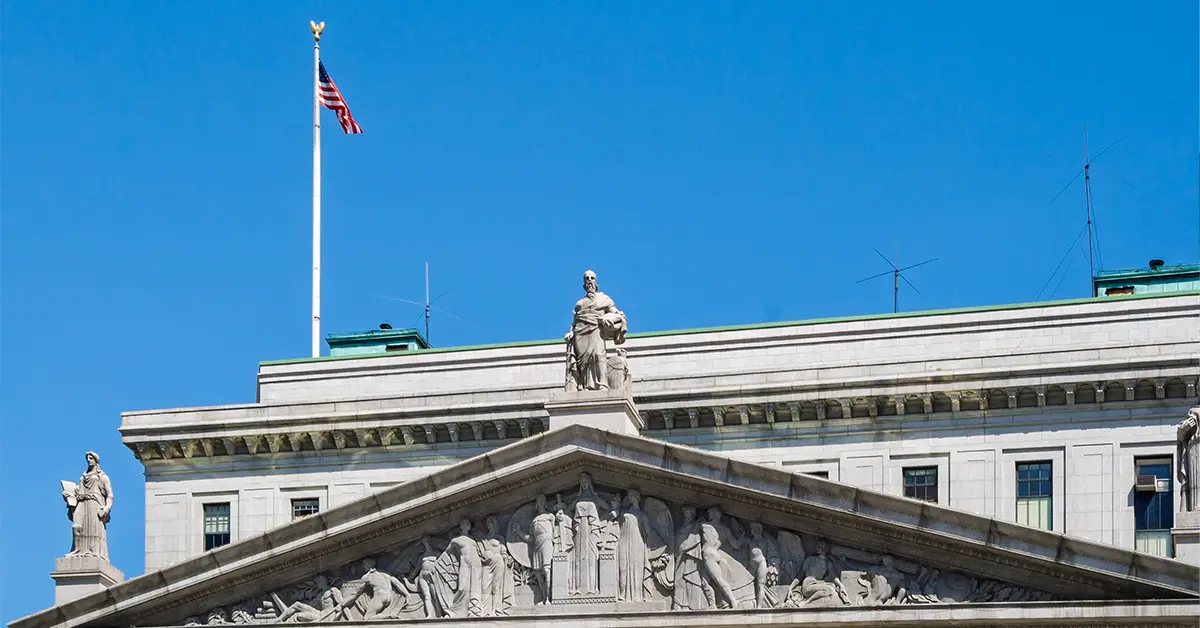
The United States legal system is one of the most complex and influential in the world, operating on the foundations of common law and federal principles. For Vietnamese people living, working, or investing in this country, understanding how laws are created, enforced, and used to protect individual rights is essential foundational knowledge.
From the division between federal and state law, the structure of the court system, to the constitutional rights of residents, every aspect has a direct impact on daily life. This article provides a comprehensive analysis of the structure, operation, and essential information regarding this system.
Message
Overview of the United States legal system
The United States legal system is built on the foundation of common law, a legal tradition inherited from the United Kingdom. Unlike the civil law systems common in many continental European countries and Vietnam, common law places particular importance on the role of precedent.
Under the principle of precedent, court rulings in previous cases become a binding source of law for similar future cases. This makes the role of judges and the court system particularly important in shaping and developing the law.
Another fundamental characteristic is the federal nature of the system. Legal authority is divided between the federal government and the states, creating two parallel systems of law and courts. Understanding this division is key to grasping the entire mechanism of how law operates in this country.
Considering a residency programme? The Prosperous Living Investment team assesses your profile free of charge and advises on the pathway that fits your goals.
Constitution and legal foundation
At the pinnacle of the national legal order is the Constitution, the supreme legal document of the nation. All laws, regulations, and rulings must be consistent with the Constitution; if they are not, they will be declared void.
The Constitution establishes the structure of the federal government, divides power into three branches, and defines the relationship between the federal government and the states. This is the foundation for the entire legal and political order of the nation.
In addition to the main body, the amendments to the Constitution play a crucial role. The first ten amendments, collectively known as the Bill of Rights, protect the fundamental rights of citizens and residents. According to information from the United States Government (USA.gov), the Constitution is the foundational document that shapes every aspect of legal life and serves as the basis for protecting human rights.
Division between federal and state law
One of the core features of the legal landscape here is the division of authority between the federal and state levels. This is often the most confusing point for foreigners new to the system.
The federal government has authority in areas of national importance as defined by the Constitution, including immigration, currency, interstate commerce, patents, and national defence. Federal law applies uniformly across the country.
Meanwhile, each state has its own legal system, which governs the majority of daily life. Criminal law, contracts, real estate, family law, and many other areas are primarily regulated by each individual state. This leads to significant differences in law between states, from traffic laws to business regulations. Vietnamese people moving from one state to another should be aware of these differences.
Structure of the court system
The court system is the enforcement pillar of the entire legal framework. Reflecting its federal nature, the country has two parallel court systems: federal courts and state courts.
Federal court system
The federal court system is organised into three levels. The lowest level consists of district courts, which hear cases under federal jurisdiction. Next are the regional courts of appeal, which review rulings that have been appealed.
At the top is the Supreme Court, the highest judicial body in the nation. The Supreme Court has the power to interpret the Constitution, and its rulings are binding nationwide. It is the final authority in the most significant legal disputes.
State court system
Each state has its own court system, also organised into multiple levels. Most ordinary civil and criminal cases are heard in state courts, as the majority of laws governing daily life are state laws.
The state court system handles a massive volume of cases, from contract disputes and traffic accidents to criminal cases. Each system operates independently but must still comply with the federal Constitution. The demarcation of authority between the two court systems is a critical legal issue in many cases.
Separation of powers in law
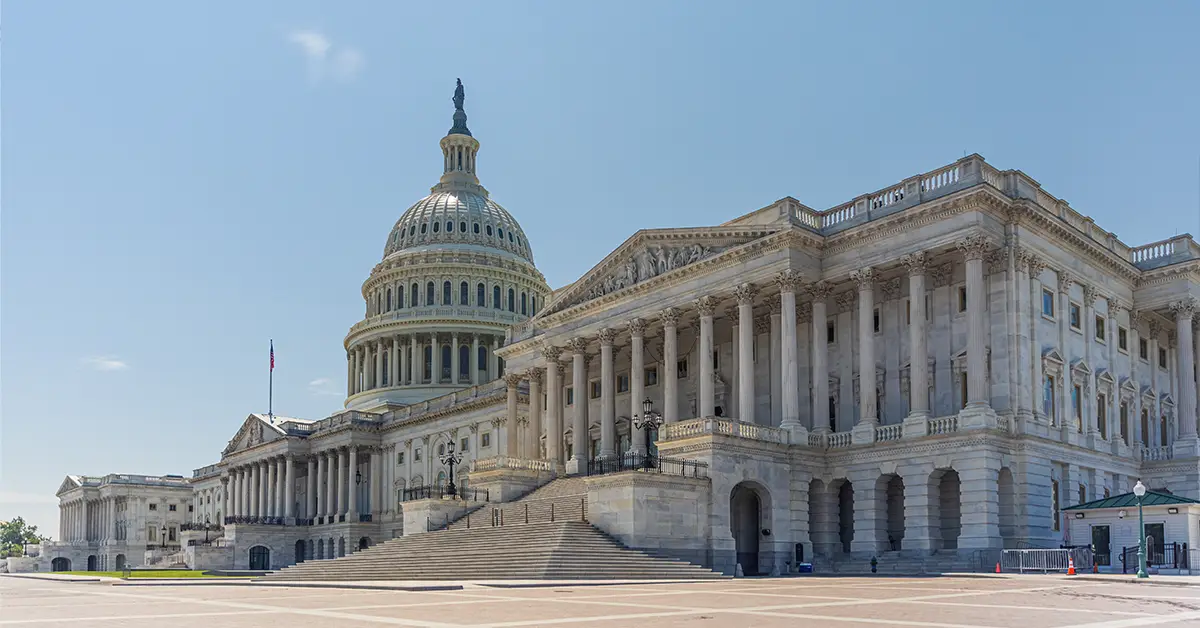
The principle of the separation of powers is the foundation of the legal order here, ensuring that no single branch of power can overreach. The three branches coordinate and check one another during the process of creating and enforcing the law.
The legislative branch, namely Congress at the federal level and the legislature at the state level, is responsible for drafting and passing laws. This is where statutes are enacted through a democratic process.
The executive branch, headed by the President at the federal level and the Governor at the state level, is tasked with enforcing the law. The judicial branch, the court system, interprets the law and applies it to specific cases. The system of checks and balances between these three branches is a core characteristic, ensuring that the rule of law is maintained and power is not concentrated.
Rights of residents and legal protection
An important aspect of the law here for Vietnamese people is the rights protected by law. Many fundamental rights apply to everyone on the territory, not just citizens.
The Bill of Rights and other amendments protect many essential rights, including freedom of speech, freedom of religion, the right to a fair trial, and the right to be free from arbitrary search and seizure. These rights create a legal shield for individuals against the abuse of power.
In legal matters, individuals have the right to legal representation, the right to remain silent, and the right to be presumed innocent until proven guilty. For immigrants, understanding these rights is essential for self-protection. Even those without citizenship enjoy many basic legal protections, although certain political rights, such as voting, are reserved for citizens.
The role of lawyers and access to justice
Within the local judicial system, lawyers play a central and indispensable role. Due to the complexity of the law and the importance of legal precedent, having legal representation is often necessary in significant cases.
Lawyers do not only represent clients in lawsuits but also provide legal advice, draft contracts, and assist with various life transactions. For immigrants, immigration lawyers are particularly important for procedures related to visas, green cards, and naturalisation.
However, the cost of legal services here can be quite high, which presents a challenge for many. For those unable to afford them, there are free or low-cost legal aid organisations. Understanding when a lawyer is needed and how to access legal support is a vital skill for new arrivals from Vietnam, especially regarding immigration and contract issues.
Significance for Vietnamese living in the United States
For Vietnamese people, understanding the United States legal system provides many practical benefits in daily life. The law influences every aspect, from work and business to family life.
First, understanding the difference between federal and state law helps avoid misunderstandings and legal risks when living or doing business. Each state has its own regulations, so what is legal in one place may differ elsewhere.
Second, understanding legally protected rights helps Vietnamese people feel more confident in protecting their interests. Especially in the field of immigration, complying with the law is a vital factor in maintaining legal status and moving towards long-term residency. To better understand the related aspects, readers should learn more about taxes in the United States and an overview life in the United States.
Conclusion: A robust rule of law
The United States legal system, with its common law foundation, federal structure, parallel court system, and the principle of separation of powers, creates one of the world’s most robust rule-of-law frameworks. This is the fundamental element ensuring social order and protecting individual rights.
For Vietnamese people living in this country, understanding how the law operates, the division of authority, and protected rights is essential knowledge. This not only helps avoid legal risks but also creates a foundation for integration and sustainable development.
Practical advice is that Vietnamese people should proactively learn the laws of the state where they reside and not hesitate to seek a lawyer when needed for important matters. To have a more comprehensive picture of the living environment, you should refer to more information about residency by investment in the United States if you have plans for a long-term commitment to this country.
Accompanying you on your journey in residency investment
The Prosperous Living Investment team advises on pathways, assesses profiles and manages investments transparently for every residency, citizenship and international property objective.
Free profile assessmentWhere life gets prosperous