



Uruguayan culture is a unique blend of European heritage and the identity of the Río de la Plata region, crystallised in the capital, Montevideo. From the tango and the beat of candombe drums, the long Carnival festival, the gaucho tradition, and the habit of drinking mate, to a passion for football and a literature rich in depth.
Contents
Where does the cultural identity of Uruguay come from
To understand Uruguayan culture, one must place this country in its position: a small nation in the southeast of South America, located between Argentina and Brazil, opening to the Atlantic Ocean via the Río de la Plata estuary. The capital, Montevideo, is the centre of population, economy, and cultural life, where the majority of the country’s artistic life is concentrated.
The majority of the Uruguayan population has European origins, mainly Spanish and Italian, blended with African-descended communities and a minority of indigenous people. Waves of migration from the 19th and early 20th centuries have shaped tastes, language, architecture, and daily habits. You can learn more about the demographic picture through the article Uruguay demographics.
That blend creates a distinct identity of the Río de la Plata region that Uruguay shares largely with Buenos Aires across the river. However, Uruguayans still retain their own character: more reserved, tied to secular traditions and a spirit of equality that is deeply ingrained in everyday life.
Considering a residency programme? The Prosperous Living Investment team assesses your profile free of charge and advises on the pathway that fits your goals.
Tango and candombe: two foundational rhythms
Music is the heart of Uruguayan culture, and the two most representative genres are tango and candombe. Tango was born in the late 19th century in the area on both banks of the Río de la Plata, associated with the working-class districts and immigrant communities of both Montevideo and Buenos Aires. This is a shared heritage that Uruguay and Argentina are both proud of.
The famous tango piece “La Cumparsita” was composed by the Uruguayan musician Gerardo Matos Rodríguez in Montevideo, and is often considered one of the most iconic tango melodies. The partner dance with its intertwined steps and poignant 2/4 rhythm has become the emotional language of the entire region.
Candombe has a different origin: it is the heritage of the African-descended community, formed from the drum rhythms of those brought here during the colonial period. Candombe is performed using three types of tambor drums — chico, repique and piano — creating a complex, vibrant layer of rhythm.
The candombe drum tradition and its socio-cultural space have been inscribed by UNESCO on the Representative List of the Intangible Cultural Heritage of Humanity. You can look up the intangible heritage of this country on the website of UNESCOOn weekend afternoons in the Sur and Palermo neighbourhoods of Montevideo, drum troupes often parade through the streets in a ritual known as “llamadas” (the calls).
One of the longest Carnival festivals in the world
If one had to choose an event that fully embodies Uruguayan culture, it would be Carnival. The Uruguayan Carnival is considered one of the longest in the world, often spanning several weeks at the beginning of the year and transforming all of Montevideo into a giant outdoor stage.
The difference with the local Carnival lies not in the flamboyant costumes seen in Brazil, but in its satirical depth and music. At the heart of the festival are “murga” — performance groups that sing and act out satirical plays, commenting on the political and social events of the past year with a witty and sharp tone.
Another unique feature is the “Desfile de Llamadas” — a parade of candombe drum troupes where hundreds of drummers and dancers in traditional costumes march through historic streets. This is an occasion for the Afro-descendant community to express and preserve their heritage.
Carnival is therefore not just for entertainment. It is a mirror of society, where people reflect on themselves with humour and criticism. The country’s secular, democratic spirit and commitment to freedom of speech are clearly expressed through the murga performances.
Gaucho and the soul of the countryside
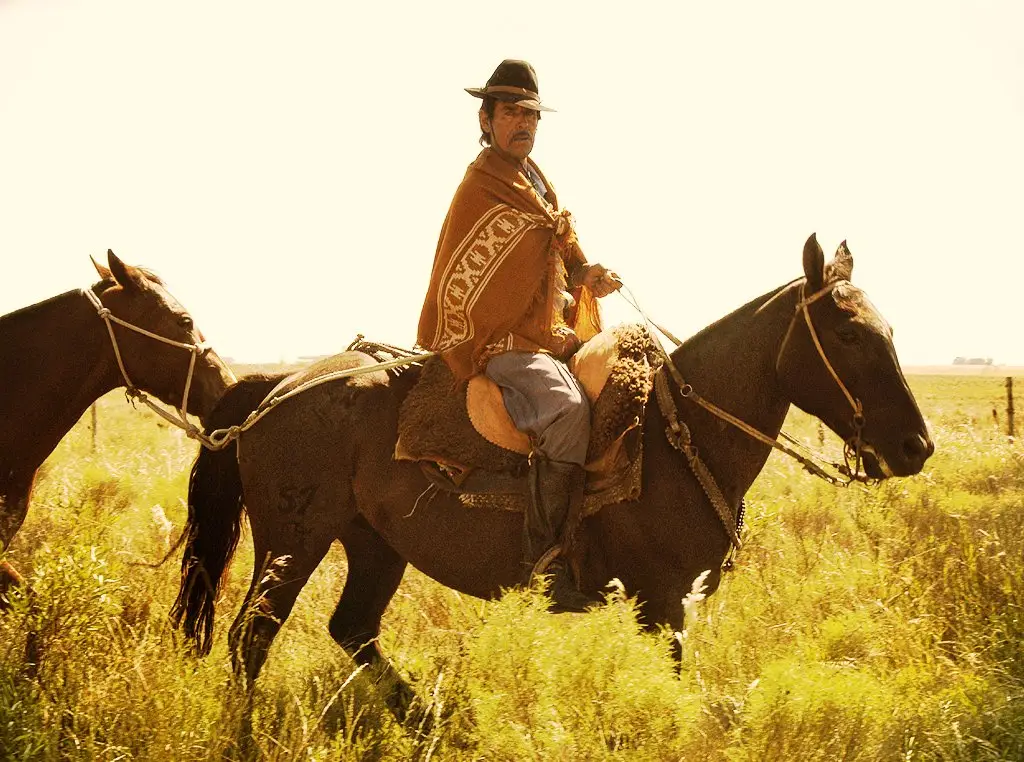
Outside of Montevideo and the coastal cities, the image of the gaucho — the cowboy riding across vast grasslands — is a profound cultural symbol of rural Uruguay. The gaucho is linked to the tradition of cattle ranching on expansive pastures, which has been the backbone of the economy since ancient times.
The gaucho figure represents values cherished by Uruguayans: freedom, courage, a connection to the land, and an independent spirit. The characteristic attire includes wide bombacha trousers, a scarf, a facón knife tucked into the belt, and a horse saddle.
The gaucho tradition remains vibrant through rural festivals called “criolla”, which typically feature horse riding, livestock competitions, and folk music performances. The Criolla del Prado festival in Montevideo during Easter week is one of the most iconic events, attracting large crowds.
Gaucho culture also permeates literature and folk music. The “payada” style — improvised songs accompanied by guitar, performed as a dialogue between artists — is an oral tradition preserved across generations in both Uruguay and Argentina.
Mate: the drink of friendship
Few images are more closely associated with the daily life of Uruguayans than the mate gourd. This is a drink made from dried yerba mate leaves, steeped in a gourd (called a mate) and sipped through a filtered metal straw known as a bombilla. Uruguayans have one of the highest rates of mate consumption in the world.
Mate is not merely a drink. It is a social ritual: people pass the gourd among themselves, taking turns drinking from the same bombilla as a gesture of sharing and trust. A familiar sight is people carrying a thermos (termo) and a mate gourd everywhere, from parks and beaches to the workplace.
Unlike their neighbours, Uruguayans typically drink their mate strong, with little sugar, and use a large amount of yerba. This habit occurs at all times of the day, bonding generations within families and becoming an inseparable part of the national identity.
Uruguayan cuisine: asado, chivito and the flavours of Río de la Plata
Cuisine clearly reflects the country’s ranching traditions and immigrant heritage. The centre of the Uruguayan table is asado — meat grilled over charcoal, typically consisting of beef cuts, chorizo sausage, and morcilla. Asado is not just a meal but a weekend gathering ritual where family and friends congregate around the parrilla grill.
Another culinary icon is the chivito — a hearty sandwich with slices of tender beef, ham, cheese, egg, vegetables, and sauce, often considered the national dish. The chivito originated in the coastal region of Punta del Este and quickly spread throughout the country.
Italian influence is deeply imprinted through pasta, pizza, and gnocchi, which locals call “ñoquis”, traditionally eaten on the 29th of each month. Additionally, bakeries (panadería) are filled with cream- and jam-filled pastries, alongside the empanada meat pie, which is popular throughout the region.
The accompanying drinks are also noteworthy. Uruguay has a tradition of wine production, particularly famous for the Tannat grape variety, which is considered almost the national grape. Tannat is bold and robust, pairing well with the red-meat-heavy asado typical of local cuisine.
Football: national pride
For a country with a small population, Uruguay’s football achievements are astonishing and a source of deep national pride. Uruguay was the host and champion of the first World Cup in history, held in 1930 in Montevideo, with the final match taking place at the Centenario stadium.
The national team, nicknamed “La Celeste” after their sky-blue jerseys, also won their second World Cup title in 1950 in a historic match against Brazil at the Maracanã, an event Brazilians call the “Maracanazo”. The two stars on the federation logo also refer to their Olympic titles from the early 20th century.
The Centenario stadium in Montevideo was inaugurated for the 1930 World Cup and is recognised by FIFA as a historic monument of world football. For Uruguayans, it is almost a sanctuary, preserving memories of the golden age of the beautiful game.
The Uruguayan competitive spirit is often encapsulated in the concept of “garra charrúa” — a resilient will that never gives up, named after the indigenous Charrúa people. This is a part of the sporting identity that the people are proud of, demonstrated by generations of talented players who have reached the international stage.
Uruguayan literature: Benedetti, Galeano and the voice of a small nation
Uruguayan culture shines through a literature of great depth, far exceeding the scale of the country’s small population. Two iconic names widely known in the Spanish-speaking world are Mario Benedetti and Eduardo Galeano, both of whom were closely tied to Montevideo and its intellectual life.
Mario Benedetti was a versatile writer and poet, famous for his writing on the daily lives of the civil servants and citizens of Montevideo. His novel “La tregua” (The Truce) and his many poetry collections have touched the hearts of generations of readers with a simple yet poignant tone.
Eduardo Galeano is best known for his work “Las venas abiertas de América Latina” (Open Veins of Latin America), a reflection on the history and fate of the region. He also wrote “El fútbol a sol y sombra” (Soccer in Sun and Shadow), combining a love for football with social commentary.
Prior to this, Uruguay had important writers who helped shape regional literature, such as the poet Juana de Ibarbourou and the short story writer Horacio Quiroga. The tradition of valuing reading and secular education has nurtured this enduring literary life, which is deeply rooted in History of Uruguay.
Heritage, art and urban life
Beyond music and literature, Uruguayan culture is also present through architecture and urban heritage. The historic quarter of Colonia del Sacramento, a colonial town on the banks of the Río de la Plata, has been inscribed by UNESCO on the World Heritage list. You can view the list of this country’s heritage on the website of UNESCO.
In Montevideo, the Ciudad Vieja (Old Town) preserves 19th and early 20th-century European architecture, interspersed with museums, theatres, and squares. The Solís Theatre is one of the oldest and most prestigious opera houses in the region, a symbol of the capital’s artistic life.
Uruguayan urban life has a relaxed rhythm that prioritises public space. The long coastal road called the “rambla” that runs along Montevideo is where people go for walks, jogging, fishing, and, of course, drinking mate every afternoon, reflecting a lifestyle connected to the community and nature.
The secular and egalitarian spirit also shapes many aspects of culture. Uruguay has a long tradition of separating religion from the state, and society is generally open and moderate. These values permeate art, festivals, and the way people interact with each other in daily life.
Accompanying you on your journey in residency investment
The Prosperous Living Investment team advises on pathways, assesses profiles and manages investments transparently for every residency, citizenship and international property objective.
Free profile assessmentWhere life gets prosperous