
Limassol vs Paphos real estate: choosing an area for Cyprus PR investors

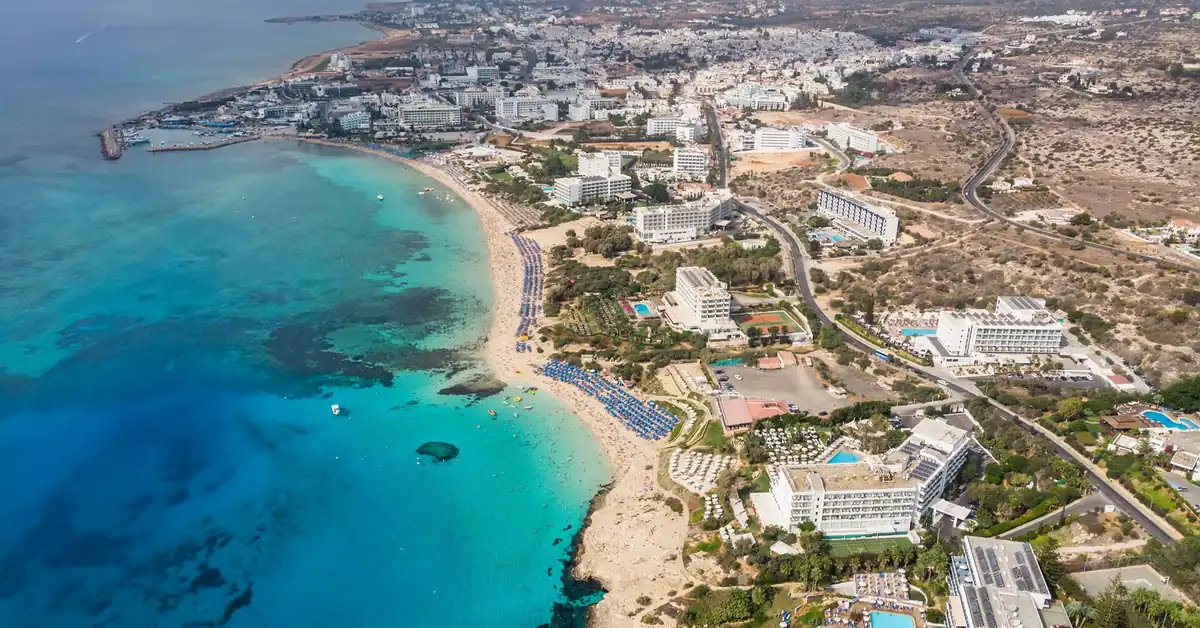
Limassol vs Paphos real estate is one of the most important decisions for Cyprus PR 6.2 investors once they have set a budget of 300,000 EUR or more. The two cities account for about 65% of all real estate transactions in the Republic of Cyprus according toCyprus geographyand represent two completely different investment styles: Limassol is a vibrant financial and business hub, while Paphos is a lifestyle destination with more reasonable prices and a surge in growth in recent years.
According to data from the Department of Lands and Surveys (DLS) of the Republic of Cyprus and Landbank Analytics for the first 10 months of 2025, Paphos has officially overtaken Limassol in average luxury property prices, creating new momentum in the market.
This article analyses in detailLimassol real estatevs Paphos across 8 key criteria: purchase price, rental yield, 2026 hot zones, market characteristics, target buyers, pros and cons, growth trajectory and choices by Vietnamese investors’ goals.
Message
Overview of the Republic of Cyprus real estate market in 2026
Before going deeper into the comparison, investors need to understand the overall context of the real estate market in the Republic of Cyprus.
Total transaction value and distribution
According to Landbank Analytics, in the first 10 months of 2025:
- Total value of new-build property transactions: approximately 2 billion EUR
- Limassol led in total value: 737 million EUR (3 areas combined)
- Paphos ranked 4th by number of transactions but highest by average price
- Year-on-year growth: steady and strong
The property tax reform of 01/01/2026
The Cyprus Tax Reform effective from 01/01/2026 has significantly changed the investment picture:
- Stamp duty on property contracts: abolished completely
- The 3% Special Defence Contribution (SDC) on rent: abolished
- Capital Gains Tax exemption for a primary residence: increased from €85,430 to €150,000
- General Capital Gains Tax exemption: increased from €17,086 to €30,000
- Corporate tax: increased from 12.5% to 15%
This reform makes the Cyprus property market more attractive to foreign investors, especially for the Cyprus PR 6.2 route.
The role of foreign buyers
According to the DLS, foreign buyers accounted for:
- 41% of all real estate transactions in the Republic of Cyprus in 2022
- 60%+ of transactions in Paphos (according to Investropa)
- Diverse origins: the UK, Israel, Russia, Europe, China and a growing number of Vietnamese investors
Considering a residency programme? The Prosperous Living Investment team assesses your profile free of charge and advises on the pathway that fits your goals.
Comparing property prices in Limassol and Paphos
Property prices are the first factor investors need to consider when choosing between these two cities.
Average prices by property type
Detailed article onproperty types in Cyprus.
April 2026 data from market reports:
| Criterion | Limassol | Paphos | Cyprus average |
|---|---|---|---|
| Average apartment price | €658,000 | €600,000 | €450,000 |
| Average house/villa price | €582,000 | €697,000 | €835,000 |
| Apartment price per m² | €3,200-3,500 | €2,500-3,200 | €3,808 |
| Luxury price per m² | €6,000+ | €4,500-5,500 | – |
| Average new-build price (2025) | €420,000+ | €470,000 | – |
An important insight from the Landbank Analytics report: in the first 10 months of 2025, Paphos overtook Limassol in the average price of new-build property, at 470,000 EUR, with Limassol lower. Notably, villa prices in Paphos (€697,000) have overtaken Limassol (€582,000), reflecting a shift among high-end investors.
The most expensive areas in the Republic of Cyprus
According to Landbank, the most expensive areas in the Republic of Cyprus by average price are:
- Akamas and Peyia (Paphos): €646,000+ (the most expensive in the Republic of Cyprus)
- Germasogeia (Limassol): €583.905
- Limassol municipality: ~€540.000
- Kourion (Limassol): ~€520.000
- Geroskipou (Paphos): ~€480.000
- Paphos municipality: €420.000+
Surprisingly, Akamas + Peyia in Paphos have overtaken even Germasogeia (the Limassol Marina area) — traditionally considered the most expensive area in Cyprus.
Prices for the Cyprus PR 6.2 option
For the 300,000 EUR investment threshold of Cyprus PR 6.2:
In Limassol:
- 1-bedroom apartment: €300,000 – €450,000 (outside the centre)
- 2-bedroom apartment: €450,000 – €700,000
- 3-bedroom apartment in the centre: €700,000+
- Villa: rare at the 300K price point, usually €700K or more
In Paphos:
- 1-bedroom apartment: €250,000 – €350,000
- 2-bedroom apartment: €350,000 – €550,000
- Small villa: €450,000 – €700,000
- Luxury villa: €700,000 – €2,000,000+
Paphos lets investors buy a villa at the Cyprus PR 6.2 threshold, while Limassol usually only stretches to an apartment. This is an important factor for Vietnamese buyers who prioritise spacious living.
Rental yield: returns from letting
Rental yield is a core criterion for investors who want both PR and rental income.
Average rental yield by area
RICS Property Price Index data for Q4 2025:
| Area | Yield apartment | Yield villa | Yield commercial |
|---|---|---|---|
| Limassol | 6.0% | 3.0-3.5% | 6.0%+ |
| Nicosia | 5.0% | 3.0% | 5.5% |
| Larnaca | 4.0% | 3.0% | 4.5% |
| Paphos | 4.0% (long-term) | 3.0% | 4.0% |
| Cyprus average | 5.45% | 2.96% | 5.58% |
Limassol leads in apartment rental yield at 6%, 1.5 times Paphos for long-term lets.
Short-term rental yield in Paphos
However, the picture changes significantly for short-term rentals (Airbnb, Booking):
- Paphos short-term yield: 5–10%+ in peak season
- Limassol short-term yield: 5-7%
- Paphos benefits from tourists almost all year thanks to its long summer
- Limassol benefits from business visitors all year round
For Vietnamese investors interested in a combined rental strategy:
- Stable long-term rentals: choose Limassol
- Short-term rentals that capitalise on tourism: choose Paphos (Coral Bay, Kato Paphos)
- A balance of both: choose an area with both expats and tourists
Net yield after costs
When calculating net yield, deduct:
- Community/management fees: 2–3% of the property value a year
- Property management fees (if using a management company): 8–12% of rent
- Maintenance and repairs: 1–2% of the value a year
- Insurance: 0.3–0.5% of the value a year
- Tax on rental income: 0% at low income levels, up to 35% at high income levels
Example: a €450,000 apartment let at a 5.5% gross yield = €24,750 a year. After costs, the net yield is 4.3–4.6%.
2026 hot zones: the fastest-growing areas
According to forecasts by Investropa and market reports, the areas with the fastest price growth in the Republic of Cyprus in 2026 include:
Top growth areas in Limassol
Zakaki: growth of 5–7% a year
- A former industrial area being transformed
- Close to the new casino resort project
- Prices still reasonable compared with central Limassol
- Potential for price growth once infrastructure is complete
Mesa Geitonia: growth of 5–7% a year
- A central residential area
- Prices 30–40% lower than Germasogeia
- A catch-up trade for investors priced out of Germasogeia
Top growth areas in Paphos
Kato Paphos: growth of 5–7% a year
- UNESCO World Heritage Site
- A tourism and lifestyle hub
- The traditional harbour and heritage sites
- Pafilia Plaza, newly opened in 2026, is pushing up prices in the area
Universal: growth of 5–7% a year
- A long-established expat residential area
- Full infrastructure
- Average prices compared with coastal areas
Chloraka: expected growth of 4–6% a year
- A developing area north of Paphos
- Reasonable prices for new investors
- Close to the sea and resorts
Tala: growth of 3–5% a year
- A traditional hillside village
- A quiet area suited to retirees
- 10 minutes from central Paphos
Areas outside the 2 big cities
Some areas outside Limassol and Paphos are also growing strongly:
- Mackenzie and Drosia (Larnaca): 6–8% a year — leading the Republic of Cyprus
- Oroklini (Larnaca): emerging for families who want larger homes
Market characteristics: who buys, who rents?
Understanding the investor profile in each city helps Vietnamese investors assess long-term potential.
Characteristics of the Limassol market
Limassol is a financial and business hub with the following characteristics:
Main buyers:
- International business people looking for second homes and offices
- ICT and finance professionals (growing strongly)
- Russians and Israelis with high-end lifestyle demands
- Cyprus PR 6.2 investors prioritising liquidity
Main renters:
- Professionals working at tech and financial services companies
- Expats from Russia, Israel, the UK and Ukraine
- Shipping industry staff (Limassol is the Mediterranean’s shipping hub)
- Short-term business visitors
Characteristics:
- High liquidity (resale in 2–4 months)
- Prices rising fast but volatile
- High population density, little space
- The best infrastructure in the Republic of Cyprus
Characteristics of the Paphos market
Paphos is a lifestyle and tourism destination with the following characteristics:
Main buyers:
- Retirees from the UK, Germany and Northern Europe
- Families looking for second homes
- Cyprus PR 6.2 investors prioritising space and nature
- Holiday home buyer
Main renters:
- Tourists (peak season)
- Long-term expat retirees
- Families relocating from the UK and Europe
- Remote workers (digital nomads)
Characteristics:
- Average liquidity (resale in 6–9 months)
- Prices rising steadily, with little volatility
- Plenty of space, with many villas and resorts
- Blue Flag beaches and UNESCO sites for tourism
Choosing according to investor goals
The question of “Limassol vs Paphos real estate: which to choose” depends on the investor’s personal goals.
Limassol suits
Limassol is the right choice if the investor:
- Wants to combine PR with business opportunities in the Republic of Cyprus
- Has a shipping, fintech or forex business
- Prioritises high liquidity (able to sell quickly when needed)
- Wants stable long-term rentals to the expat workforce
- Is willing to pay higher prices for first-class infrastructure
- Has children at international schools in Limassol within theCyprus education system
- Prefers a lively urban life
Paphos suits
Paphos is the right choice if the investor:
- Wants a second home for relaxation
- Is retired or approaching retirement
- Is a family with young children looking for a quiet environment
- Wants to capitalise on tourism through Airbnb or short-term rentals
- Has a budget of 300,000–700,000 EUR and wants a villa
- Loves nature, the sea, golf and the lifestyle
- Is willing to accept slower liquidity
Combining the 2 cities
Some investors buy property in both Limassol and Paphos for balance (as opposed to the concentrated strategy ofThe Greek Golden Visa):
- 1 apartment in Limassol (long-term rental) + 1 villa in Paphos (second home)
- This structure requires large capital (€600,000+) but maximises the benefits
- Secures Cyprus PR 6.2 under option A
- Flexibility between business and lifestyle
Pros and cons of each city
A summary of pros and cons gives investors a balanced view.
Pros of Limassol
- The leading financial and business hub of the Republic of Cyprus
- The highest apartment rental yield (6%)
- High liquidity, easy to sell when needed
- International infrastructure: schools, hospitals, golf courses
- A wide range of services and entertainment 24/7
- A large international expat community
Cons of Limassol
- Prices 15–25% higher than Paphos
- High population density, little space
- Price growth has slowed after the boom period
- The highest cost of living in the Republic of Cyprus
- Traffic congestion at rush hour
Pros of Paphos
- More reasonable prices, especially for villas
- Luxury price growth outpaced Limassol in 2025
- Plenty of space and nature
- UNESCO Heritage sites and Blue Flag beaches
- Suited to a holiday and retirement lifestyle
- Akamas + Peyia are the most expensive areas in Cyprus, with price growth potential
- Convenient Paphos International Airport
Cons of Paphos
- Lower long-term rental yield (4%)
- Slower liquidity (resale in 6–9 months)
- Heavily tourism-dependent, with vacancies in the low season
- Fewer business opportunities for entrepreneurs
- More limited public transport than Limassol
The process of buying property for Cyprus PR 6.2
After choosing a city, the process of buying property for Cyprus PR 6.2 includes the following main steps:
Step 1: Choosing a project and legal due diligence
- Checking the title deed and planning permit
- Assessing the developer’s reputation
- Confirming the investment threshold suitable for PR
Step 2: Opening a bank account in the Republic of Cyprus
- KYC and Source of Funds documentation
- Processing time of 2–4 weeks
Step 3: Transferring funds and paying
- The money must originate from abroad
- Comply with Vietnam’s foreign exchange regulations
Step 4: Registering the Sale Agreement at the Land Registry
- Within 6 months of signing the contract
- Protecting legal rights
Step 5: Submitting the MIP1 file for Cyprus PR 6.2
- Together with all personal and investment documents
Frequently asked questions about Limassol vs Paphos real estate
Can I switch between Limassol and Paphos after 5 years?
Yes. After holding Cyprus PR 6.2 for 5 years, investors can sell the original property and buy another, provided the minimum 300,000 EUR investment is maintained. This mechanism allows flexibility to move from Paphos to Limassol or vice versa.
Which area is easier to let for a remote investor?
Limassol is easier to let long-term thanks to:
- Year-round demand from ICT and financial services professionals
- Professional property management services
- Tenants with high and stable incomes
Paphos suits short-term rentals via Airbnb but requires more active management.
Which area is better for families with young children?
Paphos is generally considered better for families with young children because of:
- Plenty of space and a quiet environment
- Good-quality international private schools (TLC, International School of Paphos)
- High safety and low population density
- Living costs 15–20% lower
However, Limassol also has many good schools and job opportunities for parents.
Which property is easier to resell?
Limassol has higher liquidity:
- Average resale time: 2–4 months
- Diverse demand from buyers inside and outside the EU
- Little price fluctuation during the sale period
Paphos resales are slower (6–9 months) because buyers are mainly expats and retirees, who take longer to decide.
Conclusion
Limassol vs Paphos real estate is a decision with no absolutely right answer — it depends on the goals, budget and lifestyle of each Cyprus PR 6.2 investor. Limassol suits international business people who prioritise high liquidity and a 6% apartment rental yield, while Paphos appeals to retirees, families and investors who want a villa at the 300,000 EUR investment threshold. According to the latest Landbank Analytics data, Paphos has officially overtaken Limassol in average luxury property prices, marking a shift in the high-end market.
For Vietnamese investors, the key factors when choosing between Limassol and Paphos include: realistic budget (Paphos allows a villa for 500–700K, while Limassol usually offers only apartments in that price range), intended use (business in Limassol, lifestyle in Paphos), rental plans (long-term in Limassol, short-term in Paphos) and long-term vision (Akamas–Peyia has the potential to outpace Germasogeia in price growth over the next 5 years). The Republic of Cyprus property tax reform effective from 01/01/2026, abolishing stamp duty and SDC on rent, has significantly increased the appeal of both markets.
Cyprus residency by investmentthrough the PR Category 6.2 programme continues to be a top choice for Vietnamese investors interested in EU permanent residence. The Republic ofCypruswith its wide range of options, from upscale Limassol Marina to the untouched nature of Akamas–Peyia, gives each investor the flexibility to build a European “plan B” that fits their personal goals.
Accompanying you on your journey in residency investment
The Prosperous Living Investment team advises on pathways, assesses profiles and manages investments transparently for every residency, citizenship and international property objective.
Free profile assessmentWhere life gets prosperous