


The culture of Cyprus is the result of thousands of years of interaction between Greek, Roman, Byzantine, Frankish, Venetian, Ottoman and British civilisations. Its location at the crossroads of Asia, Europe and Africa has made the island a meeting point for many cultural currents, from Greek mythology to Orthodox Christianity and from Levantine cuisine to Anatolian craft traditions.
This article analyses the core elements that make up contemporary Cypriot cultural identity, including cuisine, music, festivals, UNESCO heritage, literature and crafts. Understanding this rich culture is key for residency investors to fully appreciate the quality of life that Cyprus offers.
Detailed article onThe island nation of Cyprus.
Message
Cultural roots
Cypriot culture has its roots in Mycenaean Greek civilisation around 1,400 BC, when the Achaeans arrived on the island bringing the ancient Greek language, religion and architecture. Through the Roman, Byzantine, Frankish, Venetian, Ottoman and British periods, the island accumulated many layers of cultural influence, but its Greek foundation remains the main current of the Greek Cypriot community, which makes up 78% of the population.
The Turkish Cypriot community in the north of the island, about 18% of the island’s population, preserves Turkish and Islamic traditions from the period of Ottoman rule (1571-1878). The division into two communities has created a parallel cultural landscape, with similarities in cuisine, music and folk architecture but differences in language, religion and some customs.
Greek mythology is closely tied to Cyprus through the figure of Aphrodite, goddess of love, said to have been born from the sea foam at Petra tou Romiou (Aphrodite’s Rock) on the Paphos coast. This legend made Cyprus an important cultural pilgrimage site and has created a tourism brand that has endured for centuries.
Considering a residency programme? The Prosperous Living Investment team assesses your profile free of charge and advises on the pathway that fits your goals.
Cypriot cuisine
Cypriot cuisine belongs to the Mediterranean tradition but bears a strong imprint of Greek, Turkish, Middle Eastern and North African influences. Core ingredients include olive oil, bulgur wheat, chickpeas, local herbs such as oregano, mint and thyme, along with lamb, goat, pork and seafood from the Levantine Sea. Year-round sunshine and fertile land allow Cyprus to supply most of its own fresh food.
Halloumi is Cyprus’s most famous culinary symbol, a cheese made from a mixture of sheep’s and goat’s milk following a centuries-old traditional recipe. The European Commission granted halloumi Protected Designation of Origin (PDO) status in 2021, meaning that the names halloumi and its Turkish version hellim may only be used for cheese produced in Cyprus. Halloumi has a high melting point, so it is usually grilled or pan-fried and served with watermelon in summer or as part of meze.
Meze is Cyprus’s signature style of eating, consisting of 10 to 30 small dishes served one after another at the table. A full meze can last several hours, starting with dips such as tzatziki (yoghurt with cucumber and mint), tahini (sesame), taramasalata (cod roe), pitta bread and village salad. Next come grilled halloumi, koupepia (vine leaves stuffed with rice and meat), lountza (smoked pork) and vegetables sautéed in olive oil. The main courses include souvlakia (grilled meat skewers), sheftalia (grilled sausages), afelia (pork marinated with coriander), kleftiko (lamb slow-cooked in a clay oven) and sheftalia.
Traditional desserts include baklava (pastry with honey and nuts), loukoumades (small doughnuts soaked in honey and cinnamon), soutzoukos (grape and almond confection) and flaouna (Easter cheese pastry). Meals usually end with Cypriot coffee prepared Turkish-style and a glass of Commandaria, named “the apostle of wines” by King Philip Augustus of France in 1224 and recognised as one of the named wines with the longest continuous production history in the world.
Music and dance
Cypriot folk music blends Greek melodies with Middle Eastern and Anatolian rhythms. Traditional instruments include the bouzouki, lyra, laouto, oud, fkiolin and pithkiavlin. Folk songs usually tell of love, rural life, historical struggles and heroic figures. Chattista is a form of improvised sung poetry in dialogue, often performed at weddings and village festivals.
Popular folk dances include the syrtos, kalamatianos, sousta and tatsia. Sirtaki is the dance most familiar to international visitors, performed in groups with slow movements that gradually speed up, symbolising unity and shared joy. Traditional Cypriot weddings often have hundreds to thousands of guests and last all day, with music, dancing and a large feast.
Cyprus has a developed classical and contemporary music scene. The composer Mikis Theodorakis had Cypriot roots and wrote many works connected to the island. The Kypria International Festival, organised annually by theMinistry of Culture, attracts artists from around the world to perform at the ancient open-air theatres of Paphos, Kourion and Salamis.
UNESCO heritage
Cyprus has three UNESCO World Heritage Sites, reflecting the historical and artistic depth of the island. The archaeological site of Paphos, inscribed in 1980, includes Roman ruins with the most precious stone mosaics in the Eastern Mediterranean, depicting scenes from Greek mythology such as Dionysus, Theseus and Aion. The site also includes the Tombs of the Kings, dating from the 4th century BC.
The settlement of Khirokitia, inscribed in 1998, is one of the best-preserved Neolithic settlements in the Eastern Mediterranean, dating from about 7,000 to 4,000 BC. Its round houses of stone and mud show the first complex social organisation on the island. The site provides important evidence of the transition from hunting and gathering to settled agriculture.
Ten painted churches in the Troodos region were inscribed by UNESCO in 1985. These Byzantine and post-Byzantine churches, built between the 11th and 16th centuries, contain some of the finest frescoes and religious icons in the Eastern Mediterranean. Notable among them are the churches of Asinou, Panagia tou Araka, Stavros tou Agiasmati and Timios Stavros in Pelendri. Their religious art reflects the meeting of classical Byzantine tradition and local style.
Paphos was chosen by the European Union as European Capital of Culture in 2017, alongside Aarhus in Denmark. The event attracted millions of visitors and promoted Cypriot heritage worldwide through more than 300 cultural programmes, exhibitions and performances.
Religion and festivals
About 89% of the population of the Republic of Cyprus follows Greek Orthodox Christianity, under the autocephalous Church of Cyprus. It is one of the oldest Orthodox churches in the world, founded in the 1st century after the Apostles Paul and Barnabas preached on the island. The Turkish Cypriot community is largely Sunni Muslim, making up about 1.8% of the population of the Republic of Cyprus but the majority in the north.
Orthodox Easter is the most important religious festival of the year. People attend church services during Holy Week, culminating in the Saturday night vigil and Easter Sunday morning. Flaouna cheese pastries are baked especially for the occasion. After the services, families hold lamb barbecues and exchange red eggs.
The Kataklysmos festival (Festival of the Flood) takes place 50 days after Easter and is a unique Cypriot event blending Orthodox tradition with ancient rituals honouring Adonis. People gather in the coastal towns of Larnaca, Limassol and Paphos for water games, boat races, chattista poetry contests and nights of folk music.
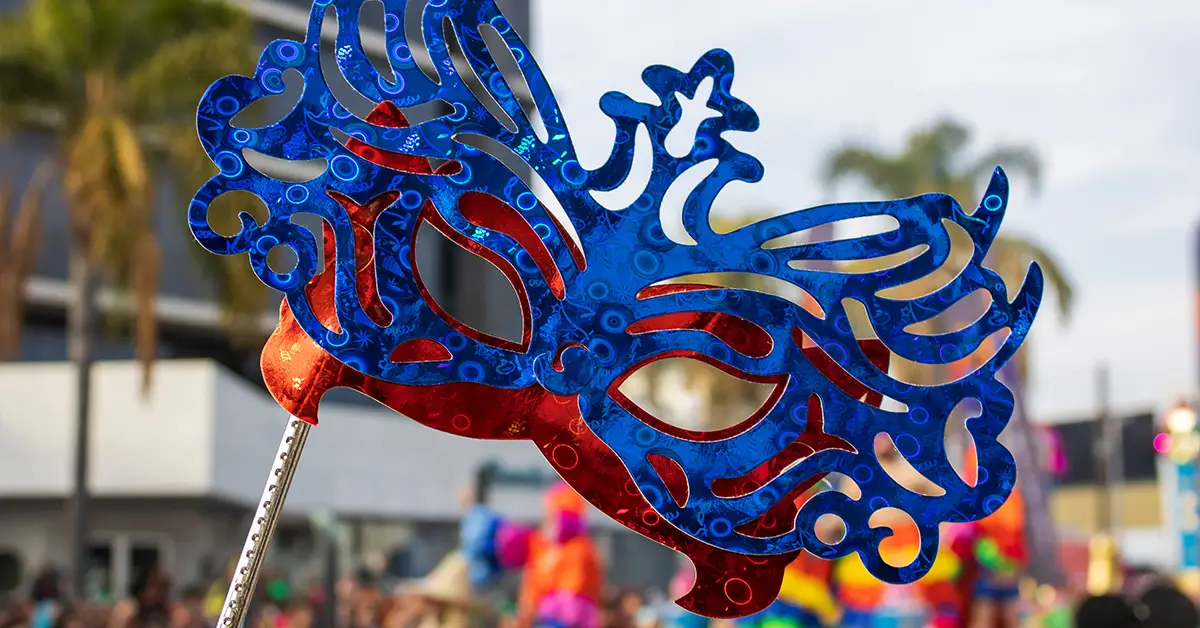
The Limassol Carnival is the largest street festival in Cyprus, lasting 10 days before Lent with parades, elaborate costumes and fancy-dress parties. The Limassol Wine Festival every September celebrates the island’s winemaking tradition with wine-tasting stalls, folk performances and traditional food.
Crafts and the arts
Traditional Cypriot crafts have a long history, with some internationally famous products. Lefkaritika is the art of lace embroidery originating from the village of Lefkara near Nicosia, inscribed by UNESCO as Intangible Cultural Heritage in 2009. Legend has it that Leonardo da Vinci bought a Lefkara lace cloth for Milan Cathedral during a visit in 1481. Each piece is handmade with traditional geometric patterns.
Traditional pottery is still made in the villages of Phini, Kornos and Foini in the Troodos region, including pitharia (large jars for olive oil and wine), vases and kitchenware. Silversmithing thrives in Lefkara and Nicosia, with designs combining Byzantine, Ottoman and modern motifs.
Contemporary Cypriot art has flourished since the 20th century with artists such as Adamantios Diamantis, Telemachos Kanthos and Christoforos Savva. The Cyprus State Gallery of Contemporary Art in Nicosia displays a collection of modern works from 1960 to the present. Galleries in Limassol, Larnaca and Paphos regularly hold solo and group exhibitions for young artists.
Literature and film
Cypriot literature has a rich poetic tradition dating back to ancient Greece. In modern times, poets such as Vassilis Michaelides (1849-1917) and Dimitris Lipertis (1866-1937) wrote in the Cypriot Greek dialect, closely associated with the national movement and the struggle for independence. The poets Costas Montis (1914-2004) and Kyriakos Charalambides (born 1940) are the island’s most important post-war literary figures.
Cypriot cinema has developed since the 1960s with pioneering directors such as George Filis and Ninos Mikellides. Cypriot films often explore themes of national identity, the 1974 division, rural life and relations between the Greek and Turkish Cypriot communities. Cypriot films have won many awards at international film festivals and have been screened at Cannes, Berlin and Venice.
Cyprus has two main national broadcasters: CyBC (Cyprus Broadcasting Corporation), broadcasting in Greek, and Bayrak (BRT), broadcasting in Turkish. Private channels such as Sigma TV, ANT1 Cyprus and Mega Cyprus serve the domestic market with news, drama and entertainment programmes.
Customs and daily life
Hospitality (philoxenia) is a core value of Cypriot society. Guests are always offered cold drinks, coffee and snacks as soon as they arrive, even when unannounced. Refusing such an offer is considered impolite. Family gatherings often last many hours with numerous dishes and local wine.
Name days are more important than birthdays in Cypriot culture. Each person is named after a saint in the Orthodox calendar and celebrates on that saint’s feast day. Friends and relatives drop by to offer congratulations without prior notice, bringing small gifts and sweets.
A traditional Cypriot wedding is one of the biggest social events, often with 500 to 2,000 guests. The ceremony includes an Orthodox church wedding followed by a reception with traditional dances, lively folk music and the custom of “pinning money” (guests pin banknotes to the bride and groom’s clothes as a gift of good wishes). The wedding feast always includes grilled halloumi, kleftiko, koupepia and traditional sweets.
Summary
Cypriot culture is a heritage accumulated over thousands of years, with rich layers of influence from ancient Greece, Byzantium and the Ottomans to British colonial rule and the modern European Union. Meze cuisine, PDO halloumi, Commandaria wine, the UNESCO sites of Paphos, Khirokitia and the Troodos churches, and the Lefkaritika craft tradition have created the island’s unique identity. A hospitable Mediterranean way of life that celebrates family and community makes Cyprus highly attractive to those who choose to settle there.
Accompanying you on your journey in residency investment
The Prosperous Living Investment team advises on pathways, assesses profiles and manages investments transparently for every residency, citizenship and international property objective.
Free profile assessmentWhere life gets prosperous