


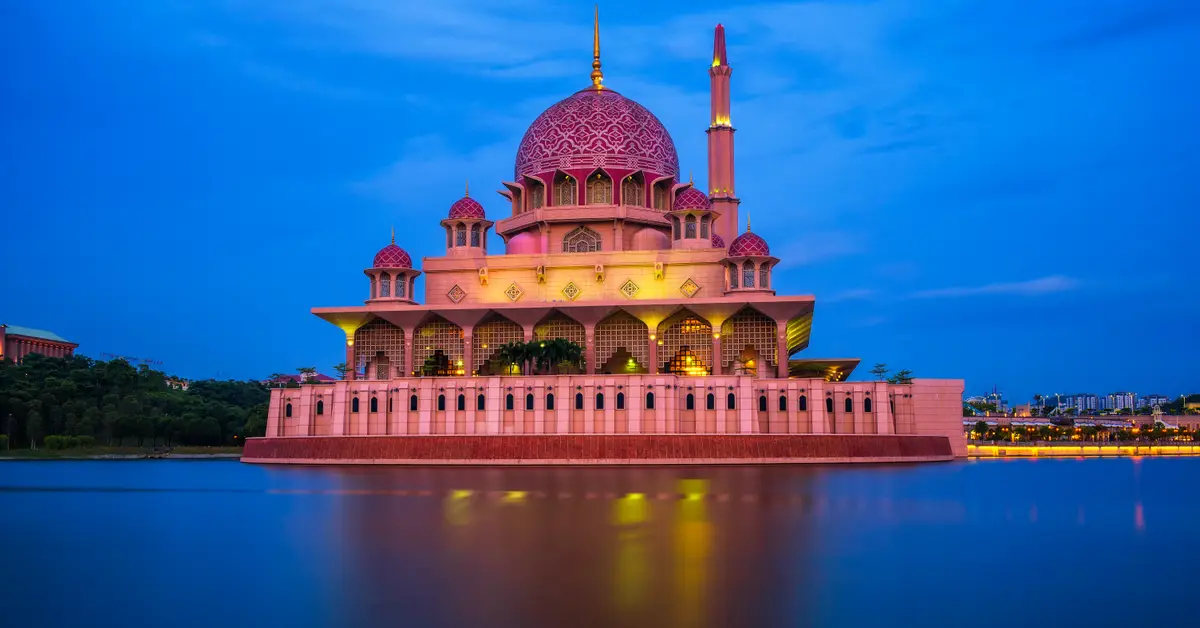
Malaysian culture is one of the most diverse in Southeast Asia, where Malays, Chinese, Indians, and indigenous peoples live together. With the capital Kuala Lumpur as the intersection, this country blends many religions, languages, cuisines, and festivals into a unique shared identity.
Contents
A multicultural society defines the Malaysian identity
What makes Malaysian culture special lies in the pluralism that has shaped it over many centuries. Located on the maritime route of the Strait of Malacca, the country has long been a meeting place for traders, migrants, and beliefs from many different lands. The result is a society where many communities coexist, each group maintaining its own customs while contributing to a common whole.
The three major population groups often mentioned are the Malays, Chinese, and Indians. Alongside them are the indigenous peoples with long-standing traditions. This coexistence is not just a mechanical addition but creates rich forms of intersection in daily life, from meals and festivals to spoken language.
To understand the foundation of that identity, one can place culture in the general context of Malaysia, a federation of many states stretching across the Malay Peninsula and the island of Borneo. The geographical diversity also contributes to enriching the nuances of regional culture.
Considering a residency programme? The Prosperous Living Investment team assesses your profile free of charge and advises on the pathway that fits your goals.
Malays, Chinese, and Indians
The Malays are the largest population group and play a central role in the cultural, linguistic, and religious life of the country. Mostly Muslim, the Malays preserve many traditional customs such as the art of wayang kulit (shadow puppetry), the intricate songket weaving craft with metallic threads, and community rituals that emphasise harmony.
The Chinese community formed through many waves of migration, bringing their own beliefs, customs, and languages. They play an important role in trade and have left a clear mark in the old quarters. Different dialect groups coexist, creating richness in the habits and cuisine of this community.
The Indians, mostly with roots in South India, bring to Malaysia vibrant festivals, Hindu temples, and a spice-rich cuisine. The presence of these three major groups, along with intermarriage and interaction, has also produced unique mixed communities such as the Peranakan, which combine Chinese and Malay elements in dress, language, and food.
The relationship between population groups is also closely tied to Malaysia demographics, in which ethnic structure and population distribution directly influence the country’s cultural, linguistic, and educational policies.
Orang Asli indigenous peoples and the ethnic groups of Sabah and Sarawak
Besides the three major groups, Malaysia is also home to many indigenous peoples with their own cultural depth. On the Malay Peninsula, the Orang Asli are considered the oldest indigenous inhabitants, consisting of many small groups with ways of life, beliefs, and forest knowledge passed down through many generations.
In East Malaysia on the island of Borneo, the two states of Sabah and Sarawak have particularly rich ethnic diversity. Ethnic groups such as the Iban, Bidayuh, Kadazan-Dusun, Murut, and many others maintain distinctive customs, from communal longhouse architecture to traditional handicrafts and folk dances.
Many seasonal festivals of these ethnic groups, such as harvest festivals, are occasions for communities to gather, honouring ancestors and nature. The intangible heritage of indigenous groups is recognised in conservation efforts, with reference to the inventory of UNESCO on intangible cultural heritage.
The presence of indigenous peoples serves as a reminder that Malaysian culture is not just a story of major cities, but also extends to remote forests, mountains, and coasts, where long-standing traditions continue to be preserved.
Religion in Malaysian cultural life
Religion is one of the most important pillars shaping Malaysian culture. Islam is the official religion of the federation and is closely linked to the identity of the majority of Malays. The call to prayer echoing from mosques, the fasting month of Ramadan, and Islamic rituals are familiar parts of daily life.
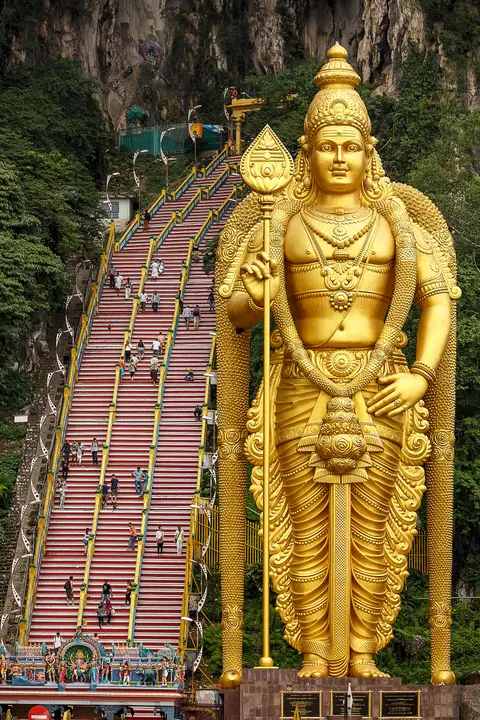
However, religious diversity is also clearly evident. Buddhism has a strong presence in the Chinese community, with numerous temples and shrines. Hinduism is associated with the Indian community, expressed through colourful temples and solemn rituals. Christianity also has a significant community of believers, particularly in East Malaysia.
In addition, many folk beliefs and indigenous traditions are maintained alongside major religions. This diverse worship space makes the urban landscape, especially in Kuala Lumpur, a place where mosques, Buddhist temples, Hindu temples, and churches coexist in close proximity.
This religious interweaving requires a spirit of mutual respect in community life. Religious holidays of various faiths are recognised, reflecting efforts to harmonise different population groups within a pluralistic nation.
Cuisine, the soul of Malaysian culture
If there is one area that fully embodies this fusion, it is cuisine. The Malaysian dining table is where Malay, Chinese, and Indian flavours meet, complement each other, and sometimes blend into entirely new dishes. Spices, coconut milk, chillies, lemongrass, and tamarind are familiar ingredients that create a characteristic depth of flavour.
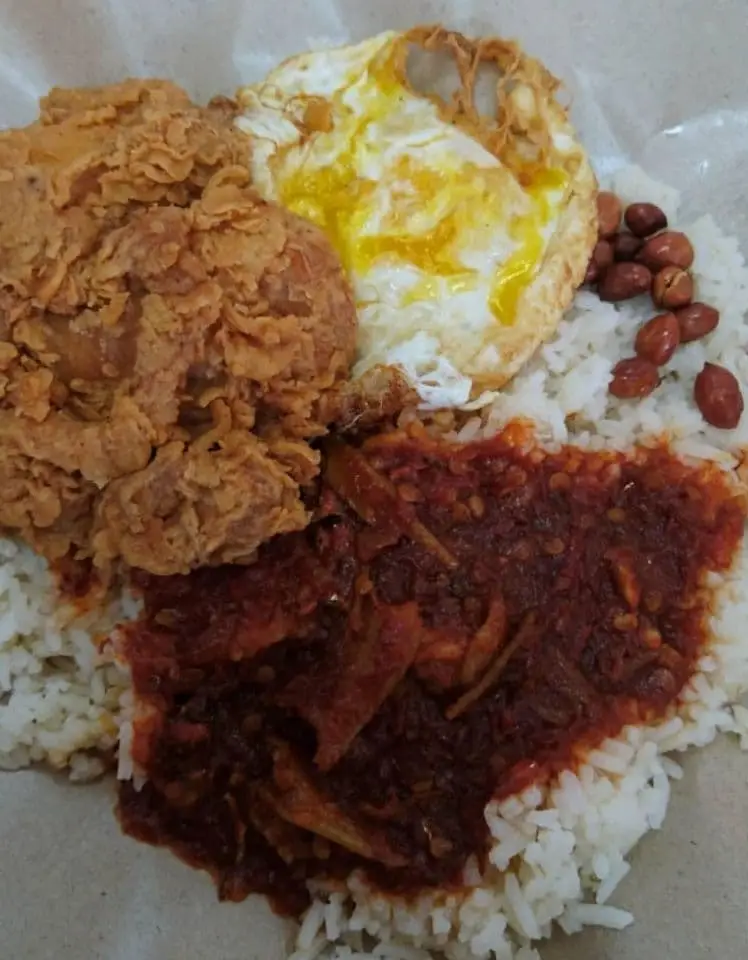
Nasi lemak, a dish of rice cooked in coconut milk served with anchovies, peanuts, boiled egg, and sambal chilli paste, is often considered the national dish. Satay consists of fragrant grilled meat skewers dipped in peanut sauce. Laksa, with its many regional variations, combines rice noodles in a rich fish broth or spicy coconut milk.
Chinese cuisine contributes various noodle dishes, steamed items, and refined cooking techniques, while Indian cuisine brings curries, roti canai, and spiced rice. This intersection also gave rise to the Nyonya cuisine of the Peranakan people, which skilfully combines Chinese ingredients with Malay spices.
The outdoor dining culture, also known as hawker and mamak, is an inseparable part of life. People from all communities sit together at casual, late-night eateries, turning meals into a true social bonding space that transcends ethnic and religious boundaries.
- Nasi lemak: coconut rice served with sambal, anchovies, peanuts, and egg.
- Satay: grilled meat skewers with peanut sauce.
- Laksa: a noodle soup with many regional variations.
- Roti canai: Indian-style flatbread served with curry.
- Nyonya cuisine: a Chinese-Malay fusion cuisine of the Peranakan people.
Festivals and holidays of the communities
The festive calendar in Malaysia directly reflects its diverse population. Hari Raya Aidilfitri marks the end of the Muslim fasting month of Ramadan, an occasion for family reunions, hosting open houses, and enjoying traditional dishes like ketupat. This is one of the largest and most anticipated holidays of the year.
Lunar New Year in the Chinese community brings a vibrant atmosphere with lion dances, red lanterns, and reunion dinners. Deepavali, the Hindu festival of lights, is radiant with oil lamps, decorative kolam patterns in front of homes, and traditional sweets.
A unique beauty of this multicultural society is the “open house” custom, where families open their doors to invite friends and neighbours from all communities to celebrate their holidays together. This practice helps strengthen cohesion and mutual understanding among different population groups.
In addition to major holidays, there are many regional and indigenous festivals, such as harvest festivals in Sabah and Sarawak or other religious celebrations. The continuous succession of festive seasons keeps cultural life vibrant all year round.
Language and the Malay language Bahasa Malaysia
Language is the glue that binds a multi-faceted society. Malay, or Bahasa Malaysia, is the national language and is used in administration, education, and general communication. It is the medium that enables different communities to interact and understand each other in daily life.
In addition, English is widely used, particularly in business, urban areas, and higher education, partly due to colonial history. The Chinese and Indian communities maintain their mother tongues, from Chinese dialects to Tamil, creating a vibrant multilingual environment.
In practice, many Malaysians can flexibly switch between several languages within the same conversation. This informal blended way of speaking is sometimes playfully called Manglish, reflecting the flexibility and openness of the linguistic landscape here.
This linguistic diversity is also linked to school systems of different streams, a feature clearly reflected in Malaysian education, where Malay, Chinese, and Tamil all have their own place.
Art, architecture, and traditional dress
Traditional Malaysian arts reflect the diversity of its communities. The shadow puppetry of wayang kulit, court and folk dances, and music featuring traditional percussion instruments are precious heritage. Crafts such as songket weaving, batik making with intricate patterns, and bamboo and rattan weaving all hold a special place.
Architecture also tells a story of fusion. Domed mosques, colourful Buddhist and Hindu temples, colonial-style townhouses, and traditional stilt houses coexist. In Kuala Lumpur, modern structures like the twin towers stand alongside historic quarters, creating an interesting contrast between the traditional and the contemporary.
Traditional attire clearly expresses the identity of each community. Malays have the elegant baju kurung and baju melayu; the Chinese maintain their own festive wear; Indians are radiant in saris and colourful traditional garments. During festivals, this diversity of attire creates a vivid visual tapestry.
The nation’s tangible and intangible heritage values, including historic cities and traditional art forms, are recognised in international conservation programmes, with reference to the world heritage list of UNESCO for Malaysia.
The historical formation of pluralistic culture
The current multicultural identity did not emerge by chance but is the result of centuries of interaction. Its position on maritime trade routes allowed this land to receive early influences from various civilisations, from merchants and missionaries to immigrant communities settling over different periods.
Major migration waves brought Chinese and Indian communities to settle, particularly during the development of plantations and mines. This long-term cohabitation gradually formed the characteristic multi-ethnic social structure that is seen today as the nation’s identity.
To understand this process more deeply, one can learn more about Malaysia history, from the era of ancient Malay kingdoms and the port of Malacca to the colonial and independence periods. It is this historical flow that has shaped a multi-layered society.
Malaysian culture is therefore a living heritage, continuously enriched over time. The balance between preserving the unique identity of each community and building a shared national identity continues to be one of the central themes in contemporary social life.
Accompanying you on your journey in residency investment
The Prosperous Living Investment team advises on pathways, assesses profiles and manages investments transparently for every residency, citizenship and international property objective.
Free profile assessmentWhere life gets prosperous