

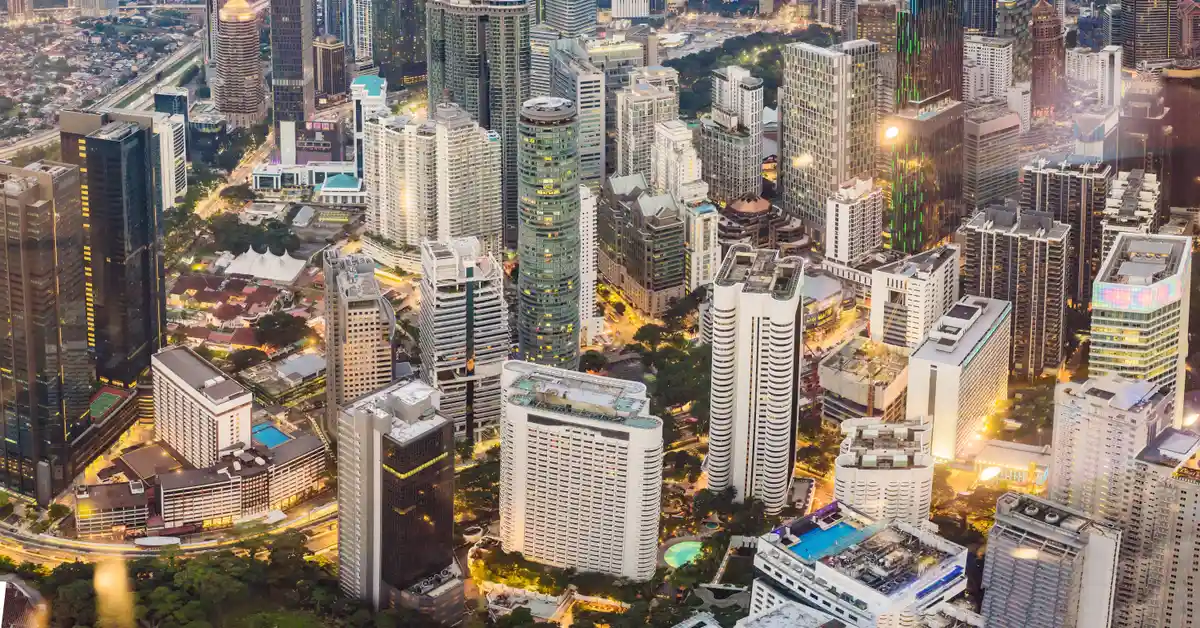
The demographic picture of Malaysia reflects a multi-ethnic, multi-religious nation with a population of over 30 million people. The Bumiputera community makes up the majority, alongside Chinese and Indians, creating a characteristic population structure around the capital Kuala Lumpur and the Klang Valley region.
Contents
Overview of Malaysian Demographics
Malaysia is one of the most demographically diverse countries in Southeast Asia. The country has a population of over 30 million, distributed across both the Malay Peninsula (West Malaysia) and its territory on the island of Borneo, which comprises the two states of Sabah and Sarawak (East Malaysia). This geographical division creates highly distinct demographic characteristics between the two regions.
When studying Malaysian demographics, the first striking feature is its multi-ethnic nature. The country does not have a single homogenous ethnic group making up the vast majority like many of its neighbours, but is rather a long-standing cohabitation of multiple communities. It is this population structure that has shaped the language, religion, social policy, and daily life of its people.
According to Department of Statistics Malaysia, population data is updated periodically through censuses and mid-term estimates. Detailed figures may change over time, so this article focuses on describing stable structural characteristics rather than specific data that can easily become outdated.
Considering a residency programme? The Prosperous Living Investment team assesses your profile free of charge and advises on the pathway that fits your goals.
Population Size and Growth Rate
Malaysia’s population currently stands at over 30 million and continues to grow, although the growth rate has slowed compared to previous decades. This is the result of a gradual decline in fertility rates, mirroring the general trend in upper-middle-income countries in the region.
A significant portion of the population consists of foreign residents and migrant workers, particularly in construction, plantation agriculture, manufacturing, and domestic services. This workforce comes from various neighbouring countries and plays a crucial role in the economy, but also adds complexity to population statistics.
In addition, the disparity in population density between the two regions is highly pronounced. The Malay Peninsula concentrates the majority of the national population at a high density, while the vast states of Sabah and Sarawak are much more sparsely populated, featuring extensive mountainous rainforests and remote rural areas.
The natural population growth rate tends to decline as living standards rise, female labour force participation increases, and the average age of marriage goes up. These factors are gradually leading Malaysia towards a demographic transition, where a young population structure will begin to shift towards gradual ageing in the future.
Diverse Ethnic Structure
The most distinctive feature of Malaysian demographics is its multi-ethnic structure. Malaysian society is often described through three main population groups alongside indigenous peoples, each bringing their own language, religion, and traditions, yet coexisting within a unified nation.
The largest group is the Malays and indigenous peoples, collectively referred to as Bumiputera (meaning “sons of the soil”). This concept encompasses Muslim Malays alongside diverse indigenous communities. The Bumiputera make up the majority of the total population and hold a central role in the political and cultural life of the country.
The Chinese community is the second-largest group, with a long history of settlement, particularly from the colonial era when many migrated to work in tin mines and commercial activities. Malaysian Chinese are highly represented in urban areas and play a prominent role in business and commerce.
The Indian community is the third-largest group, mostly of South Indian origin, who arrived in Malaysia primarily during the British colonial period to work on rubber plantations and infrastructure systems. Malaysian Indians contribute to enriching the country’s religious, culinary, and cultural landscape.
- Bumiputera: Malays and indigenous peoples, making up the majority of the population.
- Chinese: the second-largest group, concentrated in urban areas and the commercial sector.
- Indians: the third-largest group, many of South Indian descent, historically linked to plantations.
- Foreigners: a significant segment comprising migrant workers from neighbouring countries.
Indigenous Peoples and the Bumiputera Group
The concept of Bumiputera is not limited to Malays. On the Malay Peninsula, there are also the Orang Asli communities, regarded as the oldest indigenous inhabitants, with various subgroups differing in language and lifestyle. This is an important but often overlooked part of the demographic landscape.
In East Malaysia, ethnic diversity is even more pronounced. The state of Sarawak is home to indigenous groups such as the Iban, Bidayuh, Melanau, and various Orang Ulu groups. The state of Sabah features the Kadazan-Dusun, Bajau, Murut, and many other communities. Many of these groups follow different religions and have distinct cultural traditions.
It is the presence of the indigenous peoples of Sabah and Sarawak that makes the ethnic structure of East Malaysia entirely different from that of the Peninsula. While West Malaysia is heavily characterised by the three groups of Malays, Chinese, and Indians, East Malaysia is home to dozens of indigenous groups with diverse identities.
This geographical concept linked to demographics is also clearly reflected in the territorial organisation. Readers can learn more about the division of the two regions and their natural characteristics in the article on Malaysia geography to understand why the population is so unevenly distributed.
The Religious Landscape in Malaysian Demographics
Religion is an inseparable dimension when discussing Malaysian demographics. Islam is the official religion of the federation and the faith of the majority of the population, closely associated with the Malay community. Under the constitution, a Malay is defined in part by adhering to Islam.
Alongside Islam, Malaysia has a significant presence of various other religions. Buddhism is common within the Chinese community, Hinduism is associated with Indians, while Christianity has a large following, particularly in Sabah and Sarawak, as well as among certain Chinese and indigenous communities.
In addition, folk beliefs, Taoism, and the traditional beliefs of indigenous peoples are still maintained in many areas. This religious diversity directly reflects the ethnic structure, as each demographic community is typically associated with a primary belief system.
This multi-religious nature creates a rich calendar of community events with numerous major holidays celebrated throughout the year. The coexistence of these religions is also an important social characteristic, requiring harmony in policy and daily life in this multicultural nation.
Language and Multicultural Communication
Malaysia’s linguistic landscape directly reflects its multi-ethnic demographic structure. Malay (Bahasa Malaysia) is the national and official language, used in administration, education, and media nationwide.
English plays an important role as a widely used second language, particularly in business, higher education, and professional fields. This is a legacy of the British colonial era and serves as an advantage that facilitates Malaysia’s international integration.
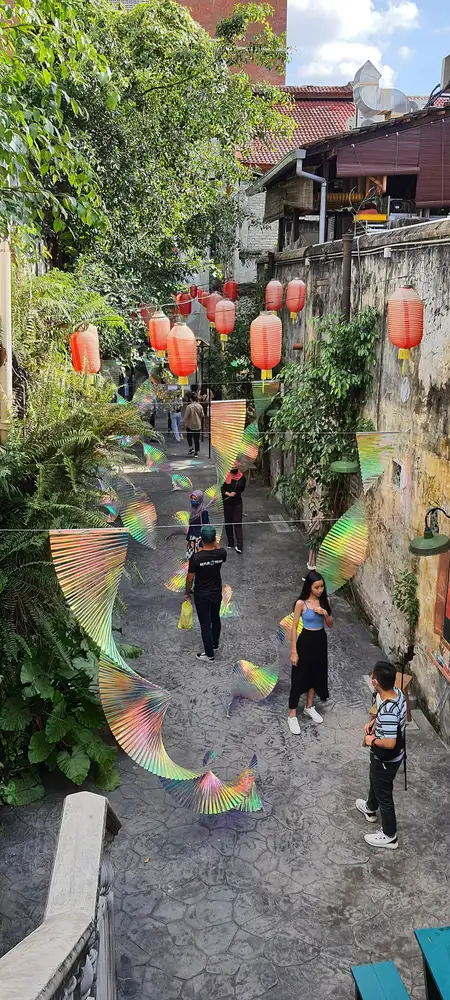
Within the various communities, many other languages and dialects are used daily. Malaysian Chinese use multiple dialects such as Mandarin, Cantonese, Hokkien, and Hakka; the Indian community commonly speaks Tamil along with other South Indian languages. In East Malaysia, indigenous peoples maintain their own languages.
This linguistic interplay creates a characteristically multilingual society, where many citizens are fluent in two or three languages. The language factor is also reflected in the school system, with different types of schools based on the medium of instruction, which you can explore in more depth in the article on Malaysian education.
Urbanisation and Population Distribution
Malaysia is a highly urbanised country, with the majority of the population living in urban areas. The process of urbanisation has taken place rapidly in recent decades, alongside industrialisation and the economic shift towards services.
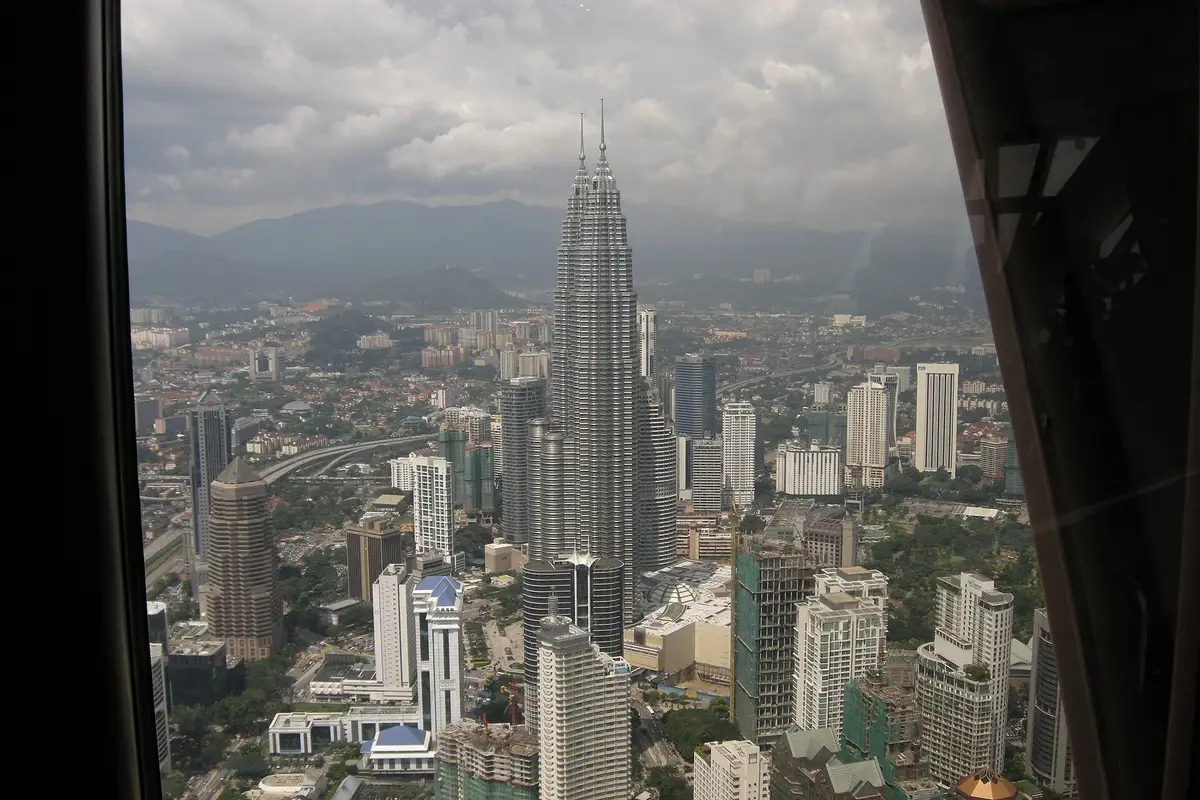
The largest population centre is the capital, Kuala Lumpur, and its surrounding metropolitan area, commonly known as the Klang Valley. This highly populated region is the economic and financial engine of the country, and the most diverse melting pot of ethnic communities nationwide.
In addition to Kuala Lumpur, several other major urban centres attract residents, such as George Town in Penang state, Johor Bahru in the south bordering Singapore, and cities like Ipoh, Kuching, and Kota Kinabalu in East Malaysia. Each city possesses its own demographic character shaped by its history.
Rural-to-urban migration continues to reshape the demographic map. Younger populations often move to major cities for education and work, leaving hubs like the Klang Valley increasingly crowded, while many rural areas face an ageing and thinning population.
Age structure and ageing trends
Compared to many developed nations, Malaysia still has a relatively young demographic structure, with the working-age population accounting for the majority. This is considered a demographic advantage, providing an abundant labour force for the current economy.
However, long-term trends show that Malaysia is gradually entering a period of population ageing. Declining birth rates combined with increased life expectancy mean the proportion of elderly people is growing over time. This is a common challenge faced by many upper-middle-income countries.
This shift in age structure poses future challenges for social security, healthcare, and pension systems. As the young workforce shrinks, productivity and policies to attract talent will become increasingly important to maintain growth momentum.
Malaysia’s Human Development Index is rated by international organisations as relatively high within the region, reflecting progress in healthcare, education, and living standards. The report by the United Nations Development Programme is a reference source for these indicators, although specific figures may change with each publication cycle.
Demographics and the socio-economic landscape
The multi-ethnic demographic structure is linked to many of Malaysia’s specific socio-economic policies. Historically, the state has implemented policies to balance economic opportunities between communities, particularly aimed at elevating the economic status of the Bumiputera group.
Occupational distribution among communities also bears historical marks. The Chinese community has traditionally been associated with trade and business, the Indian community was once concentrated in plantations and certain service sectors, while the Malays and indigenous peoples are present across the public sector and many other fields.
Alongside economic development, occupational boundaries between groups have gradually blurred as education has become universal and urbanisation has accelerated. Today’s younger generation has more opportunities to access diverse education and employment compared to previous generations.
To better understand the role of the population in production and services, readers can refer to the article on Malaysia, which presents an overview of these key sectors of the country in a systematic way.
Key characteristics to note
In summary, Malaysia’s demographics are a story of diversity and cohabitation. A nation with a population of over 30 million people, made up of many ethnic communities, religions, and languages, all coexisting within a federal system.
The differences between West and East Malaysia, the high level of urbanisation around Kuala Lumpur and the Klang Valley, and the trend of transitioning from a young to an ageing population are the characteristics that define the current and future demographic picture of the country.
When referring to specific figures, readers should rely on official statistical sources and note that population data is always being updated. The structural characteristics mentioned above are more stable and help provide an overall picture of Malaysia’s characteristic multi-ethnic society.
Accompanying you on your journey in residency investment
The Prosperous Living Investment team advises on pathways, assesses profiles and manages investments transparently for every residency, citizenship and international property objective.
Free profile assessmentWhere life gets prosperous