


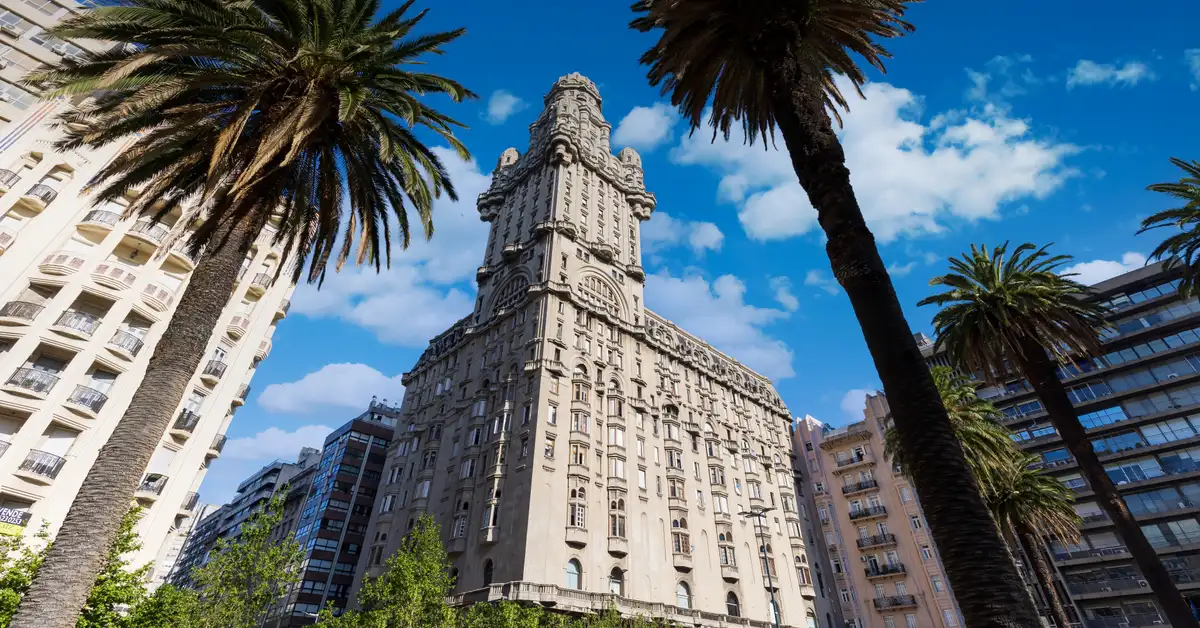
The history of Uruguay is the story of a small buffer zone along the Río de la Plata, where the indigenous Charrúa people, colonial empires, and then two neighbouring powers, Argentina and Brazil, once vied for control. From a disputed colony, the nation with its capital in Montevideo gradually took shape as one of the most stable democratic republics in South America.
Contents
Overview of Uruguayan history through the ages
Before Europeans set foot there, the land that is now Uruguay was home to many indigenous groups, most notably the Charrúa. Besides the Charrúa, there were other groups such as the Chaná, Guaraní, and several hunter-gatherer communities that moved seasonally across the vast grasslands along the river.
The Charrúa lived primarily by hunting, gathering, and fishing, moving flexibly according to food sources on the grasslands. They did not form large cities or centralised agriculture like many other civilisations in the Americas, so the material traces left behind are relatively scarce.
When researching the history of Uruguay during this period, it should be noted that most information about the Charrúa was recorded from the perspective of the colonisers, so many details are qualitative. What is certain is that the indigenous community suffered a severe decline through centuries of contact, conflict, and disease.
Considering a residency programme? The Prosperous Living Investment team assesses your profile free of charge and advises on the pathway that fits your goals.
Colonial dispute between Spain and Portugal
From the beginning of the 16th century, Spanish explorers began to enter the Río de la Plata estuary area. However, due to the lack of gold and silver and the sparse indigenous population, this land was initially not prioritised for intensive exploitation by Spain like many other colonies.
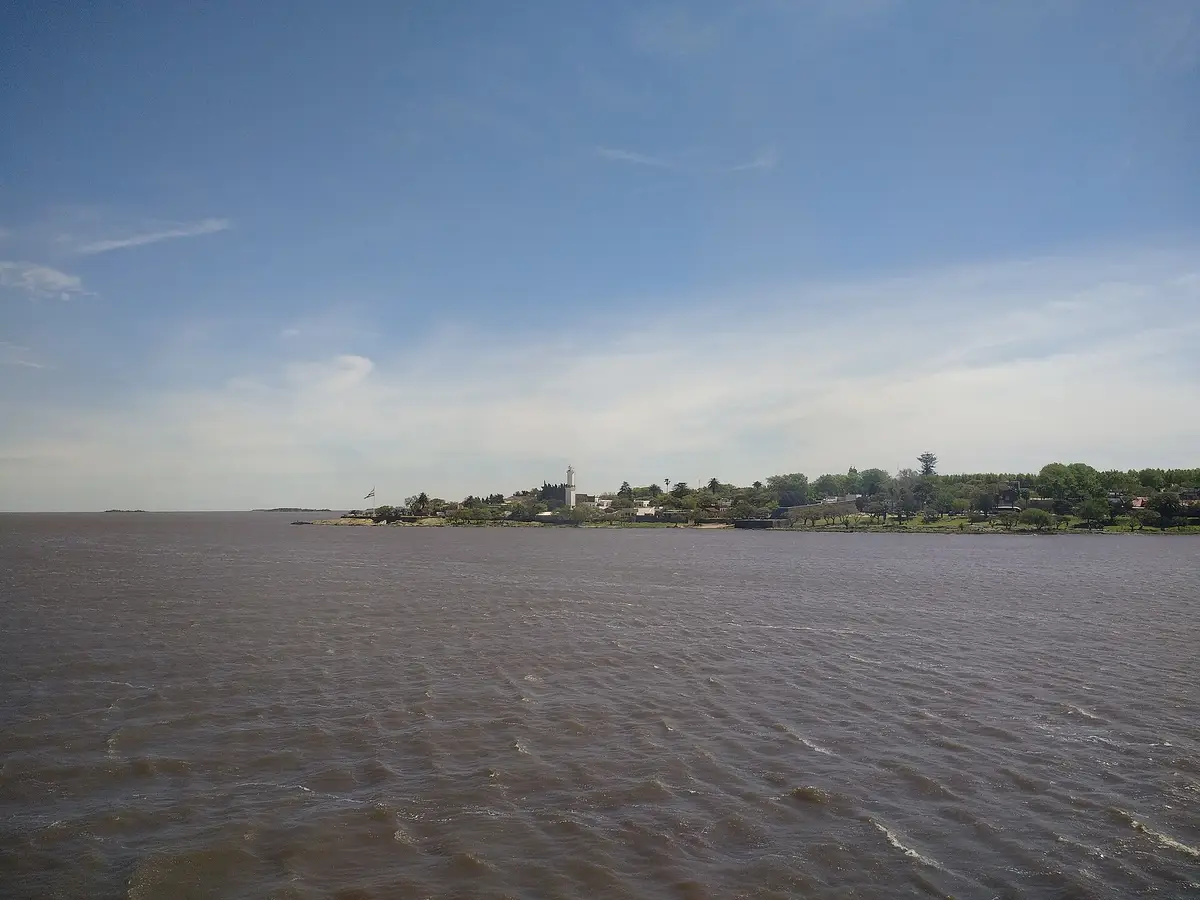
It was not until the second half of the 17th century and the beginning of the 18th century that the Banda Oriental (East Bank of the Uruguay River) became a focal point of dispute. Portugal established the city of Colonia del Sacramento on the banks of the Río de la Plata, opposite Buenos Aires, turning the place into a hub for smuggling and a flashpoint between the two empires.
To counterbalance Portugal, Spain built and fortified Montevideo during the first half of the 18th century as a fortress and military port. The deep-water port location of Montevideo quickly helped it become an important administrative and commercial centre for the region.
The historic quarter of Colonia del Sacramento is today a UNESCO World Heritage site, clearly reflecting the intertwined Spanish-Portuguese architectural influence. Information on these heritage sites can be found through the records of UNESCO regarding heritage sites in Uruguay.
Buffer zone between Argentina and Brazil
Geography shaped Uruguay’s destiny as a buffer zone between two major powers. To the west and south lay the sphere of influence of Buenos Aires (later Argentina), while the north and east were controlled by Portugal and then Brazil.
For many decades, the Banda Oriental was constantly contested. Control of Montevideo and its surrounding areas changed hands multiple times between Spanish, Portuguese-Brazilian forces, and local movements, keeping the political life there in a state of constant instability.
This buffer-zone characteristic later became a key factor: the independence of Uruguay partly stemmed from the need of both Argentina and Brazil to have an intermediary nation, avoiding the risk of the strategic estuary region falling entirely into the hands of the other.
Looking back at the history of Uruguay, it is evident that this nation with its capital, Montevideo, was formed not only from internal aspirations for independence but also from the regional balance of power. This context is linked to the entire process of the country of Uruguay later on.
Artigas and the struggle for independence
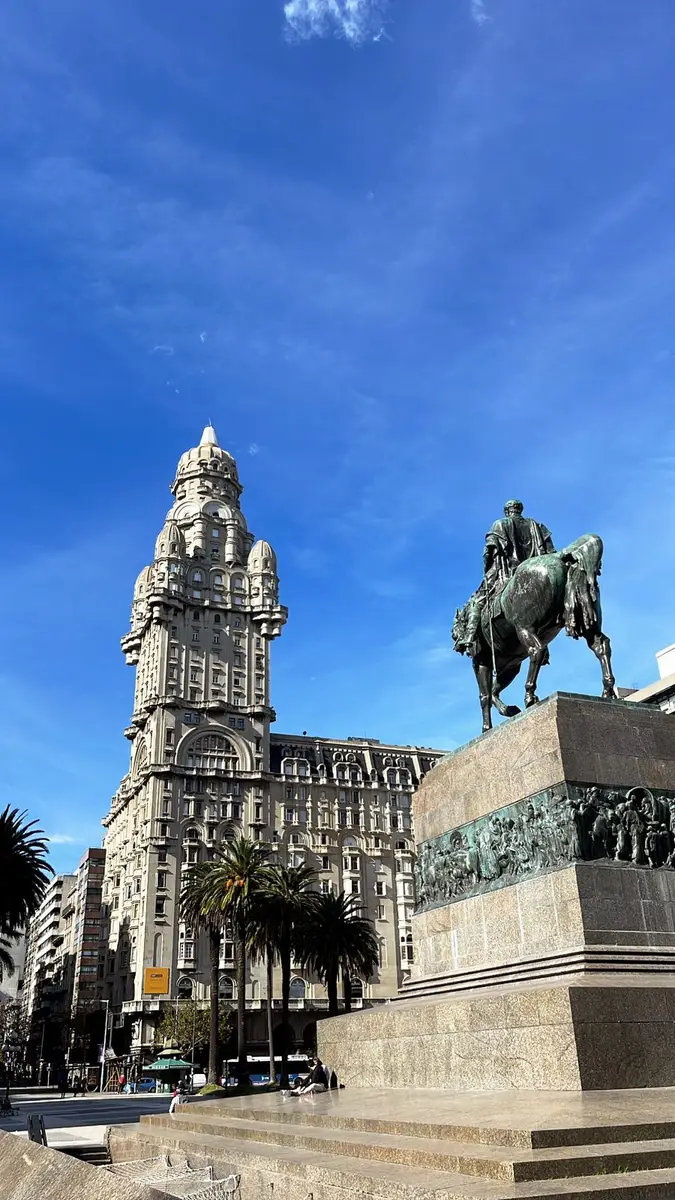
In the early 19th century, a wave of calls for independence spread across Spanish colonies in the Americas. In the Banda Oriental, José Gervasio Artigas emerged as the iconic leader of the movement and is today honoured as a national hero of Uruguay.
Artigas advocated for a federal system, promoting the autonomy of provinces and opposing the centralised imposition from Buenos Aires. His ideology was not only aimed at escaping colonial rule but also at shaping a distinct political identity for the Eastern Bank.
However, the struggle took place in a highly complex context with many intertwined forces. Eventually, Portuguese and then Brazilian forces occupied the Banda Oriental, annexing the region as a subordinate province, while Artigas had to live in exile and passed away abroad.
Although he did not directly witness complete independence, the ideological legacy of Artigas is still considered the spiritual foundation of the nation. His image is widely present in public life, closely tied to Uruguayan culture and national memory.
Declaration of independence in 1825 and recognition in 1828
In 1825, a group of patriots often called the “Thirty-Three Orientals” (Treinta y Tres Orientales) returned from exile and launched an uprising against Brazilian rule. They declared independence for the Eastern Bank and desired to unite with the provinces of the Río de la Plata region.
The uprising sparked a war between Brazil and the United Provinces of the Río de la Plata, the predecessor of Argentina. The conflict was prolonged and caused significant losses for both sides without either gaining a decisive advantage.
With British mediation, a peace treaty was signed in 1828 (often called the Preliminary Peace Convention – Convención Preliminar de Paz). Under this, both Brazil and Argentina recognised a new independent nation as a buffer between the two countries.
The new nation was officially named the Oriental Republic of Uruguay (República Oriental del Uruguay), with its first constitution enacted a few years later. This was the milestone that birthed the modern Uruguayan state, laying the foundation for a republican system with Montevideo as its capital.
Civil war between the Colorado and Blanco factions
In the first decades after independence, Uruguayan political life was dominated by the rivalry between two major factions: the Colorado (Red) and the Blanco (White), which later developed into the two oldest traditional political parties in the country. This division reflected differences in geography, interests, and governance perspectives.
Conflicts between the two factions frequently erupted into armed clashes. One of the longest periods of tension was the multi-year siege of Montevideo in the mid-19th century, often referred to as the “Great War” (Guerra Grande), which involved the intervention of foreign forces.
Domestic disputes were often linked to regional upheavals, including the War of the Triple Alliance against Paraguay in the second half of the 19th century, in which Uruguay participated alongside Argentina and Brazil. These wars left profound political and demographic consequences.
Despite prolonged instability, the competition between the Colorado and Blanco in the long term contributed to the formation of a pluralistic political system. This two-party tradition is part of the foundation of Uruguayan political system modern.
Batlle reforms and the birth of the welfare state
Entering the early 20th century, Uruguay entered a period of profound transformation linked to the name José Batlle y Ordóñez, a politician from the Colorado faction who served as president. His reformist ideology left such a deep mark that this entire period is often called the “Batllismo” era.
Batlle promoted a series of progressive social reforms for the time: expanding workers’ rights, developing public education, increasing the state’s role in the economy, and laying the foundation for a social security system. Many of these policies turned Uruguay into one of the earliest welfare states in the region.
Furthermore, this period recorded a trend of separating church and state, consolidating the secular tradition that is a prominent characteristic of Uruguayan society. These reforms contributed to building the image of a stable nation with a relatively large middle class.
Thanks to a solid institutional and welfare foundation, during many decades of the early 20th century, Uruguay was likened to the “Switzerland of South America”. This image reflects a period of relative prosperity and stability, although the country later experienced many challenges.
Mid-20th century crisis and social unrest
The prosperity model, based heavily on agricultural exports and the welfare state, gradually revealed its limitations by the mid-20th century. As international trade conditions changed and growth slowed, Uruguay faced prolonged economic difficulties, inflation, and budgetary pressure.
The weakened economic context led to increased social and political tension in the 1960s and early 1970s. Dissatisfaction spread, and resistance movements emerged, including the activities of urban guerrilla forces, making the security environment tense.
In that situation, the role of the military and security forces in political life grew increasingly significant. The combination of economic crisis, social instability, and political confrontation set the stage for a serious turning point in 1973.
This period shows that even a nation with a tradition of democracy and stability can fall into crisis when its economic foundation falters. This is an important lesson when looking back at the history of Uruguay throughout the 20th century.
Military dictatorship period from 1973 to 1985
In 1973, the democratic process was interrupted when the military seized power, dissolved Parliament, and established a military dictatorship. Uruguay entered one of the darkest periods in its history, lasting more than a decade.
Under the military regime, political and civil liberties were severely restricted. This was a period marked by the suppression of the opposition, political arrests, censorship, and human rights violations, while many people had to live in exile abroad.
The dictatorship in Uruguay was part of the general context of the wave of military regimes in South America at that time. However, economic pressure, social resistance, and the regional trend towards democratisation gradually weakened the foundations of the military government.
A significant milestone was the referendum in the early 1980s, when the majority of voters rejected the constitutional proposal put forward by the military. This result paved the way for a negotiated transition towards restoring civilian institutions.
Restoration of democracy and modern Uruguay
In 1985, Uruguay restored democracy with the organisation of elections and the transfer of power to a civilian government. This event closed the period of dictatorship and opened an era of institutional reconstruction, strengthening the rule of law and social reconciliation.
Since then, Uruguay has maintained periodic elections and peaceful transfers of power, and is considered one of the most stable democracies with lower corruption levels than the regional average. The traditional two-party system of the Colorado and Blanco parties has also been supplemented by new political forces.
In recent decades, the country has gained recognition for various social policies that have attracted international attention, with a focus on sectors such as education, renewable energy, and technology. These directions continue the reformist tradition that began at the start of the 20th century.
Looking back at its entire journey, the history of Uruguay is the process of a small nation persistently building its identity and institutions among powerful neighbours. From a disputed buffer zone, Uruguay has become a democratic republic with its own standing in South America, with Montevideo as its political and cultural centre.
Accompanying you on your journey in residency investment
The Prosperous Living Investment team advises on pathways, assesses profiles and manages investments transparently for every residency, citizenship and international property objective.
Free profile assessmentWhere life gets prosperous