


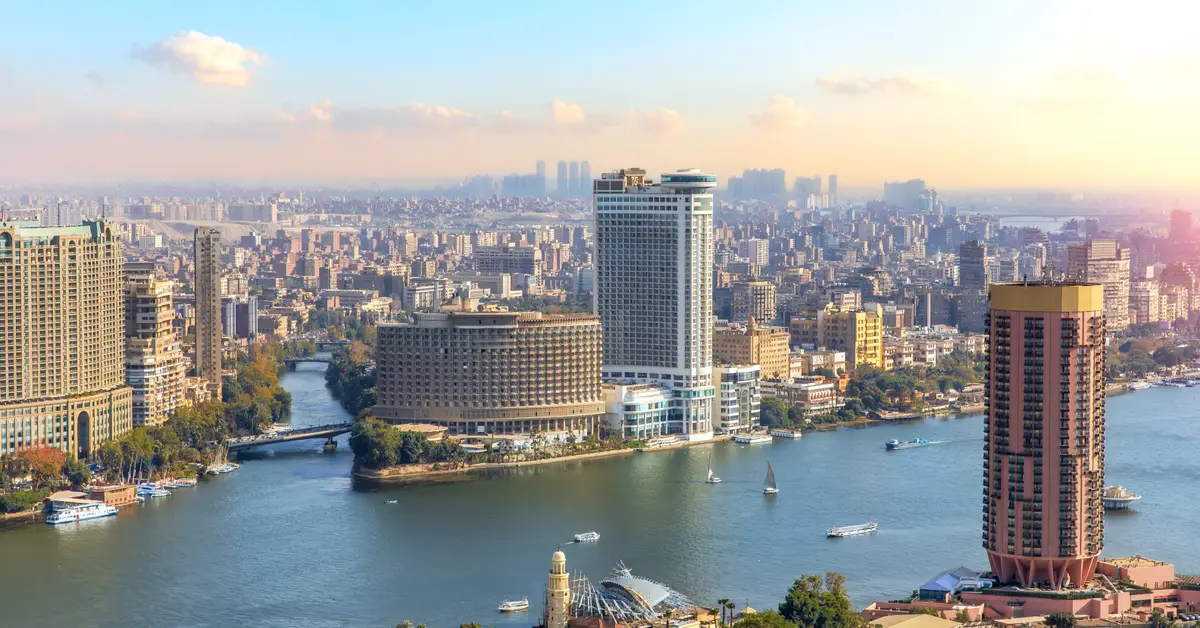
The economy of Egypt is one of the largest and most diverse in the Arab world, based on pillars such as Nile delta agriculture, tourism, revenue from the Suez Canal, remittances, oil and gas, and the services sector. This article outlines its structure, growth drivers, and key challenges.
Contents
Overview of the Egyptian economy
The Egyptian economy is often ranked among the largest in Africa and the Middle East and North Africa region. It is a mixed economy where the state retains a significant role alongside an expanding private sector. Its unique geographical location, connecting Africa with Asia and Europe, provides the nation with many trade and transport advantages.
The structure of the economy is quite diverse and does not depend entirely on a single industry. Key pillars include agriculture, manufacturing, energy, tourism, financial services, and transit fees from maritime traffic through the Suez Canal. This diversity helps Egypt to be more resilient against local shocks.
To visualise the economic picture, it should be placed in the broader context of Egypt with a large population and a long history. The large population size creates a broad domestic consumer market while also placing pressure on employment and social welfare.
Considering a residency programme? The Prosperous Living Investment team assesses your profile free of charge and advises on the pathway that fits your goals.
Agriculture and the role of the Nile
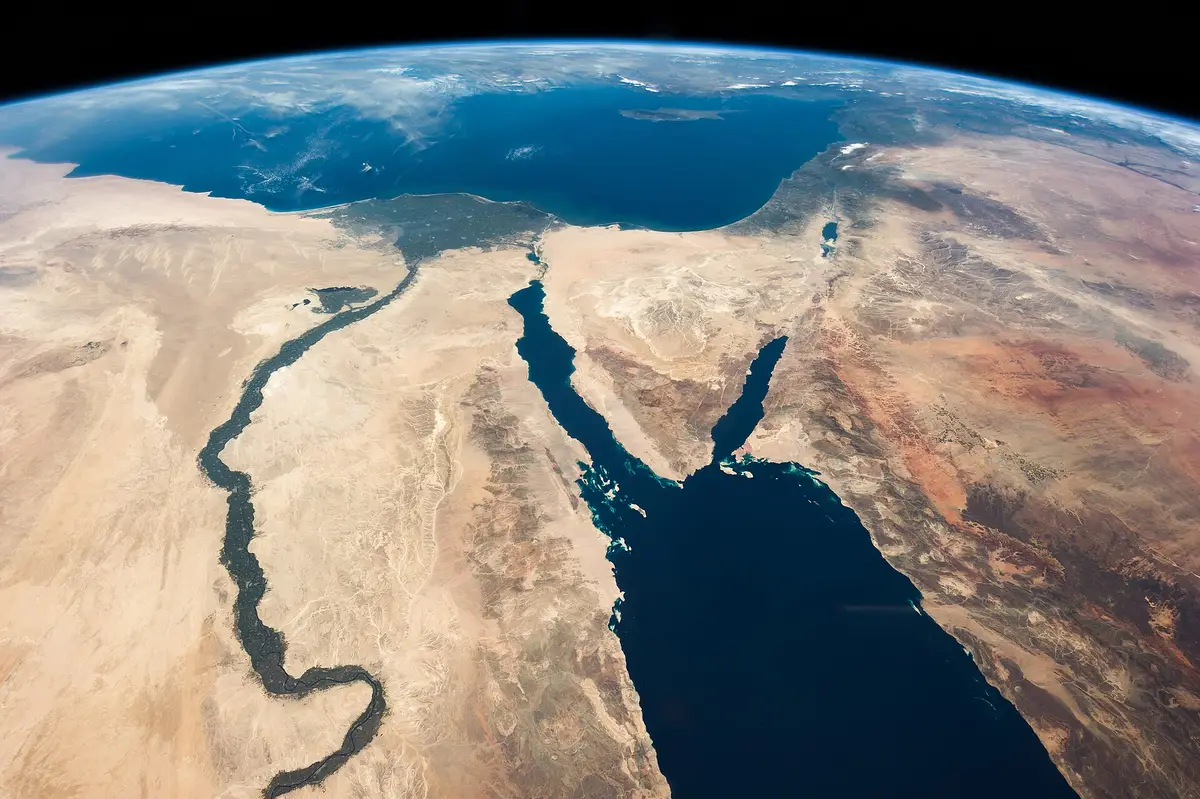
Agriculture is one of the oldest foundations of the Egyptian economy, linked to the Nile and the fertile delta region. Most farming activities are concentrated along the river and in the downstream area, while the majority of the remaining territory is arid desert. This characteristic is clearly reflected in Geography of Egypt.
Traditional agricultural products include cotton, wheat, rice, maize, sugarcane, vegetables, and dates. Egyptian cotton has long been famous on the international market for its long-staple quality, linked to the domestic textile industry. Additionally, exported fruits and vegetables also contribute to foreign currency earnings.
However, the agricultural sector faces many structural challenges. Limited arable land area compared to the population size, the pressure of urbanisation encroaching on agricultural land, and a heavy reliance on Nile water are issues discussed frequently. Therefore, food security and water management have become key policy priorities.
Furthermore, Egypt is a significant food importer, particularly of wheat, to meet domestic consumption needs. This makes the economy sensitive to fluctuations in commodity prices and global supply chains.
The Suez Canal and logistics positioning
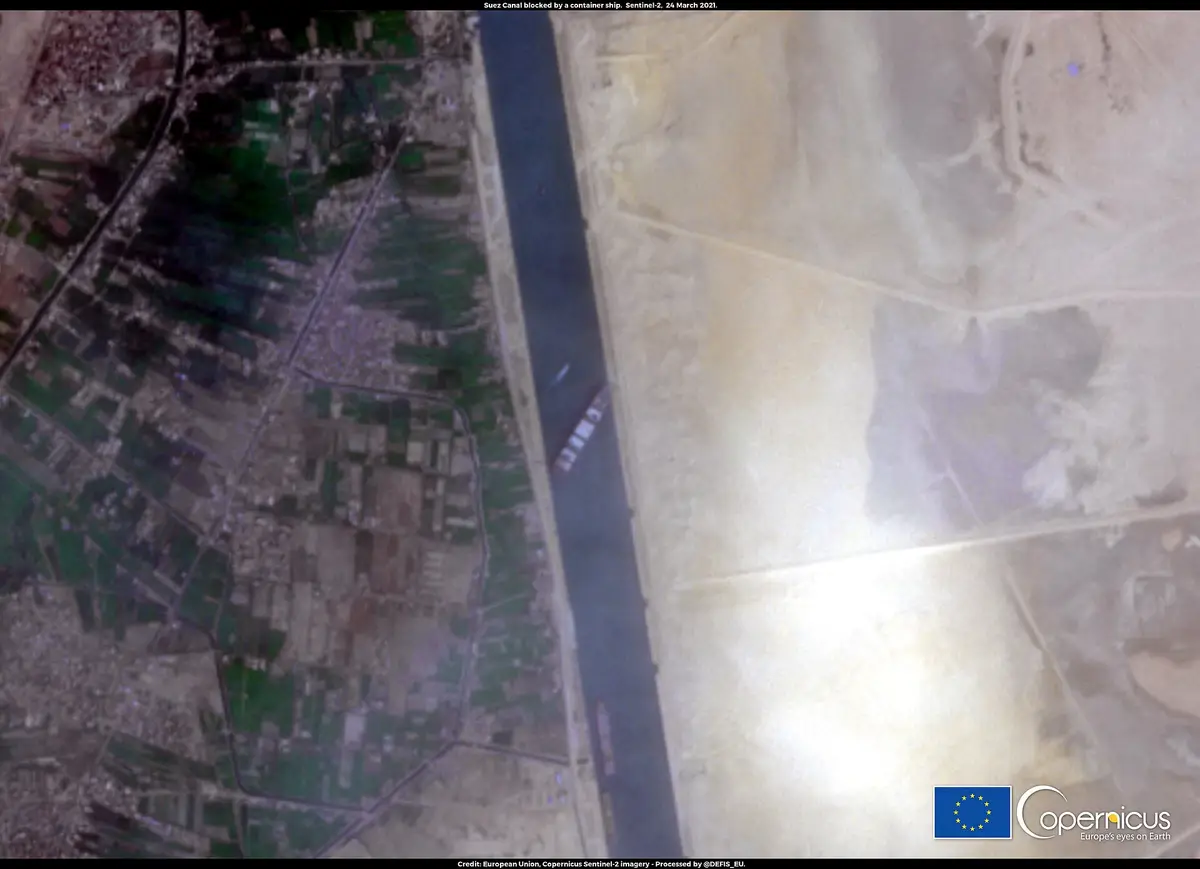
The Suez Canal is one of the most prominent strategic assets of the Egyptian economy. This man-made waterway connects the Mediterranean Sea with the Red Sea, significantly shortening the maritime journey between Europe and Asia, and is one of the busiest shipping routes in the world.
Transit fee revenue from ships passing through the canal provides stable foreign currency for the national budget. This is considered one of the main sources of income, alongside tourism and remittances. The volume and value of fees can fluctuate according to global trade conditions and regional security situations.
Around the canal, the government has promoted the development of economic and industrial zones to leverage logistics advantages. The goal is to turn the canal corridor into a hub for transhipment, processing, and maritime services, thereby increasing value rather than merely collecting transit fees.
Additionally, the role of this route also ties the Egyptian economy closely to geopolitical fluctuations and maritime safety in the Red Sea region. Any disruption to the transport route can affect this important source of revenue.
Tourism and cultural heritage
Tourism is a traditional pillar and an important source of foreign currency for the Egyptian economy. The nation possesses a massive treasure trove of heritage from ancient civilisations, in which the Giza pyramids, temples along the Nile, and museums are attractive destinations for international tourists.
Beyond ancient heritage, resorts along the Red Sea and the Mediterranean also attract leisure and scuba diving tourists. The combination of cultural tourism and beach tourism helps this industry cater to many different segments.
However, tourism is an industry sensitive to security, political, and health factors. The number of international visitors can drop sharply during periods of instability and recover when the situation stabilises. Therefore, the contribution of tourism to the economy often fluctuates over the years.
The government has invested in infrastructure, new museums, and national branding to attract visitors. The close link between tourism and national identity is clearly reflected in Egyptian culture.
Energy, oil, and gas
The energy sector plays an increasingly important role in the Egyptian economy. The nation has a long history of oil extraction, but the discovery and development of natural gas fields offshore in the Mediterranean in recent years have changed the landscape of the industry.
Natural gas is expected to help Egypt meet domestic energy demand and move towards exports, especially in the form of liquefied natural gas. Its geographical location and existing liquefaction infrastructure create conditions for the nation to become a regional energy hub.
Besides fossil fuels, Egypt is also pursuing renewable energy projects, including solar and wind power, taking advantage of the sunny and windy desert climate. These projects are part of the orientation to diversify power supply and reduce reliance on fuel subsidies.
Nevertheless, balancing energy supply and demand remains a complex issue. Population growth and industrial demand place significant pressure on the power system, requiring continuous investment in production and transmission.
Industry, textiles, and construction
Egypt’s industrial sector is relatively diverse compared to many regional economies. Typical industries include textiles, food processing, chemicals, fertilisers, construction materials such as cement and steel, as well as the assembly and production of consumer goods.
Textiles is a long-standing industry, linked to domestic cotton sources and an abundant workforce. This sector serves both the domestic market and export markets, although it faces intense competition from other manufacturing hubs worldwide.
Construction and real estate have been prominent growth drivers in recent years, particularly with large-scale infrastructure projects and new urban developments. The government has implemented a new administrative capital project near Cairo to reduce pressure on existing urban areas.
Furthermore, foreign investment in manufacturing and infrastructure is encouraged. The legal framework for investment, including the programme Egypt citizenship by investment, reflects efforts to attract capital and foreign currency.
Remittances and labour abroad
Remittances from Egyptian workers abroad are one of the economy’s most important sources of foreign currency. A large number of Egyptian workers are employed in Gulf countries and elsewhere, sending money home to support their families.
These remittances contribute to stabilising the balance of payments and supporting household consumption. For many families, this is an essential source of income, holding social significance alongside its economic value.
However, remittance flows also depend on the economic situation of host countries, particularly oil price fluctuations in the Gulf. When these economies face difficulties, the demand for labour and the level of remittances sent home may decline.
The phenomenon of labour migration is also closely linked to the young demographic structure and domestic employment pressure, a topic tied to the quality of Egypt’s human resources and education.
The Egyptian pound and monetary policy
The official currency is the EGP (Egyptian pound). The exchange rate of this currency has undergone several adjustment phases, including devaluations and shifts to a more flexible exchange rate mechanism under reform programmes.
The central bank plays the role of managing monetary policy, controlling inflation and managing foreign exchange reserves. The goal often emphasised is price stability, strengthening confidence in the local currency and attracting investment capital.
In reality, pressure from depreciation and inflation are recurring challenges. When the local currency weakens, the cost of imports and the price of essential goods rise, directly affecting the lives of the people. Therefore, figures regarding exchange rates and inflation can change rapidly and require reference to updated sources.
To monitor macroeconomic developments, reports from World Bank provide periodic data and analysis on the Egyptian economy.
Economic reform and cooperation with the IMF
Over many years, Egypt has implemented economic reform programmes aimed at stabilising the macroeconomy and promoting growth. These reforms often include exchange rate adjustments, subsidy cuts, fiscal consolidation and expanding the role of the private sector.
Egypt has also collaborated multiple times with the International Monetary Fund within the framework of financial support programmes conditional on reforms. These programmes aim to restore budget balances, strengthen foreign exchange reserves and enhance investor confidence.
Detailed information on this relationship is published on the website of International Monetary Fund. It should be noted that the content and conditions of each programme may change over time and through specific negotiations.
Although they bring macroeconomic stability, reform measures such as subsidy cuts often create pressure on the cost of living in the short term. Therefore, balancing fiscal stability and protecting vulnerable population groups is a constant policy challenge.
Challenges and prospects for the Egyptian economy
The Egyptian economy faces many long-term challenges. Inflation, exchange rate pressure and the public debt burden are issues frequently mentioned in reports and policy discussions. Furthermore, dependence on food and energy imports increases vulnerability to external shocks.
The young demographic structure is both an opportunity and a challenge. An abundant workforce can become a growth driver if trained and provided with good jobs, but it also creates significant pressure if the rate of job creation does not keep pace with population growth.
Regarding prospects, potential drivers include gas development, the expansion of the Suez Canal corridor, infrastructure investment, renewable energy and the digitalisation of the economy. The ability to realise these potentials depends on macroeconomic stability, the investment environment and institutional reform.
In general, this is a large, diverse economy that is still in the process of transition. Any specific quantitative assessment should be based on updated data from international organisations and official statistical agencies, as many indicators can change rapidly over time.
- Challenges: inflation, exchange rate pressure, public debt and dependence on food and energy imports.
- Opportunities: offshore gas, Suez Canal corridor, renewable energy and urbanisation.
- Key factors: macroeconomic stability, job creation for the young population and improving the investment environment.
Accompanying you on your journey in residency investment
The Prosperous Living Investment team advises on pathways, assesses profiles and manages investments transparently for every residency, citizenship and international property objective.
Free profile assessmentWhere life gets prosperous