

Egyptian culture is one of the oldest and richest in the world, where the heritage of the Nile civilisation blends with Islamic life, Coptic Christianity and Arab identity. In the capital, Cairo, the pharaonic past and the contemporary present coexist on every street corner.
Contents
What layers of sediment formed Egyptian culture
To understand Egyptian culture, one must imagine it as a thick layer of sediment built up over thousands of years. The bottom layer is the ancient civilisation on the banks of the Nile with its pharaohs, temples and hieroglyphs. Above that are the imprints of Hellenisation, Rome, and then the process of Islamisation from the 7th century.
Each stage does not erase the previous one but overlaps, creating a multi-layered identity. Today’s Egyptians are both proud of the ancestors who built the pyramids and deeply attached to Islam and the Arabic language. This rare cultural continuity makes History of Egypt an inseparable foundation of contemporary cultural life.
Furthermore, its position at the crossroads of Africa, the Middle East and the Mediterranean makes this nation a meeting point for many civilisational currents. Therefore, the culture here is distinctly synthetic, both indigenous and open to external influences.
Considering a residency programme? The Prosperous Living Investment team assesses your profile free of charge and advises on the pathway that fits your goals.
The legacy of ancient civilisation imprinted on contemporary life
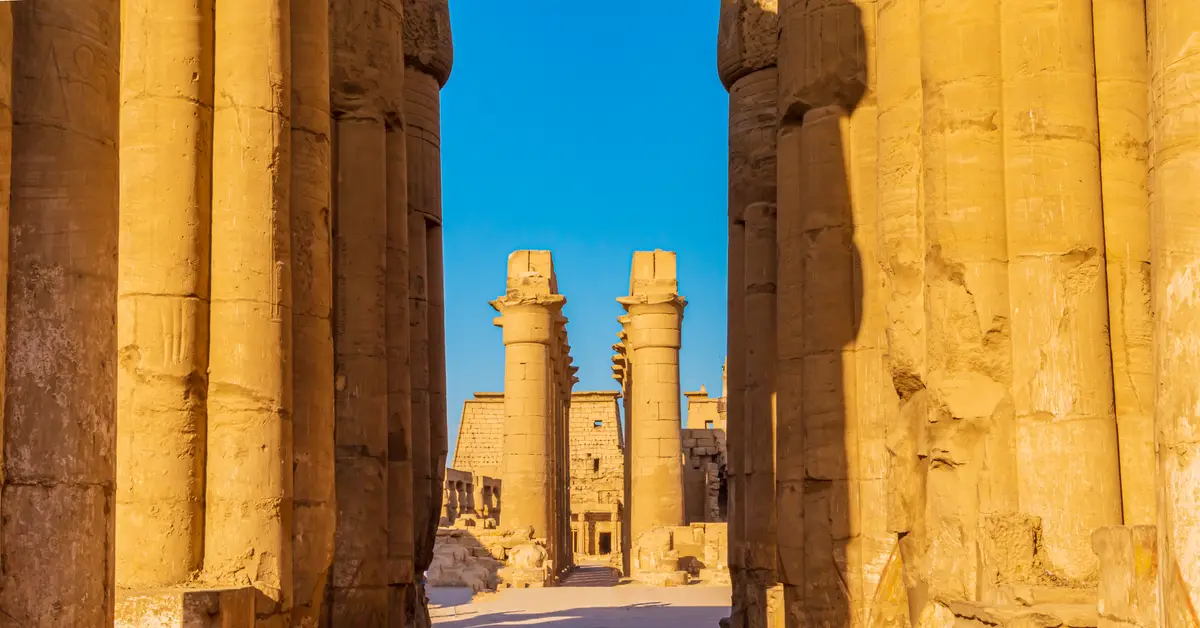
The ancient civilisation along the Nile left a massive material legacy: the Giza pyramid complex, the Sphinx, the Karnak and Luxor temples, and the Valley of the Kings. These are not only tourist destinations but also symbols that define the national pride of modern Egyptians.
The United Nations Educational, Scientific and Cultural Organisation has inscribed many sites in this country on the World Heritage list. According to the records of UNESCO, complexes such as the pyramid fields from Giza to Dahshur or the ancient city of Thebes are recognised for their global value, reflecting the stature of the heritage here.
Images from ancient times continue to appear in logos, public architecture and national symbols. The lotus, the Horus falcon or the Wadjet eye still appear on handicrafts and souvenirs. Thanks to this, the pharaonic past becomes a living memory rather than just a chapter in a textbook.
In addition, the field of Egyptology attracts researchers worldwide, while the Grand Egyptian Museum in the Giza area was built to display a huge collection of antiquities, reinforcing the country’s role as a heritage centre.
Religion in Egyptian culture: Islam and Coptic Christianity
Religion is the backbone of Egyptian culture. The majority of the population follows Sunni Islam, while a significant minority community follows Coptic Christianity. These two communities share language, cuisine and many customs, creating a long-standing, intertwined religious tapestry.
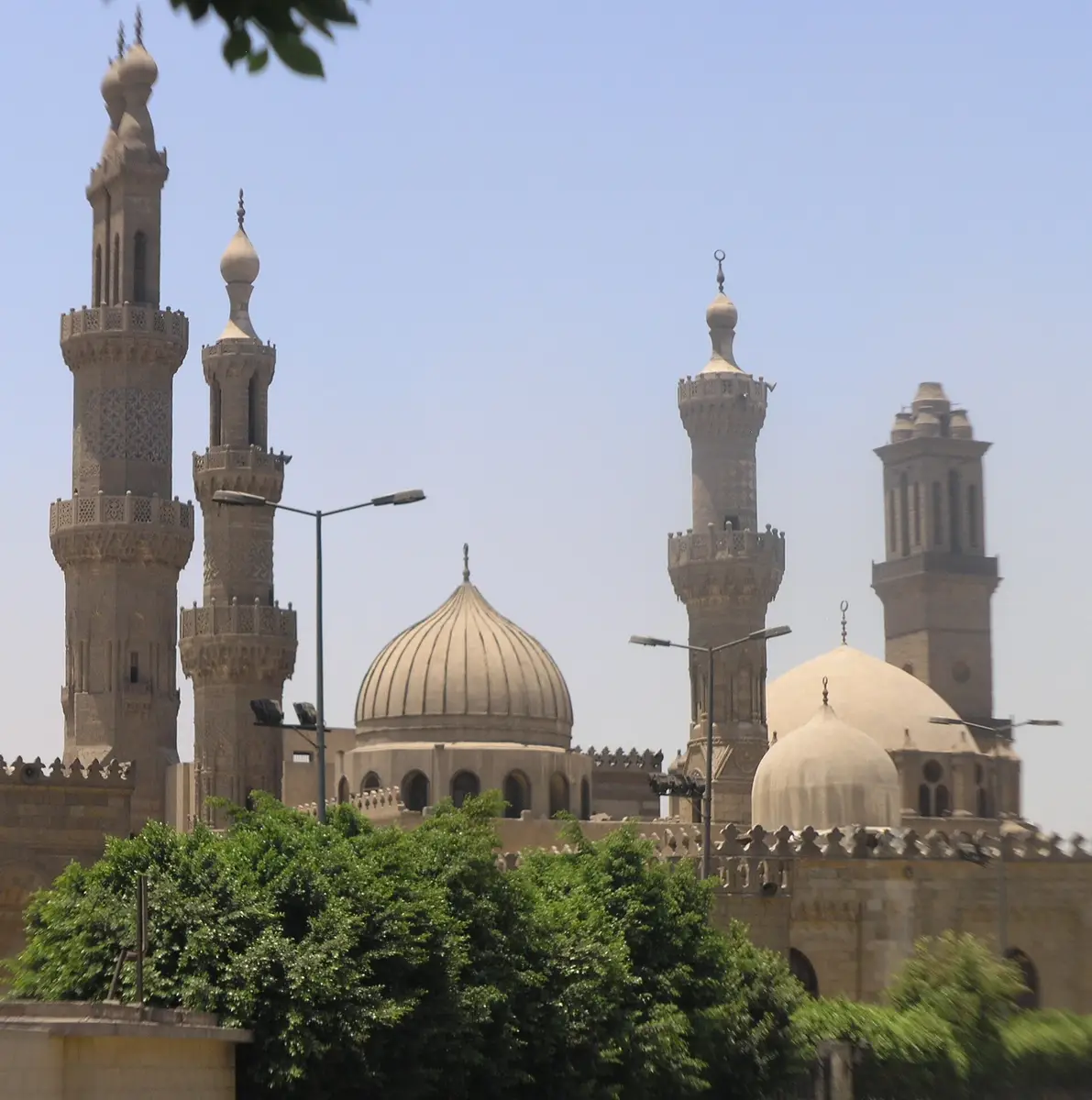
Islamic life follows the rhythm of five daily prayers, the month of Ramadan, and the Eid festivals. The call to prayer echoing from countless mosques (masjid) is the signature sound of the urban landscape. Cairo has long been known as the city of a thousand minarets, reflecting its dense concentration of religious architecture.
The Coptic Orthodox Church is among the world’s oldest Christian communities, led by the Pope in Alexandria. Desert monasteries, a unique liturgical calendar, and a tradition of iconography are the hallmarks of this heritage.
The coexistence of these two faiths helps shape the festival calendar, family customs, and urban spaces. Although there have been moments of historical tension, daily life largely reflects the integration of both communities.
Egyptian Arabic and the role of language
The official language is Arabic, but the everyday dialect is Egyptian Arabic (Masri). This is considered one of the most widely understood Arabic dialects in the Arab world, largely due to the reach of its cinema, television, and music.
Modern Standard Arabic is used in official documents, media, and education, while the local dialect is common in daily communication. Additionally, English and French are quite common in academic, tourism, and business circles in major cities.
The Coptic language, a descendant of the ancient Egyptian language, is today used primarily in the liturgy of the Coptic Church. Although no longer a spoken language, it remains a precious bridge between ancient language and contemporary religious life.
Cuisine: koshari, ful medames and ta’meya
Cuisine is one of the most intimate expressions of Egyptian culture, distinguished by its accessibility, starch-rich ingredients, and bold Mediterranean-Middle Eastern flavours. Many dishes have ancient origins and are deeply woven into the lives of all social classes.
Koshari is often considered the national dish: a combination of rice, pasta, lentils, chickpeas, fried onions, and a spicy tomato sauce. Ful medames, a stew of fava beans served with flatbread, is a popular breakfast. Ta’meya, a version of falafel made from fava beans, is also a familiar street food.
Meals are usually accompanied by flatbread (aish baladi), various salads, pickles, and drinks such as tea, coffee, or juice. During holidays, people prepare many traditional dishes, such as kahk cookies for Eid.
- Koshari: rice, pasta, lentils, chickpeas, fried onions, and tomato sauce.
- Ful medames: stewed fava beans, served with bread and olive oil.
- Ta’meya: falafel made from fava beans, a popular street food.
- Molokhia: soup made from jute leaves, eaten with rice or bread.
- Kahk: traditional sweet cookies for the Eid holiday.
Music and cinema: Cairo is the centre of the Arab world
Music and cinema are fields where the country’s cultural influence spreads strongly across the entire region. In the 20th century, singers such as Umm Kulthum and Abdel Halim Hafez became musical icons beloved throughout the Arab world, shaping the tastes of many generations.
Cairo has long been considered a leading cinematic centre of the Arab world, sometimes likened to the Hollywood of the region. The local film industry produces a large number of works and popularises the Egyptian dialect to Arabic-speaking audiences in many countries.
The Cairo International Film Festival is one of the region’s long-standing cinematic events, helping to affirm the city’s cultural status. Additionally, contemporary music such as shaabi and mahraganat reflects the vibrant urban life of the youth.
The combination of classical tradition and contemporary creativity shows that the local art scene is constantly evolving. As a result, the nation’s cultural voice continues to have influence beyond its borders.
Literature and written heritage
Literature is a great source of pride, with its pinnacle being Naguib Mahfouz, a writer awarded the Nobel Prize in Literature. His works, most notably the Cairo Trilogy, deeply depict urban life and social changes across generations of a family.
The written tradition of this land spans from ancient hieroglyphs, through Coptic, to Arabic literature. Poetry, novels, and journalism have flourished, making Cairo a centre of publishing and thought in the modern Arab world.
Alongside Mahfouz, many other writers contribute to a rich literary stream that reflects social issues, identity, and history. Literature thus becomes a mirror reflecting the concerns of a society in transition.
Islamic architecture and ancient temples
Architecture is where cultural layers are most clearly visible. Islamic Cairo is densely packed with mosques, religious schools (madrasa), and medieval city gates, recognised by UNESCO as a heritage area of high historical value.
Structures such as the Ibn Tulun Mosque, the Sultan Hassan complex, or the Saladin Citadel (Citadel) are representative of Islamic architectural art through the dynasties. Geometric patterns, Arabic calligraphy, and domes are prominent aesthetic features.
In parallel, ancient temples from Giza to Luxor and Aswan represent the pre-Islamic heritage. The resonance between these two architectural styles creates a unique urban landscape, where minarets and pyramids coexist in a single view.
In addition, Coptic architecture with its ancient churches and monasteries adds a distinct nuance. This totality reflects a historical architectural depth that few nations can match.
Festivals, customs and family life
Daily cultural life revolves around family, community, and holidays. People value hospitality, kinship, and communal meals, especially during Ramadan when families have iftar after fasting hours.
Religious festivals such as Eid al-Fitr and Eid al-Adha for Muslims, and Christmas and Easter according to the Coptic calendar, mark the rhythm of the year. Additionally, Sham El-Nessim, a spring festival with ancient roots, is celebrated by both Muslims and Christians.
Customs regarding weddings, childbirth, and funerals are deeply marked by religious and local traditions. The diverse population, reflected in more detail in Demographics of Egypt, contributes to the richness of regional customs.
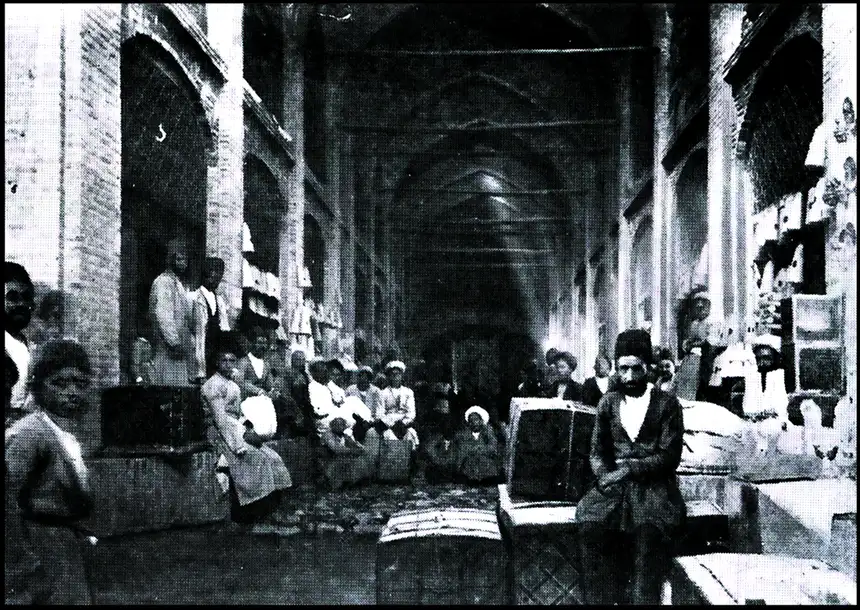
Furthermore, vibrant street life with markets (souks), traditional coffee houses (ahwa), and the pleasure of smoking shisha are important social spaces for the community.
Handicrafts, costumes and intangible heritage
Beyond monumental structures, culture also lives in exquisite crafts: copper work, glass blowing, carpet weaving, leatherwork, and wood carving. The Khan el-Khalili market in Cairo is a gathering place for famous traditional handicrafts.
Clothing reflects a blend of tradition and modernity. The galabeya robe remains popular in rural areas and daily life, while Western clothing is common in cities. Headscarves and religious attire are also part of this diverse picture.
Intangible heritage is recorded in the files of UNESCO, including folk performances and traditional customs. This preservation helps maintain cultural forms that are easily lost to the pace of modern life.
In summary, Egyptian culture is a vibrant whole, where ancient heritage, faith, language, cuisine, and art together create an unmistakable identity. Learning more about Egypt will help place these cultural values in their full context.
Accompanying you on your journey in residency investment
The Prosperous Living Investment team advises on pathways, assesses profiles and manages investments transparently for every residency, citizenship and international property objective.
Free profile assessmentWhere life gets prosperous