

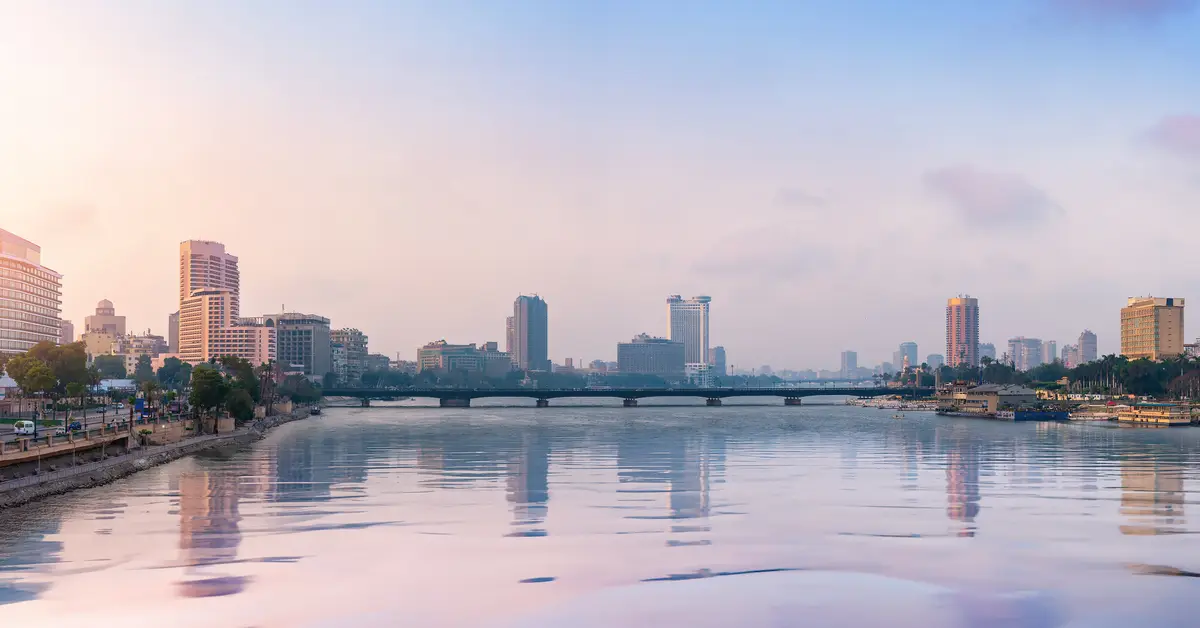
Egypt’s demographics reflect the most populous nation in the Arab world, with more than 100 million people concentrated densely along the Nile and the delta. This is a picture of a young, rapidly urbanising population with diverse ethnicities and religions, with the majority gathered on a narrow strip of land along the lifeblood river.
Contents
Population size and status in the Arab world
When speaking about Egypt’s demographics, the first thing that impresses is the population size. Egypt is the most populous country in the Arab world and among the most populous in Africa. The total population has now exceeded the 100 million mark, a figure that makes the country the population centre of the North Africa and Middle East region.
This status carries significance beyond mere numbers. With its massive population, Egypt holds cultural, political, and economic weight within the Arab world. The capital, Cairo, has long been considered one of the region’s largest and most influential metropolises, as well as a hub for media, academia, and religion.
However, absolute population figures change frequently and are easily outdated, so a prudent approach is to look at qualitative trends. According to the national statistics agency, Egypt’s population is still on an upward trajectory, and this growth places significant pressure on infrastructure, employment, and public services.
The official data management body is Egypt’s Central Agency for Public Mobilization and Statistics, which publishes census data and annual estimates. This is also the source of baseline data for the country’s socio-economic analyses.
Considering a residency programme? The Prosperous Living Investment team assesses your profile free of charge and advises on the pathway that fits your goals.
Population distribution along the Nile
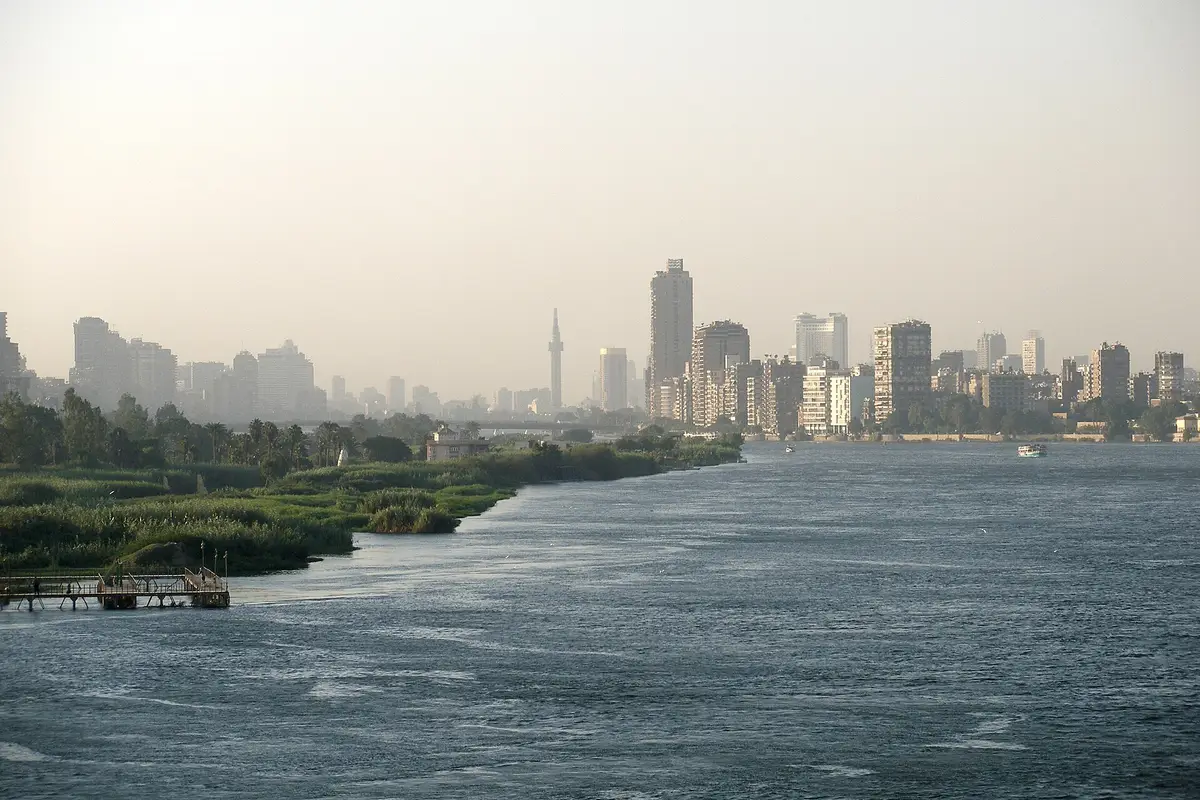
A core characteristic of Egypt’s demographics is its extremely uneven distribution. Most of the territory is arid desert, which is almost uninhabited. Consequently, the vast majority of the population is concentrated in the Nile Valley and the northern delta region, where there is irrigation and fertile land.
As a result, the population density on the narrow strip of land along the river is among the highest in the world, even though the density calculated across the entire national area is quite low. The population clusters in a long strip, following the flow of the vital river from south to north before spreading out into the delta.
Furthermore, the Nile not only determines where people live but also shapes agricultural activities, transport, and livelihoods. To understand why the population is concentrated in this way, one can refer further to Geography of Egypt, which describes the roles of the river and the desert.
Beyond the Nile strip, some other population clusters are scattered across oases, the Red Sea coast, and the Sinai Peninsula. However, these areas are much more sparsely populated and do not alter the overall picture of population concentration.
According to According to the Central Agency for Public Mobilization and Statistics (CAPMAS), the country’s population has surpassed the 100 million mark and continues to grow. Most residents are concentrated in the Nile Valley, the delta, and major cities, creating a very high density on the habitable land.
Major cities and the urbanisation process
Urbanisation is one of the most powerful forces shaping Egypt’s population. The capital, Cairo, and its surrounding metropolitan area constitute the largest urban population block, and it is among the most populous metropolitan areas in Africa and the Arab world.
Besides Cairo, other major cities include Alexandria on the Mediterranean coast and Giza adjacent to the capital, which is famous for its pyramid complex. These cities attract a flow of migrants from rural areas seeking employment and educational opportunities.
Consequently, the proportion of the population living in urban areas tends to increase over time, leading to high demand for housing, transport, and services. The government has implemented new urban development projects, including the construction of a new administrative capital east of Cairo to alleviate population pressure.
However, rapid urbanisation also poses many challenges. High density in central areas, overloaded infrastructure, and the disparity between urban and rural areas are issues that policymakers must continuously address.
Ethnic composition in Egypt’s demographics
Regarding ethnic composition, Egypt’s demographics are relatively homogeneous compared to many other countries in the region. The vast majority of residents are Egyptian Arabs, formed through a long process of integration between ancient indigenous inhabitants and waves of migration and Arab influence following Islamisation.
In addition to the majority group, the country also has communities with distinct identities. The Copts are a group closely tied to the indigenous Christian heritage, while the Nubians live mainly in the far south, near the border with Sudan.
Furthermore, groups such as the nomadic Bedouin in the desert and Sinai regions, along with the Amazigh (Berber) community in some western oases, contribute to the diversity. Although they account for a small percentage, these groups preserve their characteristic customs, languages, and lifestyles.
This blend is the result of thousands of years of interaction. These overlapping layers of culture are deeply reflected in Egypt, from architecture and cuisine to the daily customs of the communities.
Language and communication identity
Language is another pillar of the demographic picture. Arabic is the official language and is widely used across the country. In daily life, people speak the Egyptian Arabic dialect, which is easily recognisable and highly influential due to Cairo’s status in regional cinema and media.
Besides Modern Standard Arabic used in administrative, educational, and religious documents, minority groups maintain their own languages. The Nubians have indigenous dialects, and the Amazigh community uses the Berber language in some oases.
Additionally, English and French are quite common in academic, business, and tourism circles. Foreign language proficiency is often linked to education level, an aspect analysed in more detail in Education in Egypt.
Thus, the linguistic landscape is both unified by its Arabic foundation and diverse in its local nuances. This helps Egypt maintain its role as the cultural and linguistic centre of the Arabic-speaking world.
Religion and spiritual life
Religion plays a central role in Egyptian social life. The majority of the population follows Islam, primarily the Sunni branch, and this faith is deeply embedded in the rhythm of daily life, from the daily schedule and festivals to social norms.
The second-largest religious community is the Christians, most of whom belong to the Coptic Orthodox Church, one of the oldest Christian branches in the world. The Copts have their own churches, festivals, and traditions, contributing to the richness of the country’s spiritual life.
Therefore, the religious landscape of Egypt is one of coexistence between the Muslim majority and the Christian minority in a shared society. This parallel presence is clearly reflected in the architecture of temples, mosques, and churches throughout the cities.
Religious values also shape many customs regarding family, marriage, and community. Religious life is therefore tightly bound to demographics, influencing both family structure and fertility behaviour.
Young population structure and growth rate
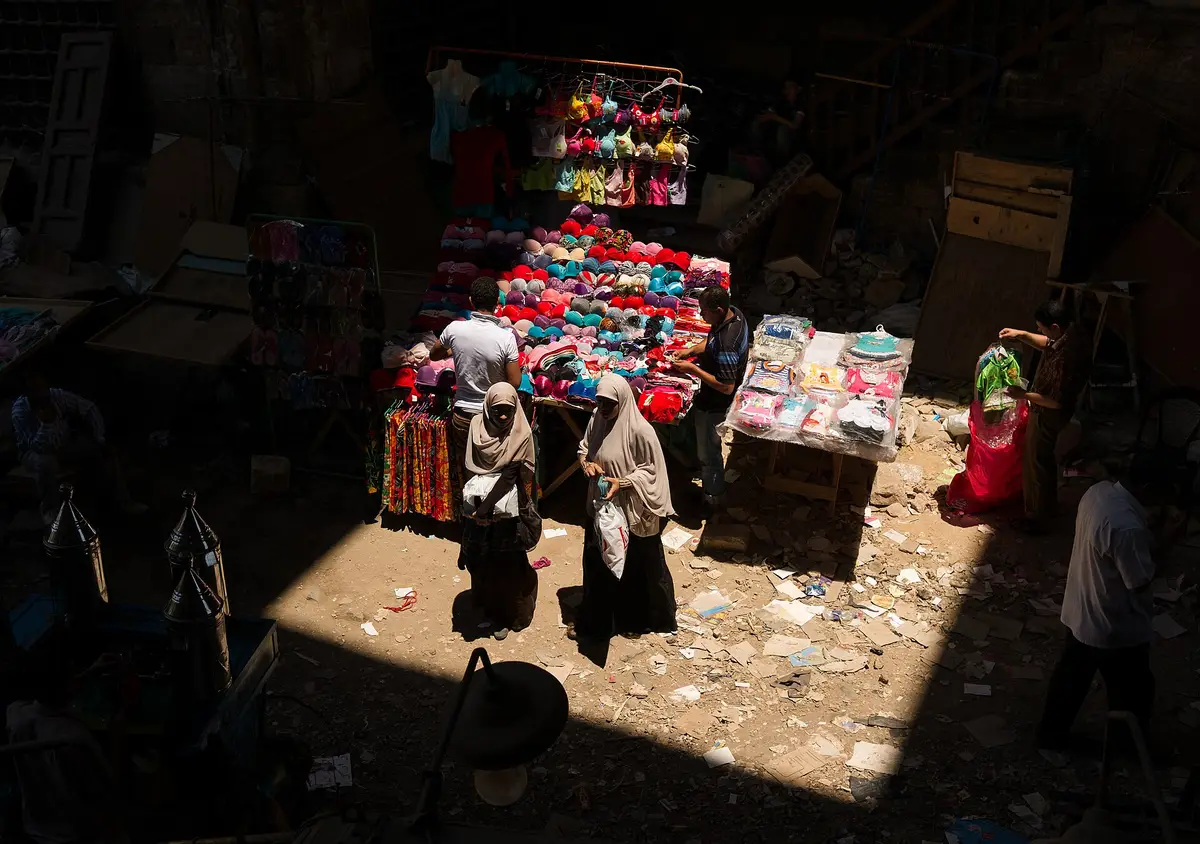
A prominent feature is the young population structure. A large proportion of the population is under middle age, giving Egypt an abundant workforce and significant development potential if utilised well. This is a common point for many developing countries in the region.
However, a young and large population also means significant pressure. Each year, a substantial number of young people enter the working age, posing the challenge of creating jobs, expanding schools, and ensuring healthcare services have the capacity to respond.
Egypt’s population growth rate was once high and is still considered rapid, even though the government has implemented family planning programmes to regulate it. According to the Human Development Reports of the United Nations Development Programme, controlling population growth is considered a long-term policy priority.
Because indicators such as fertility rates or life expectancy can change over time, a safe interpretation is to look at the general trend: the population is still growing, the structure remains young, and the demographic transition is taking place gradually.
- A young population structure with a large proportion in the working and pre-working age groups.
- The population growth rate is assessed as rapid, creating pressure on employment and public services.
- The government is implementing a family planning programme to regulate growth.
- The demographic transition process is slow and faces many challenges.
Internal migration and overseas labour
Migration is an important driver shaping population distribution. Domestically, the flow of people from rural to urban areas is continuous, heading towards Cairo, Alexandria, and economic centres to find work and educational opportunities.
Besides domestic migration, a large segment of the Egyptian workforce works abroad, especially in Gulf countries and some other Arab nations. This workforce sends remittances home, becoming an important source of income for many families.
Therefore, labour migration has a two-way impact: it reduces domestic employment pressure while creating a cash flow that supports consumption and investment. The link between labour, remittances, and growth is reflected in the overall picture of the economy.
Furthermore, Egypt also receives refugees and migrants from neighbouring countries experiencing conflict. The presence of these communities, while difficult to quantify precisely, contributes to a more complex and diverse demographic landscape.
Demographic challenges and policy orientation
A large and rapidly growing population presents many challenges for Egypt. Pressure on water resources, arable land, energy, and urban infrastructure is increasingly evident, especially as the majority of the population is concentrated in a narrow strip along the Nile.
Additionally, creating sufficient jobs for the young workforce is a central issue. If the number of people entering the workforce each year cannot be absorbed, the risk of unemployment and social instability will increase, requiring significant investment in vocational training and production.
Therefore, the government is pursuing multiple paths simultaneously: developing new cities to decentralise the population, expanding land reclamation outside the Nile Valley, improving healthcare and education, and encouraging family planning. These policies aim to turn population size into an advantage rather than a burden.
Overall, Egypt’s demographics represent a dynamic system, rich in potential due to a young population, yet under pressure due to concentration and growth rates. How human resources are managed will be a decisive factor for the country’s future development.
Accompanying you on your journey in residency investment
The Prosperous Living Investment team advises on pathways, assesses profiles and manages investments transparently for every residency, citizenship and international property objective.
Free profile assessmentWhere life gets prosperous