


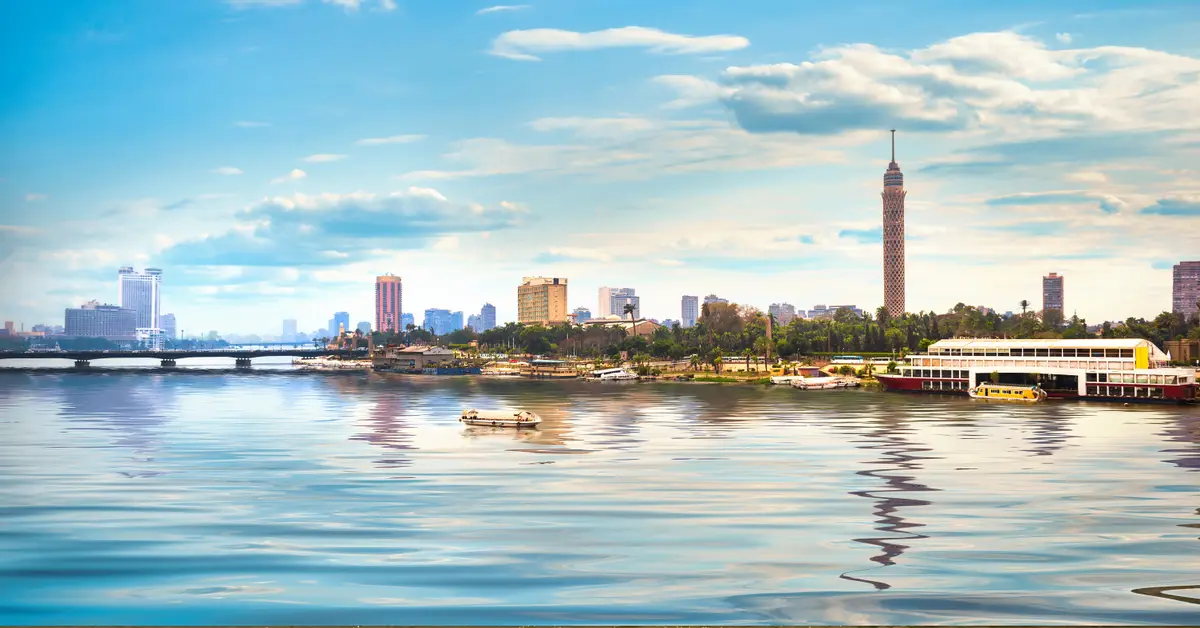
Education in Egypt is one of the largest systems in the Arab world, managed by the state with two parallel branches: the secular system and the Al-Azhar system, which has an Islamic orientation. This article outlines the structure of school levels, examinations, the university network, and the reform efforts and challenges of this North African nation.
Contents
Overview of the Egyptian education system
As the most populous country in the Arab world with Cairo as its capital, Egypt possesses an education system with a long history and large scale. Most students attend state-funded public schools, in addition to a growing sector of private and international schools in major cities.
The most distinctive feature of Egyptian education is the parallel existence of two branches: the secular system managed by the Ministry of Education and the Al-Azhar system with an Islamic orientation. Both operate nationwide, from primary to university level, creating an educational landscape that is both modern and linked to long-standing religious traditions.
Education is considered a national priority and an important channel for a large, young population to have employment opportunities. Therefore, continuous education reform is a central theme in the country’s socio-economic development programmes.
The academic tradition in this land has a very long history, linked to famous centres of knowledge in the Islamic and Arab world for many centuries. That heritage leaves a clear mark on the way schools are organized and the status of knowledge in society today.
In the modern era, the state aims to universalise basic education and expand learning opportunities for all classes. The legal framework guarantees the right to learn, while stipulating the state’s responsibility to provide free public education at foundational levels.
Considering a residency programme? The Prosperous Living Investment team assesses your profile free of charge and advises on the pathway that fits your goals.
Two parallel branches: the secular system and the Al-Azhar system
The secular branch accounts for the majority of students and is overseen by the Ministry of Education and Technical Education. The curriculum in this branch focuses on general subjects such as Arabic, mathematics, science, foreign languages, and social sciences, similar to many other countries.
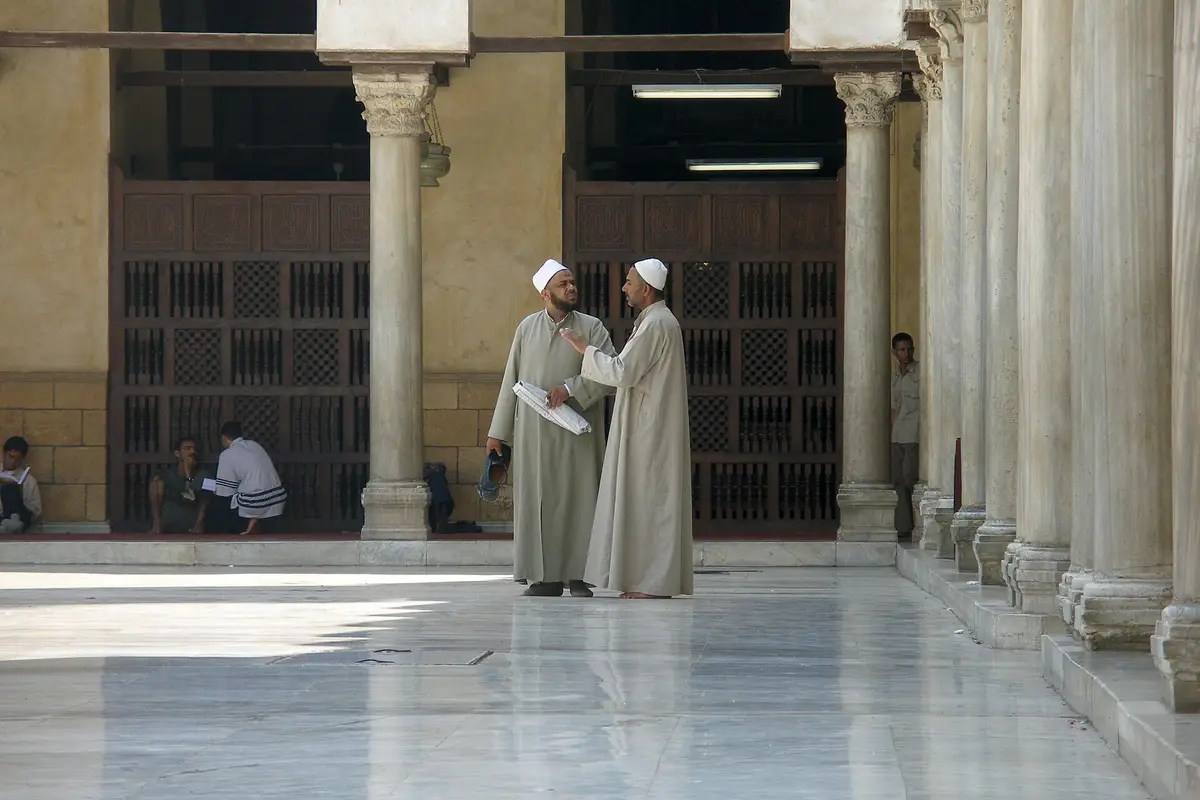
The Al-Azhar branch is supervised by the Al-Azhar religious institution, which operates its own network of schools from primary to university level. In addition to general subjects equivalent to the secular system, Al-Azhar students study the Qur’an, Islamic sciences, and classical Arabic in depth. Graduates of this branch often continue to Al-Azhar University.
The coexistence of the two branches reflects the social and religious structure of Egypt, where the majority of the population is Muslim but there is also a significant Coptic Christian community. This structure is linked to Demographics of Egypt and the country’s cultural traditions.
Although the two branches differ in orientation, degrees from both are recognised for further study or for entering the labour market, helping learners have many options that suit their family’s aspirations.
Levels of education from preschool to secondary
The Egyptian primary and secondary system is organised into several consecutive levels. Before entering primary school, children can attend pre-school, although the enrolment rate at this level is lower than at compulsory levels and still varies between urban and rural areas.
Basic education consists of primary and lower secondary levels, which are considered the foundational and compulsory stages. This is the level with the largest scale, where the state focuses resources to ensure that children of school age are all able to attend school.
After lower secondary school, students are streamed into academic upper secondary schools or technical and vocational secondary schools. The academic branch is geared towards university, while the technical branch equips students with vocational skills for the labour market.
This streaming is expected to balance academic training and the supply of technical personnel. However, social sentiment still leans heavily towards the university path, causing the technical system to face pressure to improve its quality and reputation.
Thanaweya Amma examination and examination pressure
The culmination of the secondary level is the secondary school graduation examination called Thanaweya Amma (General Secondary Education Certificate). This is an examination with significant influence, as the score largely determines which field of study and university a student is admitted to.
Due to the competitive nature of score-based admissions, Thanaweya Amma has long been considered a high-pressure examination for students and their families. Many families invest significantly in private tutoring to ensure their children achieve high scores, raising concerns regarding the financial burden and the prevalence of extra tuition.
The government has repeatedly adjusted the examination and admission procedures to reduce pressure, limit rote learning, and encourage more authentic competency assessment. This is part of broader reform efforts within the education sector.
Nevertheless, the examination remains a turning point in a student’s life, reflecting the strong link between secondary school results and university opportunities in Egypt.
Beyond the secular Thanaweya Amma, students in the Al-Azhar branch have their own graduation examination based on the institution’s curriculum. Additionally, international schools often apply other qualification systems, such as the International Baccalaureate or foreign diplomas, providing further pathways to universities both domestically and abroad.
University network and higher education
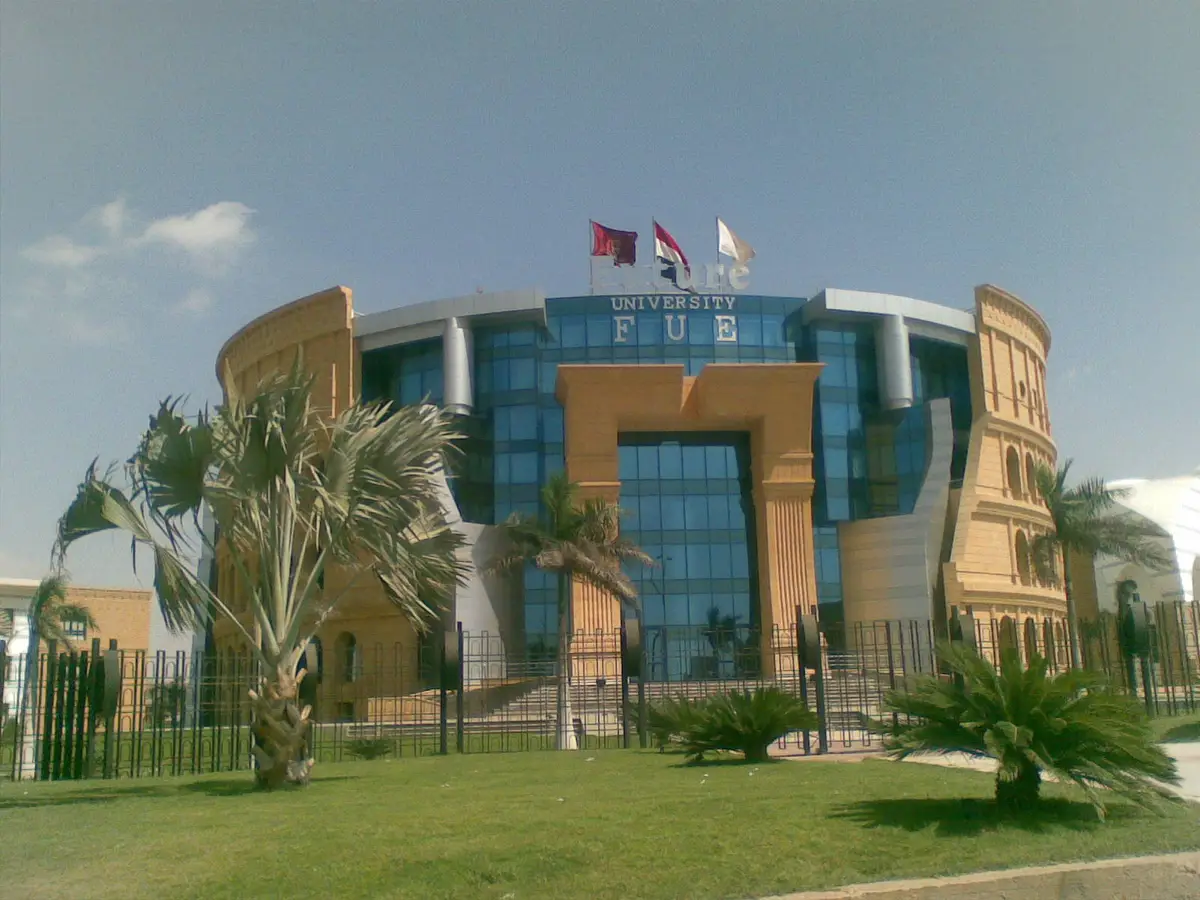
Egypt possesses one of the largest higher education systems in the region, comprising numerous large-scale public universities alongside a private and international sector that has developed rapidly in recent decades. Major public universities typically attract a large number of students with state-subsidised tuition fees.
Cairo University is one of the leading and oldest institutions, offering multidisciplinary education with significant academic influence. Alexandria University is also a major centre in the Mediterranean region, playing a vital role in research and training.
Al-Azhar University is associated with the Al-Azhar institution and is considered one of the oldest continuously operating academic establishments, holding a unique position in the Islamic world alongside modern fields of study.
In the international sector, the American University in Cairo is a private institution based on the American liberal arts model, teaching in English and attracting both domestic and international students. This diversity offers a wide range of choices for learners.
Vocational training and skills for the labour market
Alongside the academic path, the technical secondary and vocational training system plays a crucial role in supplying human resources for the industrial, service, and construction sectors. This is a channel that helps a large segment of youth gain early access to vocational skills.
The government and development partners have focused on modernising technical and vocational education, aligning training programmes with business needs to bridge the gap between taught skills and market requirements.
The core objective is to transform the large young workforce into a competitive advantage rather than a burden of unemployment. This direction is closely linked to the Egyptian economy and the nation’s long-term development strategy.
However, enhancing the social prestige of the vocational path remains a challenge, requiring improvements in both training quality and practical employment opportunities after graduation.
Education reform in Egypt in recent years
In recent years, Egypt has implemented large-scale education reform programmes, aiming to shift from rote learning to the development of critical thinking, skills, and competency assessment. A key focus is the renewal of the secondary school curriculum.
The reforms also emphasise the application of technology in teaching and learning, the expansion of digital resources, and the retraining of teaching staff. The goal is to raise the quality of education more evenly across regions and reduce reliance on private tutoring.
The Ministry of Education is the agency leading these changes, while coordinating with international organisations to reference best practices. Organisations such as OECD are often cited in comparative analyses of education policy.
Reforming a large-scale system is a long-term process that requires time for results to reach the classroom. Therefore, practical effectiveness is usually evaluated in stages rather than expecting immediate change.
Literacy rates and access to education
Literacy rates in Egypt have improved significantly over many decades, particularly among younger generations who have received basic education. However, gaps remain between age groups, between urban and rural areas, and between genders in some regions.
Access to education is generally broad at the basic level due to universal policies, though quality and learning conditions can vary by locality. Large class sizes and infrastructure pressure are issues frequently mentioned in assessments.
Monitoring education indicators is typically based on data from statistical agencies and development organisations. Because figures can change with each survey, this article prioritises qualitative descriptions of trends rather than asserting absolute numbers that are prone to becoming outdated.
The role of private and international schools
Parallel to the large-scale public system, the private and international school sector is growing strongly in Cairo, Alexandria, and other cities. These schools often teach in foreign languages, apply international curricula, and attract families seeking a different learning environment.
The expansion of the private sector reflects the diverse needs of society as well as the desire to improve opportunities for children. However, the cost disparity between public and private schools also highlights the gap in access to high-quality education between income groups.
For students with the means, international schools and English-language universities open favourable pathways for further study abroad. Meanwhile, the public system remains the backbone, ensuring the majority of students have access to foundational education.
Challenges regarding scale and quality
The greatest challenge for Egyptian education comes from its very scale: a large, young population places constant pressure on the school system, teaching staff, and budget. The rapidly increasing number of students requires continuous infrastructure expansion.
Beyond scale, quality is a central concern. Large class sizes, reliance on private tutoring, and the gap between training skills and market needs are issues frequently mentioned in discussions about reform.
Investing in education, training and retaining good teachers, and narrowing regional disparities are long-term challenges. Addressing these issues effectively is of great importance to the country’s future.
Efforts to develop education are closely tied to the overall picture of Egypt, where human resources are seen as a key driver for sustainable development in the coming decades.
Accompanying you on your journey in residency investment
The Prosperous Living Investment team advises on pathways, assesses profiles and manages investments transparently for every residency, citizenship and international property objective.
Free profile assessmentWhere life gets prosperous