

The B-1 / B-2 visa

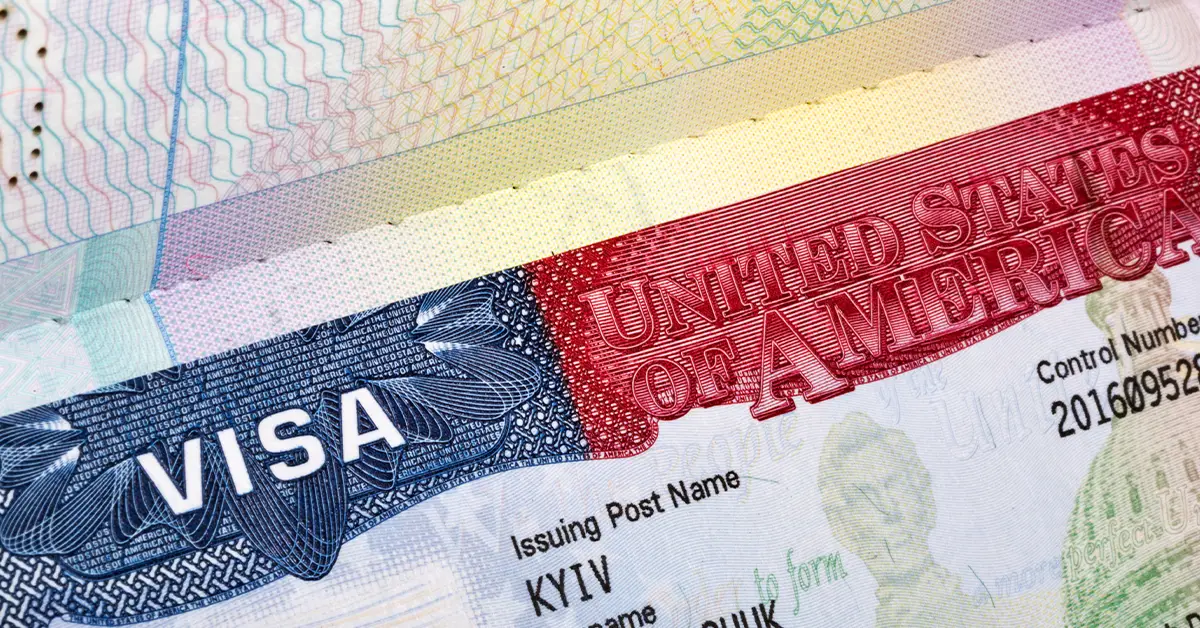
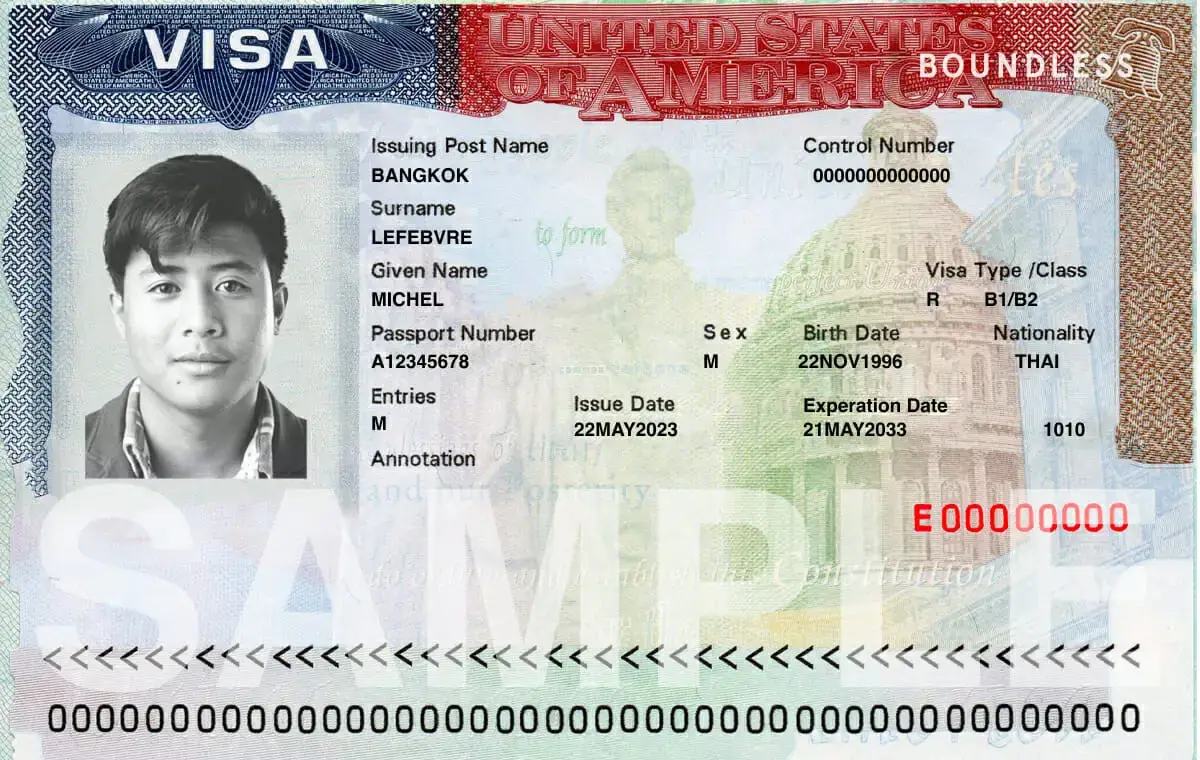
The B-1 / B-2 visa is a non-immigrant visa allowing foreign nationals to come to the United States temporarily for business (B-1), tourism (B-2) or a combination of both (B1/B2). This visa category is widely used for short visits to the United States.
A B visa is usually valid for up to 10 years from the date of issue, and travellers to the United States may stay for up to 180 days, with the option of returning to the United States again after that period.
From fiscal year 2025, most B-1/B-2 visa applicants will be required to pay a “visa integrity fee” of USD 250 in addition to the existing application fees. This fee cannot be waived and is refundable only under strict conditions after the visa expires.
Message
B-1 / B-2 visa processing times
Waiting times for a B-1 / B-2 visa may range from 7 days to more than 2 years, depending on the city in which the applicant applies. To check the waiting time for a specific embassy or consulate, the applicant may enter the city into the Department of State’s tool under “Appointment Wait Time”.
Note that where the applicant applies for an interview in a country other than their home country, the waiting time may be longer.
Find more information on the USCIS website athere.
Considering a residency programme? The Prosperous Living Investment team assesses your profile free of charge and advises on the pathway that fits your goals.
How long can you stay in the United States on a B-1 / B-2 visa?
Up to 6 months may be granted for each B-1 / B-2 entry, with the possibility of an extension within the United States in eligible cases. The exact period varies from one visa holder to another.
The B1 / B2 visa is a multiple-entry visa, meaning it may be used to enter the United States several times. There is no fixed limit on the number of times you may visit the United States in a year; that depends on the particular circumstances and on the discretion of the CBP officers reviewing the case at each entry.
It is important to remember that the B1 / B2 visa is for temporary, occasional visits for business, tourism or medical treatment. It is not intended to be used to live long term in the United States or to spend most of one’s time in the country.
What is the difference between a B-1 visa and a B-2 visa?
The B1 is used for short business trips (conferences, meetings, contract negotiations, and so on). B1 visa holders cannot work in the United States in the traditional sense; as at March 2023, B1 or B2 visa holders may apply for jobs in the United States and attend interviews.
The B2 (tourist visa) is for tourism, holidays or visiting friends and family. This visa also covers certain medical treatment and participation in social events or competitions, such as music or sport, without receiving payment. In most cases the B1/B2 visa is issued jointly, allowing the holder to travel for both business and leisure purposes.
B-1 / B-2 visa costs
The government application fee for a B visa is currently USD 185, not including the cost of gathering documents and evidence and of passport photographs.
B visa eligibility
The B1/B2 visa is used for many kinds of trip to the United States, including business and non-business activities such as tourism. Where the applicant wishes to apply for a B1 or B2 visa, they need to demonstrate that the trip to the United States is only for a short period.
The applicant must also provide evidence of plans to return to their home country after the visit, and of having a residence outside the United States which they will not abandon. These points help demonstrate that the applicant will comply with the rules of the B1/B2 visa.
Reasons for travel under the B1 visitor visa include:
- Business consultations: this may include meetings, negotiations or discussions with business partners in the United States.
- Attending conferences or seminars: this may include professional, educational, scientific or business conferences.
- Settling an estate: where someone inherits property in the United States, a B1 visa may allow them to deal with these matters lawfully.
- Negotiating contracts: where a person needs to sign or negotiate a contract with a United States company, the B1 visa is usually the appropriate choice.
- Professional examinations and licensing: some professionals must be in the United States to sit examinations or obtain licences available only there.
Reasons for travel under the B2 tourist visa include:
- Tourism: this may be sightseeing, visiting famous landmarks, exploring cities, or simply enjoying the country’s culture and atmosphere.
- Visiting family or friends: many people use the B2 visa to visit relatives living in the United States.
- Medical treatment: where someone needs medical treatment or a procedure available in the United States, they may apply for a B2 visa.
- Social events: attending events such as concerts, cookery classes, conferences, festivals or other social gatherings may be another reason to use a B2 visa.
- Taking part in events or competitions: where the event does not involve professional participation (such as amateur tournaments or contests), a B2 visa may be appropriate.
- Short courses: where the course runs for fewer than 18 hours a week, this falls within the rules of the B2 visa.
The applicant may not travel on this visa to take part in any of the following:
- Studying
- Long-term employment with a United States company
- Paid performances, or any professional performance before a paying audience
- Coming as a crew member on a ship or aircraft
- Working as foreign press, in radio, film, print or other media
- Permanent residence in the United States
Canadian citizens also do not normally need a visa to enter the United States for tourism. Canadian citizens will need an appropriate visa where they have specific plans to study, work or move to the United States permanently.
Different entry requirements also apply to Canadian citizens, depending on whether they plan to work, study, invest or settle. The maximum period of stay may vary, depending on the circumstances, from 6 months to 1 year.
Can status be changed from B1/B2?
The B1 visa and the B2 visa do not grant permanent resident status — these are temporary visas — but the applicant mayadjust statusfrom a B1/B2 visa to another type of visa while in the United States, provided certain requirements are met. This process involves filing an application to change status withUnited States Citizenship and Immigration Services (USCIS).
The main points to consider where the applicant wishes to change status from B1/B2:
- The purpose of the stay: the reason for wishing to stay in the United States must match the new visa type. For example, where the applicant wishes to study, they may apply to change to a student visa (F-1). Where an employer is found who is willing to sponsor them, the applicant may apply to change to a work visa (such asH-1B).
- Timing: the applicant should apply before the current status expires, usually specified on the I-94 Arrival/Departure Record. USCIS recommends applying at least 45 days before the current status expires.
- Eligibility: not everyone may change status. For example, the applicant may not change status where they entered the United States underthe Visa Waiver Programunless by reason of marriage to a United States citizen.
- Breach of status: where the applicant has breached the terms of their current status (for example, where they began working while holding a B1/B2 visa without permission), a change of status is generally not possible.
- Approval: even where the applicant meets all the conditions and files the application, the final decision rests with USCIS.
Where the applicant has just married a United States citizen or permanent resident (holding a green card), they may also apply forgreen cardon the basis of marriage. This allows them to stay in the United States and live with their spouse. The applicant may apply for a green card while still in the country through a process called “adjustment of status” (AOS), or may apply from their home country through consular processing.
Documents required for a tourist visa
- A passport valid for 6 months beyond the date of return
- A recent digital photograph meeting the government’s requirements
- Documentation of the 5 previous trips to the United States, where applicable
- Evidence of the funds to cover all the costs of the trip, including travel, accommodation and living expenses
- Evidence of strong ties to the applicant’s home country, such as work, property or family
The B1/B2 visa application process
The application is processed by the United States embassy or consulate in the applicant’s country.
The applicant will need to attend an interview before the visa is approved. The applicant may attend an interview at an embassy or consulate in a third country, but is likely to face a longer wait for a visa appointment.
The steps to obtaining a B visa:
- First, the applicant must complete the Online Nonimmigrant Visa Application, Form DS-160. File the application online and print the confirmation page, as it will be needed at the interview.
- Upload a digital photograph.
- Attend the visa interview.
As part of the process, inkless digital fingerprint scanning is carried out, usually at the interview. After the interview, the consular officer may request further documents or information in order to decide the case.
How many times can you visit the United States on a B-1/B-2 visa?
Depending on the context, the number of times you may visit the United States on a B visa varies. The B1B2 visa is a multiple-entry visa, meaning it may be used to enter the United States several times. There is no fixed limit on the number of times you may visit the United States in a year; that depends on the particular circumstances and on the discretion of the CBP officers reviewing the case at each entry.
It is important to remember that the B1/B2 visa is for temporary, occasional visits for business, tourism or medical treatment. It is not intended to be used to live long term in the United States or to spend most of one’s time in the country.
Where officers think the applicant is trying to live in the United States through frequent or lengthy visits, or where the applicant does not maintain substantial ties to their home country, they may suspect the applicant of abusing the visa, which may lead to refusal of entry or to visa problems in the future.
Although there is no official limit, it is important to respect the purpose and restrictions of the visa in order to avoid any problems. Where the applicant needs guidance on their particular situation, they should consult an immigration professional.
Frequently asked questions about the B-1 / B-2 visa
Where the applicant wishes to visit the United States temporarily for leisure or business — for example to attend a conference, visit a place or visit relatives — they may apply for a B-1/B-2 visa. The applicant may need to demonstrate ties to their home country and plans to leave the United States.
The applicant may stay in the country for up to 6 months on a B visa. Where they wish to stay longer, they may apply for an extension of up to 1 year.
Where holding a B-1 or B-2 visa, the applicant may request an extension of stay of up to 1 year. To do this, the applicant will need to file Form I-539 to extend or change status.
No. Although the applicant may enter the United States for business purposes, they may not work or be employed by a United States employer.
Where the applicant is a citizen of one of the 38 Visa Waiver Program (ESTA) countries, they have the option of applying for an ESTA instead of a B1 or B2 visa.
Both allow entry to the United States for the same tourism or business reasons, but an ESTA may be applied for online. Entering the United States in this way allows a stay of only up to 90 days; however, where a longer stay in the United States for tourism or business is wanted, the B-1/B-2 visitor visa may be an option.
For ordinary business or tourism, most Canadian citizens do not need a visa and will automatically be admitted under the B-1 or B-2 visa category.
The B-1/B-2 visa is a type of non-immigrant visa.
Where circumstances change — for example, where the applicant marries a United States citizen or permanent resident — there are several routes from a tourist visa to a green card.
The B-1 visa is issued for short business trips, while the B-2 visa is issued for tourism purposes, such as holidays or visiting family.
Accompanying you on your journey in residency investment
The Prosperous Living Investment team advises on pathways, assesses profiles and manages investments transparently for every residency, citizenship and international property objective.
Free profile assessmentWhere life gets prosperous