

Life in the United States


Life in the United States is always a dream for many Vietnamese families seeking development opportunities, high-quality education, and a modern living environment. As the world’s largest economy with immense cultural diversity, this country offers vast opportunities but also comes with significant challenges regarding costs and adaptation.
Understanding the reality of life here, from the cost of living and the healthcare system to education and the social environment, is essential before making the decision to immigrate. This article provides a comprehensive analysis of the most important aspects.
Message
Overview of life in the United States
The United States is a vast country with profound regional and state differences. Consequently, there is no single picture of life here; it depends heavily on your specific place of residence.
A family living in a major city like New York or San Francisco will have a completely different experience compared to a family in the Midwest or the South. Costs, the pace of life, job opportunities, and the environment all fluctuate significantly by location.
In general, the country values self-reliance, work efficiency, and equal opportunity. For Vietnamese people, cultural, linguistic, and lifestyle differences are factors that require time to adapt to, although the large Vietnamese community in many states helps make the integration process easier.
Considering a residency programme? The Prosperous Living Investment team assesses your profile free of charge and advises on the pathway that fits your goals.
Cost of living in the United States
Cost of living is the primary factor to consider when learning about life in the United States. Expenses vary greatly between states and cities, so they must be examined on a location-by-location basis.
In expensive coastal cities like New York, San Francisco, or Los Angeles, housing costs account for a large portion of the budget. Conversely, states like Texas, Florida, or the Midwest offer a much more comfortable standard of living for the same income.
Housing costs
Housing is usually a family’s largest expense. In major urban areas, the rent for a two-bedroom apartment can range from US$2,000 to US$4,000 per month, while in lower-cost states, this figure is only about US$1,200 to US$1,800.
Regarding home ownership, property prices also vary significantly. A house in a Southern suburb may be much more affordable than a small apartment in the centre of a large coastal city. This is why many families choose states with reasonable costs to optimise their finances.
Food and transport costs
Food costs in the United States are relatively affordable if you cook at home, but eating out frequently can be expensive. A meal at a casual restaurant usually costs about US$15 to US$25 per person.
Regarding transport, most areas rely on private cars because public transport systems are not common outside of major urban centres. The cost of owning a car, including the vehicle price, insurance, fuel, and maintenance, is a significant part of most families’ monthly budgets.
Healthcare system in the United States
The healthcare system is one of the most complex and expensive aspects of life in the United States. Unlike many countries with free public healthcare, this country operates primarily on a private insurance model.
Most employees have health insurance through their workplace, with costs shared between the employee and the employer. For those without company-provided insurance, purchasing insurance on the market is necessary, although costs can be quite high.
The quality of medical services here is among the highest in the world, with advanced technology and highly qualified doctors. However, medical costs without adequate insurance are extremely expensive; an emergency or surgery can cost tens of thousands of dollars.
For the elderly and certain low-income groups, public programmes like Medicare and Medicaid provide support. Nevertheless, understanding and choosing the right insurance plan is an important skill that every new family needs to acquire to avoid financial risk.
Education and learning environment
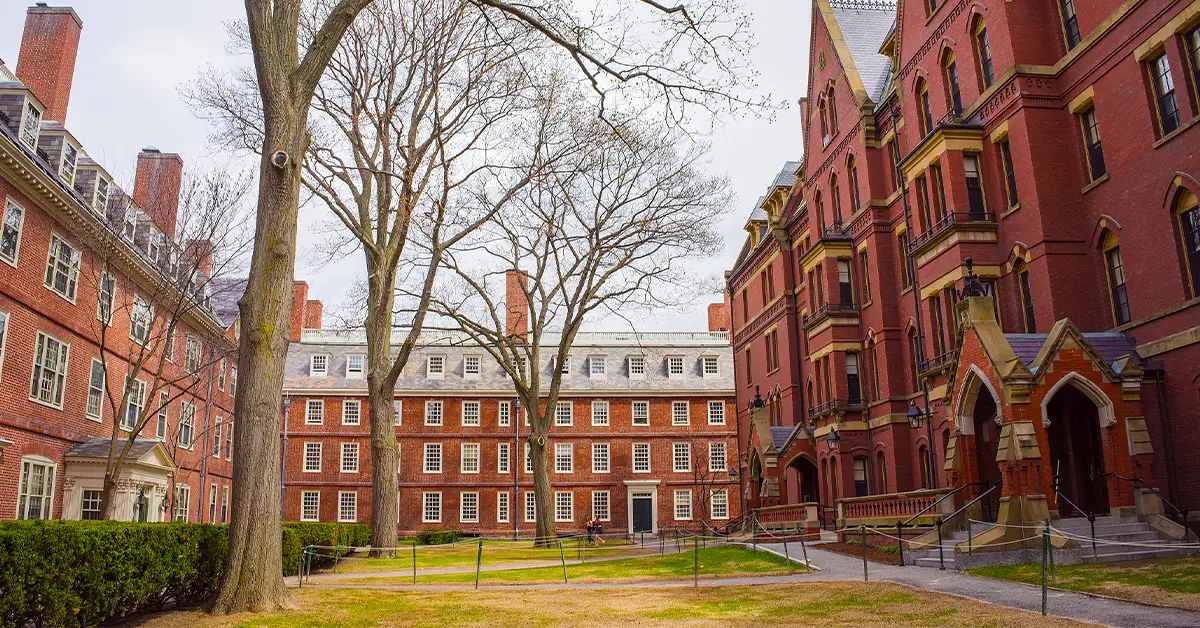
Education is one of the top reasons many Vietnamese families choose the United States. The education system here is diverse, ranging from free public schools to world-leading private schools and universities.
Public primary and secondary education is free for all resident children, regardless of their parents’ immigration status. The quality of public schools depends heavily on the area and is often tied to local property tax levels, so affluent areas usually have better schools.
Regarding higher education, the United States possesses many of the world’s most prestigious universities, attracting international students from everywhere. However, university tuition is very high, especially at private institutions, making financial planning for children’s university education a major concern for families.
For the children of immigrant families, access to quality education and an international academic environment is a valuable long-term investment. This is also a key factor in the decision of many Vietnamese parents when choosing a state to live in.
Security and social environment
Safety levels in the United States vary greatly between regions. While many suburban neighbourhoods and small towns are very safe and peaceful, certain urban areas have higher crime rates.
Therefore, choosing a place to live carefully is important. Many families prioritise suburbs with good schools and a safe environment, even if it means a longer commute. Information about security in each area is usually public and easy to look up.
Regarding the social environment, the United States is a multicultural country with a high degree of tolerance and diversity. Immigrants from all over the world can find their own communities. For Vietnamese people, the presence of Little Saigon areas and large communities helps reduce the feeling of being a stranger when first arriving.
The Vietnamese community and integration
A major advantage for Vietnamese families when immigrating is the existence of a strong Vietnamese community. According to data from the Pew Research Center, there are approximately 2.3 million people of Vietnamese descent living in this country, with the highest concentrations in California and Texas.
These communities create a valuable support network for new arrivals, from finding housing and jobs to services in Vietnamese. Areas like Little Saigon in California are vibrant centres of Vietnamese culture, cuisine, and commerce.
However, to truly integrate and develop in the long term, improving English and understanding local culture remain key factors. Balancing the preservation of identity with integration into the wider society is a journey that each family needs to find its own path for.
Job opportunities and income
Job opportunities are a primary driver attracting many families to this country. The labour market is diverse and dynamic, with high demand in many industries from technology and healthcare to services and manufacturing.
Salaries here are generally much higher than international standards, but they must be viewed in relation to the cost of living and taxes. An attractive salary in an expensive city may not provide more disposable income than a lower salary in a low-cost state.
For new Vietnamese arrivals, language barriers and the recognition of qualifications are initial challenges. However, with effort and the right skills, many have built stable careers. Industries such as information technology, healthcare, and engineering are in particularly high demand and offer good income for professionals.
Weather and climate adaptation
Climate is a factor that Vietnamese people often pay little attention to, but it significantly affects the daily living experience. This country spans many different climate zones, from freezing to warm.
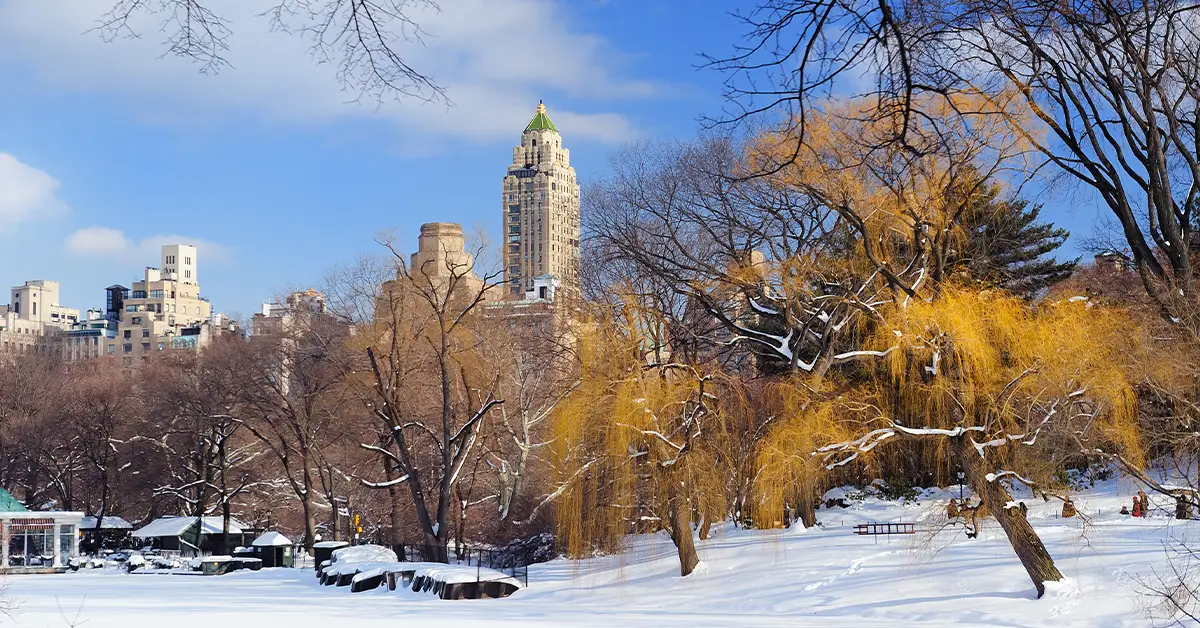
The Northern and Northeastern states have long, cold, and snowy winters, requiring preparation in terms of clothing, housing, and transport. For those accustomed to a tropical climate, this is a major change that requires time to get used to.
Conversely, Southern states like Florida, Texas, and California have a much warmer and more pleasant climate for Vietnamese people. This is also one of the reasons why the Vietnamese community is concentrated in these areas. Choosing a suitable climate zone contributes significantly to long-term comfort and health.
Conclusion: Is life in the United States suitable for a Vietnamese family?
Life in the United States offers superior opportunities for development, education, and career, but it comes with high costs and requires the ability to adapt. The profound differences between states make choosing a place to live a foundational decision.
For families with good financial resources who are ready to adapt, this is a dream destination with quality of life and open opportunities. The large Vietnamese community in many states is an important pillar that helps make the settlement process smoother.
Practical advice is for families to research their intended state of residence thoroughly, plan finances for healthcare and education, and prepare mentally for the initial adjustment period. To better understand financial factors, you should learn more about taxes in the United States and consider professional advice residency by investment in the United States if you have long-term immigration plans.
Accompanying you on your journey in residency investment
The Prosperous Living Investment team advises on pathways, assesses profiles and manages investments transparently for every residency, citizenship and international property objective.
Free profile assessmentWhere life gets prosperous