


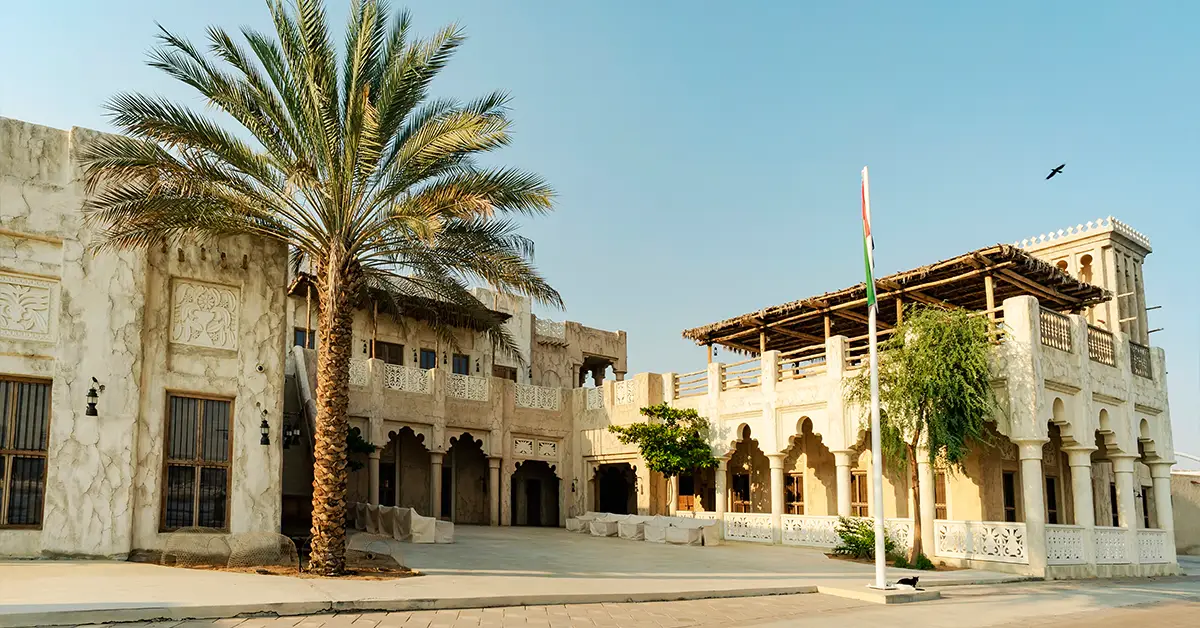
The history of the UAE is a story of a spectacular transformation, from tribes relying on the desert and the sea into one of the most modern and wealthy federations in the world. For Vietnamese people interested in the United Arab Emirates, understanding the formation of this nation explains why an arid land has become a global hub for trade, finance, and tourism.
From the era of fragmented emirates, through the period of British protection, to the unification in 1971, each stage bears a special mark.
Detailed article on the the UAE.
Message
Overview of UAE history
The historical process of the UAE can be divided into several major stages, reflecting the transformation from a land of nomadic tribes into a modern nation. Each stage is associated with profound economic, political, and social changes.
Before the discovery of oil, the inhabitants of this land lived mainly by fishing, pearl diving, and maritime trade. The harsh life between the desert and the Gulf forged the resilient identity of the people here.
The greatest historical turning point was the unification on 2 December 1971, when seven emirates merged into a federation. Since then, thanks to oil revenues and visionary leadership, the nation has risen to become one of the fastest-growing economies on the planet. Understanding this journey is key to grasping the identity of the land.
Considering a residency programme? The Prosperous Living Investment team assesses your profile free of charge and advises on the pathway that fits your goals.
Ancient times and indigenous tribes
The land that is now the United Arab Emirates has been inhabited for thousands of years. Archaeological evidence shows that this was once an important trading hub between ancient civilizations.
Inhabitants of this period lived in tribes, adapting to the harsh environment of the desert and the Gulf coast. They developed characteristic survival skills, from camel herding and date palm cultivation at oases to fishing and pearl diving.
Its geographical location on maritime trade routes between the East and the West provided an important transit role. Maritime trade, especially in pearls, had long been the primary livelihood for many coastal communities. The legacy of this period is still present in the culture and traditions of the people today.
The British protectorate period
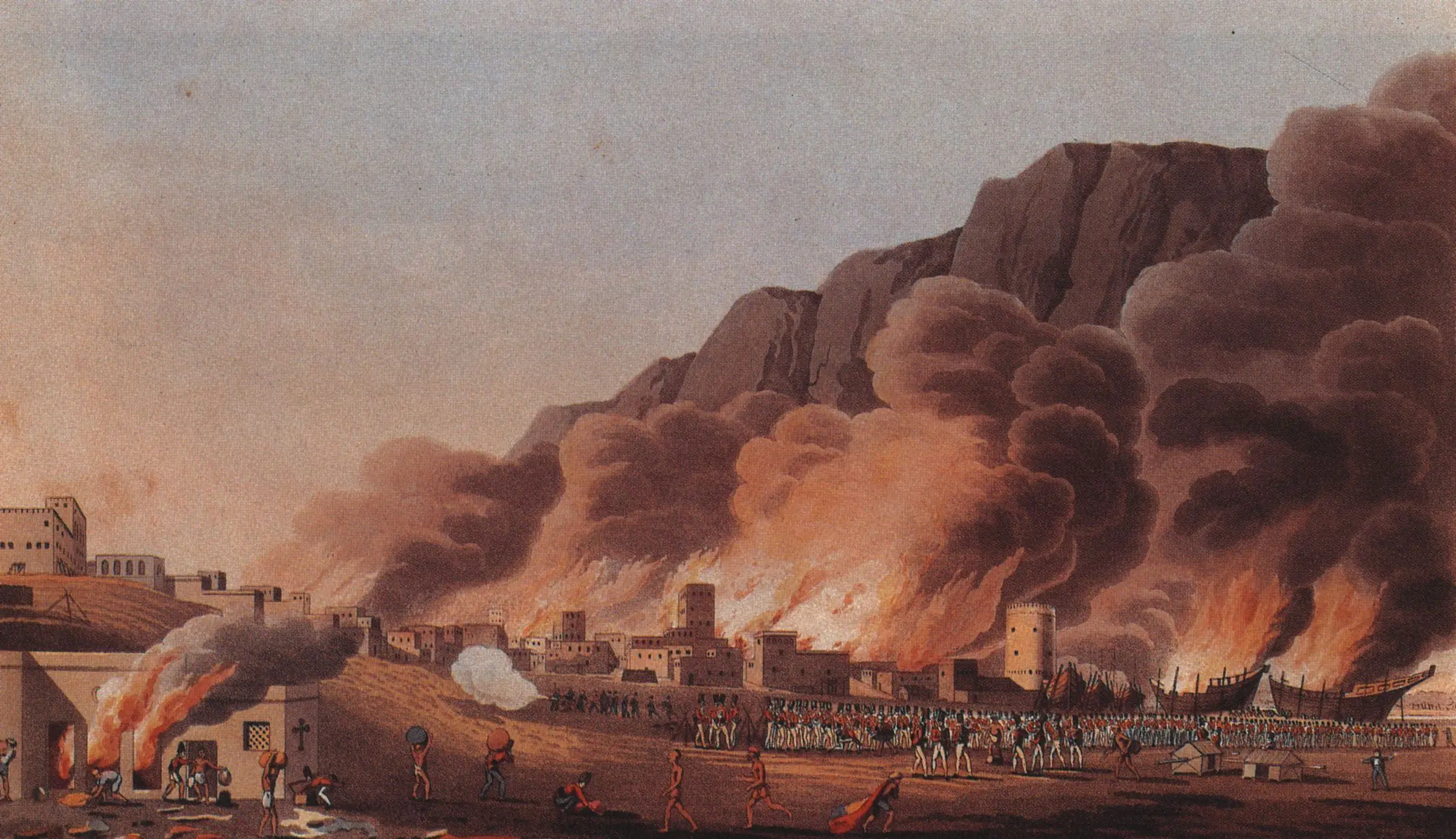
An important chapter in UAE history is the period under British influence. In the 19th century, European powers expanded their influence to the Gulf region to protect trade routes to India.
The United Kingdom signed a series of treaties with the coastal emirates in the region, turning it into a protectorate. The area was then known as the Trucial States, due to the treaties aimed at ending maritime conflicts between the tribes.
During this period, the emirates maintained internal autonomy under the leadership of ruling families, but foreign affairs and defense were controlled by the British. This relationship lasted for over a century, creating a foundation for relative stability and setting the stage for the later unification process.
The discovery of oil and the transformation
The event that completely changed the destiny of the land was the discovery of oil in the mid-20th century. Before that, the regional economy was in severe decline as the pearl industry collapsed due to competition from cultured pearls.
The discovery of massive oil reserves, especially in Abu Dhabi, opened a new era. Oil revenues began to flow in from the 1960s, providing unprecedented financial resources for a region that was previously poor.
Visionary leaders used these revenues to invest in infrastructure, healthcare, and education, laying the foundation for development. Oil not only changed the economy but also created the material conditions for the dream of uniting the emirates into a powerful nation.
1971 and the birth of the federation
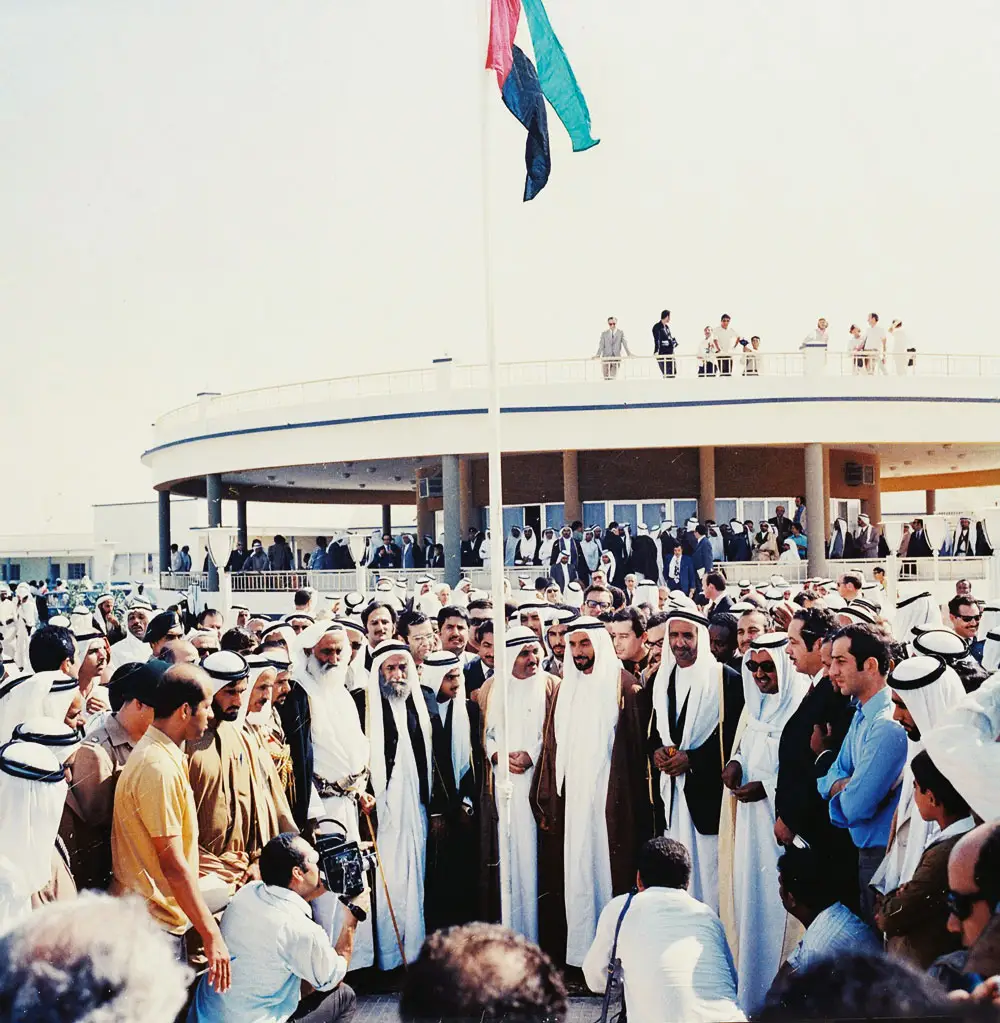
The most significant milestone in UAE history is 2 December 1971, when six emirates officially declared their union as the United Arab Emirates. The seventh emirate, Ras Al Khaimah, joined in early 1972.
According to information from The UAE Government, the central figure of the unification process was Sheikh Zayed bin Sultan Al Nahyan, the ruler of Abu Dhabi and the first president of the federation. His vision is considered the foundation for the birth of the nation.
Uniting seven previously independent emirates was a major political achievement, requiring consensus and compromise. The federal model was designed so that each emirate retained significant autonomy, while a central government coordinated common issues. This is the foundation for later stability and development.
Modern development and global reach
After unification, the nation entered a period of rapid development. Abundant oil revenues were heavily reinvested in modern infrastructure, turning small coastal towns into world-class metropolises.
Dubai emerged as a symbol of development, with a strategy to diversify the economy away from oil, focusing on trade, tourism, finance, and real estate. Abu Dhabi, with its large oil reserves, continues to be a strong political and financial centre.
In recent decades, the land has asserted its position on the international stage, becoming a global business hub, a top tourist destination, and a meeting place for over 200 nationalities. Policies of openness to attract talent and investment have made it an attractive destination, including for the growing Vietnamese community. Readers can learn more about the UAE economy to clearly see the results of this journey.
The role of the founding leaders
The process of nation-building is linked to the role of visionary leaders. They were the ones who laid the foundation for the unification and development of the land.
Sheikh Zayed bin Sultan Al Nahyan, the ruler of Abu Dhabi and the first president, is honoured as the father of the nation. He was not only the architect of the unification process but also directed the use of oil revenues to invest in healthcare, education, and infrastructure, laying the foundation for prosperity.
In addition, the leaders of other emirates also contributed significantly to the general consensus. The vision of generations of leaders for a modern, open nation that still retains its identity has shaped the path of development. Their legacy continues to influence the nation’s direction to this day, from economic policy to foreign affairs.
Historical heritage in contemporary society
Despite significant material development, the land still deeply preserves its historical heritage and traditional identity. The balance between modernity and tradition is a striking feature of the society here.
Tribal values, the tradition of hospitality, and Islamic beliefs still play a central role in life. Many museums, monuments, and festivals are organised to honour and preserve memories of the pre-oil era.
Understanding history helps explain many aspects of contemporary society, from political structure and cultural values to how the nation operates. For Vietnamese people considering this land, foundational knowledge of the past is important for understanding and integration. You should learn more about UAE culture to gain deeper insight.
Conclusion: A journey from the desert to modernity
The history of the UAE is a testament to a miraculous transformation, from tribes relying on the desert and the sea into a modern and prosperous federation. Each stage, from the tribal era and the British protectorate period to the unification in 1971, has contributed to shaping the nation today.
For Vietnamese individuals interested in this region, grasping its historical progression is not only foundational knowledge but also provides a deeper understanding of the environment they will be part of if they choose to live or invest there. The spirit of innovation combined with the preservation of identity is a testament to the nation’s vitality.
To gain a comprehensive picture, you should learn more about UAE politics and UAE geography, thereby building a solid foundation for all plans related to this land of great potential.
Accompanying you on your journey in residency investment
The Prosperous Living Investment team advises on pathways, assesses profiles and manages investments transparently for every residency, citizenship and international property objective.
Free profile assessmentWhere life gets prosperous