

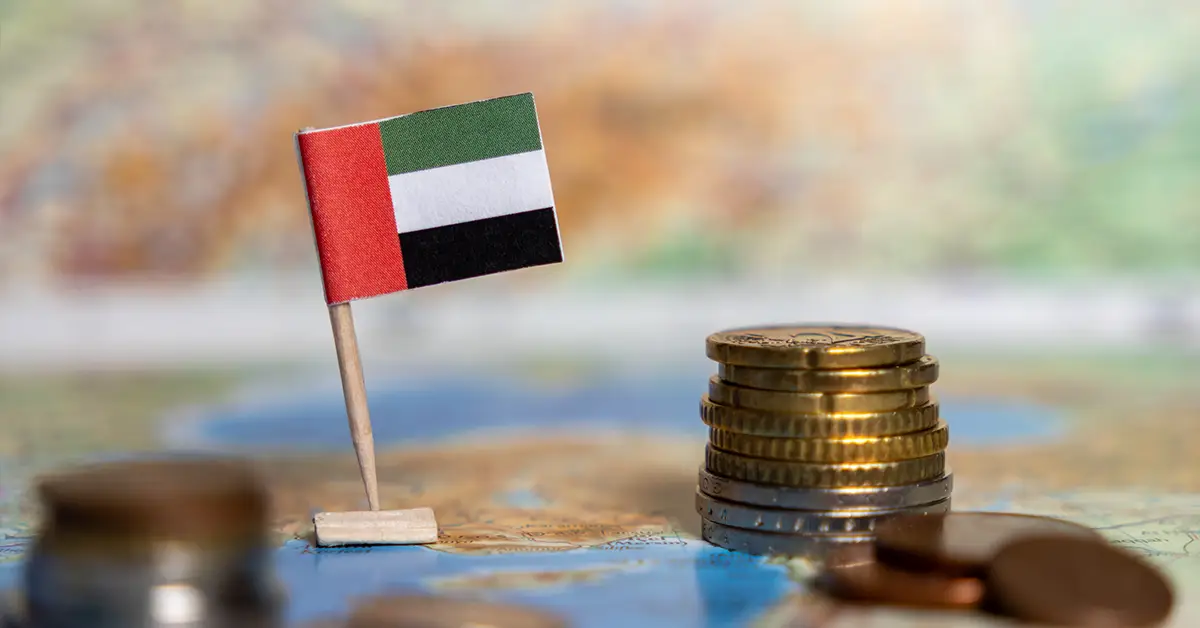
The UAE economy is one of the most dynamic and diverse in the Middle East, having undergone a spectacular transformation from oil dependence to a modern, multi-sector model.
As the second-largest economy in the Arab world, the United Arab Emirates has successfully built world-class financial, commercial, tourism, and logistics hubs. For Vietnamese people considering investing or working here, understanding the economic structure and opportunities is key.
Detailed article on the the UAE.
Message
Overview of the UAE economy
Scale and diversity are two prominent features of the modern UAE economy. It is one of the wealthiest economies in the region, with a gross domestic product estimated at approximately US$569 billion in 2025.
Although it originated from oil, the economy has shifted strongly towards diversification. Today, non-oil sectors such as finance, commerce, tourism, real estate, and logistics contribute the majority of economic output.
Its position as a regional business hub, combined with a business-friendly environment and favourable tax policies, has strongly attracted international investment and talent. This dynamism creates many employment and business opportunities, which is a major reason why a large number of foreigners, including Vietnamese, choose this place to develop their careers.
Considering a residency programme? The Prosperous Living Investment team assesses your profile free of charge and advises on the pathway that fits your goals.
The process of diversifying away from oil
The greatest success story of the UAE economy is the process of diversifying away from oil dependence. Recognising that oil resources are finite, leaders early on pursued a strategy of building a sustainable economy.
Dubai is the most successful example of this strategy. With limited oil reserves, this emirate focused on developing commerce, tourism, finance, and real estate. Today, oil contributes only a very small fraction to Dubai’s economy.
Abu Dhabi, despite possessing the majority of oil reserves, has also pushed investment into non-oil sectors through massive sovereign wealth funds. According to information from The UAE Government, economic diversification is one of the nation’s top strategic priorities. The diversification strategy has helped significantly reduce dependence on oil, increasing resilience against global energy price fluctuations. This is a development model that many other oil-producing nations have studied.
Financial and commercial hub
The financial and commercial sector is a key pillar of the UAE economy. The nation has risen to become a leading financial centre in the region, on par with many major international hubs.
Dubai stands out with the Dubai International Financial Centre, a free zone operating under its own legal system, attracting international banks, investment funds, and companies. Abu Dhabi has also developed the Abu Dhabi Global Market as a competitive financial centre.
In terms of trade, the strategic geographical location makes the nation a transit hub for goods between three continents. Modern seaports and busy international airports help it become a vital link in the global supply chain. Re-export activities and international trade contribute significantly to the economy.
Tourism and real estate
Tourism and real estate are two spearhead industries of the UAE economy, especially in Dubai. These two sectors not only contribute significantly to output but also shape the nation’s image on the international stage.
The tourism industry has boomed with iconic structures, luxury hotels, massive shopping centres, and international events. The nation attracts tens of millions of visitors each year, becoming one of the world’s top destinations.
The real estate market has also developed strongly, with large-scale projects and unique architecture. Policies allowing foreigners to own property in certain areas have attracted massive international capital flows. For Vietnamese investors, real estate here is an investment channel worth considering, linked to long-term visa programmes. Readers can learn more about tourism in the UAE to see the potential of this industry.
Investment environment and tax policy
One of the most attractive points of the UAE economy is the favourable investment environment and tax policy. This is a factor that strongly attracts international businesses and investors.
The nation is famous for its lenient tax policy, with no personal income tax, which is a major advantage for employees and entrepreneurs. Although it has recently applied a modest corporate tax, the overall tax environment remains very competitive compared to many other countries.
The system of economic free zones allows for full business ownership by foreign investors, along with many other incentives. Furthermore, long-term visa programmes such as the Golden Visa have opened up residency opportunities for investors and talent. The combination of low taxes, an open business environment, and high quality of life is an effective formula for attracting investment.
Logistics, aviation, and energy
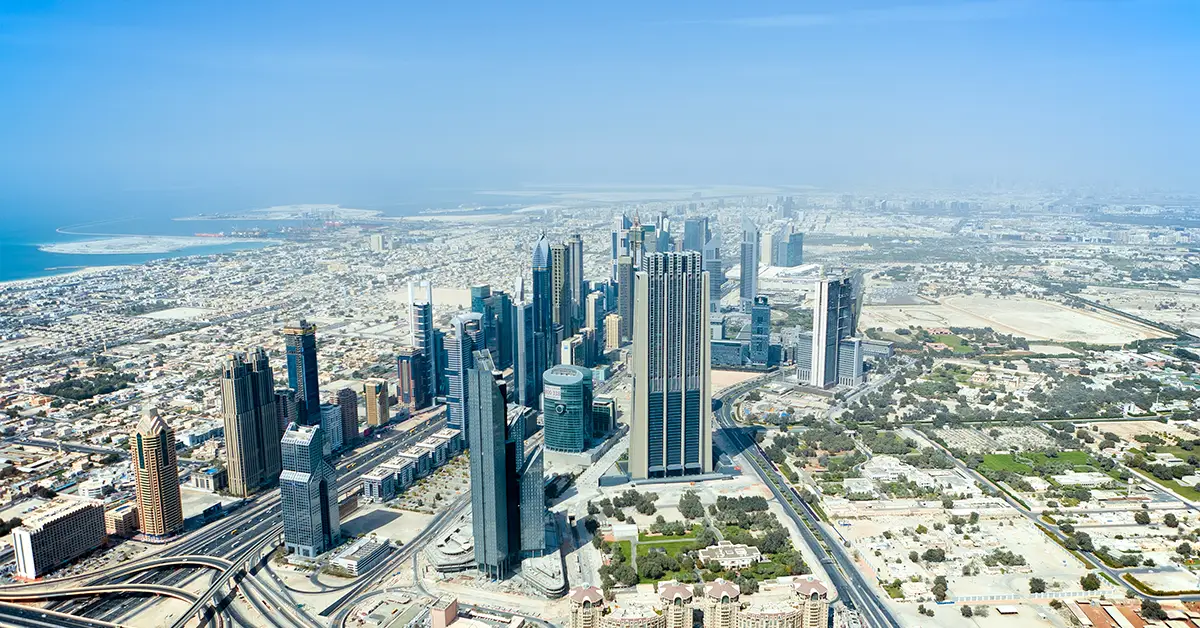
Besides finance and tourism, logistics, aviation, and energy are important pillars of the economy. These sectors make the most of the nation’s strategic geographical advantage.
The aviation industry has developed remarkably with world-leading airlines and some of the busiest international airports. Its position as a gateway between three continents helps the nation become a global aviation transit hub, connecting hundreds of destinations.
The logistics sector has also developed strongly thanks to a modern seaport system and free trade zones. Meanwhile, the energy sector does not rely solely on traditional oil and gas but has expanded into renewable energy and nuclear power. The diversity in these spearhead industries creates a solid foundation for the economy, while also opening up many diverse career opportunities.
Opportunities for Vietnamese people
The dynamic economy offers many opportunities for Vietnamese people interested in the UAE economy. The diverse labour market and open business environment create conditions for many different groups.
Industries with high demand for human resources include finance, technology, construction, tourism, hospitality, and commerce. For workers with expertise and skills, the opportunity to find a job with an attractive income, which is not subject to income tax, is a significant plus.
For investors, establishing a business in free zones or investing in real estate linked to long-term visas are popular choices. However, Vietnamese people need to carefully research the legal environment, business culture, and specific requirements before deciding. Consulting an expert helps ensure the choice aligns with goals and budget.
Summary: A diverse and opportunity-rich economy
The UAE economy, with its successful diversification process, world-class financial and commercial centres, and thriving tourism and real estate sectors, is one of the most dynamic economies in the region. A favourable investment environment and tax policy create a strong appeal.
For Vietnamese people considering investing or working here, the dynamic market, tax-free income, and many business opportunities are top attractive factors. Preparing well in terms of skills, market understanding, and the legal environment will help make the most of opportunities.
To have a comprehensive view, you should learn more about UAE politics and UAE education, thereby building an investment and living plan suitable for your family’s goals.
Accompanying you on your journey in residency investment
The Prosperous Living Investment team advises on pathways, assesses profiles and manages investments transparently for every residency, citizenship and international property objective.
Free profile assessmentWhere life gets prosperous