

United States
California billionaire tax heads to the November ballot as Governor Newsom rejects compromise
A proposed one-off 5% wealth tax on roughly 200 California billionaires has qualified for the November 2026 ballot;…


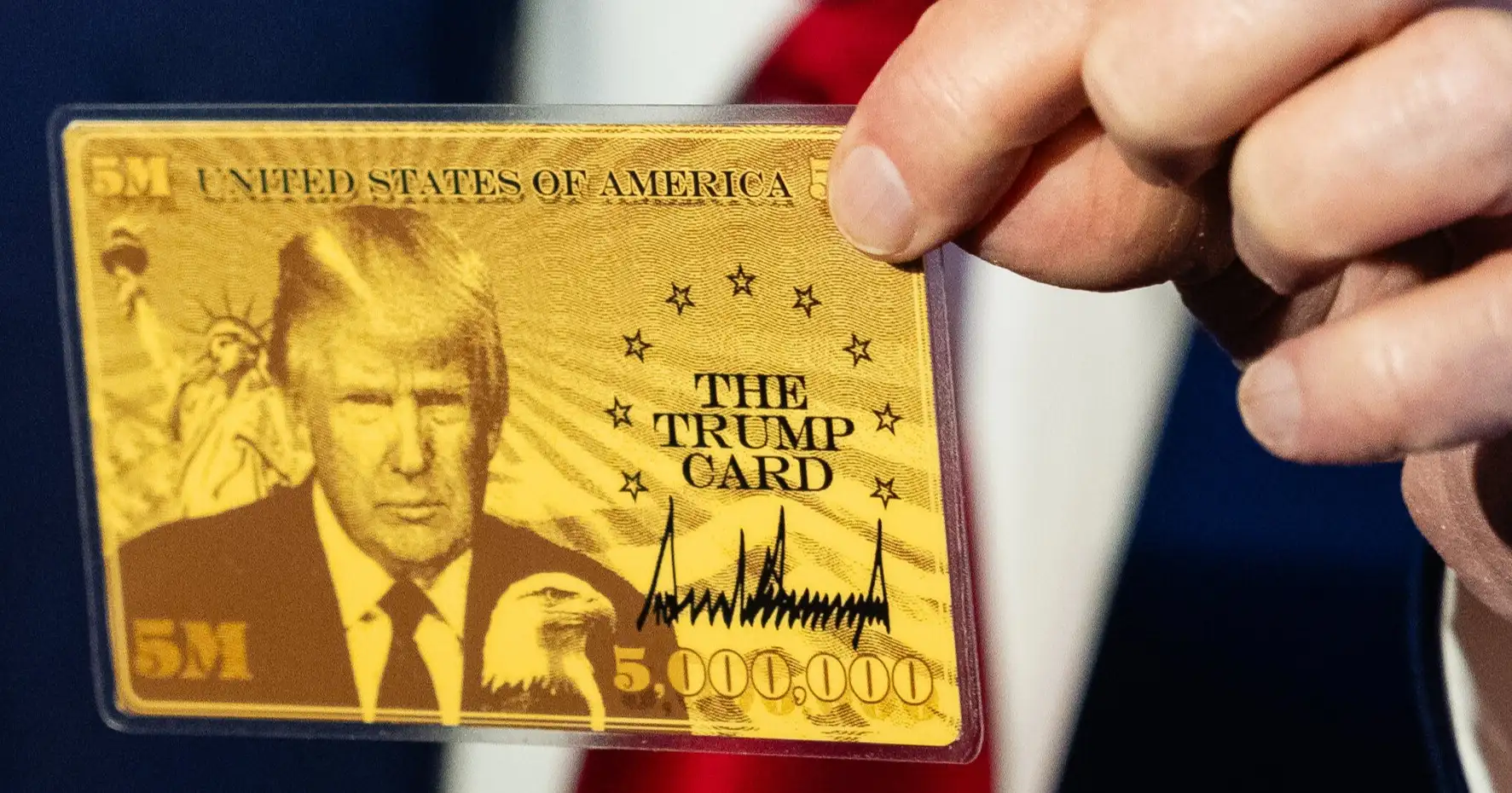
The new Trump Gold Card investment residency programme is now in effect.
The Trump administration has officially opened applications for the Trump Gold Card, an expedited investment residency pathway requiring a minimum contribution of US$1 million. The Department of Homeland Security began accepting applications this week, following the programme’s initial announcement earlier this year.
President Donald Trump confirmed the opening of Trump Gold Card applications on social media, describing the Trump Gold Card as a direct path to citizenship for eligible and vetted candidates. He emphasised its potential to help US companies retain critical global talent and generate significant capital for national priorities.
According to the administration’s statement, funds raised through the Trump Gold Card programme will be directed into a government account intended to support domestic initiatives.
Individual applicants must submit a non-refundable processing fee of US$15,000 and a contribution of US$1,000,000. Successful applicants receive expedited permanent residency through employment-based categories EB-1 or EB-2, following security and background checks.
The administration is positioning the programme as an extension of existing high-priority visa classifications. The EB-1 visa is typically reserved for individuals with extraordinary ability, outstanding researchers or multinational executives. The EB-2 visa applies to professionals with advanced degrees. Both categories fall under the fastest-processing employment-based pathways under US immigration law.
Considering a residency programme? The Prosperous Living Investment team assesses your profile free of charge and advises on the pathway that fits your goals.
Alongside the individual pathway, the administration has introduced the Trump Corporate Gold Card. Under this option, a company can sponsor employees for permanent residency at a cost of US$2 million per employee, in addition to processing fees.
Corporate sponsors bear ongoing costs. These costs include a one per cent annual maintenance fee and a transfer fee if the sponsorship is moved to another employee, along with additional background checks. Officials stated that this structure is designed to support foreign companies expanding operations in the US while maintaining compliance oversight.
The administration also announced plans for the Trump Platinum Card, which requires a US$5 million contribution. According to preliminary information, this tier allows cardholders to stay up to 270 days per year in the US without being subject to US tax on non-US source income.
Platinum Card applications are not yet open, and full regulatory details have not been released.
The Trump Gold Card joins a landscape already occupied by the Immigrant Investor Programme EB-5, which requires a minimum investment of US$1.05 million and the creation of at least ten US jobs. EB-5 remains an investment-based programme rather than a donation model.
Unlike EB-5, the Gold Card has no job creation requirement. The contribution is structured as a direct payment rather than a recoverable investment, marking a distinct policy approach.
The launch of the Trump Gold Card coincides with proposed changes to the Electronic System for Travel Authorization. US Customs and Border Protection (CBP) has proposed new requirements for travellers from visa-exempt countries, including the disclosure of social media history for the past five years, as well as historical contact details and biometric images.
If implemented, social media disclosure would become a mandatory component of the ESTA application, which is used by approximately 25 million travellers annually for short-term visits of up to 90 days.
The proposal is currently in the public comment phase and may be revised before final adoption.
Together, these measures suggest a more selective approach to entry into the US. While investment residency pathways are being expanded for high-contribution candidates, entry requirements for short-term visitors are shifting towards deeper screening and data disclosure.
Tourism remains a vital component of the US economy, with historical international visitor spending exceeding US$180 billion annually. However, recent forecasts suggest a potential decline in visitor spending amidst stricter entry policies and enhanced screening.
For ultra-high-net-worth families and international businesses, the Trump Gold Card represents a clear shift towards capital-based access to US residency. At the same time, the broader policy environment underscores the importance of strategic planning, regulatory awareness and long-term flexibility.
At Prosperous Living Investment, we view this moment as part of a broader global realignment. Nations are redefining who is welcome, under what conditions and for what economic purpose. For investors, a well-structured mobility strategy remains essential to preserve access, opportunity and continuity across jurisdictions.
Learn more about the Trump Gold Card at here.
A proposed one-off 5% wealth tax on roughly 200 California billionaires has qualified for the November 2026 ballot;…

US employment sponsorship via an employment-based green card can take 3 to more than 15 years. An analysis…
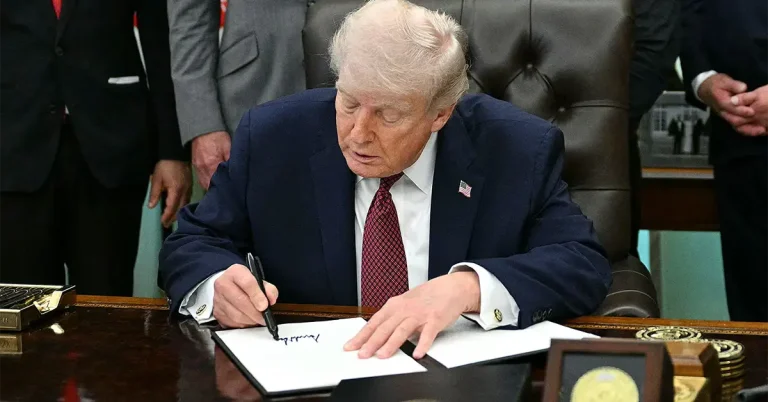
President Trump signed an executive order on 19 May 2026 requiring US banks to screen for signs of…
The Prosperous Living Investment team advises on pathways, assesses profiles and manages investments transparently for every residency, citizenship and international property objective.
Free profile assessmentWhere life gets prosperous
We use analytics cookies (Google Analytics) to understand how this site is used. They stay off until you agree. Privacy policy.