
Vietnam
Vietnam's economic position and proving source of wealth in international residence and investment
Vietnam scores 68.9 points and ranks 16th globally in the Economic Opportunity pillar of the World Citizenship Report…


While many countries are expanding golden visa programmes to attract foreign capital, Vietnam as of mid-2026 has yet to introduce one. The obstacles lie not only in an incomplete legal framework for residence, but in the land ownership regime and the country’s particular single-nationality principle, which together mean a Vietnam Golden Visa is unlikely to appear soon.
As of mid-2026, Vietnam has no golden visa programme. A long-term visa model of five to ten years for major cities such as Hanoi and Ho Chi Minh City has been raised and is under study, with no formal draft law yet before the National Assembly.
The only existing long-term residence instrument tied to investment is the DT investment visa, comprising four categories from DT1 to DT4. It is valid for one to five years; under the DT1, DT2 and DT3 categories, investors may apply for a temporary residence card of up to ten years. It is a mechanism for investors contributing capital or founding businesses, not a property-for-residence arrangement.
Considering a residency programme? The Prosperous Living Investment team assesses your profile free of charge and advises on the pathway that fits your goals.
Theo the 2023 Housing Lawand thethe 2024 Land Law, foreign nationals may buy apartments and homes ineligible commercial developments. Owning a home does not, however, confer residence rights or a route to citizenship. Housing law governs property ownership and is entirely separate from the law on entry, exit and residence.
In Vietnam, land is the property of the entire people, administered by the State on their behalf. Foreign nationals may own only the structures built on the land, on a fixed-term basis, typically 50 years and renewable, and not the land beneath. That model makes designing a property-for-residence or property-for-citizenship programme more complex than in countries permitting freehold ownership.
The law also caps foreign ownership at 30% of the units in any apartment building, and at no more than 250 landed houses per area with a population of 10,000. These limits are intended to manage the market but also narrow the scope for a large-scale programme.
Vietnam’s Nationality Law is founded on a single-nationality principle, with exceptions considered strictly. Tying residence rights or citizenship to investment would also require full source-of-funds vetting and anti-money laundering machinery, which needs a complete legal framework before it can operate.
The direction of travel towards a five- to ten-year long-term visa suggests a mechanism may emerge to attract technology talent, professionals and long-term investors. For a golden visa programme in the proper sense, the legal frameworks governing residence, investment, land and nationality would need to be brought into alignment — a matter of legislative technique that will take time.
Vietnam scores 68.9 points and ranks 16th globally in the Economic Opportunity pillar of the World Citizenship Report…
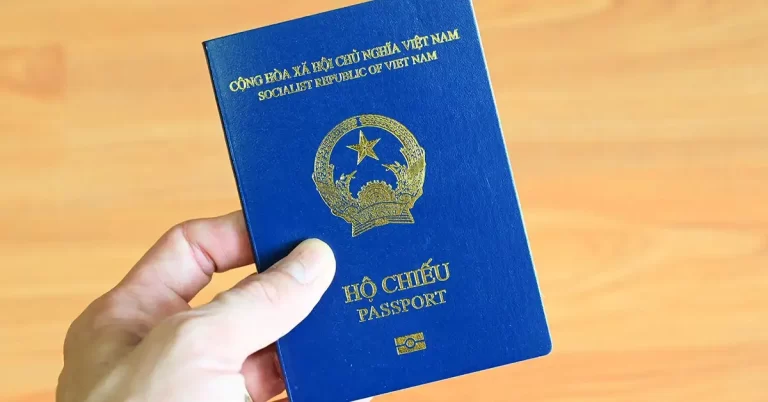
Under UV light, the Vietnamese passport reveals stunning heritage images. Discover the beauty and hidden security features within…

The Vietnamese passport has climbed significantly on the 2025 Henley Passport Index, gaining access to more countries and…
The Prosperous Living Investment team advises on pathways, assesses profiles and manages investments transparently for every residency, citizenship and international property objective.
Free profile assessmentWhere life gets prosperous
We use analytics cookies (Google Analytics) to understand how this site is used. They stay off until you agree. Privacy policy.