
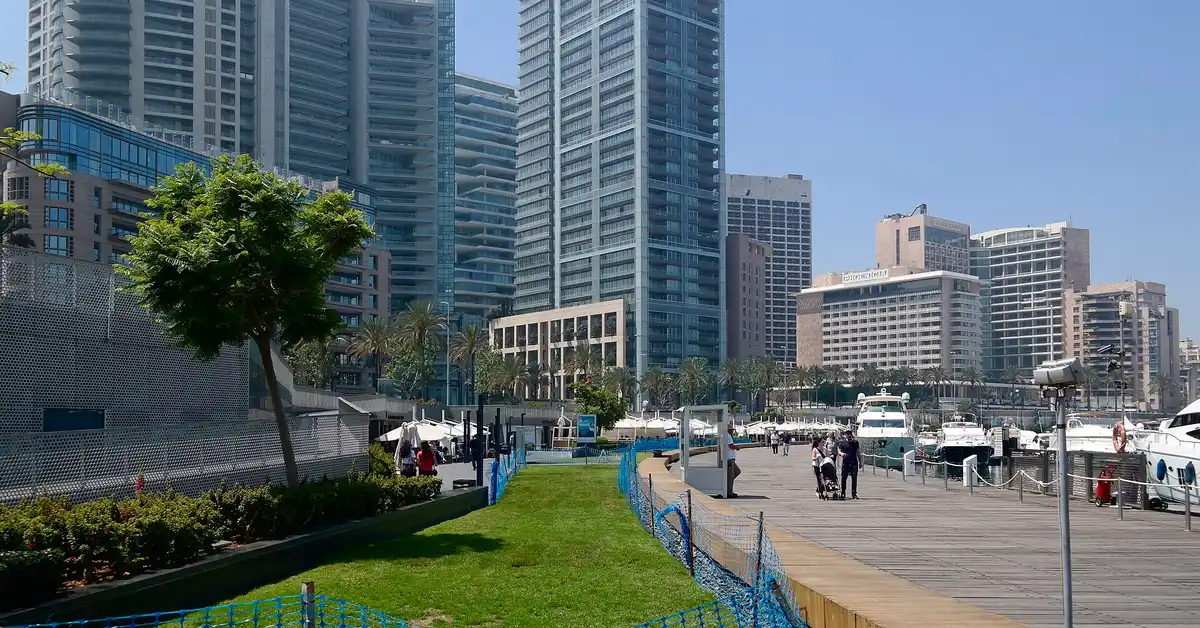
The Finance and Budget Committee of the Lebanese Parliament approved a bill on 22 June 2026 for a Lebanon Golden Visa programme, granting residence rights to foreign nationals and members of the diaspora who invest at least US$500,000 in the economy. According to Khaleej Times and The Jerusalem Post, the proposal is intended to attract foreign capital, but still requires a full parliamentary vote before becoming law.
Contents
Considering a residency programme? Prosperous Living Investment's advisers carry out a profile assessment and recommend a pathway that suits your family's goals.
Book a profile assessmentWhat the proposal contains
Under the bill, non-resident foreign nationals and members of the Lebanese diaspora could obtain residence rights by committing at least US$500,000 through one of three channels: a bank deposit, investment in a Lebanese business, or the purchase of property. The capital must be new money transferred in from abroad, separate from deposits frozen after the 2019 crisis. Property transactions remain subject to the existing rules on foreign ownership.
Family members of the investor would also be eligible, with a minimum fee of US$50,000 per year for each person seeking tax residence status.
Essentially a tax residence instrument
The committee chairman, Ibrahim Kanaan, described it as a tax residence instrument rather than a conventional golden visa programme. Lebanon applies territorial taxation, taxing only income arising in the country, so formal tax residence status has value for Lebanese professionals and business people working abroad.
If passed, the General Security directorate would receive and process applications. Investment flows would be monitored to guard against money laundering.
The remaining legal steps and the economic backdrop
The bill has cleared committee only, and still requires a full vote in the Lebanese Parliament along with implementing decrees before it can take effect.
The economic backdrop raises questions about how workable the scheme is. According to international news agencies, Lebanon has been on the Financial Action Task Force (FATF) grey list since October 2024, and its position was maintained at the review of June 2026. Billions of dollars in deposits have remained frozen since the banking collapse of 2019, raising doubts about how attractive the programme will be against competing destinations that are not on the FATF grey list.
Related topics