
The Egyptian real estate market began 2026 with a slowdown. According to Daily News Egypt, the total contract sales of the 10 largest developers reached approximately 271 billion EGP in the first quarter of 2026, down 6.5% compared to the same period last year, as the market entered a phase described as a healthy adjustment amidst falling interest rates and easing inflation.
Contents
Considering a residency programme? Prosperous Living Investment's advisers carry out a profile assessment and recommend a pathway that suits your family's goals.
Book a profile assessmentLeading sales down slightly
The total sales contract value of the top 10 developers reached approximately 271 billion EGP, equivalent to over 5 billion USD, in the first quarter of 2026, compared to 290 billion EGP in the same period of 2025. The number of units sold decreased more sharply, by about 15%, to approximately 15,500 units.
According to Daily News Egypt, domestic analysts describe this as a healthy correction rather than a downturn, since sales remain considerably above the level of the first quarter of 2024. Demand is not seen as fundamentally weaker but as more selective, with buyers focusing on developer reputation and delivery record.
The breakdown by area and developer
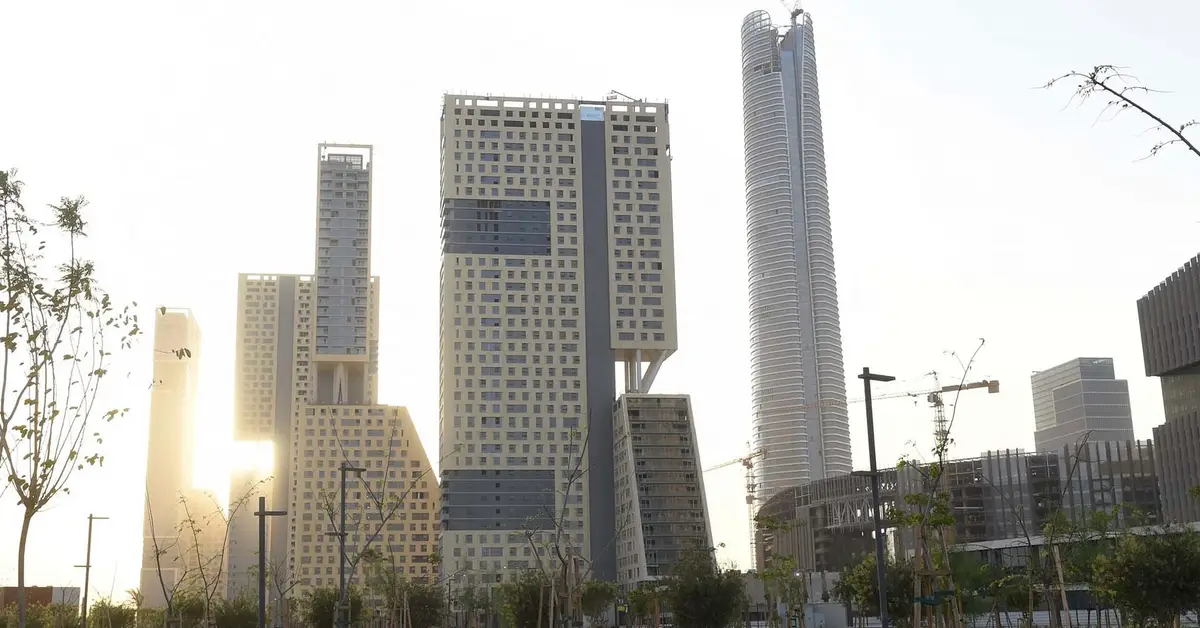
East Cairo continues to lead the market, while the New Administrative Capital sets pricing for Greater Cairo as a whole as its infrastructure, government offices, universities and commercial districts progressively come into use.
| Area | Q1 2026 sales |
|---|---|
| East Cairo | around EGP 130 billion |
| North Coast | around EGP 50 billion |
| Ain Sokhna | around EGP 40 billion |
| West Cairo | around EGP 30 billion |
By company, the sales table for the first quarter of 2026 gives the following order:
- Palm Hills Developments — EGP 52 billion
- Talaat Moustafa Group (TMG) — EGP 49.1 billion
- Tatweer Misr — EGP 43.8 billion
- Emaar Misr — EGP 35.6 billion
- Hyde Park Developments — EGP 25.3 billion
House prices rising more slowly and more soundly
Over the past 12 months, Egyptian property prices have risen by around 18–24% in nominal terms, but by only 6–10% once adjusted for inflation. Most forecasts see prices still rising in 2026 but at a more moderate pace, of around 10–15% a year in high-demand areas such as New Cairo, the New Administrative Capital and the coastal belt.
Falling interest rates — the catalyst of 2026
On 12 February 2026, the Central Bank of Egypt lowered its key interest rate by 100 basis points to 19%, while also reducing the reserve requirement ratio for commercial banks from 18% to 16%. At the May 2026 meeting, the bank kept the interest rate unchanged at 19%.
After around 725 basis points of cuts during 2025, lower rates are bringing the banking sector back into the primary mortgage market. Previously, with borrowing costs high, many developers had to carry eight- to ten-year instalment plans themselves; as the cost of borrowing falls, the pool of buyers who qualify for long-term lending widens.
The macroeconomic backdrop
Urban inflation stood at 14.6% year on year in May 2026, continuing its downward path, with many institutions forecasting a fall to around 11% by year end. The Egyptian pound traded at around EGP 49.7 to the dollar at the end of June 2026, considerably more stable than forecasts at the start of the year had suggested. Egypt is targeting economic growth of around 5% for the fiscal year ending in June 2026.
Rules on foreign ownership
Foreign nationals may own residential property in Egypt under Law 230/1996, subject to a maximum of two properties for residential use. On residence, an investment of US$50,000 secures a one-year residence visa and US$100,000 a three-year one; this is a renewable residence mechanism, not permanent residence or citizenship.
Related topics