

The EB-1 visa

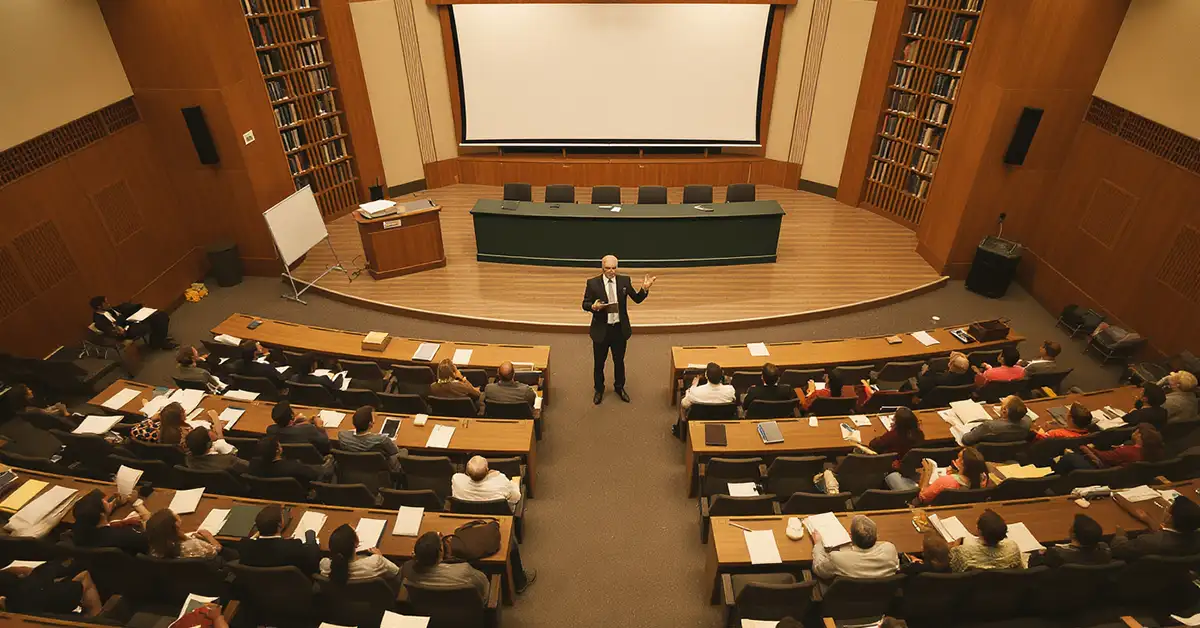
The EB-1 visa is an employment-based immigrant visa category in the first preference group, the group with the most outstanding ability in the global labour system.
Message
What is the EB-1 visa?
The EB-1 visa is an employment-based immigrant visa category for non-US nationals with extraordinary ability, outstanding professors and researchers, and multinational managers or executives.
It is one of the employment-based visa categories allowing foreign nationals to settle and work in the United States long term. The EB-1 visa is highly regarded and does not require PERM labour certification from the US Department of Labor.
In this guide, applicants will learn about the costs, processing times, requirements and application process for the EB-1 visa.
Considering a residency programme? The Prosperous Living Investment team assesses your profile free of charge and advises on the pathway that fits your goals.
EB-1 visa requirements
To be eligible for an EB-1 visa, the applicant must demonstrate extraordinary ability in their field, be internationally recognised for outstanding achievement, or have experience in a managerial or executive position with a multinational company.
There are 3 sub-categories within the EB-1 visa: EB-1A, EB-1B and EB-1C.
EB-1A: extraordinary ability
- Provide evidence of sustained national or international acclaim in their field.
- Have achieved prominence and a leading position in their professional field.
- Provide comprehensive documentation evidencing their achievements.
EB-1B: outstanding professors and researchers
- Have a job offer from a US employer for a tenured teaching position or a permanent research position at a university or institution of higher education.
- Be internationally recognised for outstanding achievement in a particular academic field.
- Provide evidence of at least three years of teaching or research experience.
EB-1C: multinational managers or executives
- Have worked abroad for at least one year in a managerial or executive position for a qualifying organisation with a subsidiary, branch or parent company in the United States.
- Be coming to the United States to continue working in a managerial or executive position for the same company or a qualifying affiliated company.
The EB-1 visa application process
The EB-1 visa application process comprises the following steps:
- The first step is to file Form I-140 together with supporting documents to demonstrate that the applicant is eligible for an EB-1 visa.
- Once the I-140 petition is approved, the applicant may proceed to adjustment of status where already in the United States, or apply through consular processing at a US embassy or consulate abroad.
- During the process, the applicant may need to attend a biometrics appointment to provide fingerprints, a photograph and a signature. The applicant also needs to complete the immigration medical examination.
- Attend the visa interview.
- Where the application is approved, the applicant receives the EB-1 visa, allowing them to work and live in the United States.
EB-1 visa processing times
The processing time for Form I-140, the first step of the EB-1 process, currently averages 8.1 months according to United States Citizenship and Immigration Services (USCIS) historical data. Note that with premium processing, Form I-140 can be completed in 15 days.
Unlike some other employment-based visa categories, EB-1 applicants do not need to wait for a visa to become available. This means there is usually no waiting time for visa quotas.
Where the applicant is already living in the United States, the average waiting time for Form I-485 for employment visa applications is around 9-16 months.
Where the applicant applies from abroad through consular processing, the file is transferred to the National Visa Center (NVC) for processing. The National Visa Center transfers the application to the nearest embassy or consulate, which contacts the applicant to arrange an in-person interview. The length of this stage depends on where the applicant is residing.
EB-1 visa costs
For applicants within the United States
- Form I-140(“Immigrant Petition for Alien Worker”):
- Filing fee: USD 715 (paid by the employer)
- Immigrant fee: USD 235
- Form I-485(application to adjust status):
- Filing fee: USD 1,540 (for applications submitted from 01/10/2025 onwards)
For applicants outside the United States
- Form I-140 (“Immigrant Petition for Alien Worker”):
- Filing fee: USD 715 (paid by the sponsoring employer)
- Form DS-260(green card application):
- Filing fee: USD 345
- Form I-864(“Affidavit of Support”):
- Filing fee: USD 120
How long is the EB-1 visa valid for?
The EB-1 visa is valid indefinitely provided the applicant maintains their status and meets the employment conditions. The applicant may apply for a green card after receiving the EB-1 visa.
Find out more about the EB-1 visa on the government website athere.
Frequently asked questions (FAQ)
Usually, the EB-1 visa category has no cap or waiting time as it is not subject to numerical quotas. However, processing times for individual applications may vary.
Yes, the applicant may include a spouse and unmarried children under 21 in the application. They may be eligible for a derivative visa.
The EB-1 visa is tied to the sponsoring employer and the specific job position set out in the application. However, in certain circumstances, it may be possible to change employer or position while retaining EB-1 status. It is best to consult an immigration lawyer to understand the options and requirements.
No, the EB-1A visa does not require a job offer. The applicant may self-petition on the basis of their extraordinary ability.
Yes, the applicant may apply for an EB-1 visa while in the United States on another visa, provided they meet the eligibility requirements.
Yes, the applicant may leave the United States while the application is pending. However, where adjusting status (Form I-485), an application for a re-entry permit must be filed before departure to ensure they can return without difficulty.
Accompanying you on your journey in residency investment
The Prosperous Living Investment team advises on pathways, assesses profiles and manages investments transparently for every residency, citizenship and international property objective.
Free profile assessmentWhere life gets prosperous