

Italian culture has shaped many of the core values of Western civilisation. From the ancient Roman Empire through the Renaissance to contemporary art, Italy has always been a cradle and source of creative inspiration for the world. The country currently has 61 UNESCO World Heritage Sites — the most on the planet — and in December 2025 traditional Italian cuisine was recognised as an Intangible Cultural Heritage of Humanity.
This article gives a complete picture of Italian culture in terms of language and literature, visual arts, music and opera, cinema, cuisine, religion, festivals and everyday life.
Detailed articleItaly.
Message
Overview of Italian culture: the cradle of Western art
Italian culture has more than 2,500 years of historical depth, a blend of many streams of civilisation: Etruscan, ancient Roman, Byzantine, Norman, Arab, Renaissance and contemporary. Every region of the peninsula and islands has its own cultural identity — the result of more than a millennium of political fragmentation before the country was unified in 1861.
Italy has more UNESCO World Heritage Sites than any other country. As of 2025, Italy has 61 sites on the World Heritage List (55 cultural and 6 natural), ahead of China (60) and Germany (55). The first site inscribed, in 1979, was the rock drawings of Valcamonica. The most recent is the “domus de janas” rock-cut tombs of Sardinia (2025) — a unique Bronze Age cultural testimony.
Italy also leads in UNESCO Intangible Cultural Heritage, with many recognised elements: the Mediterranean Diet (2013), the Art of the Neapolitan Pizzaiuolo (2017), Truffle Hunting and Extraction (2019), the Art of Glass Beads (2020), Opera Singing (2023), Manual Bell Ringing (2024) and, most recently, Traditional Italian Cuisine (2025) — which Prime Minister Giorgia Meloni described as “a celebration of our people and our identity”.
Considering a residency programme? The Prosperous Living Investment team assesses your profile free of charge and advises on the pathway that fits your goals.
Language, literature and written heritage
Modern Italian derives from the Tuscan dialect of the Renaissance, standardised through “La Divina Commedia” (the Divine Comedy) by Dante Alighieri (1265–1321) — regarded as the father of standard Italian. Besides official Italian, some areas have minority languages recognised by the Constitution: German (South Tyrol), French (Aosta), Slovene (Friuli-Venezia Giulia), Catalan (Alghero in Sardinia), Albanian (the Arbëresh community in the South) and Greek (Salento, Calabria).
Besides the official language, more than 30 regional dialects (dialetti) are still used daily: Napoletano, Siciliano, Romanesco, Veneto, Lombardo, Piemontese — each with its own vocabulary and pronunciation, closely tied to distinctive regional music.
Italian literature has a rich tradition, from Roman times with Virgil (author of the Aeneid), Cicero and Ovid, through the Middle Ages with Dante, Francesco Petrarca and Giovanni Boccaccio (the Decameron). The Renaissance flourished with Niccolò Machiavelli and Ludovico Ariosto (Orlando Furioso). Modern literature includes Alessandro Manzoni, Italo Calvino, Primo Levi, Umberto Eco (The Name of the Rose) and Elena Ferrante, and 6 Italian authors have won the Nobel Prize in Literature.
Visual arts: painting, sculpture, architecture
The visual arts are the field in which Italy has had the most far-reaching influence on world civilisation. Successive periods of Italian art shaped Western aesthetics: ancient Roman art with its temples and marble statues, Byzantine art with the wall mosaics of Ravenna (a UNESCO site), and Romanesque and Gothic art with the churches of the Middle Ages.
The Renaissance (Rinascimento) of the 14th–17th centuries produced masters regarded as the greatest in art history. Leonardo da Vinci (1452–1519) with the “Mona Lisa”, “The Last Supper” and the “Vitruvian Man”. Michelangelo Buonarroti (1475–1564) with the Sistine Chapel ceiling, “David” and the “Pietà”. Raphael (1483–1520) with “The School of Athens” and the frescoes in the Vatican. Donatello, Botticelli (The Birth of Venus), Titian, Caravaggio (father of chiaroscuro) and many other artists.
After the Renaissance, Italy went on to lead the Baroque style (17th century) with Bernini and Borromini in Rome. The 20th century saw the Futurist movement launched by Filippo Tommaso Marinetti in 1909, influencing avant-garde art worldwide. Contemporary figures include Lucio Fontana, Giorgio Morandi and Maurizio Cattelan.
Italian architecture is a historical treasure trove spanning every era: the Colosseum and the Pantheon in Rome represent ancient Roman architecture; Florence is an open-air museum of Renaissance architecture with the Cathedral of Santa Maria del Fiore and the Ponte Vecchio; Venice is a Gothic – Byzantine masterpiece with St Mark’s Square.
Music and opera
Italy is considered the home of opera — one of the country’s greatest cultural contributions to the world. Opera was born in Florence in the late 16th century with Jacopo Peri’s “Dafne” (1597) and Claudio Monteverdi’s “Orfeo” (1607). In 2023, Italian Opera Singing was inscribed by UNESCO as an Intangible Cultural Heritage of Humanity following Italy’s nomination.
The most celebrated Italian opera composers include Gioachino Rossini (“The Barber of Seville”), Vincenzo Bellini, Gaetano Donizetti, Giuseppe Verdi (“La Traviata”, “Aida”, “Nabucco”) and Giacomo Puccini (“La Bohème”, “Tosca”, “Madama Butterfly”, “Turandot”). Famous historic opera houses include La Scala (Milan, opened in 1778), San Carlo (Naples, 1737, the oldest in Europe still in continuous use) and La Fenice (Venice).
Besides opera, Italy is also home to many genres of classical music. Antonio Vivaldi with “The Four Seasons”, Giovanni Pierluigi da Palestrina with Renaissance sacred music, and Antonio Stradivari (1644–1737), who crafted violins in Cremona considered the most precious in the world. The piano was also invented by Bartolomeo Cristofori in Florence around 1700.
Italian popular music ranges from traditional canzone napoletana (“O Sole Mio”, “Funiculì Funiculà”) to contemporary international stars such as Andrea Bocelli, Eros Ramazzotti, Laura Pausini and the rock band Måneskin (winners of Eurovision 2021). The Sanremo Music Festival is the biggest annual music event, held since 1951, and was the inspiration for the Eurovision Song Contest.
Film and television
Italian cinema has a long tradition and a far-reaching influence. Cinecittà in Rome, opened in 1937, was once dubbed “Hollywood on the Tiber”. Italy has won 14 Academy Awards for Best Foreign Language Film — the most in the history of the award.
The post-war Italian Neorealism movement (Neorealismo), with Vittorio De Sica (“Shoeshine”), Roberto Rossellini and Luchino Visconti, shaped world cinema. Federico Fellini (4 Oscars for “La Strada”, “Nights of Cabiria”, “8½” and “Amarcord”), Sergio Leone (father of the Spaghetti Western), Michelangelo Antonioni, Pier Paolo Pasolini and Bernardo Bertolucci are all legends of world cinema.
Contemporary Italian cinema continues to make significant contributions. Roberto Benigni won an Oscar for “La Vita è Bella” (1998). Paolo Sorrentino won the Oscar for Best Foreign Language Film with “La Grande Bellezza” (2014) and later created the HBO series “The Young Pope”. The Venice Film Festival — the oldest in the world (since 1932) — and the Rome Film Festival are Italy’s two leading international film events.
Italian cuisine: pizza, pasta, wine and regional traditions
Italian cuisine was recognised as an Intangible Cultural Heritage of Humanity by decision ofUNESCOin December 2025 — the first country in the world to have its entire traditional cuisine recognised with this title. UNESCO described Italian cuisine as “a cultural and social blend of culinary traditions” tied to raw ingredients, artisanal techniques and communal rituals around the table.
A defining feature of Italian cuisine is its strong regional character. The colder North favours butter, mountain cheeses (Parmigiano Reggiano, Gorgonzola), polenta, risotto alla Milanese and Piedmont wines (Barolo, Barbaresco). The centre has the cuisine of Tuscany and Lazio with olive oil, handmade pasta (cacio e pepe, carbonara) and Chianti wine. The South and the islands are known for tomatoes, seafood, Neapolitan pizza, Puglian orecchiette and Sicilian arancini.
Neapolitan pizza (pizza napoletana) is the global symbol of Italian cuisine. The Art of the Neapolitan Pizzaiuolo (Arte del Pizzaiuolo) has been recognised by UNESCO as intangible cultural heritage since 2017. The Pizza Margherita was created in Naples in 1889 to honour Queen Margherita of unified Italy, in the three colours of the national flag: red tomatoes, white mozzarella and green basil.
Italy is the world’s largest wine producer, with more than 350 native grape varieties. The EU geographical indication system protects 887 Italian PDO/PGI/TSG products (the most in the EU), including Parmigiano Reggiano, Prosciutto di Parma, Aceto Balsamico di Modena and Mozzarella di Bufala Campana. Espresso and cappuccino have become global standards — and Italy is nominating its coffee culture to UNESCO.
Religion and the role of the Vatican
Roman Catholicism is the predominant religion in Italy, with about 78% of the population identifying as Catholic in recent surveys. However, since the 1984 revision of the Lateran Pacts, Italy has officially had no state religion and is a secular state under the 1948 Constitution. The numbers of non-religious people, Muslims (immigrant communities), Protestants and Orthodox Christians (Romanian and Ukrainian communities) are gradually rising.
The Vatican (officially Vatican City State) is the smallest independent state in the world, covering 0.49 km² entirely within Rome. It is the seat of the Holy See and the global centre of the Roman Catholic Church, under the leadership of the Pope. Although a separate state, the Vatican has a profound cultural influence on Italy through its art museums, St Peter’s Basilica, St Peter’s Square (Bernini’s masterpiece) and the Vatican Library.
Religious festivals are an integral part of Italian culture. Easter (Pasqua) and Christmas (Natale) are the two most important occasions, and every town has its patron saint (santo patrono) with a distinctive feast day. Ancient pilgrimage routes such as the Cammino di San Francesco in Assisi and the Via Francigena attract millions of pilgrims every year.
Festivals, customs and everyday life
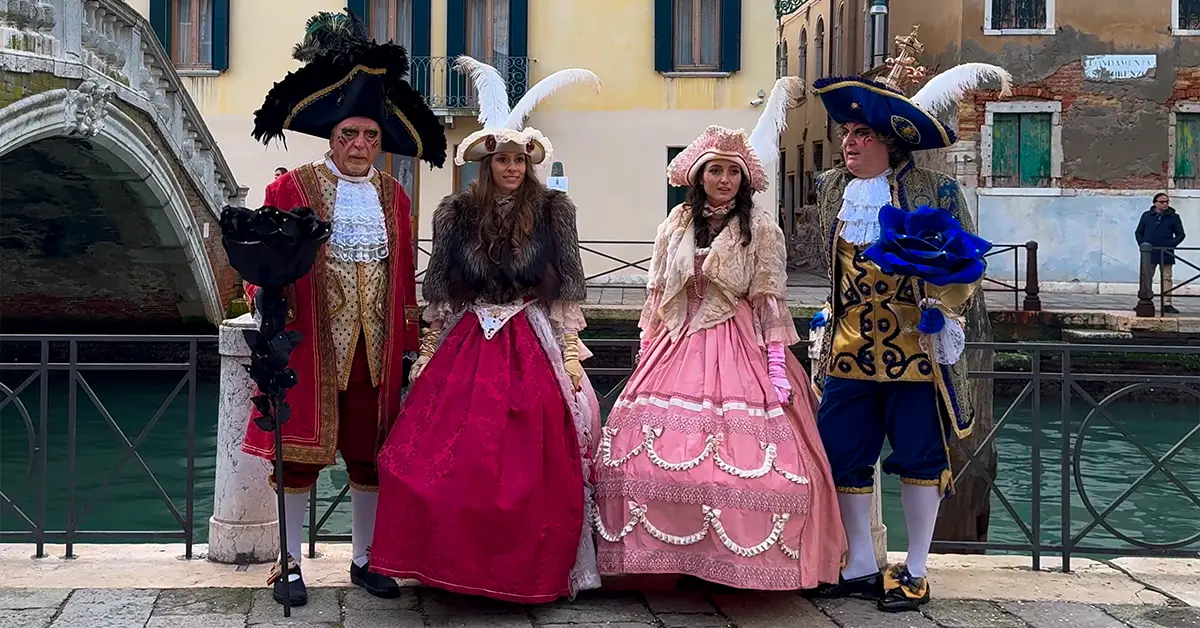
Italy holds more than 30,000 traditional cultural festivals every year, from small village sagre celebrating local produce to major international events. The Carnevale di Venezia, with its mask tradition dating back to the 13th century, attracts millions of visitors. The Palio di Siena is a traditional horse race held twice a year since 1656 in the Piazza del Campo.
Everyday life in Italy is bound up with the idea of “la dolce vita” (the sweet life) — a harmony between work and relaxation. Breakfast (colazione) is usually light, with a cappuccino and a cornetto. Lunch (pranzo) and especially dinner (cena) are important family gatherings. Aperitivo — cocktails with snacks at around 6–8 pm — is a distinctive social custom, especially popular in Milan and Turin.
Football is the most popular sport and part of the national culture. The Azzurri have won 4 World Cups (1934, 1938, 1982, 2006) and 2 European Championships (1968, 2020). Serie A is one of Europe’s top five leagues, with legendary clubs such as Juventus, AC Milan, Inter, Roma and Napoli. Besides football, the Giro d’Italia cycling race, Formula 1 with Ferrari, and volleyball are also signature sports.
For Vietnamese readers: engaging with Italian culture when living and working there
For Vietnamese people who love art and history, Italy is a top destination for study and research. The Vatican Museums, the Uffizi Gallery (Florence), the Borghese Gallery (Rome) and the Pinacoteca di Brera (Milan) house great artistic masterpieces. The Brera Academy of Fine Arts, the Florence Academy of Fine Arts and Istituto Marangoni offer world-class training in fine arts, fashion design and industrial design.
For Vietnamese travellers, a journey to discover Italian culture should take in a variety of regions: the classic Rome – Florence – Venice tour for first-time visitors, a Tuscany – Emilia-Romagna food route for wine lovers, the Amalfi Coast – Sicily for Mediterranean atmosphere, and Trentino-Alto Adige for winter skiing and the Milan-Cortina 2026 Winter Olympics.
For Vietnamese people living in and integrating into Italy, understanding local culture is important. Italians value family ties, shared meals, courtesy in communication and the idea of “bella figura” (making a good impression). Major cities such as Milan, Rome and Florence have diverse international communities and an open environment, while small towns in central and southern Italy retain strong local traditions — offering a deeper experience of authentic Italian culture.
Accompanying you on your journey in residency investment
The Prosperous Living Investment team advises on pathways, assesses profiles and manages investments transparently for every residency, citizenship and international property objective.
Free profile assessmentWhere life gets prosperous