


Georgian culture is a synthesis of an ancient language, Orthodox faith, and long-standing festive customs. As a Caucasus nation with Tbilisi as its capital, this country preserves many world-recognised heritages, from its own alphabet to thousands-of-years-old winemaking methods.
Contents
Georgian culture formed from the intersection of East and West
Located at the crossroads of Europe and Asia, Georgian culture has been shaped over many centuries of contact with major civilisations. The Caucasus region is an ancient trade corridor where routes connecting the Black Sea with Central Asia pass through. This location brings diverse influences without diluting the national identity.
Georgians call their country Sakartvelo and identify themselves as Kartveli. That identity is nurtured through a unique language, a unique script, and a resilient faith. Interested readers can learn more about the country of Georgia for an overview.
It is the resonance between openness and preservation that has created a culture that is both rich and unified. Many core elements such as the script, music, and wine are all inscribed by UNESCO, showing heritage values of human significance.
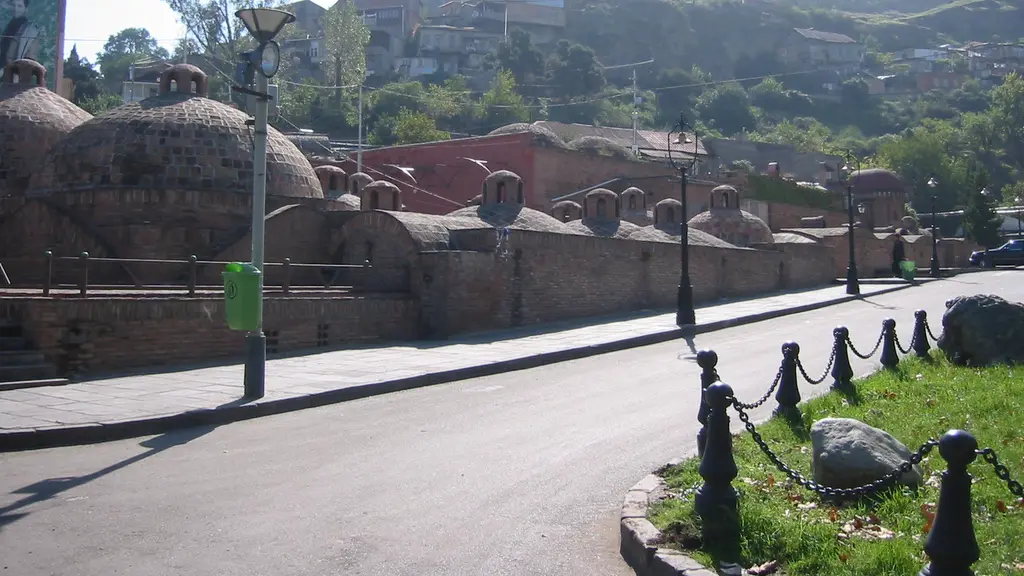
The ancient Abanotubani sulphur bathhouse in Tbilisi, a heritage of Georgian culture.
Considering a residency programme? The Prosperous Living Investment team assesses your profile free of charge and advises on the pathway that fits your goals.
Georgian language and alphabet
The Georgian language (kartuli ena) belongs to the Kartvelian language family, a distinct group not directly related to major neighbouring language families. It is the official language of the nation and has been a means of connecting the community for many centuries.
The most distinctive feature is the writing system. Georgians use their own alphabet, of which Mkhedruli is the common form today. Besides that, there are two older forms, Asomtavruli and Nuskhuri, used in religious and historical contexts.
The living writing tradition of the Georgian alphabet has been inscribed by UNESCO on the Representative List of the Intangible Cultural Heritage of Humanity. This recognition honours the three coexisting scripts and their role in cultural life.
Georgian script has a round, soft shape, is easily recognisable, and carries high aesthetic value. It appears on ancient manuscripts, church texts, and architectural works, becoming a symbol of national identity.
- Mkhedruli: modern script, commonly used daily.
- Nuskhuri and Asomtavruli: two ancient forms linked to religious tradition.
- All three scripts are inscribed as UNESCO intangible heritage.
Orthodoxy and spiritual life
Georgian Orthodoxy is one of the pillars of spiritual life. Georgia is among the lands that received Christianity very early, and this faith is closely linked to national identity through many periods.
The Georgian Apostolic Autocephalous Orthodox Church plays a central role in life-cycle rituals, festivals, and community activities. Many religious holidays become occasions for family gatherings and the expression of traditional customs.
Faith also leaves a deep mark on art. Icons, illuminated manuscripts, and church music reflect the close connection between faith and creativity. To understand more of the context, you can refer to the history of Georgia.
Polyphonic singing – the essence of folk music
Polyphonic singing is a prominent feature of Georgian music. Unlike monophonic singing, this art combines multiple vocal parts sounding together, creating a rich and emotional layer of sound.
The tradition of polyphonic singing appears in many contexts: farm work, feasts, religious rituals, and community occasions. Each region has its own style and melody, reflecting diversity within unity.
Georgian polyphonic singing has been recognised by UNESCO as an intangible cultural heritage of humanity. Transmission from one generation to the next helps this ancient art form continue to live in contemporary life.
Wine and the qvevri fermentation method
Georgia is considered by many to be one of the cradles of winemaking. The tradition of viticulture and wine production in this land has spanned thousands of years, becoming an inseparable part of the identity.
The most distinctive feature is the method of fermenting wine in large clay vessels called qvevri. People bury the vessels underground to ferment and store, creating a unique flavour. This craft technique has been passed down through many generations.
The traditional winemaking method in qvevri vessels has been inscribed by UNESCO as intangible cultural heritage. Wine is not just an agricultural product but is also linked to rituals, parties, and the hospitality of the people.
- Qvevri are large clay vessels used for fermenting and ageing wine.
- Vessels are usually buried underground to maintain a stable temperature.
- This technique is recognised by UNESCO as intangible heritage.
Cuisine with khachapuri and khinkali
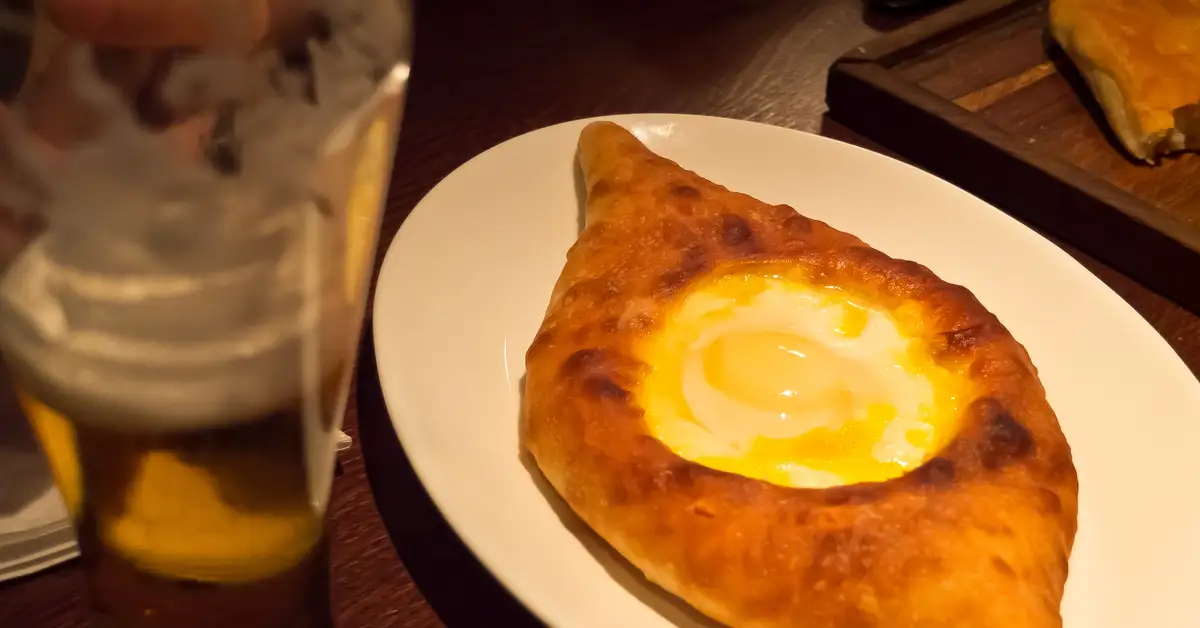
Cuisine is a vibrant part of Georgian culture, standing out with bold flavours and a generous presentation. The two most mentioned dishes are khachapuri and khinkali, linked to the image of national cuisine.
Khachapuri is a cheese-filled bread with many regional variations in shape and preparation. Khinkali is a popular stuffed dumpling, traditionally eaten by hand.
Beyond these two iconic dishes, the cuisine is rich with sauces made from walnuts, herbs, and distinctive spices. Meals are typically communal, fostering a sense of togetherness and hospitality.
- Khachapuri: cheese-filled bread with many regional variations.
- Khinkali: stuffed dumpling, traditionally eaten by hand.
- Walnuts and herbs are common ingredients in many dishes.
Supra and the role of the tamada in feasts
Supra is a traditional feast and the ultimate expression of Georgian hospitality. It is more than just a meal; it is a social ritual where family and friends gather around a table laden with food.
The soul of the supra is the tamada, the toastmaster who leads the toasts. The tamada coordinates the sequence, raising glasses to themes such as the homeland, family, friends, and the departed, keeping the atmosphere both formal and warm.
Toasts at a supra are often profound and sometimes poetic. This custom reflects the values of community, connection, and respect for tradition in Georgian social life.
Festivals and customs linked to faith
Festive life in Georgia is closely tied to the Orthodox calendar and the rhythm of community life. Many religious holidays are occasions for families to gather, prepare feasts, and maintain traditional rituals. The festive atmosphere is therefore both solemn and warm.
Among the prominent urban festivals is Tbilisoba, which celebrates the capital, Tbilisi, and is usually held in autumn. It is an occasion for locals and visitors to enjoy music, food, new wine, and street activities, celebrating the city’s history and life.
Additionally, Orthodox holidays such as Christmas and Easter are highly regarded and celebrated according to specific customs. These occasions are typically accompanied by church services, family feasts, and long-standing traditions, reflecting the enduring role of faith in daily life.
In general, festivals and customs are where many cultural elements converge, from music and cuisine to hospitality. They help the community preserve collective memory and pass on values through generations naturally.
- Tbilisoba: festival celebrating the capital, Tbilisi, usually held in autumn.
- Christmas and Easter: two important Orthodox holidays.
- Festivals are where music, cuisine, and hospitality converge.
Chokha attire and traditional crafts
Traditional clothing is a recognisable part of Georgian identity. The typical male attire is the chokha, a long, waist-cinched coat with distinctive cartridge holders on the chest. The chokha is associated with the image of the Caucasian man and often appears at festivals, weddings, and folk performances.
Traditional female attire often has an elegant appearance, combining scarves, headwear, and delicate embroidery. Together with the chokha, these outfits create a characteristic image in the community’s dances and major rituals.
Handicrafts are also a notable area of heritage. Georgians have a tradition of crafting with various materials such as metal, ceramics, wood, and textiles, with patterns bearing regional marks. These products serve daily life while expressing folk aesthetics.
Among the crafts, the cloisonné enamelling technique in jewellery is noted as a sophisticated feature linked to religious and artistic traditions. These crafts continue to be preserved and showcased in workshops, craft markets, and museums.
- Chokha: long, waist-cinched coat, typical male attire.
- Female attire combines scarves, headwear, and hand embroidery.
- Diverse crafts using metal, ceramics, wood, and textiles in regional styles.
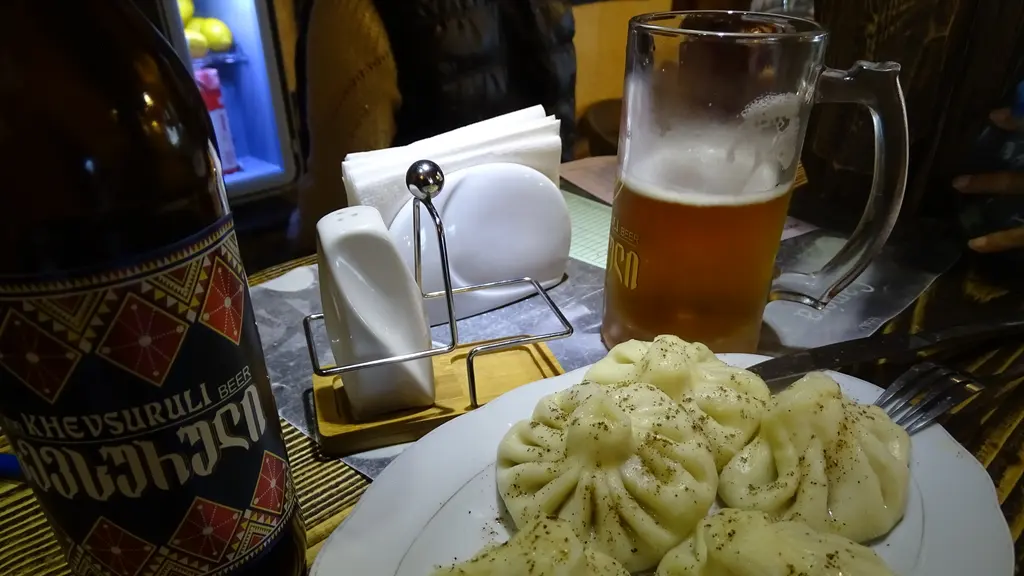
Traditional cuisine is a distinctive feature of Georgian culture.
Cinema and visual arts
Alongside folk forms, Georgia also has a notable tradition of modern art. Cinema is frequently mentioned, with many works featuring a lyrical style, rich in poetry and local identity. This genre contributes to bringing the country’s image to international audiences.
Visual arts also leave a distinct mark. A widely known figure is the self-taught painter Niko Pirosmani, associated with a naive, rustic style and often focusing on daily life. His paintings have become familiar symbols in Georgian visual culture.
Painting, graphic arts, and book illustration have developed alongside the tradition of icons and ancient manuscripts. This continuity creates a constant creative thread, connecting religious heritage with contemporary secular art.
Theatres, museums, and galleries in Tbilisi and many other cities are where artistic life thrives. They both preserve heritage and create spaces for new creative practices.
Sports linked to national identity
Sport is part of the identity and pride of the Georgian people. The martial tradition is clearly expressed through folk wrestling, a form linked to festivals, music, and the spirit of community competition. The image of powerful wrestlers often accompanies festive occasions.
In modern sports, judo and wrestling are fields where Georgian athletes have a tradition of competing on the international stage. The spirit of endurance and physical strength are considered familiar qualities associated with these combat sports.
Rugby is also a widely supported sport with symbolic significance. A style of play that prioritises strength and teamwork is considered well-suited to the temperament of the people, giving this sport a notable position in sporting life.
In general, sport is not just entertainment but also an occasion to express pride and connection. Competitive events often attract enthusiastic support, reflecting the community spirit that is deeply rooted in Georgian culture.
- Folk wrestling is linked to festivals and the martial spirit.
- Judo and wrestling are sports with a tradition of international competition.
- Rugby is widely supported and holds symbolic significance.
Church architecture and built heritage
Church architecture is a prominent physical expression of the Orthodox tradition. Throughout the country, there are many ancient churches and monasteries, built of stone and situated in locations of great scenic value.
The architectural style often carries a solemn tone, with domes, stone carvings, and balanced layouts. These structures serve as both places of worship and historical evidence across many eras.
Some of Georgia’s architectural complexes and monuments are on the UNESCO World Heritage List, recognising their historical and artistic value. They continue to be important pilgrimage and tourist destinations for both locals and visitors.
Literature with Shota Rustaveli
Georgian literature has a long history, with Shota Rustaveli being the most prominent name. He was a medieval poet, considered a major figure in the national literary heritage.
His famous work is the epic poem “The Knight in the Panther’s Skin” (Vepkhistkaosani). The poem praises friendship, loyalty, and love, and is considered a classic masterpiece and a source of pride in Georgian culture.
This literary heritage is tied to spiritual life, widely quoted, and passed down through generations. It reflects the moral and aesthetic value system characteristic of the nation.
Traditional dance and community identity
Folk dance is an important part of cultural life. Traditional dances are usually performed in groups, combining lively music, distinctive costumes, and expressive movements.
Many dances express the martial spirit, grace, or community spirit, with different roles for men and women. They often appear at festivals, weddings, and major occasions.
Dance, music, and feasting together create a cohesive cultural whole. The diversity of the population and regions also contributes to enriching these forms; you can learn more about demographics of Georgia to understand the community context.
UNESCO heritage confirms the value of Georgian culture
Many core elements of Georgian culture have been internationally recognised, showing the depth and vitality of the national heritage. This recognition spans from language and music to traditional crafts.
In the field of intangible heritage, the Georgian alphabet, polyphonic singing, and the method of winemaking in qvevri vessels are all registered. Official information can be found in the directory of UNESCO Intangible Cultural Heritage.
In addition, several heritage and architectural sites have been included in the World Heritage List, according to the records of UNESCO World Heritage. These recognitions contribute to the long-term preservation and dissemination of traditional values.
Which continent is Georgia in, and what is its capital?
Georgia is a country in the Caucasus, at the crossroads of Europe and Asia, bordering the Black Sea to the west. Its capital is Tbilisi, the country's most important political, cultural and economic centre.
What is special about the Georgian alphabet?
Georgia has its own script, with three forms coexisting: Mkhedruli, Nuskhuri and Asomtavruli. Mkhedruli is the form in common use today. This living writing tradition has been inscribed by UNESCO on the list of the intangible cultural heritage of humanity.
Why is Georgian wine famous?
Georgia is regarded as one of the birthplaces of winemaking, with a tradition spanning thousands of years. In particular, the method of ageing wine in buried clay qvevri vessels has been recognised by UNESCO as intangible cultural heritage.
Supra và tamada nghĩa là gì?
Supra is a traditional feast that embodies Georgian hospitality, where family and friends gather. The Tamada is the toastmaster, leading themed toasts throughout the feast to keep the atmosphere formal and convivial.
What are Georgia’s signature dishes?
The two iconic dishes are khachapuri, a cheese-filled bread with many regional variations, and khinkali, a steamed dumpling typically eaten by hand. Georgian cuisine is also known for ingredients such as walnuts, herbs and distinctive spices.
What is Georgia's traditional dress?
Typical men's dress is the chokha, a long, waist-cinched coat with distinctive cartridge pockets across the chest, usually worn at festivals and folk performances. Traditional women's dress combines headscarves, headwear and delicate embroidered details.
Accompanying you on your journey in residency investment
The Prosperous Living Investment team advises on pathways, assesses profiles and manages investments transparently for every residency, citizenship and international property objective.
Free profile assessmentWhere life gets prosperous