


Portuguese culture is a unique distillation of maritime history, Catholic traditions, and the romantic soul of a people who once crossed the oceans to explore the world. From the nostalgic fado music and rich cuisine to vibrant festivals and a relaxed lifestyle, this country possesses a rich and charming cultural heritage. Understanding Portuguese culture helps readers feel the soul of the people here and imagine daily life in one of the most hospitable countries in Europe.
Detailed article on the the country of Portugal.
Message
Portuguese cultural identity and the national soul
Portuguese cultural identity has been forged over many centuries of history, from the Roman period and Moorish influences to the great age of maritime discovery. This blend creates a unique culture that is both European and carries the breath of distant lands.
One of the most characteristic concepts of the Portuguese soul is saudade, an emotion that is difficult to translate precisely into other languages. It is a deep nostalgia, a longing for something lost or distant, mixed with sadness and sweetness.
Saudade reflects the soul of a people who once bid farewell to loved ones setting sail on dangerous voyages across the oceans. This emotion has permeated Portuguese art, music, and literature for generations.
The Portuguese are known for being friendly, hospitable, and living at a relaxed pace. They value family, community relationships, and traditional values, while becoming increasingly open to the modern and multicultural world.
Considering a residency programme? The Prosperous Living Investment team assesses your profile free of charge and advises on the pathway that fits your goals.
Fado, the soul of music
Fado is the most iconic traditional music genre of Portugal, which has been United Nations Educational, Scientific and Cultural Organization (UNESCO) inscribed as an intangible cultural heritage of humanity. This is a genre of music that fully expresses the spirit of saudade.
Fado songs often have a melancholic melody, telling stories of love, fate, longing, and the sea. The fado singer, known as a fadista, expresses intense emotion through a soulful voice, usually accompanied by the characteristic Portuguese guitar.
Fado originated in the working-class neighbourhoods of Lisbon in the 19th century. Today, one can enjoy fado at traditional music venues in Lisbon and Coimbra, where this art form is still preserved and developed.
Beyond fado, Portuguese music is rich with various regional folk genres. Each area has its own melodies, dances, and instruments, reflecting the cultural diversity across the country.
Rich and refined cuisine
Cuisine is one of the greatest sources of pride in Portuguese culture. This culinary tradition is based on fresh ingredients, bold flavours, and long-standing cooking methods, influenced by both the sea and the land.
Salted cod, known as bacalhau, is the national dish. It is said that there are hundreds of different ways to prepare cod, enough to eat a different dish every day for a year. This is a testament to the culinary creativity of the people.
Fresh seafood is a highlight of coastal cuisine, featuring grilled sardines, squid, prawns, and various shellfish. Stews, soups, and meat dishes are also very popular, especially in the interior and the north.
Portugal is also famous for its delicate pastries. The pastel de nata egg tart is a culinary icon loved all over the world. Regarding drinks, Port wine from the Douro Valley and vinho verde green wine are renowned specialities.
Architecture and heritage
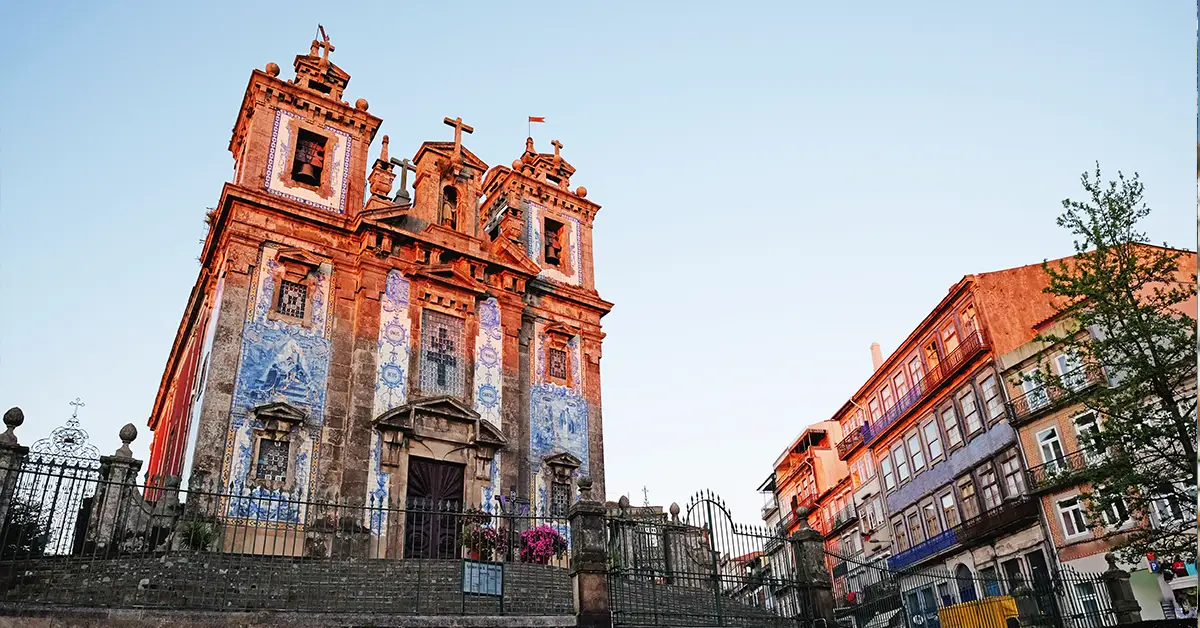
Portuguese architecture reflects the country’s long history and cultural intersection. From ancient Roman structures to Gothic churches, royal palaces, and modern villas, each era has left its own mark.
The Manueline architectural style is a unique feature of Portugal, emerging during the Age of Discovery. This style is distinguished by elaborate decorative motifs inspired by the sea, such as ropes, coral, and marine life.
The Belém Tower and the Jerónimos Monastery in Lisbon are two masterpieces of the Manueline style, both recognised as World Heritage sites. These structures serve as reminders of the golden age when Portugal led the world in maritime exploration.
Another characteristic feature is the art of azulejo tiles, which are blue and white glazed tiles decorating the walls of churches, palaces, and private homes. Azulejo is not just a decorative material but also tells historical and religious stories.
Festivals and traditions
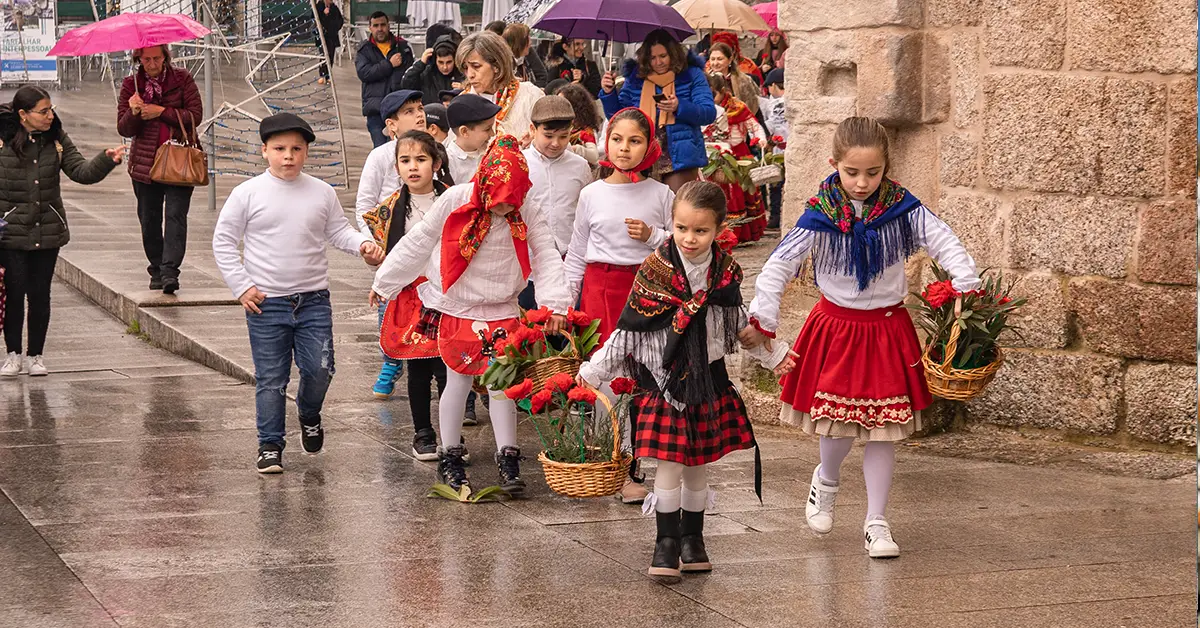
Portuguese cultural life is vibrant, with countless festivals taking place throughout the year. Many festivals have religious origins, tied to the nation’s long-standing Catholic tradition.
Annual saint festivals are important occasions in community life. People organise processions, sing, dance, and gather together. These festivals not only hold spiritual significance but also strengthen neighbourhood solidarity.
The Feast of St. Anthony in Lisbon and St. John in Porto in June are the most vibrant events. The streets are filled with music, the scent of grilled sardines, and a joyful atmosphere that lasts all night.
In addition, religious pilgrimage sites attract millions of devotees each year. These events are an indispensable part of the cultural and spiritual identity of the Portuguese people.
Literature and art
Portugal has a rich literary tradition, contributing many great names to the world of literature. The poet Luís de Camões, author of the epic poem about the voyages of discovery, is considered the national literary icon.
In modern times, Portuguese literature continues to shine on the international stage. The nation has produced writers who are honoured globally, with works translated into many languages.
Visual arts and painting have also flourished, from classical to contemporary schools. Art museums in Lisbon and Porto house precious collections, reflecting the flow of art through the ages.
Cinema, theatre, and performing arts also contribute to enriching cultural life. Portugal is increasingly focusing on investment in arts and culture, viewing it as an important part of the nation’s identity and soft power.
Lifestyle and daily life
The Portuguese lifestyle is deeply relaxed and balanced, characteristic of the Mediterranean region. People value enjoying life, spending time with family, friends, and gathering for meals.
Coffee culture is very popular, with cafés serving as places for daily meetings and conversation. The pace of life is generally slower than in many other Western European countries, creating a pleasant and less stressful atmosphere.
The safety and friendliness of society are what many foreigners love. Portugal is frequently ranked among the most peaceful and safe countries in the world, an important factor for quality of life.
The mild, sunny climate and beautiful natural landscapes make daily life even more pleasant. These are the factors that make this country an ideal destination for those seeking a high-quality and balanced life.
Cultural significance for foreigners
For foreigners, the open and hospitable culture of Portugal provides a smooth integration experience. Local people are friendly and willing to help, making new arrivals feel welcome.
The increasing cultural diversity in major cities creates an international living environment where many communities coexist harmoniously. Foreigners can maintain their own identity while integrating into local life.
Learning about and appreciating the local culture will make the settlement process more meaningful. Participating in festivals, enjoying the cuisine, and learning the language are great ways to connect with the community.
High quality of life, a safe environment, and a rich culture are the reasons why more and more people choose Portugal as their home. For those interested in building a new life, the country’s rich cultural heritage is an irresistible attraction.
Summary
Portuguese culture is a colourful tapestry, combining a heroic historical heritage, a romantic soul, and a characteristic relaxed lifestyle. From the haunting melodies of fado, refined cuisine, and unique architecture to vibrant festivals, this country offers an unforgettable cultural experience.
For foreigners, the hospitality and openness of the people, combined with a high quality of life, make Portugal a dream destination. Understanding and appreciating the local culture is the key to integrating and fully enjoying life in one of the most charming countries in Europe.
Accompanying you on your journey in residency investment
The Prosperous Living Investment team advises on pathways, assesses profiles and manages investments transparently for every residency, citizenship and international property objective.
Free profile assessmentWhere life gets prosperous