


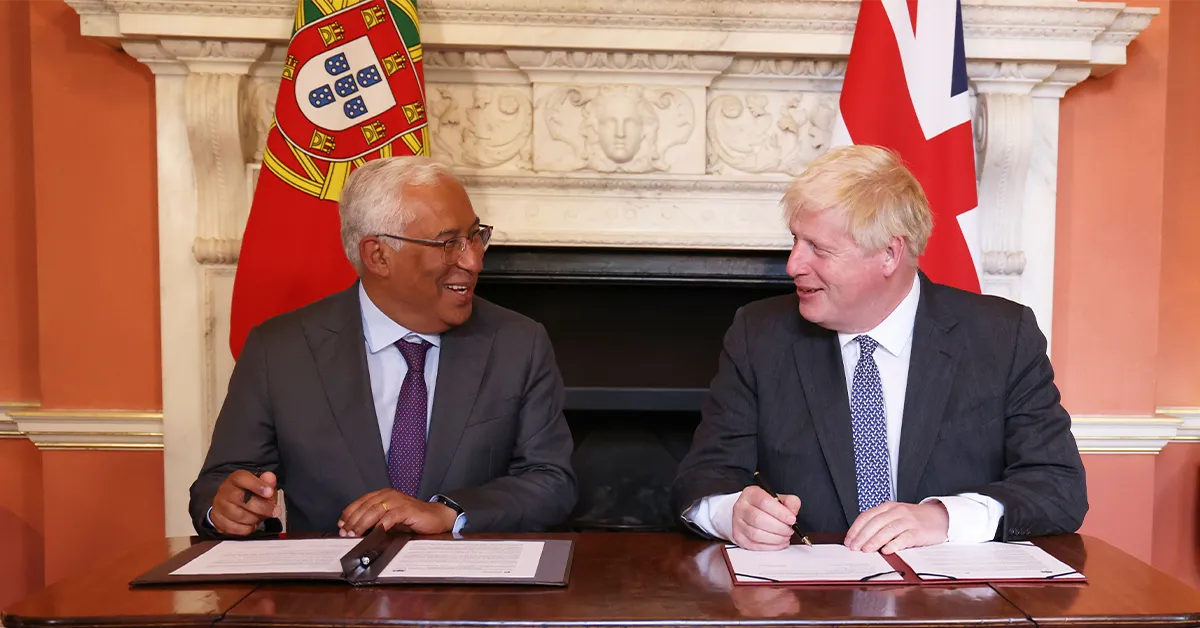
Portugal’s international relations reflect the role of a small country with far-reaching historical influence and a diplomatic network that spans the globe. As a founding member of NATO, a member of the European Union and the centre of the community of Portuguese-speaking countries, the country maintains a multilateral, peaceful and cooperative foreign policy. Understanding Portugal’s international relations helps readers grasp its global standing, its stability and the advantages its passport offers.
Detailed article onthe country of Portugal.
Message
Foundations of Portugal’s international relations
Portugal’s foreign policy is built on the principles of peace, multilateral cooperation and respect for international law. As a country with a maritime tradition and a history of global connections, diplomacy has always played an important role in its national direction.
Portugal pursues a balanced foreign policy centred on European integration, the transatlantic alliance and its special relationship with Portuguese-speaking countries. These three pillars shape all of the country’s diplomatic activity.
With its position as a gateway between Europe, Africa and the Americas, Portugal uses its geographical advantage to act as a bridge. The country is often seen as a trusted intermediary on many international issues.
Domestic political stability and a long diplomatic tradition help Portugal maintain a strong international reputation. The country actively participates in global peacekeeping and development cooperation efforts.
Considering a residency programme? The Prosperous Living Investment team assesses your profile free of charge and advises on the pathway that fits your goals.
Role in the European Union
Membership of the European Union (EU) is the most important pillar of Portugal’s foreign policy. The country joined the European Economic Community, the forerunner of the EU, in 1986, marking a turning point in its modernisation.
European integration brought huge investment, driving infrastructure and economic development. Portugal transformed itself with the bloc’s development funds, from an underdeveloped country into a high-income economy.
In 2002, Portugal was one of the first countries to adopt the euro, integrating more deeply into the single currency area. Being in the euro area brings monetary stability and makes trade within the bloc easier.
Portugal takes an active part in EU policymaking and has held the bloc’s rotating presidency several times. The country supports a united, open Europe with close cooperation between member states.
The transatlantic alliance and NATO
Portugal was one of the founding members of the North Atlantic Treaty Organization (NATO) in 1949. This status reflects the country’s commitment to collective security and the transatlantic alliance.
Portugal’s strategic geographical position, especially the Azores archipelago in the middle of the Atlantic, has important military value. For decades, the bases there have played a key role in defence cooperation with allies.
Portugal maintains strong relations with the United States and its NATO partners. The country takes part in the alliance’s joint missions and operations, contributing to efforts to ensure regional and international security.
Besides defence cooperation, relations with the United States also include trade, investment and cultural exchange. The large Portuguese-American community is also an important bridge between the two countries.
The Community of Portuguese Language Countries
A uniquely distinctive feature of Portugal’s international relations is its bond with the community of Portuguese-speaking countries. This is a legacy of the maritime empire era, connecting Portugal with many countries across the continents.
The community includes Brazil, Angola, Mozambique, Cape Verde, Guinea-Bissau and several other countries. A shared language and intertwined history create a special network of cultural, economic and political cooperation.
Brazil holds a particularly important place in this relationship, not only because of its size but also because of deep cultural closeness. Two-way migration between Portugal and Brazil is increasing, further enriching the bond.
Relations with the Portuguese-speaking African countries are also a priority, including development cooperation, education and trade. This network extends Portugal’s influence and role far beyond its modest geographical size.
Membership of international organisations
Portugal is an active member of many important international organisations, demonstrating its commitment to multilateralism. The country is a member of the United Nations and its specialised agencies.
Portugal is also a member of the World Trade Organization (WTO) and the Organisation for Economic Co-operation and Development (OECD). According to theOrganisation for Economic Co-operation and Development (OECD), Portugal is an open economy deeply integrated into the global trading and financial system.
The country contributes to United Nations peacekeeping missions and takes part in many international initiatives on sustainable development, climate change and human rights. This demonstrates Portugal’s responsible role.
Portuguese nationals have also held senior positions in international organisations, reflecting the country’s diplomatic prestige and capability. This presence strengthens Portugal’s voice and influence on the world stage.
Relations with regional partners
Besides the major alliances, Portugal maintains close bilateral relations with many countries. Relations with neighbouring Spain are especially important, despite periods of tension in history.
Today, Portugal and Spain cooperate closely in many fields, from the economy and infrastructure to security. The two Iberian countries share many common interests within the European Union.
Portugal is also expanding relations with Asian countries, including Vietnam, and with developing countries. Economic cooperation, trade and attracting investment have been priorities in recent years.
Its policies to attract international investment and talent reflect Portugal’s open outlook. The country welcomes foreigners who come to live, work and invest, seeing them as an important resource for development.
Passport and freedom of movement
One of the most practical benefits of Portugal’s international standing is the strength of its passport. As citizens of a European Union member state, Portuguese nationals enjoy many privileges.
The Portuguese passport allows freedom to travel, live and work in all EU member states. This is a huge advantage, opening the door to the entire European market and society.
In addition, the Portuguese passport allows visa-free or visa-on-arrival entry to a great many countries around the world. This makes it one of the most powerful passports in the world.
Because of these benefits, many foreigners want to become Portuguese citizens through residence and naturalisation routes. Freedom of movement and a solid international standing are a strong draw. Those interested can learn more aboutPortugal residency by investmentas a route towards this goal.
What it means for foreigners
Portugal’s solid international standing has many practical implications for foreigners. Political stability and a wide diplomatic network create a safe and reliable environment for long-term settlement.
European Union membership gives residents access to the labour market, education and healthcare across the bloc. This is an advantage unavailable in many countries outside Europe.
Diverse international relations also make business, investment and travel easier. Settlers can easily connect with global networks, taking advantage of Portugal’s position as a bridge.
For those aiming to become global citizens, Portugal’s international standing and prestige are an important plus. The country is not just a place to settle but a springboard to the world.
Summary
Portugal’s international relations demonstrate the role of a small country with influence and a global diplomatic network. With its three pillars of European integration, the transatlantic alliance and the community of Portuguese-speaking countries, the country maintains a solid international position.
Stability, diplomatic prestige and the strength of its passport make Portugal an attractive destination for foreigners. Understanding the country’s international standing helps readers assess the long-term benefits that settlement and naturalisation can bring in an increasingly connected world.
Accompanying you on your journey in residency investment
The Prosperous Living Investment team advises on pathways, assesses profiles and manages investments transparently for every residency, citizenship and international property objective.
Free profile assessmentWhere life gets prosperous