



In 2025, the Portugal Golden Visa programme retains its position as one of the most popular investment residence programmes in Europe.
Since its launch in October 2012, the programme has granted residence rights to more than 12,000 international investors and their relatives, attracting more than EUR 7.5 billion.
Also known as the Portugal Residence by Investment programme, the programme continues to bring many benefits in 2025, including freedom of movement within the Schengen Area and the right to live and work in Portugal.
In particular, unlike many other Golden Visa programmes, this programme provides a clear route to permanent residence and possible eligibility for Portuguese citizenship.
Message
What is the Portugal Golden Visa?
The Portugal Golden Visa programme, also known asthe residence permit for investment activity (ARI), is a residence-by-investment programme for non-EU nationals.
Portugal launched the programme in October 2012. The main objective was to attract international capital following the 2008 economic crisis. The programme has been a major success, bringing in more than EUR 7.5 billion to date.
Portugal has beautiful landscapes, a long coastline, a sunny climate, welcoming people and excellent food. More importantly, the quality of life is high with a very affordable cost of living. These factors make Portugal an attractive destination for international investors wishing to invest and obtain the right to live, work and study there.
Moreover, the Portugal Golden Residence Permit programme offers the opportunity to become a permanent resident or a citizen of Portugal after only 5 years.
Considering a residency programme? The Prosperous Living Investment team assesses your profile free of charge and advises on the pathway that fits your goals.
The benefits of the Portugal Golden Visa programme
Participants are eligible for residence with a minimum investment of EUR 250,000, one of the lowest investment thresholds in Europe. The Portugal residence-by-investment programme also brings other benefits:
Freedom of movement
The Portugal Golden Visa card allows entry to the Schengen Area without an additional visa.
Where eligible and where they decide to apply for Portuguese citizenship, the participant receives a Portuguese passport, allowing visa-free travel to 188 countries.
Living, working and studying in Portugal
The Portugal Golden Visa allows the holder to live, work and study in Portugal. Where the participant decides to live full-time in Portugal on the Golden Visa, they need health insurance. However, the participant has full access to public services, including healthcare and education.
State schools follow the Portuguese curriculum, but there are many private British and American international schools.
The work permit allows the holder to work anywhere, as well as to start and run a business in Portugal.
Family reunification
As the principal applicant, the participant may extend the Portugal Investment Visa to family members. The application process takes place at the same time for the principal applicant and dependants.
Citizenship and passport
The participant may apply for citizenship and hold a passport after 5 years of holding the Portugal Golden Visa.
On citizenship, the law currently provides that an applicant may be eligible after 5 years of lawful residence where the following conditions are met:
- No tax debts in Portugal,
- A clean criminal record in Portugal and the home country,
- Passing a basic Portuguese language test.

In 2025, the Portuguese Parliament passed an amendment to the Nationality Act which, once in force, will extend the general residence requirement for citizenship from 5 to 10 years (or 7 years for EU and CPLP nationals).
Tax advantages
The Portugal Investment Visa programme creates no tax liability where the participant spends fewer than 183 days in a year in Portugal. Where that is exceeded, the participant becomes a tax resident in Portugal.
Portugal has a favourable tax regime for foreign nationals who move there and become tax residents.
Although the non-habitual resident (NHR) programme no longer applies, the country still offers a competitive tax system for tax residents in Portugal.
Overall benefits
As a Portugal Golden Visa applicant, the participant has the right to live and work in Portugal but is not required to do so. The country offers a favourable tax regime where they decide to move there.
With the Golden Visa, the participant has freedom of movement within Europe’s Schengen area. After 5 years of holding the Golden Visa, the participant may apply for Portuguese permanent residence. After that, once the required number of years has been reached, the participant may apply for citizenship, leading to a passport.
A Portuguese passportallows the holder to live, work and study anywhere in the European Union.
Eligibility for the Portugal Golden Visa
Requirements for the principal applicant
The Portugal Golden Visa requirements for the principal applicant are set out below:
- Any non-EU/EEA/Swiss national may apply for the Portugal Golden Visa.
- The minimum age is 18.
- A clean criminal record in the home country and in Portugal.
- The source of the investment funds must come from outside Portugal.
- To be eligible for the Portugal Golden Passport, a qualifying investment must be made. The types of investment include venture capital funds, company formation/job creation commitments and donations. A later section of this guide lists the qualifying investments.
Family members
Under the family reunification policy, the participant may extend the Portugal Residence programme to the remaining family members:
- A spouse,
- Children under 18,
- Dependent children under 26, in full-time study and unmarried,
- The parents of the principal applicant, where over 65.
Portugal Golden Visa investment options
The Portugal Golden Visa programme offers a range of investment options. The options currently available in 2025 are set out below:
| Investment option | Minimum investment |
|---|---|
| Fund investment | EUR 500,000 (around USD 584,475) |
| Company formation | • Create at least 10 full-time jobs • A minimum investment of EUR 500,000 in an existing Portuguese business |
| Donation | • A minimum of EUR 500,000 for the preservation of national heritage (around USD 292,237) • A minimum of EUR 500,000 in research and development activity (USD 584,475) |
Fund investment
Subscribe a minimum of EUR 500,000 to an eligible Portuguese fund. Eligible funds include private equity funds and venture capital funds in Portugal with no direct or indirect connection to property.
Company formation
Create at least 10 new full-time jobs in a Portuguese business owned by the principal applicant.
→ Create at least 8 new full-time jobs in a Portuguese business established in a low-density area.
A minimum investment of EUR 500,000 in an existing Portuguese business, which must create at least 5 new full-time jobs for at least 3 years.
Donation
Also known as the Portugal Cultural Golden Visa, the donation option comprises:
A minimum investment of EUR 250,000 for the preservation of national heritage in Portugal (the minimum investment is reduced to EUR 200,000 in a low-density area)
A minimum investment of EUR 500,000 in research and development activity in Portugal.
Investment options no longer available
Since October 2023, the programme has no longer accepted the purchase of property or property-related funds as a qualifying investment.
Requirements for holding and maintaining the Portugal Golden Visa
Minimum stay
The Portugal Golden Visa programme has a low stay requirement. Portugal requires Golden Visa residents to spend an average minimum of 7 days a year in the country.
| Permit type | Period of validity | Stay requirement |
|---|---|---|
| The initial GV residence card | 2 years | 14 days over 2 years |
| Subsequent GV residence cards | 2 years | 14 days over 2 years |
Important note: since April 2020, the initial residence card has been valid for 2 years (previously 1 year), and subsequent cards are also valid for 2 years each. This is the result of a legislative change in Portuguese immigration law.
Where this change is permanent, an initial card valid for 2 years requires the holder to spend at least 14 days in Portugal over those 2 years.
Subsequent renewal cards are then also valid for 2 years each and the applicant needs to spend at least 14 days in Portugal over the 2 years.
Maintaining the qualifying investment for 5 years
The participant needs to provide evidence of having made the required minimum investment individually. As the principal applicant, the participant must maintain the investment throughout the period in which the participant and dependants hold Golden Visa residence status.
On becoming a permanent resident or a citizen of Portugal, the investment no longer needs to be maintained. At that point the participant may liquidate the investment made.

Documents required for the Portugal Golden Visa
The participant needs to provide the following documents to apply to the Portugal Golden Visa programme:
- A copy of the passport or other government-issued travel document
- Evidence of the qualifying investment made individually by the principal applicant:
- For a fund investment, evidence of the fund subscription from the fund manager.
- A statement from a Portuguese financial institution confirming the transfer of funds
- Evidence of health insurance:
- Where in Portugal, from the Portuguese National Health Service
- Where outside Portugal, from an international insurance company
- A criminal record certificate from the current country of residence
- Must be issued within 3 months of the date of application.
- A completed form authorising SEF to access the criminal record in Portugal
- A sworn declaration undertaking to comply with the minimum investment requirement for the required period of 5 years
- Documents evidencing good standing with the Portuguese Tax and Customs Authority & the Social Security system
- Must be issued within 45 days of the date of application.
- The receipt for payment of the ARI application
Unless otherwise provided, it is best for documents to be issued within 3 months of the date of the Golden Visa application.
Legalising documents
All the documents above issued by a non-Portuguese entity need to be legalised. Legalisation must bear an apostille where the country concerned is party to the Hague Convention.
Translating documents
Any original document not in Portuguese needs to be translated into Portuguese and certified. Certification is usually carried out by a notary.
Fees involved
The table of government application fees for the Portugal Golden Visa programme is set out below:
| Fee type and payment | Fee type | Frequency | Amount |
|---|---|---|---|
| Processing fee | Once initially and on each renewal | EUR 773.74 per applicant (+EUR 83 per dependant) | |
| Initial card issue fee | Once initially | EUR 7,730 per person | |
| Renewal fee | On each renewal | EUR 3,866 per person | |
| Legal fees | Paid in stages | Varies with the law firm and the type of investment |
A bank account and NIF number
Portugal requires the principal applicant to invest through a bank account in Portugal. The applicant must therefore have aPortuguese bank account. The applicant must also have a NIF number, the tax identification number in Portugal, in order to open an account.
Obtaining a NIF number and opening a bank account in Portugal are both fairly straightforward. Both can be completed in half a day.
Obtaining a NIF number
- Obtain proof of address from the country of residence.
- Bring government-issued identification and proof of address to a Finanças office in Portugal.
- Receive the NIF number within an hour.
The applicant may also authorise a lawyer, who completes this step without the applicant needing to be present in Portugal.
Opening a Portuguese bank account
Unlike in many countries, Portuguese banks make it very easy for non-residents and foreign nationals to open an account. Bank charges and maintenance fees are also low compared with the rest of Europe. Simply follow these steps:
Documents required:
- A passport or government-issued travel document,
- The NIF number,
- A Portuguese telephone number,
- Proof of address from the country of residence,
- Proof of income/payslips,
The process:
- Go to a bank branch and open the account.
Each law firm usually works closely with one or more banks and branches. It is best to seek their advice so that the process moves quickly.
The Portugal Golden Visa application process
The Golden Visa application process in Portugal is fairly straightforward. Where the necessary steps such as the investment, the legal formalities and the appropriate documents are carried out correctly, the participant will have a successful Portugal Golden Visa application. Check the steps below for greater clarity:
Step 1: Analyse and choose the programme
The first step is to analyse the list of investment types available and decide which type of investment to proceed with. Tip: the fund option has also become popular in recent years and has recently become the most common investment method.
Step 2: Gather all the necessary documents
The participant needs to gather all the necessary documents for themselves – the principal applicant – as well as for any dependants. This step can be somewhat tiring, particularly with translation, certification, apostilles and attestation. However, a professional adviser will help reduce the tedium.
Step 3: Obtain a NIF and open a bank account
As mentioned above, obtaining a NIF and opening a bank account in Portugal can almost always be completed in a day. This is a task that may be delegated to a lawyer to complete without being present in the country.
Step 4: Complete the investment
Once the type of investment has been chosen, it is time to make the payment and lock in the investment in Portugal.
Step 5: Submit the preliminary application
With the qualifying investment made and the paperwork ready, the participant submits a preliminary application online to SEF (the official website). In most cases, the law firm does this on their behalf and notifies them if anything is missing.
Under standard timings, it takes around two months from submitting the documents to the appointment date.
Step 6: Book and attend the SEF appointment
After analysing the preliminary application, SEF provides a list of available dates for the biometrics appointment. On the chosen appointment date, the applicant and dependants need to attend the relevant SEF office in person for fingerprinting and to formalise the application.
Step 7: Receive the Golden Visa and renew
The applicant and dependants receive their Golden Visa residence cards. The law firm or professional adviser collects the cards and sends them to the applicant. Each card is valid for 2 years, and at the end of that period the Golden Visa card is renewed to obtain a new card.
Under standard timings, it takes around 4 months from the biometrics appointment to receiving the card.
Step 8: Become a Portuguese citizen
After renewing the initial Golden Visa card twice and completing a total of 5 years*, the applicant is eligible to apply for Portuguese permanent residence or citizenship. A citizenship application usually takes from 6 months to a year.
Once permanent residence or citizenship is obtained, the investment in Portugal no longer needs to be maintained.
*As at the date of publication, the period required is 5 years but this may change. Applicants should check the law in force when they apply.
Portugal Golden Visa processing times
The initial application and supporting documents are submitted online tothe Portuguese Agency for Integration, Migration and Asylum (AIMA). AIMA is the official immigration and border authority in Portugal. Once they approve the application, the participant needs to attend an in-person interview.
There are many AIMA offices across Portugal, and the participant may apply at any office regardless of where the investment was made. This makes it possible to avoid districts with long waiting lists such as the SEF office in Lisbon. It may take up to 6 months for AIMA to approve and provide a biometrics date, provided it is not a high-demand location.
As the principal applicant, the applicant and all dependants may book AIMA appointments at the same time. After the in-person interview, the participant receives the Golden Visa card. It usually takes around 4 months to receive this residence card.
The residence clock starts running from the date the Golden Visa card is issued.
Note: AIMA was previously called the Foreigners and Borders Service (SEF) until the end of 2023. So where the abbreviation SEF is encountered, it most likely refers to AIMA.
| Timeframe | Stage | Process / action |
|---|---|---|
| – | 1. Submit the application online | Submit the application and documents to AIMA |
| Up to 6 months | 2. Approval & biometrics appointment | Await approval and book the in-person interview |
| 4 months after the interview | 3. Biometrics & card issue | Attend the interview and receive the Golden Visa card |
| 2 years | Years 1–2 | The first residence card is valid; spend 14 days in Portugal |
| – | Renewal | Renew 30–90 days before expiry |
| 2 years | Years 3–4 | The second residence card is valid; spend 14 days in Portugal |
| End of year 5 | Year 5* | Apply for permanent residence, citizenship or continue the Golden Visa |
*As at the date of publication, the period for eligibility for citizenship is 5 years but this may change. Applicants should check the law in force when they apply.
Years 1 and 2
The initial Golden Visa residence card is valid for 2 years. During these 2 years, the participant must spend a total of 14 days in Portugal.
At the end of this period, the residence permit needs to be renewed. Between 30 and 90 days before the card’s expiry date, the AIMA appointment above must therefore be repeated in order to renew the card. To renew, updated documents (for example, a criminal record certificate) must be resubmitted, biometrics taken and the necessary application processing fee paid.
Years 3 and 4
The renewed Golden Visa residence card is valid for 2 years. During those 3 years, at least 14 days must be spent in Portugal.
Year 5
Once the card is renewed again for a further 2-year period and a year has passed, at the end of the fifth year the participant has three options:
- Apply for permanent residence in Portugal
- Apply for Portuguese citizenship*
- Continue with the temporary Golden Visa residence programme
Where the decision is to become a permanent resident or a citizen of Portugal, the Golden Visa investment made in the country no longer needs to be maintained.
The application, stay and renewal requirements above always apply to all Golden Visa card holders, including the principal applicant and dependants.
The costs of the Portugal Golden Visa programme
Beyond the minimum investment and the necessary fees relating to the investment asset transaction, the participant encounters legal fees and government application fees. A detailed list of all the costs involved, in euros, is set out below.
Government fees
| Applicant type | Processing fee | Initial card issue | Renewal fees (2 renewals) | Total over 5 years |
|---|---|---|---|---|
| Individual | 773,74 | 7,730 | 7,732 | 16,235,74 |
| Couple | 856,74 | 15,460 | 15,464 | 31,780,74 |
| A family of 4 | 1,022,74 | 30,920 | 30,928 | 62,870,74 |
Legal fees
Legal fees depend on the law firm chosen. The Portugal Golden Visa investment is fairly large, so it is best to entrust it to a law firm with experience of handling due diligence as well as the application and renewal process. Legal fees may add up to a considerable sum, but it is best not to take a risk with a newcomer to this field.
The costs and fees for the Portugal Golden Visa programme in 2025 may fall between EUR 10,000 and EUR 30,000 for a family of 4, calculated over the whole 5-year period. The good thing is that the whole amount is not payable in advance but in instalments as tasks are completed over the first 5 years.
We are very happy to point you towards a number of law firms with varying experience in the Portugal Golden Visa field.
Costs relating to the investment
Depending on the preferred type of investment, the associated costs vary. The table below sets out the costs relating to the most common type of investment: fund investment.
| Cost type | Details |
|---|---|
| Minimum investment | €500.000 EURO |
| Exit fee | 0% |
| Commission | 0% |
| Performance fee | 35% of profits |
| Management fee | 1.5% a year |
| Legal fees | Varies |
| Total (approximate, excluding exit fees, management fees or legal fees) | €500.000 EURO |
- Varies by fund; the performance fee is usually between 20 and 50% of profits above the hurdle
- Varies by fund; the annual management fee is usually between 1% and 2% of the amount invested
- Legal fees vary considerably between law firms, the number of dependants and other variables; they do not differ greatly between the various investment routes
Comparing Portugal Golden Visa costs: the fund route against the donation route
| Features | The fund route (EUR) | The donation route (EUR) |
|---|---|---|
| Investment amount | $500,000 | $250,000 |
| Legal fees (5 years) | $15,000–$20,000 | $15,000–$20,000 |
| Fund subscription fee (1–3%) | $10,000 | 0 |
| Document handling | $1,000 | $1,000 |
| Health insurance (5-year total) | $0–$2,000 | $0–$2,000 |
| Bank & other fees | $500 | $500 |
| Total variable fees, estimated | $28,500 | $18,500 |
| Total excluding the investment | $28,500 | $18,500 |
| Total capital required (including the investment) | $528,500 | $268,500 |
What tax applies to the Portugal Golden Visa programme?
An overview of tax
Tax residence and legal residence are two different concepts. Becoming a Portugal Golden Visa holder does not necessarily make the participant a Portuguese tax resident.
Even as merely a legal resident, the participant still pays tax relating to the investment in Portugal, provided the investment generates income.
Where the decision is to become a Portuguese tax resident, the participant needs to spend more than 183 days in Portugal in a tax year.
The Non-Habitual Resident (NHR) tax scheme
The participant may have heard of the NHR scheme in Portugal, which ended in 2024. The scheme once brought considerable tax savings to foreign nationals in qualifying professions who intended to move their tax residence to Portugal.
The scheme began in 2009 and currently has more than 10,000 participants. At the end of 2023, the scheme closed to new applicants, while existing non-habitual residents were unaffected.

Portugal Golden Visa statistics
A detailed article onPortugal Golden Visa statistics.
From 08/10/2012 to 30/09/2023, the total number of principal applicants reached 12,718 with 20,424 accompanying dependants. These applications brought around EUR 7.3 billion of global capital into Portugal.
Investment type
- Property with a minimum value of 500,000: 9,398 residence permits
- Urban regeneration property at 350,000: 1,783 residence permits
- Capital transfer: 1,193 residence permits
- Capital transfer into a Portuguese bank: 549 residence permits
- Investment funds: 617 residence permits
- Capital transfer + job creation: 8 residence permits
- Donations to Portuguese cultural heritage: 13 residence permits
- Donations to research activity: 1 residence permit
- Creation of 10 full-time jobs: 22 applications
Frequently asked questions (FAQ)
No, the Portugal Golden Visa is not ending. However, the programme changed at the end of 2023. Under the Portuguese Parliament’s “Mais Habitação” proposal, applicants are no longer permitted to apply for the Portugal Golden Visa through the purchase of property, capital transfer or investment in funds with a direct/indirect connection to property. Other investment routes such as a EUR 500,000 investment in a fund unconnected to property continue.
It depends on the investor’s criteria and a number of variables. However, for those seeking European citizenship, the Portugal Golden Visa stands out against the Italian and Greek Golden Visas. Conversely, where the main objective is residence with no minimum stay requirement, the participant may prefer the Greek or Italian Golden Visa programme.
Golden Visa application waiting times change constantly and depend largely on the overall waiting times at AIMA (formerly SEF). Currently, it takes around a year or more from making the investment to receiving the Golden Visa residence card. However, this may change in 2025.
It is possible. However, the participant is making a large investment in order to obtain the Portugal Golden Visa. It is therefore strongly recommended to use a professional adviser and legal representation when taking part in the programme.
Engaging a lawyer to file a Golden Visa application is not mandatory; however, it is advisable to have a local Portuguese lawyer supporting the application process.
Holding a Portugal Golden Visa does not automatically make the participant a Portuguese tax resident. Unless they become a Portuguese tax resident, no tax is payable on income from outside Portugal. However, income within Portugal must be declared in Portugal and tax paid on that income. Thanks to Double Taxation Agreements, the same income is not taxed more than once.
No. Where the investor does not spend 183 days or more in a year in Portugal, the investor is not a resident. In that case, the investor does not pay tax in Portugal on worldwide income, other than income arising in Portugal.
Portugal has a low cost of living compared with the rest of Europe.
No, registering or making Social Security contributions in Portugal is not mandatory. However, private health insurance is needed to cover medical costs in Portugal.
Portugal does not require the holder to live full-time in the country where they hold a Golden Visa. Only at least 7 days a year need be spent in Portugal. Otherwise, the holder may live in their country of origin or anywhere else they wish to live.
The tax number in Portugal is called the NIF. The participant needs a NIF in order to carry out any official transaction in Portugal. This includes opening a Portuguese bank account, purchasing property, and so on.
The best way is the way that fits the participant’s particular criteria. In other words, it depends entirely on the investor and the investor’s needs. To date, the majority of Portugal Golden Visa investors have chosen to purchase property.
Yes, US citizens may apply for the Portugal Golden Visa. The process for Americans applying for the Golden Visa is fairly straightforward, with no restriction based on nationality.
There are a number of different venture capital funds with varying investment strategies and characteristics on the market that qualify for a Portugal Golden Visa application. For a comprehensive list of the funds and their details, please contact us.
Yes, the Portugal Golden Visa leads to citizenship indirectly. Once the required number of years on the Golden Visa has been reached, the participant is eligible to apply for citizenship.
The participant is eligible to apply for Portuguese citizenship at the end of the fifth year as a Golden Visa holder. Once naturalised as a citizen, the participant may obtain a passport immediately.
As at the date of publication, eligibility for citizenship arises after 5 years of residence, although this period may change. Applicants should verify the law in force when they apply.
The participant may make a qualifying investment to obtain a Portuguese temporary residence permit through the Portugal Golden Visa. Once they hold the Golden Visa, provided the minimum investment is maintained for 5 years, the participant has the right to apply for naturalisation in Portugal.
Yes, Portugal permits dual citizenship.
Assuming the participant will apply for Portuguese citizenship through the Portugal Golden Visa, it depends on the qualifying investment chosen. For a full list of these options, the participant may check above in this article.
No language test is required to obtain the Golden Visa. However, where permanent residence or citizenship is applied for later (after 5 or 10 years), the participant needs to pass a basic Portuguese test at level A2. This means being able to read, write and speak simple Portuguese. The participant may prepare through an online course or with support from the embassy.
Yes, Portugal allows Golden Visa applicants to include a same-sex partner in the programme through family reunification.
Yes, Portugal’s level of LGBT-friendliness is high compared with other European countries. There is supportive legislation and a high level of social acceptance of the community.
The first Golden Visa card is valid for 2 years; the participant should meet the stay requirement of 14 days over the 2 years. The Golden Visa residence card may then be renewed, and subsequent cards are valid for 3 years each. During those 3 years, at least 21 days should be spent in Portugal. Provided the investment is maintained, the participant may renew the Golden Visa card as many times as they wish.
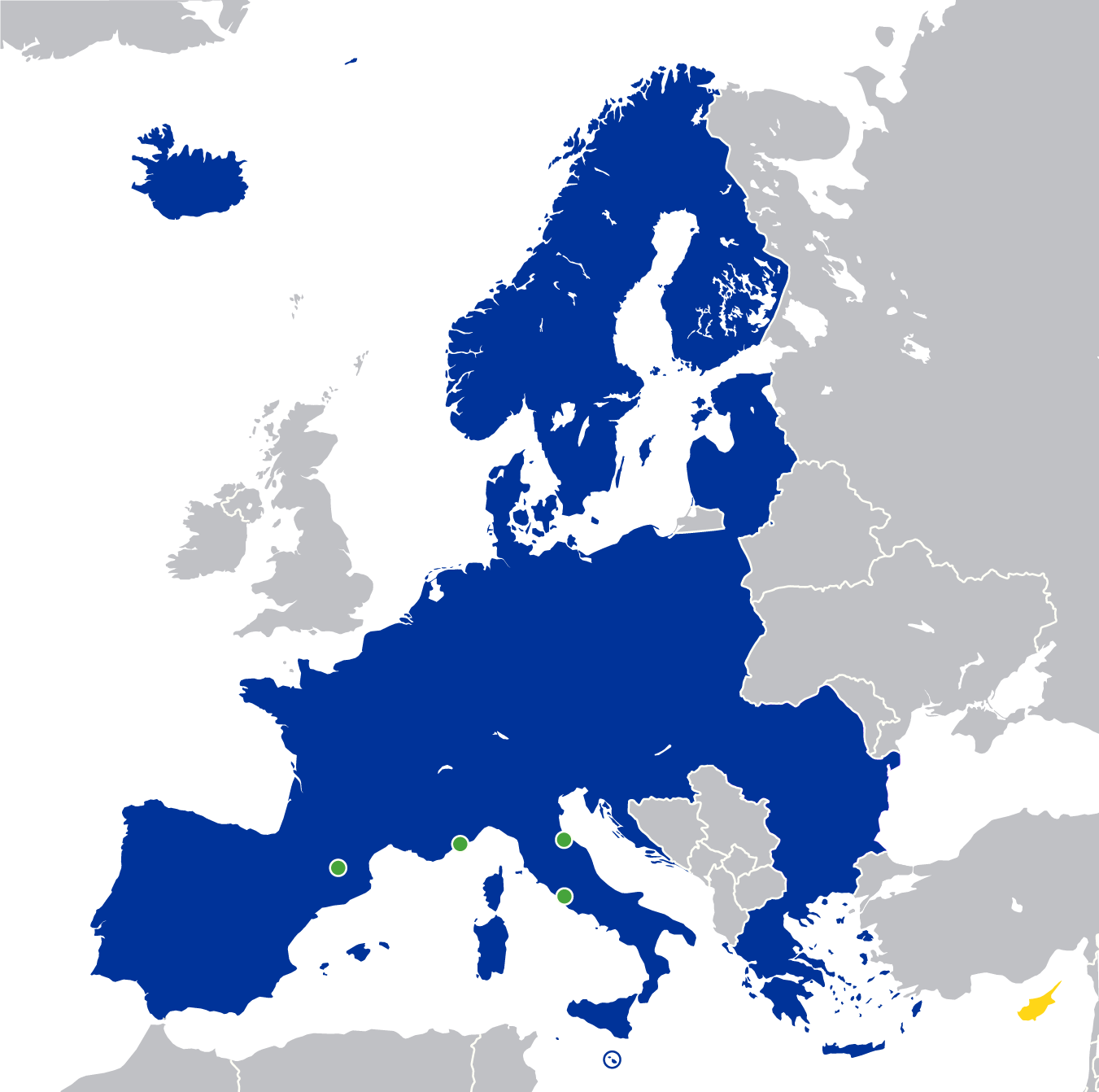
The 26 Schengen countries are Austria, Belgium, the Czech Republic, Denmark, Estonia, Finland, France, Germany, Greece, Hungary, Iceland, Italy, Latvia, Liechtenstein, Lithuania, Luxembourg, Malta, the Netherlands, Norway, Poland, Portugal, Slovakia, Slovenia, Spain, Sweden and Switzerland.
At that point, as a Golden Visa holder, the participant has three options: (1) continue with the Portugal Golden Visa, (2) become a permanent resident, or (3) become a Portuguese citizen. Where the choice is to become a permanent resident or a citizen of Portugal, the participant may sell or liquidate the investment as they wish. The investment need only be retained where the decision is to continue with the temporary Golden Visa residence programme.
Yes, entirely.
The most popular route for the Portugal Golden Visa was previously property investment. Currently, the most popular investment vehicle is investment in an eligible fund. The participant may find the number of applications and the preferred routes in detail in the Statistics section above.
There are many ways to obtain Portuguese permanent residence. The Portugal Golden Visa is one of the most popular.
5 years after starting the Golden Visa programme, the participant is eligible for Portuguese permanent residence.
Comparing the Greek and Portuguese Golden Visa programmes, there are a number of similar benefits. Freedom of movement in Europe, eligibility for citizenship and the ability to include family are among them.
Accompanying you on your journey in residency investment
The Prosperous Living Investment team advises on pathways, assesses profiles and manages investments transparently for every residency, citizenship and international property objective.
Free profile assessmentWhere life gets prosperous