



Canadian permanent residence gives the holder many of the same rights and obligations as a Canadian citizen.
Permanent resident status can, however, also be revoked, carries conditions that must be maintained, and provides a route to becoming a Canadian citizen.
Contents
Overview
Detailed article onCanadian permanent residents.
A Canadian permanent resident (Canada PR) is a person who has been granted the right to live in Canada permanently through immigration, although they are not a Canadian citizen. This means they are a citizen of another country but hold many of the same rights and privileges as a Canadian citizen.
Permanent resident status in Canada is granted and administered by Immigration, Refugees and Citizenship Canada (IRCC).
If a person is in Canada as a new permanent resident, they may use their Confirmation of Permanent Residence (COPR) or e-COPR to confirm their new permanent resident status until the permanent resident card arrives. Once the permanent resident card is received, it becomes the official government identity document proving their status in the country.

Considering a residency programme? The Prosperous Living Investment team assesses your profile free of charge and advises on the pathway that fits your goals.
What is a permanent resident card?
Detailed article onThe Canadian permanent resident card (Canada PR Card).
The Canadian permanent resident card (PR Card) is an identity document issued byImmigration, Refugees and Citizenship Canada (IRCC), carrying a person’s photograph and their permanent resident status. The card allows a Canadian permanent resident to prove their status both inside Canada and when re-entering the country after travelling abroad.
Rights of a Canadian permanent resident
Detailed article onRights of a Canadian permanent resident.
In Canada, permanent residents enjoy many of the same rights as Canadian citizens. They may:
- Use most social benefits available to Canadian citizens, such as health insurance cover.
- Live, work and study anywhere in Canada.
- Apply for Canadian citizenship and enjoy the rights and protections of the Canadian Charter of Rights and Freedoms.
As permanent residents in Canada, however, they must still pay tax and comply with all applicable federal, provincial and municipal laws.
Notably, there are certain things only Canadian citizens are entitled to do that permanent residents may not do in Canada:
- Vote in political elections (provincial or federal).
- Hold certain jobs requiring high-level security clearance.

Maintaining permanent resident status
To maintain permanent resident status, a person must accumulate at least 730 days of residence in Canada within the past 5 years. These 730 days need not be continuous, and certain periods spent abroad may count towards the total.
To keep better track of time spent in Canada, a person may use the travel journal provided by Immigration, Refugees and Citizenship Canada (IRCC). Alternatively, they may ask a Canadian border officer for details when entering the country. Another way of tracking time spent in Canada is to apply for a new permanent resident card – the process also shows whether they remain eligible to continue as a permanent resident.
Importantly, permanent resident status does not expire when the permanent resident card expires. There are, however, certain things a person may do that cause them to lose permanent resident status in Canada. A permanent resident may lose their status if:
- A determination that they are not a permanent resident is made by an adjudicator following an inquiry or a Permanent Resident Travel Document (PRTD) appeal.
- They voluntarily renounce their permanent resident status.
- A removal order is issued against them and comes into force.
- They acquire Canadian citizenship.
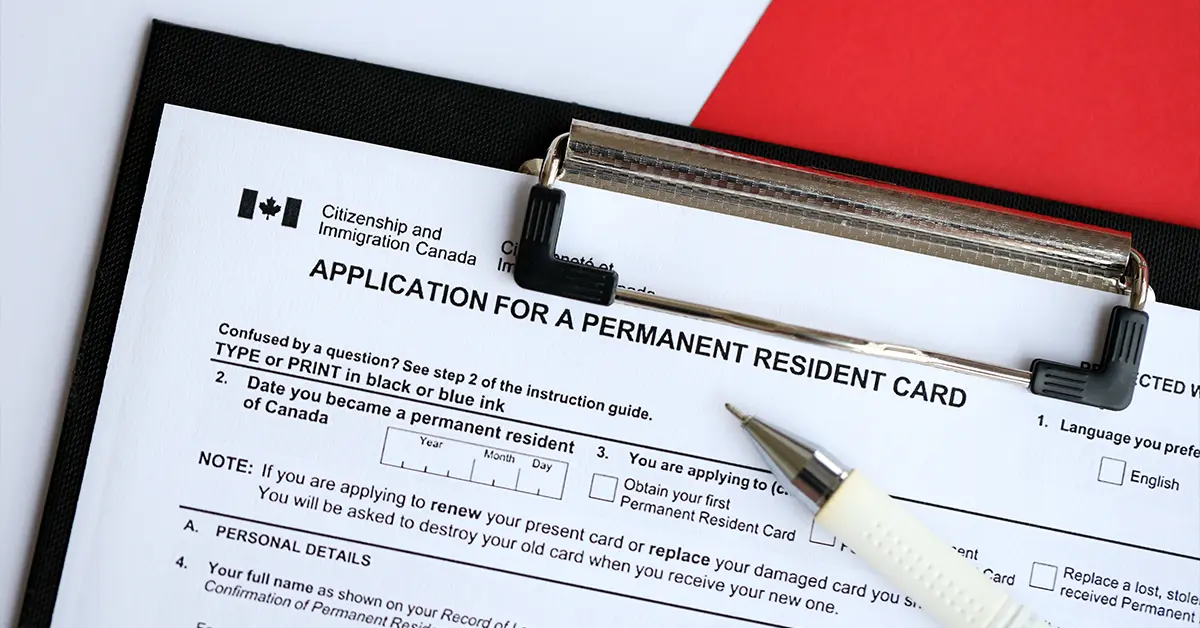
Renouncing permanent resident status
As a Canadian permanent resident, a person may wish to renounce their status in the country if:
- They wish to accept a diplomatic or official post with a foreign government.
- They wish to apply for citizenship or permanent residence in another country and renouncing Canadian permanent resident status is a precondition.
- They know they have been outside Canada for a long period and understand the consequences of failing to meet the residency obligation.
- They do not wish to wait for a visa officer to assess their permanent resident status. They wish to apply for a temporary resident visa or anElectronic Travel Authorisation (eTA).
- They wish to avoid delays when entering Canada.
- They no longer plan to live permanently in Canada.
Note:that a person does not need to renounce permanent resident status when becoming a Canadian citizen.
If a person chooses to renounce their permanent resident status voluntarily, they will no longer be considered a permanent resident of Canada from the date their application is approved by an officer. It is important to note that the officer’s decision is final and cannot be appealed to the Immigration Appeal Division (IAD). In addition, they will not be able to apply for Canadian citizenship; any application in progress will be refused automatically.
If a person decides to renounce their permanent resident status, their family members are not obliged to follow suit; they may continue to hold permanent resident status. It should be noted that once Immigration, Refugees and Citizenship Canada (IRCC) receives a person’s application to renounce permanent resident status, any active family sponsorship application they have submitted will be put on hold.
If their application is approved, any sponsorship application previously in progress will be refused automatically, as will any pending permanent residence applications from family members they have sponsored. In addition, processing fees will not be refunded.
How does a permanent resident voluntarily renounce their status?
There are also ways for a permanent resident to renounce their status in Canada voluntarily. Importantly, to be eligible to renounce permanent resident status, a person must be a current permanent resident of Canada and must remain a citizen or lawful permanent resident of another country. Where the person is under 18, their legal guardian must give written consent to the decision to renounce permanent resident status.
To apply to renounce permanent resident status, a person must complete the application document (IMM-5782e), and include all required copies of the necessary documents listed in the document checklist.
Once the application is complete, a person must submit it to the office set out in their application guide. To find out where to submit the application, a person may use the Immigration, Refugees and Citizenship Canada (IRCC) web tool here. Note that in these cases the complete application to renounce permanent resident status must be sent by post (hard copy) to the case processing centre listed.
Find out morein detail about the process of renouncing permanent resident statusordownload the checklist of required documents.
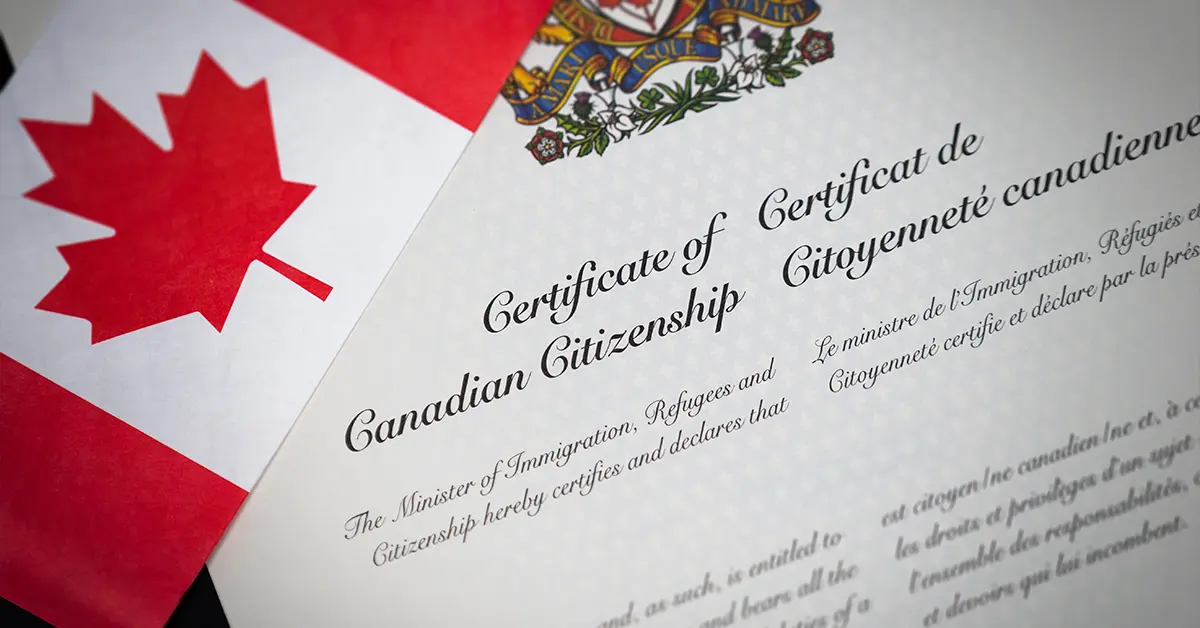
Applying for Canadian citizenship
Detailed article onCanadian citizenship.
The eligibility conditions for a Canadian permanent resident to apply for Canadian citizenship require that a person:
- Is a permanent resident.
- Has lived in Canada for at least 3 of the past 5 years.
- Has filed taxes where required.
- Has passed the test on the rights and responsibilities of Canadian citizens and on knowledge of the country.
- Is able to demonstrate their language proficiency.
The process for a permanent resident to apply for Canadian citizenship (where eligible) is straightforward. The applicant must submit the application online or on paper through the Immigration, Refugees and Citizenship Canada (IRCC) citizenship portal, or their respective office – and pay any associated application fees.
Once the application has been processed and approved, applicants (over 18) are required to register for and sit the citizenship test and interview, either online or in person. The test covers questions on Canadian history, geography, economy, government, law, symbols and much more, and can be prepared for in a number of ways.
On passing the test, successful applicants are invited to attend a citizenship ceremony and take the oath of citizenship (either online or in person), where they can swear the oath and complete their journey to becoming a Canadian citizen.
Accompanying you on your journey in residency investment
The Prosperous Living Investment team advises on pathways, assesses profiles and manages investments transparently for every residency, citizenship and international property objective.
Free profile assessmentWhere life gets prosperous