


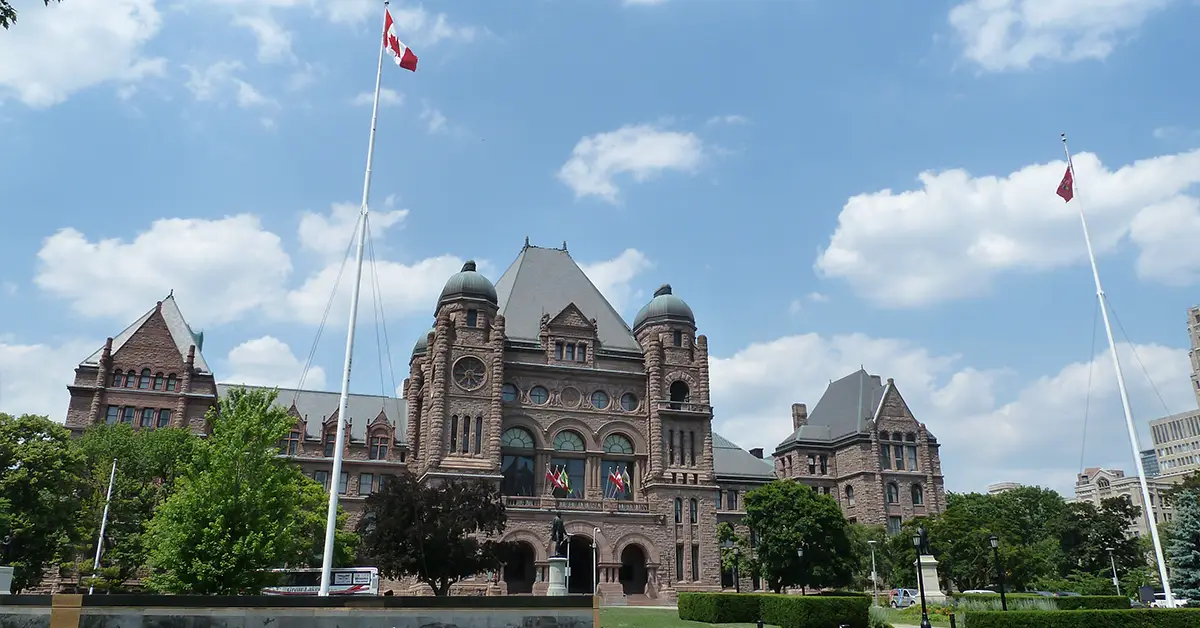
Ontario politics operates under a constitutional monarchy and Westminster-style parliamentary model, reflecting British colonial heritage and Canada’s long-standing democratic traditions. As the most populous province, this region plays a key role in national political life, with significant influence at both the provincial and federal levels.
For Vietnamese interested in immigration, understanding how the government system works helps in grasping the legal and social environment where they will live.
Detailed article introduction Ontario province.
Message
Overview of Ontario politics
The Ontario political system is built on the foundation of the Westminster parliamentary model, similar to Canada as a whole and other Commonwealth nations. This is a constitutional monarchy, in which the nominal head of state is the Monarch, represented at the provincial level by an official.
Actual power lies in the hands of the elected government, led by the Premier and the cabinet. This system is based on the principle of a government accountable to an elected legislature.
The government structure here clearly divides branches, ensuring a system of checks and balances. Understanding this model helps new arrivals grasp how decisions affecting their lives are made, from health and education policies to provincial immigration.
Considering a residency programme? The Prosperous Living Investment team assesses your profile free of charge and advises on the pathway that fits your goals.
Provincial government structure
The provincial government is organised into three branches, each assuming a distinct function while coordinating closely. This is the operating foundation of the entire Ontario political system.
The executive branch
The executive branch is responsible for administering and implementing policy. Nominally headed by the Lieutenant Governor, representing the Monarch at the provincial level, it holds a ceremonial and constitutional role.
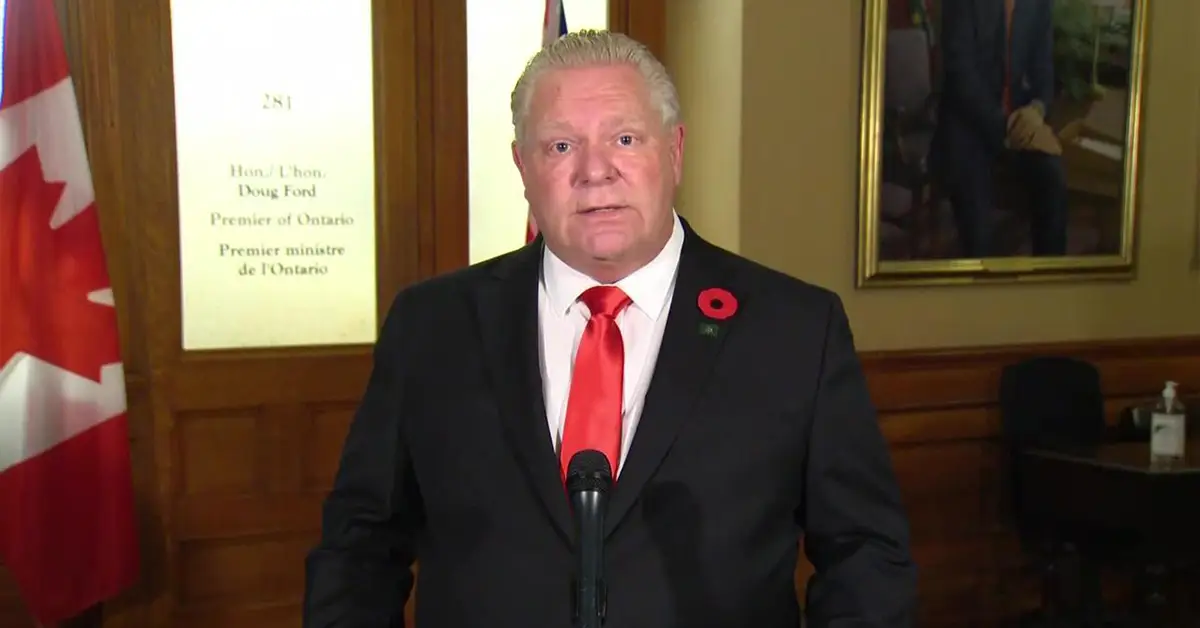
Actual executive power belongs to the Premier, the leader of the party holding the majority of seats in the legislature. The Premier and the cabinet, consisting of ministers, are responsible for planning and implementing policy in all areas under provincial jurisdiction.
The legislative branch
The legislative branch is the Legislative Assembly, an elected body with the duty of passing laws. Members are elected from constituencies across the province during general elections.
The party that wins the majority of seats forms the government, while the remaining parties act as the opposition. This body is where laws and budgets are debated, reviewed, and passed, reflecting the will of the voters.
The judicial branch
The judicial branch is independent, responsible for interpreting and applying the law. The court system here handles civil and criminal cases, ensuring justice is administered fairly and independently of political pressure.
Legislature and elections
The focus of the Ontario political system is the Legislative Assembly, where democratic power is most clearly expressed. This body operates on the principle of representation by constituency.
Voters in each constituency elect a representative to act on their behalf. The party that wins the most seats usually forms the government, and the leader of that party becomes the Premier. This system directly links the citizens’ votes to the formation of the government.
Provincial elections are held periodically, allowing voters to evaluate and re-select their leadership. Currently, the provincial government is led by Premier Doug Ford, who heads the majority party. The role of Lieutenant Governor is currently held by Ms Edith Dumont. The rotation of power through elections is a core feature of the democracy here.
Division of powers with the federal government
An important aspect of Ontario politics is the relationship with the federal government. Under Canada’s federal system, power is divided between the federal and provincial levels, each with its own jurisdiction.
The provincial government holds power in many areas that directly affect daily life, including health, education, natural resources, and part of immigration policy. This means many essential services are managed at the provincial level.
Meanwhile, the federal government is in charge of national issues such as defence, foreign affairs, currency, and overall immigration policy. This division sometimes leads to tension between the two levels, but generally creates a flexible multi-layered governance system. For Vietnamese immigrants, understanding which level manages which area helps in resolving administrative matters more effectively.
Role in federal politics
As the most populous province, this region has an outsized influence in Canadian federal politics. Population weight translates directly into political power at the national level.
According to information from Parliament of Canada, the province holds the largest number of seats in the federal House of Commons, with 122 out of a total of 343 seats. This makes election results here often decisive for national politics.
Because it concentrates the majority of voters and is an economic hub, federal political parties always focus on winning support in the province. This position gives the region’s voice special weight in shaping national policy, sometimes causing caution from other provinces.
The relationship between the provincial and federal governments is not always smooth, particularly regarding issues such as budget allocation, energy policy, or healthcare. However, dialogue and negotiation mechanisms between levels of government help resolve disagreements peacefully. This is a hallmark of the Canadian federal system, where power is balanced and shared between the central government and the member provinces.
Local government system
Below the provincial level is a comprehensive system of local government that manages practical, day-to-day issues. This is the level of government closest to the lives of residents.
The province is divided into municipalities, counties, and regional governments, each with its own elected council and mayor. Local government is responsible for services such as urban planning, water and sewage, waste collection, local policing, fire services, and local transport.
For new arrivals, local government is the first point of contact for many administrative procedures. Understanding which level manages which service helps resolve matters quickly and effectively. Residents can also participate in local council meetings to contribute their views on issues that directly affect the community where they live.
Political parties and political life
Political life at the provincial level revolves around the activities of major political parties. The multi-party system creates healthy competition and a diverse range of choices for voters.
At the provincial level, major parties frequently compete to form the government in each election. Each party represents different platforms and policies on the economy, healthcare, education, and social issues, allowing voters to choose according to their own perspectives.
The rotation of power between parties through elections is a sign of a mature democracy. A free press, open debate, and civil society oversight ensure transparency. For the Vietnamese community, this stable yet open political environment is one of the most valuable assets when choosing to settle in this region.
Significance for Vietnamese immigrants
For Vietnamese people considering immigration, understanding Ontario politics offers many practical benefits. A stable and democratic political environment is one of the attractive factors of Canada in general.
A transparent government system, strong rule of law, and well-managed public services create a safe and reliable living environment. Many provincial policies on healthcare, education, and support for immigrants directly affect the quality of life.
Furthermore, upon becoming a permanent resident and then a citizen, Vietnamese people can participate in political life, from voting to running for office. This participation is part of the process of deep integration into a new society. To learn more about the living environment, you should look into Ontario demographics.
Summary: A stable and democratic political system
Ontario politics operates under a stable Westminster parliamentary model, with a system of separation of powers, an elected legislature, and a vital role within the Canadian federation. The combination of long-standing democratic traditions and effective governance creates a reliable political environment.
For the Vietnamese community, stable politics, strong rule of law, and quality public services are key factors that reinforce the appeal of this region as an immigration destination. Understanding this system helps new arrivals integrate and make good use of their rights.
To complete the picture, you should read more about the history of Ontario and an overview Ontario province, thereby grasping a solid foundation for all decisions related to this land.
Accompanying you on your journey in residency investment
The Prosperous Living Investment team advises on pathways, assesses profiles and manages investments transparently for every residency, citizenship and international property objective.
Free profile assessmentWhere life gets prosperous