



The electronic Travel Authorisation (eTA) is the document issued to foreign nationals travelling to Canada without the intention of settling permanently.
Before the eTA system was introduced, visa-exempt foreign nationals seeking to enter Canada were not systematically screened for admissibility until they arrived at a Canadian port of entry.
Contents
Overview
The electronic Travel Authorisation (eTA) is issuedImmigration, Refugees and Citizenship Canada (IRCC)and is mandatory for most foreign nationals from countries whose citizens do not require a temporary resident visa (TRV) and who enter Canada by air.
Citizens of visa-exempt countries planning to travel to Canada by air are required to have applied for an electronic Travel Authorisation (eTA) before departing for Canada.
Exceptions to the eTA requirement for travel to Canada, regardless of nationality, include citizens of the United States, who need neither a TRV nor an electronic Travel Authorisation (eTA), and United States permanent residents.
Canada’s pre-approval system applies only to TRV-exempt individuals seeking to enter Canada by air without the intention of settling permanently (staying in Canada for more than 6 months is considered settling permanently).
Individuals who need an eTA to travel to Canada are required to provide certain personal details and answer a few basic questions relating to criminality or medical matters.
To complete the online form, applicants need:
- A valid passport from a visa-exempt country.
- A processing fee of $7.00 CAD.
- A valid email address.
The eTA is valid for 5 years from the date it is issued to the applicant, or until the earliest of the following dates, if any occurs before the end of that period:
- The date the applicant’s passport or other travel document expires.
- The date the electronic Travel Authorisation is cancelled.
- The date a new electronic Travel Authorisation is issued to the applicant.
The eTA includes the applicant’s name, date and place of birth, gender, address, nationality, and passport or travel document details. If the applicant is unable to apply through the electronic system because of a physical or mental disability, the application may be submitted by another means, including a paper form.
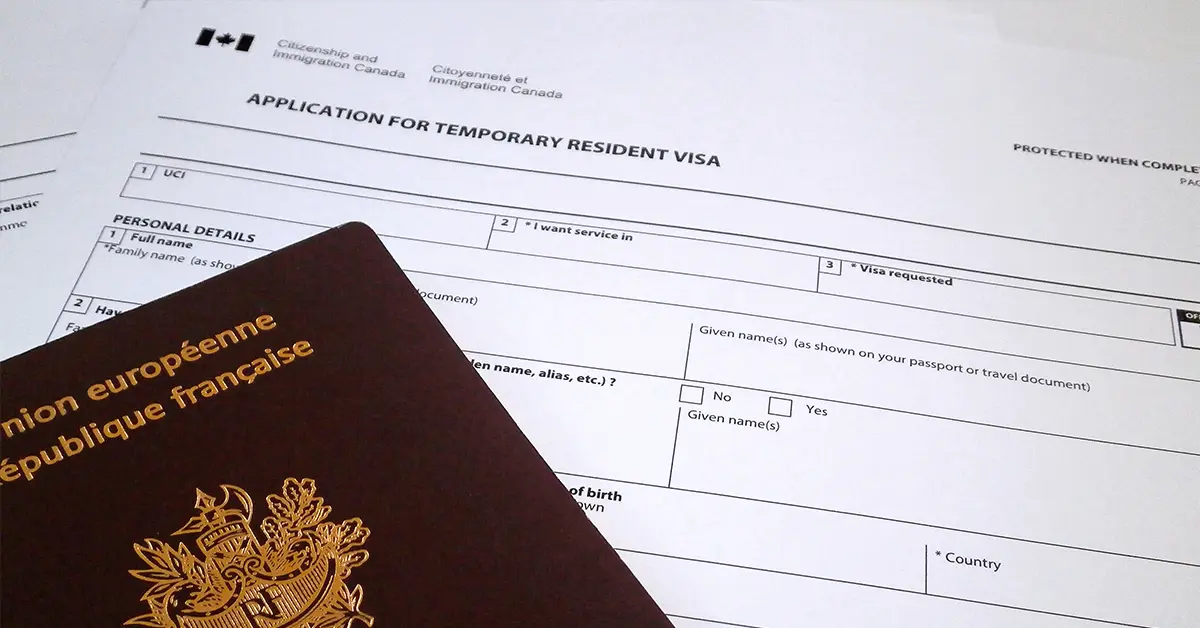
Considering a residency programme? The Prosperous Living Investment team assesses your profile free of charge and advises on the pathway that fits your goals.
Exceptions
A number of exceptions to the pre-travel authorisation requirement apply, including:
- Citizens of the United States.
- The Queen of Canada and any member of the British Royal Family
- Citizens of France who are residents of St. Pierre and Miquelon seeking to enter Canada directly from St. Pierre and Miquelon.
- Visitors, students and workers seeking to return to Canada after visiting only the United States or St. Pierre and Miquelon, provided they return to Canada before the end of the period of stay originally authorised or any extension of that period.
- Foreign nationals who are passengers on a flight stopping in Canada solely to refuel and who meet one of the following requirements:
- Holding valid documents for entry to the United States, with the flight bound for that country.
- Having been lawfully admitted to the United States, with the flight departing from that country.
- Foreign nationals who are passengers on a flight that makes an unscheduled stop in Canada because of an emergency or other unforeseen circumstances.
- Foreign nationals seeking to transit through Canada under the Transit Without Visa Program or the China Transit Program.
- Foreign nationals holding a diplomatic passport, consular acceptance or official acceptance issued by the Chief of Protocol of the Department of Foreign Affairs and International Trade on behalf of the Government of Canada, who are properly accredited diplomats, consular officers, representatives or officials of a country other than Canada, of the United Nations or any of its agencies, or of any international organisation of which Canada is a member.
- Foreign nationals seeking to enter and remain in Canada if they:
- Are, or are becoming, a member of the crew of a means of transport that may be used for air transport.
- Are transiting through Canada after having worked, or in order to work, as a member of the crew of a means of transport that may be used for air transport, provided they hold a ticket to leave Canada within 24 hours of arriving in Canada.
- Foreign nationals seeking to enter and remain in Canada solely to carry out official duties as a member of the armed forces of a country designated under the Visiting Forces Act, unless they are designated under that Act as a civilian component of those armed forces.
- Foreign nationals seeking to enter and remain in Canada solely to inspect the flight operations or safety procedures of a commercial air carrier operating international flights, provided they are a civil aviation inspector of a national aeronautical authority and hold valid documents confirming this.
- Foreign nationals seeking to enter and remain in Canada solely to take part as an accredited representative or adviser in an aviation accident or incident investigation conducted under the Canadian Transportation Accident Investigation and Safety Board Act, provided they hold valid documents confirming this.

Conditional countries
Citizens of certain countries may be eligible for an eTA if they meet all 3 of the following conditions. Otherwise, they will need a TRV to travel to Canada.
To be eligible for an eTA, these travellers must:
- Have held a Canadian visitor visa (temporary resident visa) in the past 10 years, or currently hold a valid United States non-immigrant visa.
- The United States non-immigrant visa must be valid on the date the applicant applies for the eTA, but it does not need to be valid when they travel to Canada.
- Be travelling to Canada for a short visit, business activity or tourism (usually for a stay of up to 6 months).
- Enter Canada by air, or transit through a Canadian airport, using a valid passport from one of the eligible visa-required countries.
The conditional eTA eligibility rules apply to citizens of the following countries:
- Antigua and Barbuda
- Argentina
- Brazil
- Costa Rica
- Mexico
- Morocco
- Panama
- Philippines
- St. Kitts and Nevis
- St. Lucia
- St. Vincent and the Grenadines
- Seychelles
- Thailand
- Trinidad and Tobago
- Uruguay

The electronic Travel Authorisation (eTA) by country
A TRV is required for citizens of certain countries. The chart below sets out who needs a TRV and who needs an eTA to enter Canada.
| Country | Required documents |
|---|---|
| Afghanistan | TRV |
| Albania | TRV |
| Algeria | TRV |
| Andorra | eTA |
| Angola | TRV |
| Anguilla | eTA |
| Antigua & Barbuda | TRV/eTA |
| Argentina | TRV/eTA |
| Armenia | TRV |
| Australia | eTA |
| Austria | eTA |
| Azerbaijan | TRV |
| Bahamas | eTA |
| Bahrain | TRV |
| Bangladesh | TRV |
| Barbados | eTA |
| Belarus | TRV |
| Belgium | eTA |
| Belize | TRV |
| Benin | TRV |
| Bermuda | eTA |
| Bhutan | TRV |
| Bolivia | TRV |
| Bosnia-Herzegovina | TRV |
| Botswana | TRV |
| Brazil | TRV/eTA |
| Brunei | eTA |
| Bulgaria | eTA |
| Burkina Faso | TRV |
| Burundi | TRV |
| Cambodia | TRV |
| Cameroon | TRV |
| Cape Verde | TRV |
| Central African Republic | TRV |
| Chad | TRV |
| Chile | eTA |
| China | TRV |
| Colombia | TRV |
| Comoros | TRV |
| Congo, Democratic Republic | TRV |
| Congo, Republic of | TRV |
| Costa Rica | TRV/eTA |
| Croatia | eTA |
| Cuba | TRV |
| Cyprus | eTA |
| Czech Republic | eTA |
| Denmark | eTA |
| Djibouti | TRV |
| Dominica | TRV |
| Dominican Republic | TRV |
| Ecuador | TRV |
| Egypt | TRV |
| El Salvador | TRV |
| Equatorial Guinea | TRV |
| Eritrea | TRV |
| Estonia | eTA |
| Ethiopia | TRV |
| Fiji | TRV |
| Finland | eTA |
| France | eTA |
| Gabon | TRV |
| Gambia | TRV |
| Georgia | TRV |
| Germany | eTA |
| Ghana | TRV |
| Greece | eTA |
| Grenada | TRV |
| Guatemala | TRV |
| Guinea | TRV |
| Guyana | TRV |
| Haiti | TRV |
| Honduras | TRV |
| Hungary | eTA |
| Iceland | eTA |
| India | TRV |
| Indonesia | TRV |
| Iran | TRV |
| Iraq | TRV |
| Ireland | eTA |
| Israel (passport holders) | eTA |
| Israel (holders of travel documents in lieu of passports) | TRV |
| Italy | eTA |
| Ivory Coast | TRV |
| Jamaica | TRV |
| Japan | eTA |
| Jordan | TRV |
| Kazakhstan | TRV |
| Kenya | TRV |
| Kiribati | TRV |
| Korea, North | TRV |
| Korea, South | eTA |
| Kosovo | TRV |
| Kuwait | TRV |
| Kyrgyzstan | TRV |
| Laos | TRV |
| Latvia | eTA |
| Lebanon | TRV |
| Lesotho | TRV |
| Liberia | TRV |
| Libya | TRV |
| Liechtenstein | eTA |
| Lithuania | eTA |
| Luxembourg | eTA |
| Macao | TRV |
| Macedonia | TRV |
| Madagascar | TRV |
| Malawi | TRV |
| Malaysia | TRV |
| Maldives | TRV |
| Mali | TRV |
| Malta | eTA |
| Mauritania | TRV |
| Mauritius | TRV |
| Mexico | TRV/eTA |
| Moldova | TRV |
| Monaco | eTA |
| Mongolia | TRV |
| Montenegro | TRV |
| Morocco | TRV/eTA |
| Mozambique | TRV |
| Myanmar | TRV |
| Namibia | TRV |
| Nepal | TRV |
| Netherlands | eTA |
| New Zealand | eTA |
| Nicaragua | TRV |
| Niger | TRV |
| Nigeria | TRV |
| Norway | eTA |
| Oman | TRV |
| Pakistan | TRV |
| Palau | TRV |
| Panama | TRV/eTA |
| Paraguay | TRV |
| Peru | TRV |
| Philippines | TRV/eTA |
| Poland | eTA |
| Portugal | eTA |
| Qatar | TRV |
| Romania | eTA |
| Russia | TRV |
| Rwanda | TRV |
| San Marino | eTA |
| Sao Tome e Principe | TRV |
| Saudi Arabia | TRV |
| Senegal | TRV |
| Serbia | TRV |
| Seychelles | TRV/eTA |
| Sierra Leone | TRV |
| Singapore | eTA |
| Slovakia | eTA |
| Slovenia | eTA |
| Somalia | TRV |
| South Africa | TRV |
| Spain | eTA |
| Sri Lanka | TRV |
| St. Kitts & Nevis | TRV/eTA |
| St. Lucia | TRV/eTA |
| St. Vincent and the Grenadines | TRV/eTA |
| Sudan | TRV |
| Surinam | TRV |
| Swaziland | TRV |
| Sweden | eTA |
| Switzerland | eTA |
| Syria | TRV |
| Taiwan | eTA |
| Tajikistan | TRV |
| Tanzania | TRV |
| Thailand | TRV/eTA |
| Togo | TRV |
| Tonga | TRV |
| Trinidad and Tobago | TRV/eTA |
| Tunisia | TRV |
| Turkey | TRV |
| Turkmenistan | TRV |
| Turks and Caicos | eTA |
| Tuvalu | TRV |
| Uganda | TRV |
| Ukraine | TRV |
| United Arab Emirates | eTA |
| United Kingdom | eTA |
| United States of America | Not required (travel documents required at the border) |
| Uruguay | TRV/eTA |
| Uzbekistan | TRV |
| Vanuatu | TRV |
| Venezuela | TRV |
| Vietnam | TRV |
| Yemen | TRV |
| Zambia | TRV |
| Zimbabwe | TRV |
Frequently asked questions (FAQ) about the electronic Travel Authorisation (eTA)
The system allows the Canadian government to tailor screening requirements to the risk posed by each individual traveller, making travel to Canada easier and faster for low-risk visitors. Previously, visa-exempt foreign nationals seeking to enter Canada were not systematically screened until they arrived at a Canadian port of entry.
The number of visa-exempt foreign nationals travelling to Canada temporarily each year is considerably higher than the number of visa-required visitors. For example, visa-exempt foreign nationals, excluding United States citizens, account for roughly 74% of all foreign nationals arriving in Canada by air.
A visa-exempt foreign national is a person who is neither a Canadian citizen nor a permanent resident, and who does not normally need a visa to enter Canada. See the list above.
Since 16 March 2016, an eTA has been required for visa-exempt foreign nationals travelling to Canada by air. Citizens of visa-exempt countries and territories may generally visit or transit through Canada on a valid passport without a visa for up to 6 months.
A number of exceptions to the pre-travel authorisation requirement apply; find out more athere.
No. An eTA is only required for visa-exempt travellers. Citizens of countries that are not currently visa-exempt who wish to enter Canada temporarily, whether as visitors, temporary foreign workers (work permit) or international students (study permit), must apply for and be issued a Temporary Resident Visa (TRV).
A TRV is a document issued by a Canadian immigration visa office abroad showing that the holder has met the requirements for entry to Canada as a visitor. A temporary resident visa may be single-entry or multiple-entry.
Citizens of the United States need neither an eTA nor a visa. They must, however, present valid identity documents.
As a United States Green Card holder, you do not need a visitor visa (TRV) to travel to Canada. You do, however, need an eTA if you plan to fly to Canada.
When flying to Canada, you will need to present:
- Proof of your status in the United States (such as a valid Green Card), and
- The valid passport you used to apply for the eTA.
A Canada border services officer will verify your eTA when you arrive in Canada.
When travelling by land or sea directly from the United States, you need only provide proof of your lawful permanent resident status in the United States (such as your Green Card).
Most eTA applications are approved within minutes of submission, so an application can be made close to the intended departure date. Even so, travellers who need an eTA are advised to apply before their intended departure date, as some requests may take longer to process. If your application falls into this category, you can expect an email from IRCC within 72 hours setting out your next steps.
Yes. A friend or family member can complete the online form to apply for an eTA on behalf of an individual travelling to Canada. There is an option to indicate this on the online eTA form.
Yes, an applicant may make multiple visits to Canada on a valid eTA.
Yes. If the applicant is unable to apply through the electronic system because of a physical or mental disability, the application may be submitted by another means, including a paper form.
A straightforward eTA application usually takes only a few minutes to complete and submit.
The eTA includes the applicant’s name, date and place of birth, gender, address, nationality, and passport or travel document details. The application form also asks the applicant about the funds available to them for the trip to Canada and for their contact details.
Most eTA applications are approved within minutes of submission, although some requests may take longer to process. If your application falls into this category, you can expect an email from IRCC within 72 hours setting out your next steps.
The applicant needs a passport, a credit card, an email address and a few minutes to complete the online form.
The processing fee is $7.00 CAD.
The electronic Travel Authorisation is valid for 5 years from the date it is issued to the applicant, or until the earliest of the following dates, if any occurs before the end of that period:
- The date the applicant’s passport or other travel document expires.
- The date the electronic Travel Authorisation is cancelled.
- The date a new electronic Travel Authorisation is issued to the applicant.
If the applicant is waiting for someone (for example, a police authority or a doctor) or another third party to send documents, or is having trouble uploading documents and cannot submit them by the deadline, they cansubmit a specific requestabout their case to ask for an extension of the deadline.
If you are unsure how to submit the documents requested for an eTA application, follow the step-by-step guidance athere.
Since 1 August 2015, those issued an initialStudy PermitorWork Permitare automatically granted an eTA along with their permit. For applications to extend a Work Permit or Study Permit, the eTA is not extended automatically. If the applicant wishes to leave and re-enter Canada by air, they must make sure their eTA is still valid.
The validity of an eTA issued to a visa-exempt foreign national together with a Work Permit or Study Permit is independent of that permit; the eTA is therefore valid for 5 years or until the passport expires, whichever comes first. That eTA may be used for multiple entries to Canada, including after 15 March 2016. In addition, the eTA is linked electronically to the individual’s passport, so they must use that same passport when travelling to Canada.
In this situation, to obtain the eTA number, the individual should submit a case-specific enquiry form to Immigration, Refugees and Citizenship Canada (IRCC) explaining the circumstances. The email response from IRCC will contain the eTA number.
Individuals in this situation, or who simply wish to apply for a new eTA, may do so at any time. Once the most recent eTA is approved, it replaces the existing one. If the individual applies for another eTA but on a different passport, that eTA – once approved – will not replace the existing one; it will be linked to the second passport, which the individual may use when travelling to Canada by air. In both cases, the system will not prevent the individual from proceeding.
A refusal may be based on criminal history or on medical grounds.
On criminal inadmissibility, even a minor offence such as a DUI from many years ago can lead to a refusal. However minor the offence, and however clean the person’s criminal record has been since, Canada still has the right to refuse entry.
Some examples of convictions that may make an applicant inadmissible to Canada include: DWAI, theft, fraud, assault, drunk and disorderly conduct, obstruction of justice, and possession of cannabis, cocaine or other controlled substances or medicines.
More serious grounds for refusal may include membership of a terrorist organisation, espionage, involvement in war crimes or crimes against humanity, violations of international human rights, membership of an organised criminal group, criminality, or matters threatening public health, such as tuberculosis.
In 2012-2013, the total number of visa-exempt foreign nationals arriving in Canada and found inadmissible at air ports of entry was 7,055. This resulted in considerable cost, delay and inconvenience for those foreign nationals, other travellers, the airlines and the Canadian government. The eTA system was introduced as a result.
Citizens of countries requiring an eTA (that is, TRV-exempt countries) whose eTA is refused may be issued a temporary resident permit, depending on the nature and circumstances of the inadmissibility and the reasons for travelling.
The visa office responsible for the applicant’s country may have its own form for a temporary resident permit. Applicants should check with the visa office regarding its specific application process.
The eTA system mirrors the existing United States Electronic System for Travel Authorization (ESTA) programme and is very similar to it in many respects. The Canadian and United States governments have stated that the eTA and ESTA systems form a common approach to screening travellers from outside North America.
No. All travellers from countries requiring an eTA, whatever their age, need an eTA when flying to Canada.
A record of previous entries to Canada will not lead to additional checks, unless those records contain adverse information relating to the details in the eTA application.
Visa-exempt foreign nationals issued a Confirmation of Permanent Residence (COPR) also receive electronic authorisation to travel to Canada and therefore do not need an eTA. This process is not visible to these individuals, and they do not need to print any additional information. They will, however, need to carry a valid passport and a valid Confirmation of Permanent Residence document when travelling to Canada.
Guidance on completing the online application is available in a number of foreign languages, including:
- العربية, 廣東話(繁體字) (Chinese – Cantonese)
- 普通話(繁體字) (Chinese – Mandarin)
- English
- Español (Spanish)
- Français (French)
- Deutsch (German)
- Ελληνικά (Greek)
- Magyarul (Hungarian)
- Italiano (Italian)
- 日本語 (Japanese)
- 한국어 (Korean)
- Polski (Polish)
- Português (Portuguese)
Find out more about the electronic Travel Authorisation (eTA) on the Government website athere.
Accompanying you on your journey in residency investment
The Prosperous Living Investment team advises on pathways, assesses profiles and manages investments transparently for every residency, citizenship and international property objective.
Free profile assessmentWhere life gets prosperous