


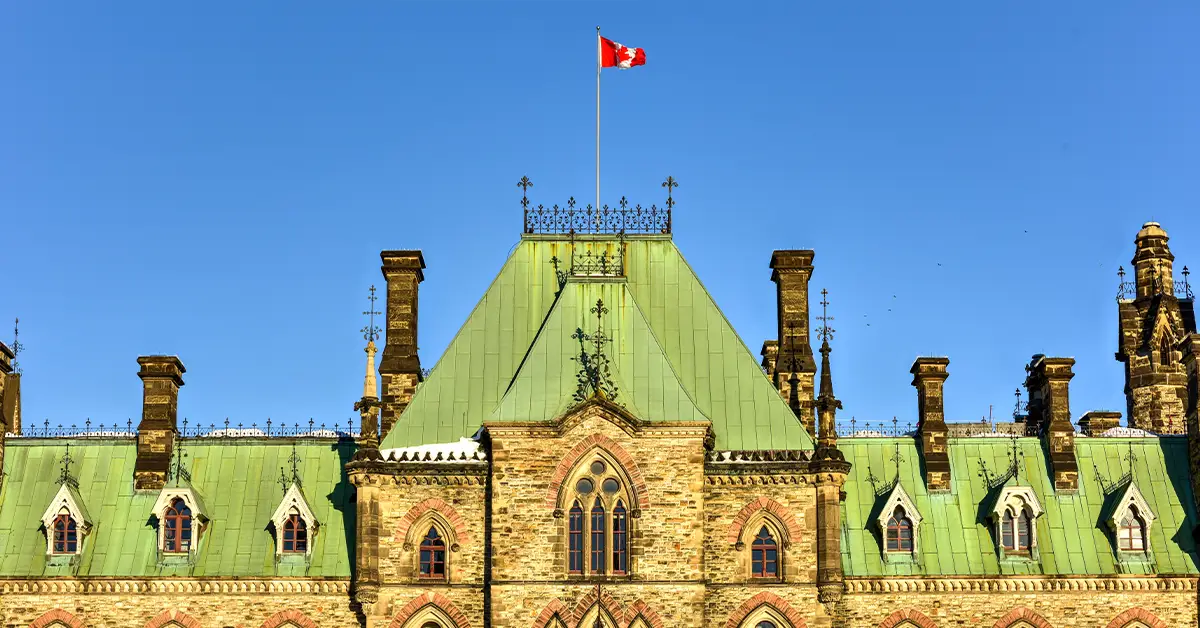
The history of Canada is a journey spanning thousands of years, from the first indigenous peoples to a modern, prosperous, and highly multicultural nation. For Vietnamese people interested in the land of the maple leaf, understanding the formation of this country helps explain why it has become a leading global destination for immigration.
From the French and British colonial periods, through the Confederation process in 1867, to becoming a fully independent nation, each stage has left a profound mark.
Detailed article on the the country of Canada.
Message
Overview of Canadian history
The historical process of Canada can be divided into several major stages, reflecting the transformation from a land of indigenous peoples into a modern nation. Each stage is associated with significant political upheavals and waves of migration.
Before Europeans arrived, this region was home to many indigenous peoples for thousands of years. Subsequently, during the French and British colonial period, wars and waves of immigration shaped the face of the land.
The most important milestone was 1867, when the colonies united to form the Dominion. Since then, the nation has continuously developed, expanded its territory, and gradually gained full independence to become a middle power in the world. Understanding this process is the key to grasping the nation’s identity.
Considering a residency programme? The Prosperous Living Investment team assesses your profile free of charge and advises on the pathway that fits your goals.
The era of indigenous peoples
Before the arrival of Europeans, the land today was inhabited by many indigenous peoples with rich cultures. They lived and thrived here for thousands of years before the colonial period.
Indigenous peoples include diverse First Nations groups, the Inuit in the Arctic region, and the Métis who formed later. Each group has its own language, culture, and way of life, adapting to different geographical conditions from forests and prairies to the frozen northern regions.
These peoples lived by hunting, fishing, gathering, and some agriculture, developing deep knowledge of the environment. The heritage of indigenous peoples is still present in the culture, place names, and life of the nation today. Recognising and reconciling with indigenous peoples is an important part of contemporary society.
French and British colonial period
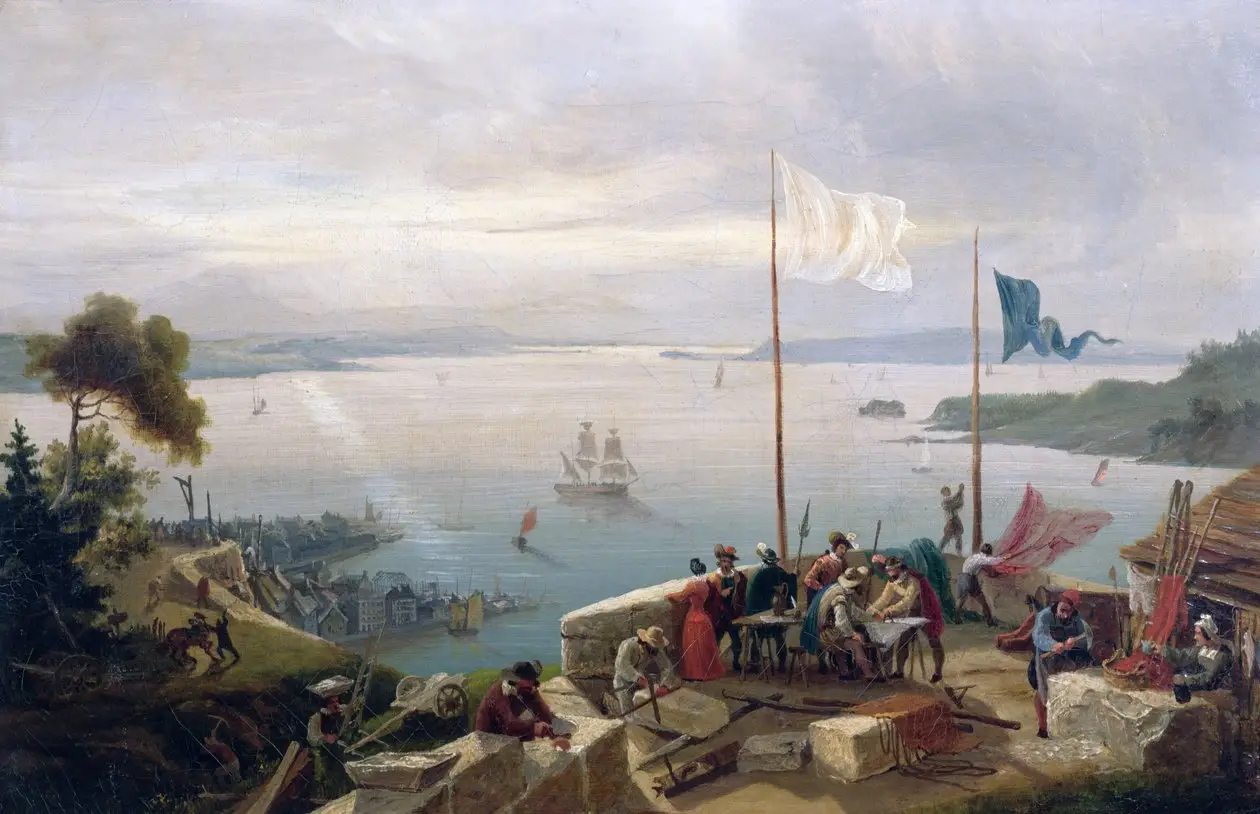
The arrival of Europeans opened a new chapter in Canadian history. The French were the first Europeans to establish permanent colonies in the early 17th century, with New France along the Saint Lawrence River.
The fur trade was the main economic driver of this period, creating a vast trade network with indigenous peoples. Quebec City was founded and became the centre of the French colony in North America.
However, competition between France and Britain led to prolonged conflict. After the Seven Years’ War, France ceded most of its North American territory to Britain in 1763. From then on, the region came under British influence, although French heritage was strongly maintained, especially in Quebec. The coexistence of the two cultures, British and French, laid the foundation for the nation’s bilingual identity.

Confederation in 1867
The most significant milestone in Canadian history was 01/07/1867, when the British North America Act came into effect, establishing the Dominion. The first four provinces, including Ontario, Quebec, Nova Scotia, and New Brunswick, united to form a federation.
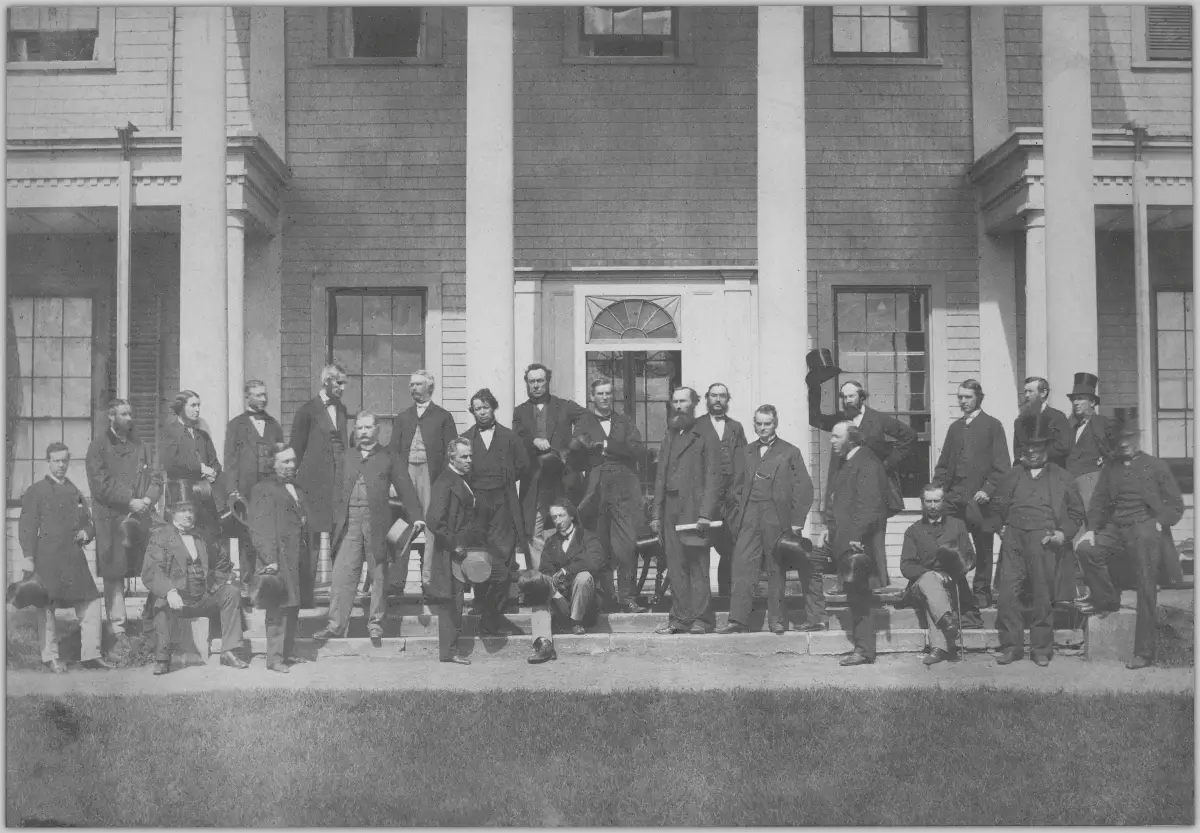
According to information from Government of CanadaThe process of Confederation was the foundation for the formation of the modern nation. It was the result of negotiations between colonial leaders, aimed at creating a stronger and more autonomous political entity.
Following Confederation, the nation expanded rapidly to the West and North, with new provinces and territories joining one by one. A transcontinental railway was built, connecting the vast country from the Atlantic to the Pacific. This expansion laid the groundwork for a nation spanning the entire continent.
The journey to full independence
Although founded in 1867, the nation maintained close ties with Britain for many decades. The process of achieving full independence took place in stages throughout the 20th century, reflecting the nation’s maturity.
Significant contributions during the two world wars enhanced the nation’s status and national spirit. The Statute of Westminster 1931 granted the nation full autonomy in foreign affairs, marking a major step on the path to independence.
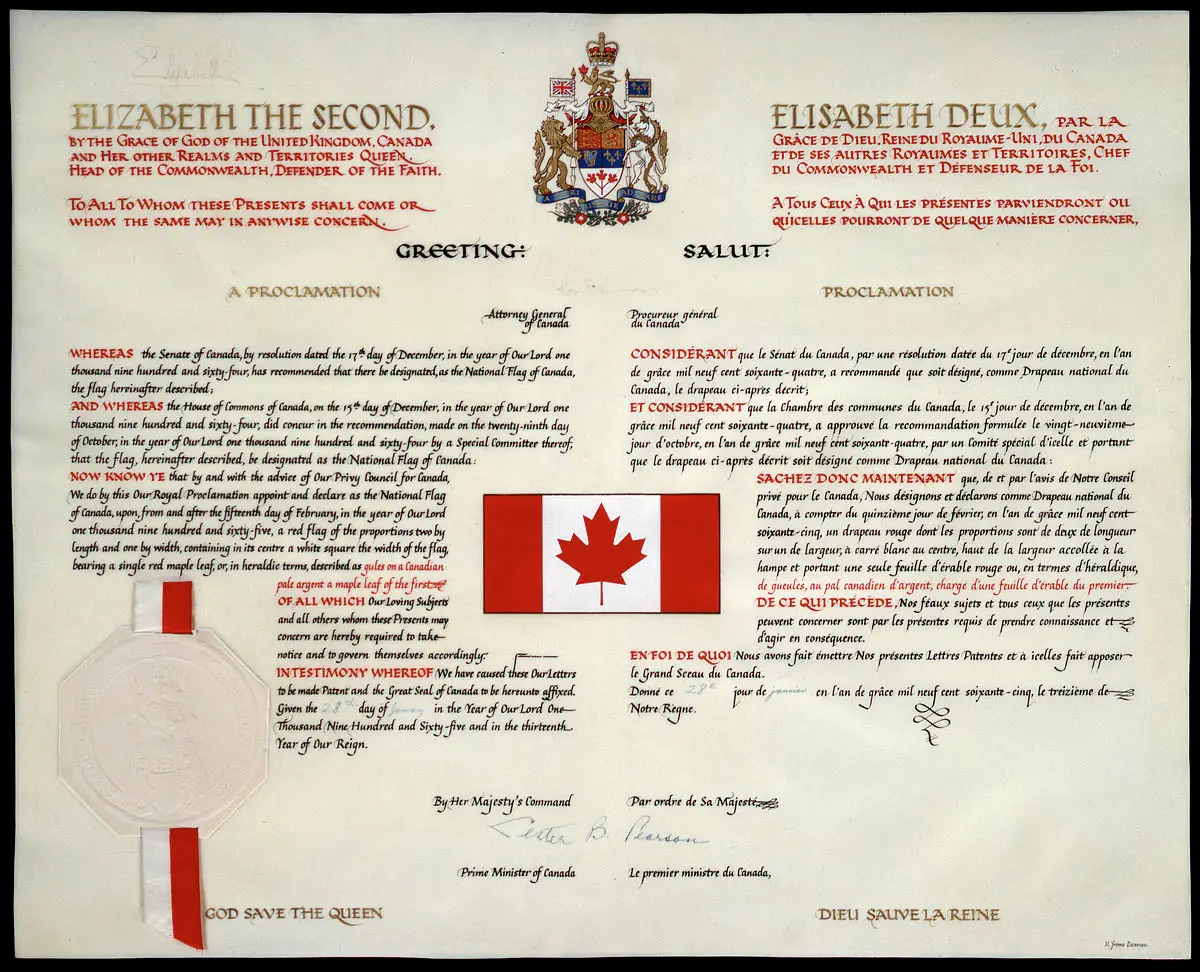
The final milestone was the patriation of the constitution in 1982, when the nation gained full authority to amend its constitution without British approval. The Charter of Rights and Freedoms was enacted at the same time, becoming the legal foundation for protecting civil rights. From this point, the nation completed its journey to becoming a fully independent state.
Modern development and multicultural policy
In the latter half of the 20th century and the early 21st century, the nation continued to assert its position on the international stage. A key turning point was the adoption of an official multiculturalism policy, making it a leading destination for global immigrants.
An open immigration policy has attracted millions of people from all over the world, profoundly changing the demographic structure and enriching the cultural identity. Major cities such as Toronto, Vancouver and Montreal have become vibrant multicultural metropolises.
The Vietnamese community is also part of this wave of immigration, beginning to settle in large numbers from the late 20th century. Today, the nation is known as an inclusive, prosperous and safe society, and is a dream destination for many families. Readers can learn more about Canada’s demographics to clearly see this diversity.
Historical heritage in contemporary society
Despite its modern development, the nation still preserves and cherishes its historical heritage. The historical process has left a clear mark on today’s political institutions, bilingual identity and social values.
The Westminster-style parliamentary political system, the relationship with the monarchy and the English-French bilingual identity are all legacies from the past. Reconciliation with Indigenous peoples is also an important issue in contemporary society, reflecting efforts to confront the painful chapters of history.
Understanding history helps explain many aspects of today’s society, from political structures and multicultural policies to values of inclusion. For Vietnamese people considering immigration, foundational knowledge of the past helps provide a deeper understanding of the environment they will be joining. You should learn more about Canadian politics for a comprehensive overview.
Conclusion: Understanding the past to guide the future
The history of Canada is a story of transformation from a land of Indigenous peoples into one of the most modern, multicultural and prosperous nations in the world. Each stage, from the colonial period and the 1867 Confederation to the journey toward full independence, has contributed to shaping today’s identity.
For Vietnamese people interested in this nation, grasping the historical process is not only foundational knowledge but also helps provide a deeper understanding of the environment they will be joining if they immigrate. The long-standing tradition of welcoming immigrants is a testament to the openness of the land.
To gain a comprehensive picture, you should learn more about Canada’s geography and Canadian culture, thereby building a solid foundation for all plans related to this land of great potential.
Accompanying you on your journey in residency investment
The Prosperous Living Investment team advises on pathways, assesses profiles and manages investments transparently for every residency, citizenship and international property objective.
Free profile assessmentWhere life gets prosperous