


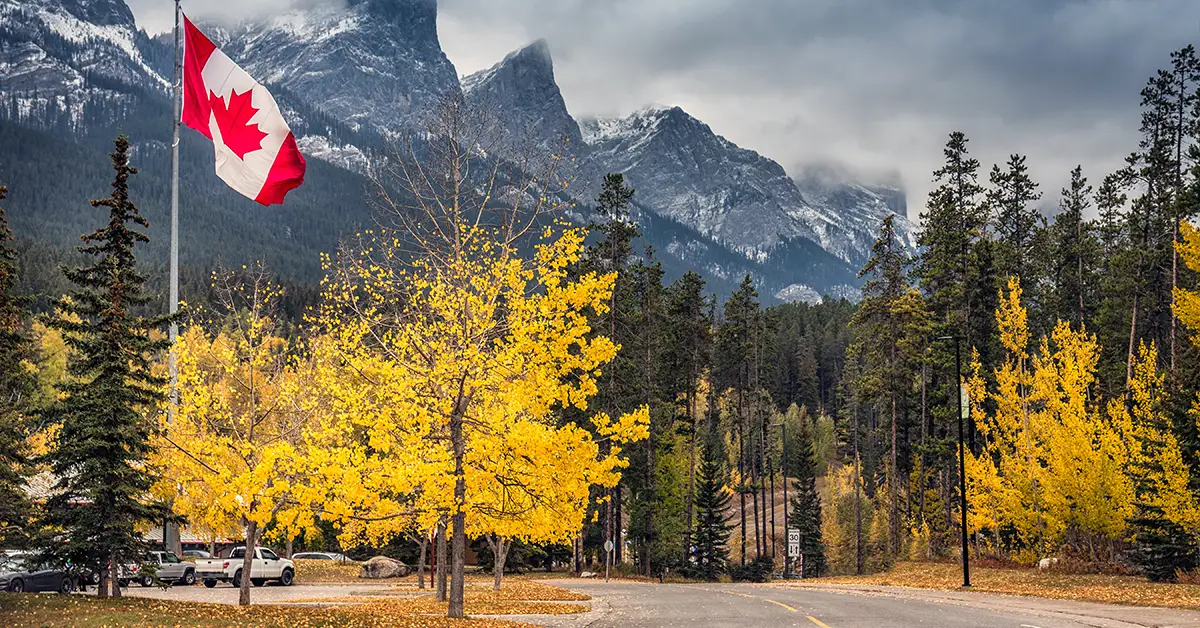
The geography of Canada is the foundational element shaping the entire life, economy and population distribution of the world’s second-largest nation. With an area of nearly 10 million square kilometres, stretching from the Atlantic to the Pacific and reaching up to the Arctic, the land of the maple leaf possesses incredible diversity in terrain and climate.
For Vietnamese people considering immigration, understanding the natural conditions and the division of the ten provinces helps in choosing a suitable place to live.
Detailed article on the the country of Canada.
Message
Overview of Canada’s geography
The geographical characteristics of Canada are notable for their massive scale and rare natural diversity. It is the second-largest country in the world, after Russia, with a total area of approximately 9,984,670 square kilometres.
Although vast, the majority of the population is concentrated in a strip of land in the South, near the border with the United States, where the climate is more temperate. The vast Northern region has a harsh climate and is sparsely populated, creating a profound contrast.
The nation possesses the longest coastline in the world, bordering three oceans. The diversity of terrain from mountains, grasslands, forests and lakes to the frozen Arctic regions provides abundant resources and majestic natural scenery. Understanding these geographical features is key to grasping the nation’s development.
Considering a residency programme? The Prosperous Living Investment team assesses your profile free of charge and advises on the pathway that fits your goals.
Location and boundaries
The land is located in the North of the North American continent, occupying most of the northern part of this continent. This geographical position brings both advantages and challenges to the nation.
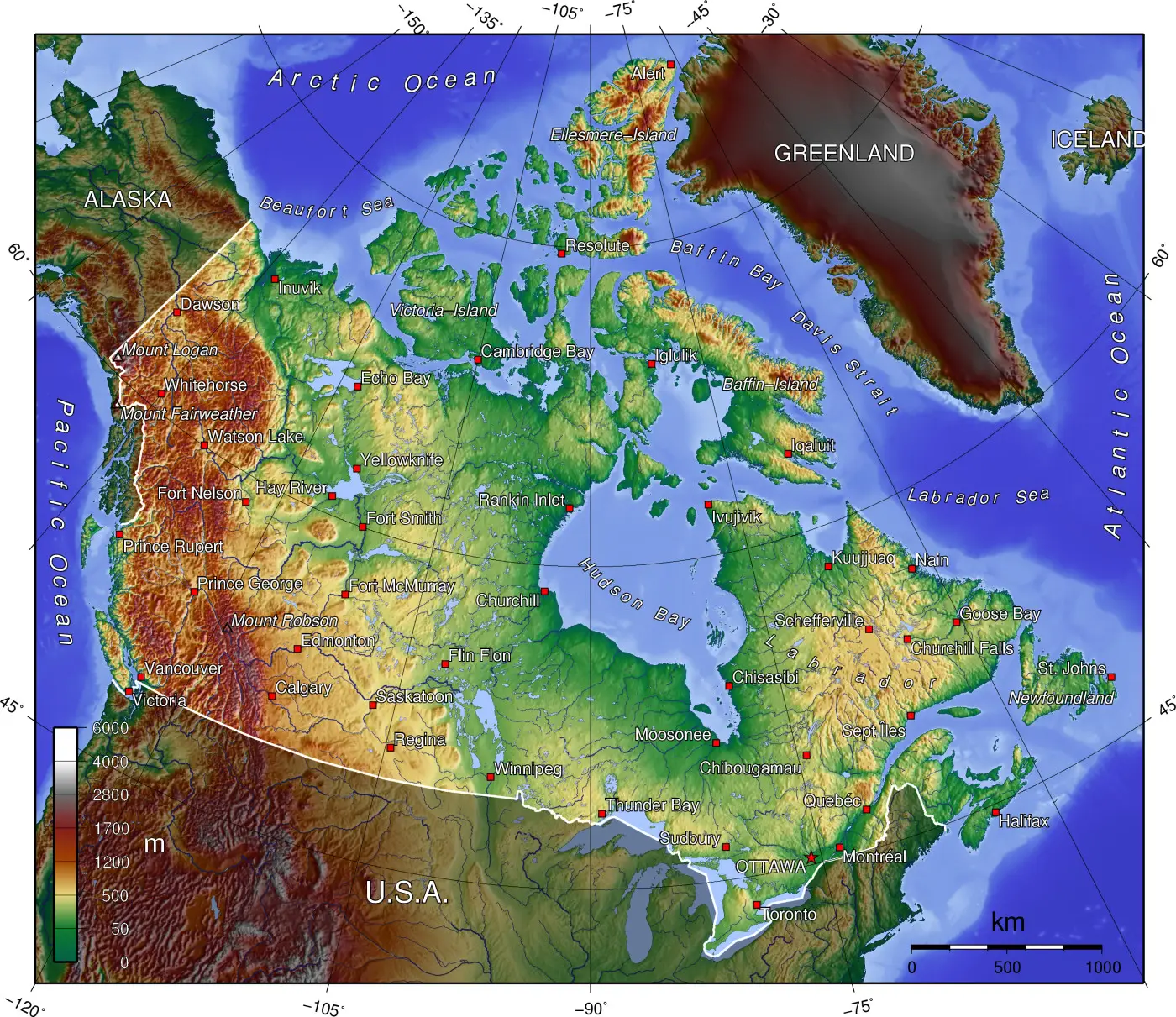
To the South and Northwest, the nation shares the longest land border in the world with the United States. This neighbourly relationship has significant implications for trade, the economy and security.
The other three sides border the oceans: the Atlantic to the East, the Pacific to the West and the Arctic Ocean to the North. This longest coastline in the world provides abundant fishery resources and important shipping routes. This special geographical position creates both advantages for connectivity and challenges in managing such a vast territory.
Terrain and natural regions
The diversity of terrain is a prominent feature when discussing the geography of Canada. The nation is divided into many natural regions with distinct landscapes and characteristics.
Mountainous regions and the West Coast
To the West is the majestic Rocky Mountain range, which creates spectacular mountain scenery. The province of British Columbia on the Pacific coast has a temperate climate and beautiful forest and sea landscapes, making it one of the most liveable places.
Grasslands and the central region
The central area is a vast region of grasslands, consisting of prairie provinces with fertile soil. This is a wheat basket and a centre for agriculture and livestock, and is also rich in oil and gas resources, especially in Alberta.
The East and the North
The East around the Great Lakes and the Saint Lawrence River is the most densely populated area, with the provinces of Ontario and Quebec. Meanwhile, the vast Northern region belonging to the Canadian Shield and the Arctic has harsh terrain and is sparsely populated, but is rich in minerals and pristine landscapes.
Regional climates
Climate is an important aspect of Canada’s geography, directly affecting life and the choice of residence. Because it stretches across a vast territory, the nation has significant climate differences between regions.
Most of the territory has a continental climate with four distinct seasons: cold, snowy winters and warm summers. The Southern region, where the population is concentrated, has a more pleasant climate, although winters are still quite cold.
The West Coast around Vancouver has the most temperate climate, with winters that are not too cold and plenty of rain. Conversely, the Northern region has a harsh Arctic climate with long, deeply cold winters. For Vietnamese people accustomed to a tropical climate, adapting to the cold winter is a factor that requires careful preparation. However, modern heating systems and good infrastructure ensure that life remains comfortable.
Ten provinces and three territories
An important feature of Canada’s geography is the administrative structure consisting of ten provinces and three territories. Each unit has its own distinct geographical, economic and cultural characteristics.
The most populous and developed provinces include Ontario, the economic hub and home to the capital, Ottawa, and the largest city, Toronto; Quebec, a French-speaking province with a distinct cultural identity; and British Columbia on the Pacific coast. Alberta is notable for its oil and gas resources and dynamic economy.
In addition, there are the Prairie provinces, the Atlantic provinces, and three vast but sparsely populated northern territories. The diversity among the provinces creates a wide range of options regarding living environments, climates, and opportunities for immigrants. To better understand the governance structure, readers should read more about Canadian politics.
Natural resources and the environment
Wealth in natural resources is an inseparable part of Canada’s geography. Diverse resources play a crucial role in the nation’s economic development.
The country possesses vast reserves of oil, gas, and minerals, particularly in Alberta and the northern region. According to information from Government of Canada, this is one of the most resource-rich countries in the world. Extensive forest resources provide timber and forestry products, while abundant freshwater sources support hydroelectric power and serve as a strategic asset.
Furthermore, fertile agricultural land in the prairies and fisheries from three oceans are also valuable assets. The country is increasingly focused on environmental protection and sustainable development, with many national parks and vast nature reserves. It is one of the countries with a high level of awareness regarding wildlife protection.
Natural landscapes and national parks
Beyond economic value, natural landscapes are an invaluable asset to the country. The extensive national park system preserves some of the most pristine and stunning natural areas in the world.
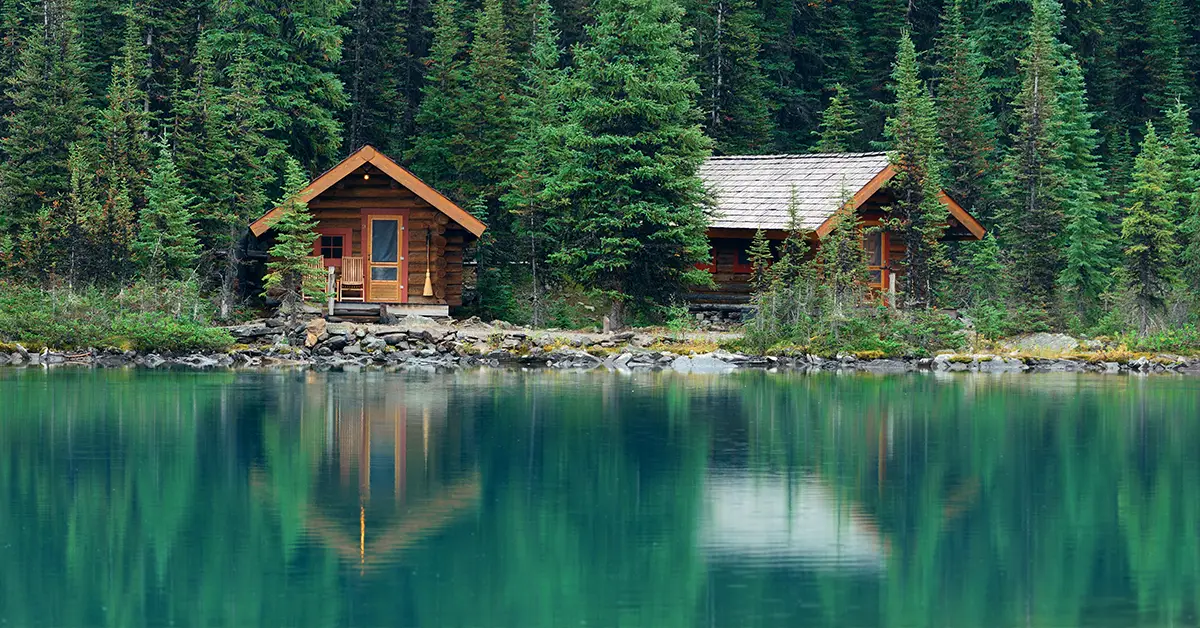
The Rocky Mountains, with their famous parks, offer spectacular mountain scenery, glacial lakes, and wildlife. The coastline, old-growth forests, and countless lakes create a rare diversity of landscape. This is a paradise for outdoor activities and eco-tourism.
The country has a high level of environmental awareness, with a well-managed system of parks and reserves. For residents, the vast natural space provides a high quality of life and opportunities to enjoy activities such as camping, hiking, and skiing. This is an attractive part of the lifestyle in this country.
Major cities and urban distribution
Urban distribution clearly reflects the country’s geographical characteristics. Most major cities are concentrated in the southern strip, where the climate is temperate and close to the United States border.
Toronto is the largest city and economic centre, located on the shores of Lake Ontario. Montreal is the major Francophone metropolis in Quebec, while Vancouver on the Pacific coast is famous for its scenery and quality of life. The capital, Ottawa, is located in the eastern region.
The location of these urban centres is linked to favourable natural conditions and transport accessibility. Conversely, the vast northern region has only a few small population centres. This distribution explains why the vast majority of Vietnamese immigrants choose southern cities, where there are job opportunities and large communities.
Summary: Natural conditions shape life
Canada’s geography, with its massive scale, diversity from mountains, prairies, and forests to the Arctic, along with abundant resources, has shaped the entire economic and social life of the nation. Its location bordering the United States and the longest coastline in the world are significant natural advantages.
For Vietnamese considering immigration, southern provinces such as Ontario and British Columbia, with their milder climates and large communities, are popular choices. Understanding natural conditions, especially the winter climate, helps in better preparing for a new life.
For a comprehensive overview, you should learn more about history of Canada and tourism in Canada, thereby grasping the close connection between geography and the development of this land.
Accompanying you on your journey in residency investment
The Prosperous Living Investment team advises on pathways, assesses profiles and manages investments transparently for every residency, citizenship and international property objective.
Free profile assessmentWhere life gets prosperous