


The Portuguese economy is a developed, high-income economy that is deeply integrated into the European Union and the Eurozone. Following the sovereign debt crisis of the early 2010s, the country has recovered impressively thanks to the service, tourism, and export sectors, while maintaining low unemployment and stable inflation. Understanding the Portuguese economy helps readers assess the financial health, business environment, and investment opportunities that this country offers to foreigners.
Detailed article on the the country of Portugal.
Message
Overview of the Portuguese Economy
Portugal is classified as one of the world’s advanced and high-income economies. As a member of the European Union (EU), the World Trade Organization (WTO), and the Organisation for Economic Co-operation and Development (OECD), the country is deeply integrated into the global economic network.
Portugal’s nominal GDP reached approximately US$380 billion in 2026. If calculated by purchasing power parity, the size of the economy is significantly larger, reflecting the relatively high standard of living of its citizens.
The official currency is the Euro, which Portugal adopted in 2002. Being in the Eurozone provides monetary stability and facilitates trade and investment with European partners.
The Portuguese economy has recorded solid growth in recent years, often higher than the Eurozone average. According to the Banco de Portugal, the economy continues to grow steadily despite uncertainties from the international trade environment.
Considering a residency programme? The Prosperous Living Investment team assesses your profile free of charge and advises on the pathway that fits your goals.
Economic sector structure
Like many developed economies, Portugal has a service-oriented economic structure. The service sector accounts for an overwhelming share, contributing approximately 76% to the GDP and employing the majority of the workforce.
The transition to a service economy has been strong over the past few decades. Sectors such as tourism, finance, real estate, healthcare, and information technology are playing an increasingly important role in economic growth.
The industrial sector accounts for approximately 21% of the economy, including both traditional and modern manufacturing industries. Portugal is famous for the production of textiles, footwear, wood and cork, paper, chemicals, automotive components, and metal products.
Agriculture accounts for only a small share, approximately 2.4% of the economy, but still holds an important cultural and export role. Portugal is the world’s largest producer of cork and is also famous for its wine, olive oil, and high-quality agricultural products.
Tourism, a pillar of the economy
Tourism is one of the most important drivers of the Portuguese economy. With a mild climate, beautiful coastline, rich cultural heritage, and reasonable costs, the country attracts tens of millions of international visitors each year.
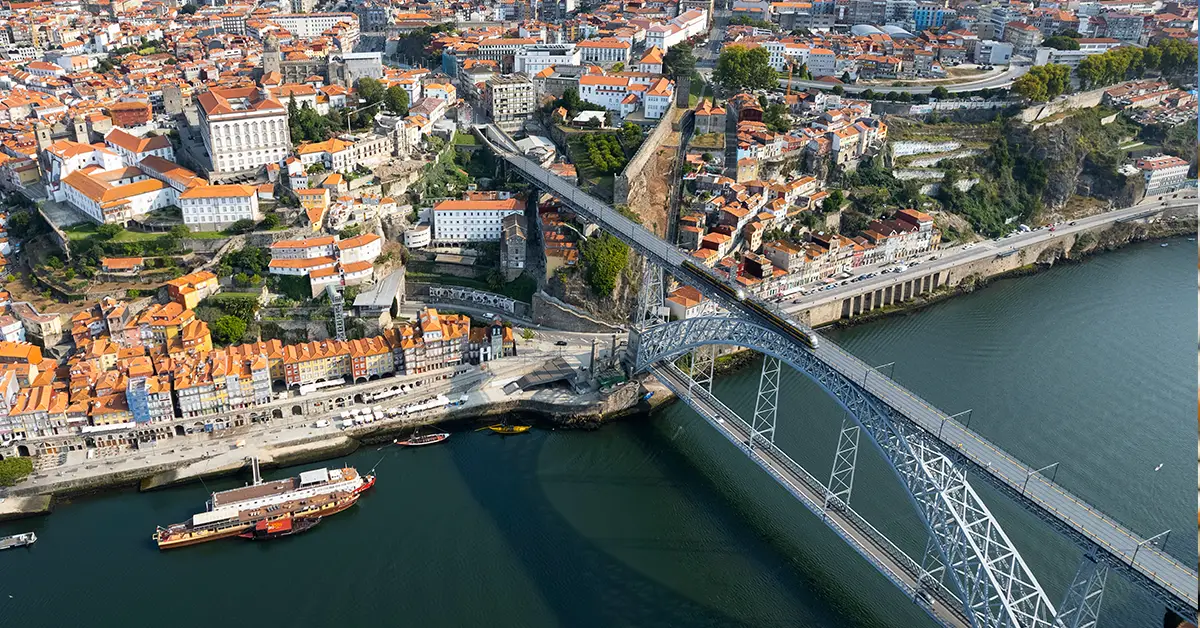
Destinations such as Lisbon, Porto, the Algarve region, and the Madeira archipelago are consistently on the favourite lists of global travellers. The tourism industry creates hundreds of thousands of jobs and contributes significantly to foreign currency earnings.
The tourism boom also boosts related sectors such as hospitality, restaurants, transport, and real estate. Many coastal cities and rural areas benefit from a steady flow of tourists year-round.
However, this reliance on tourism also presents challenges, especially when global shocks occur. The Portuguese government is working to diversify the economy to reduce the risks associated with a single industry.
Labour market and employment
The Portuguese labour market has improved significantly since the crisis period. The unemployment rate has fallen sharply from nearly 14% at the end of 2014 to just about 6% in 2025.
This is a significant achievement, indicating a sustainable economic recovery. The employment rate has reached a record high, with the majority of workers concentrated in the service sector.
However, the labour market still faces some challenges. The youth unemployment rate remains significantly higher than the average, and some sectors such as construction, information technology, and healthcare are experiencing labour shortages.
Labour shortages in specialised fields create opportunities for skilled foreigners. While wages in Portugal are lower than in other Western European countries, they are trending upwards, outpacing inflation in recent years.
Inflation, public debt, and financial stability
Inflation in Portugal has been well-controlled and has remained stable at around 2% in recent years. Low inflation helps protect the purchasing power of citizens and creates a stable business environment.
Public debt, once a major weakness of the economy, has also improved significantly. According to European Commission, public debt has decreased from 93.5% of GDP in 2024 to below 90% in 2025, and is expected to continue its downward trend.
The reduction in public debt reflects fiscal discipline and a strong economic recovery. Portugal has even achieved a budget surplus in some recent years, a rare achievement compared to many European countries.
Financial stability is reinforced by capital inflows from European funds and a surplus in the trade of services. These factors create a solid foundation for long-term growth and investor confidence.
Trade and foreign investment
Portugal is an open economy that relies heavily on international trade. The European Union is its largest trading partner, accounting for the majority of the country’s import and export turnover.
Key exports include machinery, automotive components, textiles, footwear, agricultural products, and wine. Tourism and services also contribute significantly to the balance of payments, generating a steady source of foreign currency.
In recent years, Portugal has actively attracted foreign direct investment. Incentive programmes, an improving business environment, and competitive costs have attracted many international businesses and investors.
The real estate sector is particularly attractive to foreign investors. Many choose Portugal not only for profitable investment but also for the purpose of immigration and long-term settlement, taking advantage of visa and residency programmes.
European funds and growth drivers
As a member of the European Union, Portugal benefits significantly from the bloc’s development and recovery funds. These capital sources play a crucial role in modernising infrastructure and fostering innovation.
The Recovery and Resilience Plan, part of Europe’s post-pandemic recovery package, provides significant resources for public investment. Projects related to digital transformation, green energy, and infrastructure upgrades are being implemented vigorously.
Increased public investment, supported by European funds, is expected to drive growth in the coming years. This is an important additional driver alongside domestic consumption and exports.
Portugal is also accelerating the development of renewable energy, leveraging its advantages in wind, solar, and hydroelectric power. The country has repeatedly set records for operating its power system entirely on clean energy, aiming for sustainable development goals.
Opportunities for foreigners
A stable and well-recovering economic environment makes Portugal an attractive destination for foreigners. The reasonable cost of living compared to many Western European countries is a major advantage for immigrants and retirees.
For investors, the real estate market and capital attraction programmes offer many options. Investing in this country can combine profit goals with residence rights, a significant plus.
A qualified workforce, its position as a gateway to Europe, and political stability create a favourable foundation for startups and business. Many foreign entrepreneurs choose Portugal as a springboard to access the vast European market.
Those interested in combining investment with immigration can learn more about Portugal residency by investment. This is a path chosen by many to both generate profit and build a new life in a stable European country.
Summary
The Portuguese economy has had an impressive recovery journey, from a public debt crisis to a solidly growing economy with low unemployment, stable inflation, and declining public debt. With a service-oriented structure, developed tourism, and support from European funds, the country is on a path of sustainable growth.
For foreigners, the stable economic environment, competitive costs, and numerous investment opportunities make Portugal a destination worth considering. Understanding the economic landscape of this country is an important basis for making informed decisions about future investment, business, or immigration.
Accompanying you on your journey in residency investment
The Prosperous Living Investment team advises on pathways, assesses profiles and manages investments transparently for every residency, citizenship and international property objective.
Free profile assessmentWhere life gets prosperous