

Canada
Canada suspends citizenship by descent certificates issued under Bill C-3
IRCC has suspended some citizenship-by-descent certificates issued under Bill C-3 and requested their return, over concerns about the…


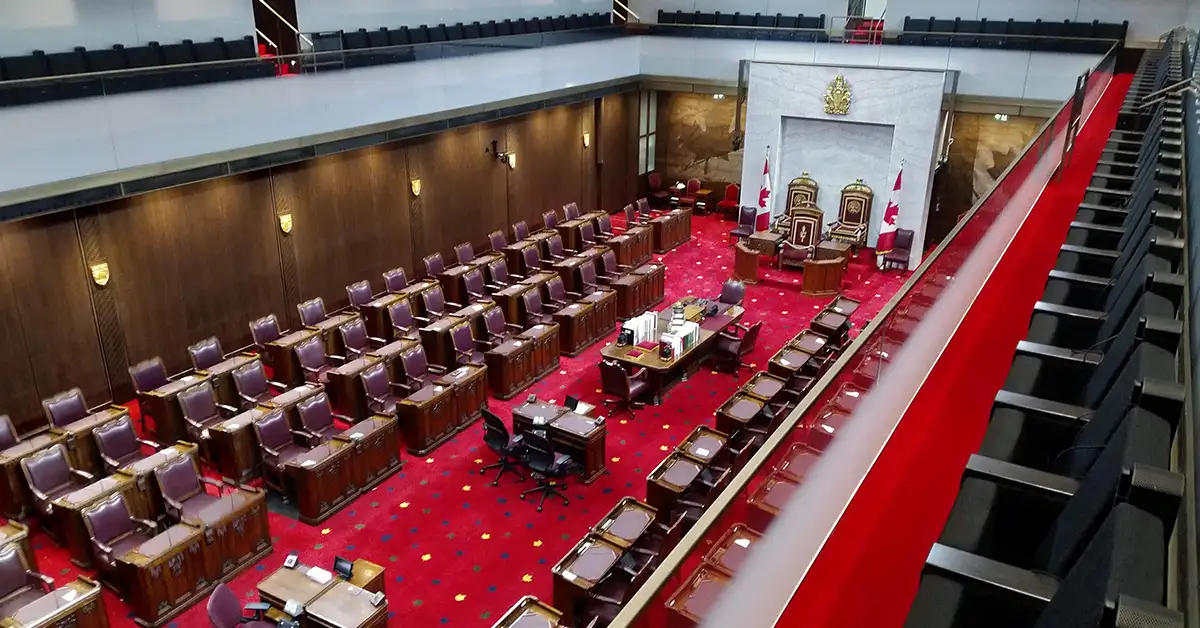
The Canadian Senate has passed a bill containing the largest reforms the Canadian immigration system has seen in decades, including powers allowing the Governor in Council to change, cancel, or suspend immigration documents, including work permit, study permit and permanent resident visas.
Bill C-12, “An Act respecting certain measures regarding Canada’s border security and the integrity of Canada’s immigration system and other related security measures,” passed its third reading in the Senate with amendments on the evening of 12/03/2026.
The bill includes three major changes to the immigration sector: executive power over immigration applications and documents; reform of Canada’s asylum system; and provisions for increased sharing of personal information by the immigration department.
If the bill becomes law, the Governor in Council will have the power to issue orders to stop accepting, pause, or terminate the processing of immigration applications; cancel, suspend, or change immigration documents such as work permits, study permits, visitor visas, and permanent resident visas; and impose or change conditions on temporary residents.
If enacted into law, these powers could be exercised by the Governor in Council in situations deemed to be in the public interest, which the bill defines as matters related to “administrative error, fraud, public health, public safety, or national security.”
After exercising these powers, the Minister of Immigration, Refugees and Citizenship Canada will be required to account to Parliament for the orders issued along with information on those affected.
Considering a residency programme? The Prosperous Living Investment team assesses your profile free of charge and advises on the pathway that fits your goals.
The bill introduces two new grounds for refusing to refer asylum claims to the Immigration and Refugee Board (IRB):
Applicants who first entered Canada after 24 June 2020 and filed an asylum claim more than one year after their initial entry; and applicants who entered Canada via the Canada-United States land border outside of official ports of entry.
Currently, the Immigration and Refugee Protection Regulations allow asylum claims from individuals who entered via the Canada-United States land border outside of official ports of entry, provided the claim is filed at least 14 days after the person entered.
Two new grounds for inadmissibility will be applied retroactively from 03 June 2025, the date the predecessor to Bill C-12, Bill C-2, was first introduced.
Individuals ineligible for referral to the IRB may still file a Pre-Removal Risk Assessment (PRRA).
Under amendments proposed by Senator Tony Dean, the immigration department must provide an annual report to Parliament five years after the act comes into force, detailing the number of claims received from applicants ineligible due to filing more than one year late, along with the number and outcomes of related PRRAs.
Additional reforms to the asylum system include requirements to identify claims that have been abandoned if the applicant voluntarily returns to the country from which they sought protection, and a requirement not to consider claims from applicants who are outside Canadian territory.
The bill contains provisions allowing the immigration department to disclose an individual’s personal information to other government agencies and government-controlled corporations, which are permitted, with the immigration minister’s authorisation, to share that personal information with foreign entities.
Personal information that may be disclosed outside the department includes an individual’s identity, their residency status in Canada, and documents issued under the authority of the immigration minister.
Under an amendment proposed by Senator Paulette Senior and passed by the Senate on 10 March, these information-sharing provisions will not apply to Canadian citizens or permanent residents.
The results of the act will be subject to Parliamentary oversight, per an amendment proposed by Senator Dean, which requires a Parliamentary committee to review the operation and impact of the changes in the act five years after it comes into force, and to submit a report to Parliament outlining the results and recommended changes.
Because the bill was amended in the Senate before passing third reading, it must be passed by the House of Commons at third reading before it can become law.
To become law, an act of Parliament must pass third reading in the same form in both houses of Parliament, then receive royal assent.
This is a news flash. Content will be updated as more information becomes available.
IRCC has suspended some citizenship-by-descent certificates issued under Bill C-3 and requested their return, over concerns about the…

On 21 May 2026, Prince Edward Island issued 114 PNP invitations through the Labour Impact and Express Entry…

Alberta issued 1,051 AAIP invitations between 1 and 13 May 2026 across four draws, prioritising healthcare, technology and…
The Prosperous Living Investment team advises on pathways, assesses profiles and manages investments transparently for every residency, citizenship and international property objective.
Free profile assessmentWhere life gets prosperous
We use analytics cookies (Google Analytics) to understand how this site is used. They stay off until you agree. Privacy policy.